
The Ramparts and Cannon Views
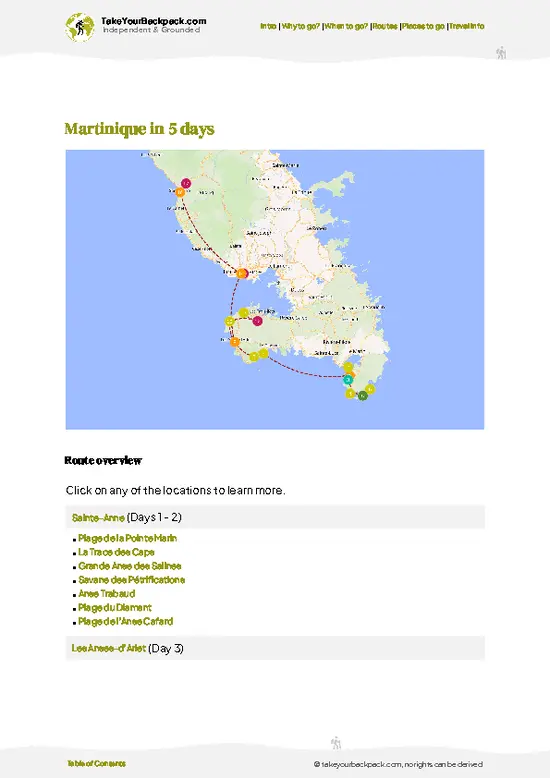
Forget the Instagram drone shots—standing on these battered stone walls, you get a 360-degree sweep of Fort-de-France Bay that no filter can fake. The cannons are real, not props, and you can trace the arc where French gunners once watched for British sails. The wind up here is relentless, salty, and loud, and you’ll feel the city’s pulse below. This is the kind of view that makes you understand why empires fought over this rock.
The Prison Cells
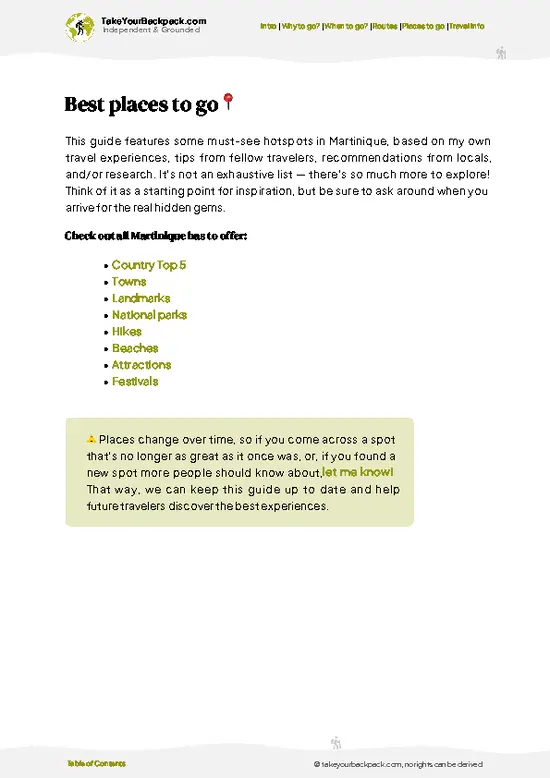
It’s easy to walk past the dark, cramped cells and think, “just another old jail.” Don’t. Step inside. The air is thick and the walls close in fast. These aren’t sanitized for tourists—there’s a rawness here that’s hard to shake. You’ll get a gut-level sense of colonial power, rebellion, and the real cost of empire. … read more 👉
Forget the Instagram drone shots—standing on these battered stone walls, you get a 360-degree sweep of Fort-de-France Bay that no filter can fake. The cannons are real, not props, and you can trace the arc where French gunners once watched for British sails. The wind up here is relentless, salty, and loud, and you’ll feel the city’s pulse below. This is the kind of view that makes you understand why empires fought over this rock.
The Prison Cells
It’s easy to walk past the dark, cramped cells and think, “just another old jail.” Don’t. Step inside. The air is thick and the walls close in fast. These aren’t sanitized for tourists—there’s a rawness here that’s hard to shake. You’ll get a gut-level sense of colonial power, rebellion, and the real cost of empire. … read more 👉
The Ramparts and Cannon Views
Forget the Instagram drone shots—standing on these battered stone walls, you get a 360-degree sweep of Fort-de-France Bay that no filter can fake. The cannons are real, not props, and you can trace the arc where French gunners once watched for British sails. The wind up here is relentless, salty, and loud, and you’ll feel the city’s pulse below. This is the kind of view that makes you understand why empires fought over this rock.
The Prison Cells
It’s easy to walk past the dark, cramped cells and think, “just another old jail.” Don’t. Step inside. The air is thick and the walls close in fast. These aren’t sanitized for tourists—there’s a rawness here that’s hard to shake. You’ll get a gut-level sense of colonial power, rebellion, and the real cost of empire. It’s not pretty, but it’s honest, and it’s a side of Caribbean history that rarely makes the travel brochures.
The Powder Magazine
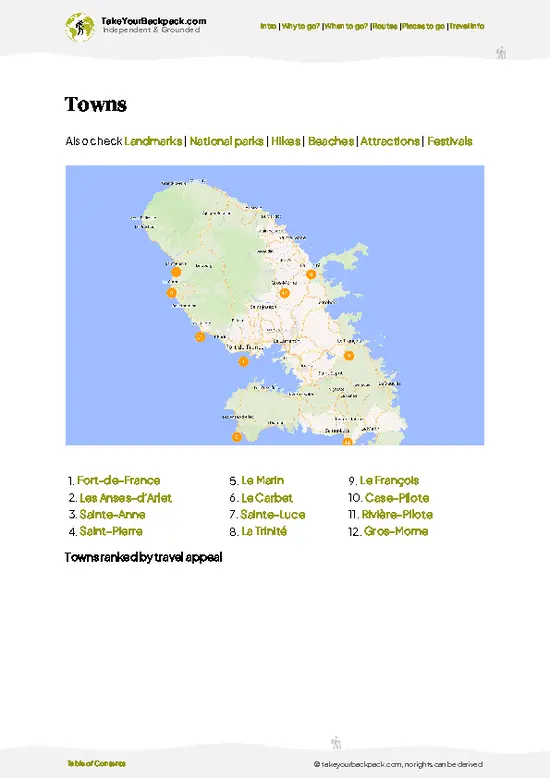
This is where the fort’s explosive heart beat. The thick, arched stonework kept the gunpowder dry and the soldiers alive—most of the time. The echo in here is eerie, and the temperature drops a few degrees. It’s a physical reminder that this place was built for war, not postcards. If you’re a history nerd or just like the thrill of standing somewhere that could have blown sky-high, this is your spot.
The Guided Tour (with a Local Twist)
Skip the generic audio guide. The real magic is in the live tours, usually led by local guides who don’t sugarcoat the past. You’ll get stories about sieges, hurricanes, and the daily grind of colonial soldiers—plus the occasional off-script joke or personal anecdote. It’s the difference between reading a Wikipedia page and hearing your sharpest friend tell you what really went down.
The Overgrown Bastions
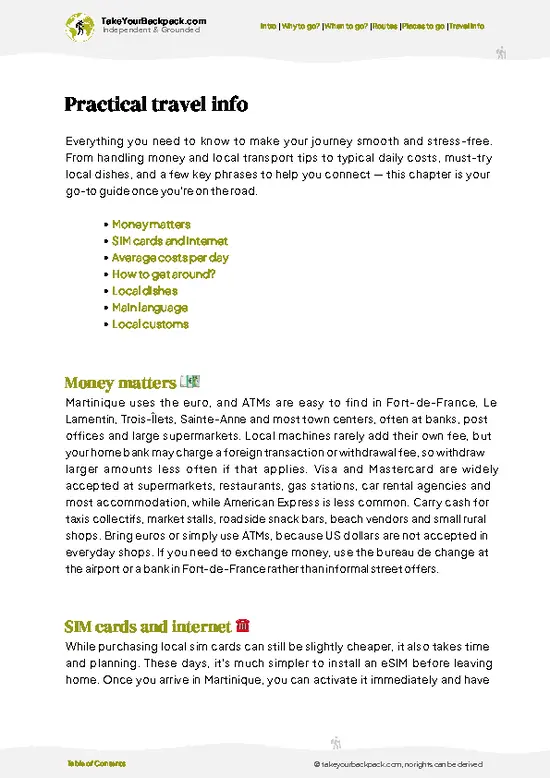
Nature is always trying to reclaim this place. Vines creep over the stone, lizards dart through cracks, and the fort’s edges feel wild and alive. It’s not manicured, and that’s the point. You’re exploring a living ruin, not a theme park set. Bring sturdy shoes and a sense of adventure; the best corners are the ones you find by accident.
The Fort’s Role in Martinique’s Identity
This isn’t just a French outpost—it’s a symbol of Martinique’s complicated story. The fort has been bombarded, abandoned, repurposed, and reimagined. Locals see it as both a relic of oppression and a monument to resilience. If you want to understand Martinique beyond the beaches, you start here, where the island’s scars and strengths are carved into stone.
Forget the Instagram drone shots—standing on these battered stone walls, you get a 360-degree sweep of Fort-de-France Bay that no filter can fake. The cannons are real, not props, and you can trace the arc where French gunners once watched for British sails. The wind up here is relentless, salty, and loud, and you’ll feel the city’s pulse below. This is the kind of view that makes you understand why empires fought over this rock.
The Prison Cells
It’s easy to walk past the dark, cramped cells and think, “just another old jail.” Don’t. Step inside. The air is thick and the walls close in fast. These aren’t sanitized for tourists—there’s a rawness here that’s hard to shake. You’ll get a gut-level sense of colonial power, rebellion, and the real cost of empire. It’s not pretty, but it’s honest, and it’s a side of Caribbean history that rarely makes the travel brochures.
The Powder Magazine
This is where the fort’s explosive heart beat. The thick, arched stonework kept the gunpowder dry and the soldiers alive—most of the time. The echo in here is eerie, and the temperature drops a few degrees. It’s a physical reminder that this place was built for war, not postcards. If you’re a history nerd or just like the thrill of standing somewhere that could have blown sky-high, this is your spot.
The Guided Tour (with a Local Twist)
Skip the generic audio guide. The real magic is in the live tours, usually led by local guides who don’t sugarcoat the past. You’ll get stories about sieges, hurricanes, and the daily grind of colonial soldiers—plus the occasional off-script joke or personal anecdote. It’s the difference between reading a Wikipedia page and hearing your sharpest friend tell you what really went down.
The Overgrown Bastions
Nature is always trying to reclaim this place. Vines creep over the stone, lizards dart through cracks, and the fort’s edges feel wild and alive. It’s not manicured, and that’s the point. You’re exploring a living ruin, not a theme park set. Bring sturdy shoes and a sense of adventure; the best corners are the ones you find by accident.
The Fort’s Role in Martinique’s Identity
This isn’t just a French outpost—it’s a symbol of Martinique’s complicated story. The fort has been bombarded, abandoned, repurposed, and reimagined. Locals see it as both a relic of oppression and a monument to resilience. If you want to understand Martinique beyond the beaches, you start here, where the island’s scars and strengths are carved into stone.
Spotted a mistake or missing something? Contact us.
v2.webp)


Best Backpacking
Hi, I’m Johan (Netherlands 🇳🇱), the creator of TakeYourBackpack. Over the past decade, I’ve backpacked through 80+ countries across six continents, gaining extensive experience with independent travel, long-term trips, and overland routes.