
The Birthplace of Empress Joséphine
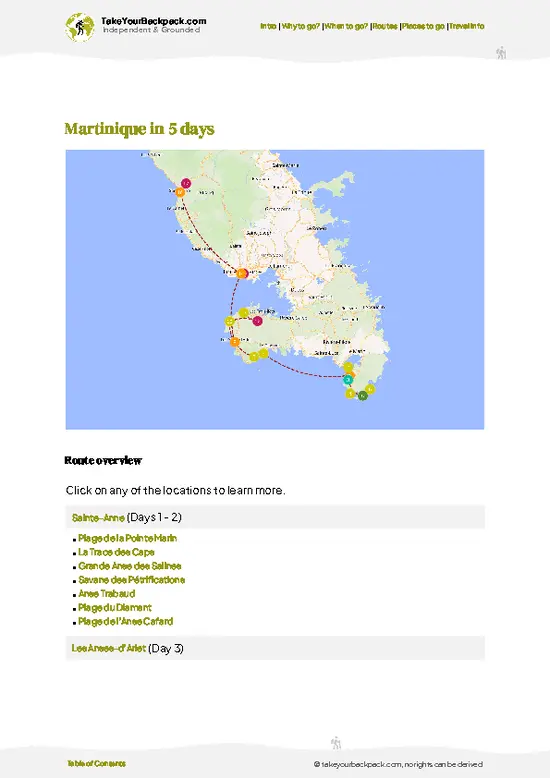
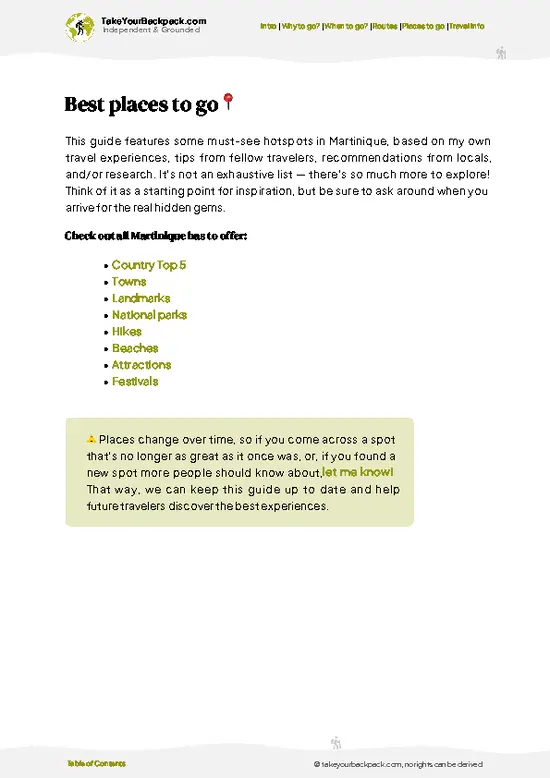
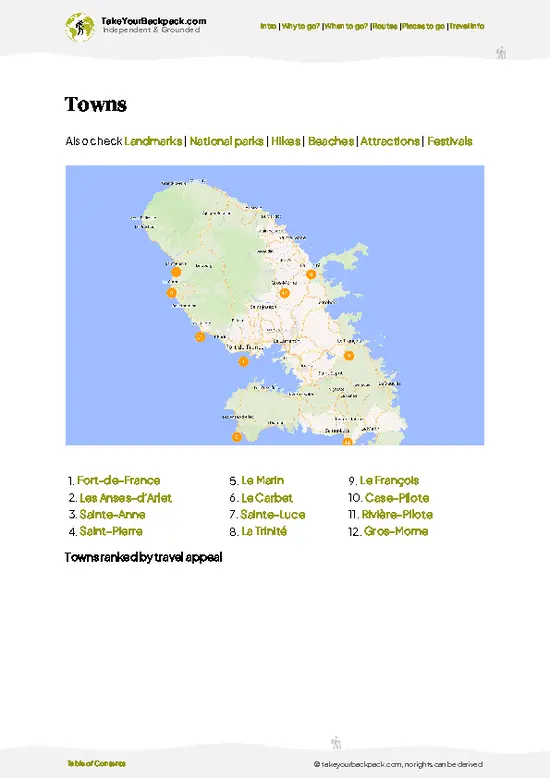
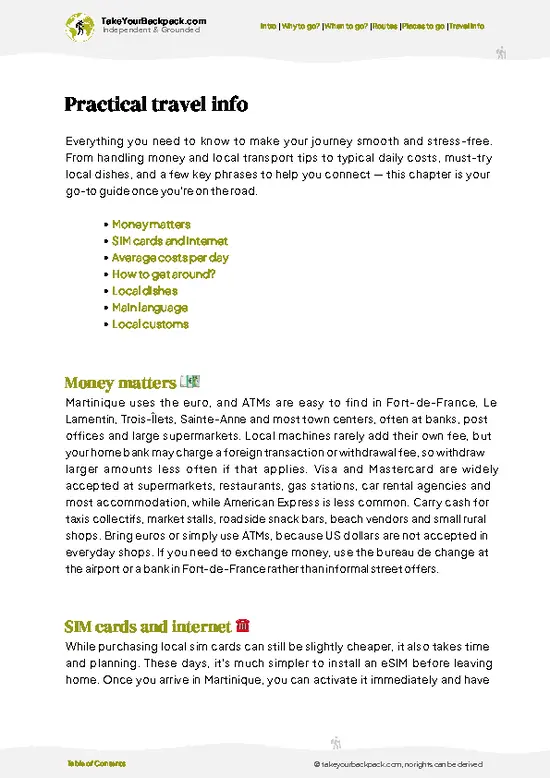
Forget the airbrushed portraits and the sanitized museum blurbs. This is where Marie Josèphe Rose Tascher de la Pagerie—later Empress Joséphine, Napoleon’s first wife—actually grew up. The house isn’t a Versailles knockoff; it’s a weathered, stone-walled survivor of hurricanes and colonial history. You’re not just peering into a room; you’re standing in the childhood shadows of a woman who would become one of Europe’s most controversial power brokers. The personal scale of the place—her actual bedroom, the kitchen where her family’s enslaved workers toiled—hits harder than any oil painting ever could.
The Ruins of the Sugar Plantation
Instagram will show you the lush gardens, but it rarely mentions the plantation’s bones. The Musée de la Pagerie sits on … read more 👉
Forget the airbrushed portraits and the sanitized museum blurbs. This is where Marie Josèphe Rose Tascher de la Pagerie—later Empress Joséphine, Napoleon’s first wife—actually grew up. The house isn’t a Versailles knockoff; it’s a weathered, stone-walled survivor of hurricanes and colonial history. You’re not just peering into a room; you’re standing in the childhood shadows of a woman who would become one of Europe’s most controversial power brokers. The personal scale of the place—her actual bedroom, the kitchen where her family’s enslaved workers toiled—hits harder than any oil painting ever could.
The Ruins of the Sugar Plantation
Instagram will show you the lush gardens, but it rarely mentions the plantation’s bones. The Musée de la Pagerie sits on … read more 👉
The Birthplace of Empress Joséphine
Forget the airbrushed portraits and the sanitized museum blurbs. This is where Marie Josèphe Rose Tascher de la Pagerie—later Empress Joséphine, Napoleon’s first wife—actually grew up. The house isn’t a Versailles knockoff; it’s a weathered, stone-walled survivor of hurricanes and colonial history. You’re not just peering into a room; you’re standing in the childhood shadows of a woman who would become one of Europe’s most controversial power brokers. The personal scale of the place—her actual bedroom, the kitchen where her family’s enslaved workers toiled—hits harder than any oil painting ever could.
The Ruins of the Sugar Plantation
Instagram will show you the lush gardens, but it rarely mentions the plantation’s bones. The Musée de la Pagerie sits on what was once a working sugar estate, and the remnants are right there: stone mills, crumbling outbuildings, and the silent, heavy presence of a brutal past. This isn’t a place that lets you forget the realities of colonial Martinique. Walking these grounds, you feel the weight of history—raw, unfiltered, and impossible to ignore. It’s not comfortable, but it’s real.
Original Artifacts and Personal Items
The museum’s collection isn’t massive, but it’s intimate. You’ll see Joséphine’s childhood belongings—letters, porcelain, and even her mother’s wedding dress. These aren’t just relics behind glass; they’re fragments of real lives, preserved with a kind of stubborn dignity. The artifacts are displayed in a way that feels more like a family attic than a sterile gallery, and that’s the point. You’re not just learning about history; you’re eavesdropping on it.
The Guided Tours (with Local Perspective)
Skip the self-guided shuffle. The real magic here is in the storytelling. Local guides don’t sugarcoat the past. They’ll walk you through Joséphine’s complicated legacy—her rise to power, her role in the re-establishment of slavery, and her mythologized image in France versus her reputation in Martinique. Expect candor, not a sanitized script. If you want the full, unvarnished story, this is where you get it.
The Surrounding Gardens and Landscape
Yes, the gardens are pretty, but they’re not just for show. The grounds are a living reminder of the plantation’s agricultural roots—cacao, sugarcane, and tropical fruit trees still grow here. The landscape is humid, fragrant, and buzzing with life. It’s a sensory jolt that snaps you out of museum mode and into the real Caribbean. If you want a photo, fine—but the real reward is breathing in the same air that shaped centuries of history.
The Emotional Whiplash
This isn’t a museum that lets you off easy. One minute you’re marveling at the delicate china, the next you’re staring at the stone ruins and thinking about the lives spent building this place. The Musée de la Pagerie doesn’t let you compartmentalize. It’s a place where beauty and brutality sit side by side, and that’s what makes it worth your time. If you want a glossy, feel-good history lesson, look elsewhere. If you want the truth—messy, moving, and unforgettable—you’ve found it.
Forget the airbrushed portraits and the sanitized museum blurbs. This is where Marie Josèphe Rose Tascher de la Pagerie—later Empress Joséphine, Napoleon’s first wife—actually grew up. The house isn’t a Versailles knockoff; it’s a weathered, stone-walled survivor of hurricanes and colonial history. You’re not just peering into a room; you’re standing in the childhood shadows of a woman who would become one of Europe’s most controversial power brokers. The personal scale of the place—her actual bedroom, the kitchen where her family’s enslaved workers toiled—hits harder than any oil painting ever could.
The Ruins of the Sugar Plantation
Instagram will show you the lush gardens, but it rarely mentions the plantation’s bones. The Musée de la Pagerie sits on what was once a working sugar estate, and the remnants are right there: stone mills, crumbling outbuildings, and the silent, heavy presence of a brutal past. This isn’t a place that lets you forget the realities of colonial Martinique. Walking these grounds, you feel the weight of history—raw, unfiltered, and impossible to ignore. It’s not comfortable, but it’s real.
Original Artifacts and Personal Items
The museum’s collection isn’t massive, but it’s intimate. You’ll see Joséphine’s childhood belongings—letters, porcelain, and even her mother’s wedding dress. These aren’t just relics behind glass; they’re fragments of real lives, preserved with a kind of stubborn dignity. The artifacts are displayed in a way that feels more like a family attic than a sterile gallery, and that’s the point. You’re not just learning about history; you’re eavesdropping on it.
The Guided Tours (with Local Perspective)
Skip the self-guided shuffle. The real magic here is in the storytelling. Local guides don’t sugarcoat the past. They’ll walk you through Joséphine’s complicated legacy—her rise to power, her role in the re-establishment of slavery, and her mythologized image in France versus her reputation in Martinique. Expect candor, not a sanitized script. If you want the full, unvarnished story, this is where you get it.
The Surrounding Gardens and Landscape
Yes, the gardens are pretty, but they’re not just for show. The grounds are a living reminder of the plantation’s agricultural roots—cacao, sugarcane, and tropical fruit trees still grow here. The landscape is humid, fragrant, and buzzing with life. It’s a sensory jolt that snaps you out of museum mode and into the real Caribbean. If you want a photo, fine—but the real reward is breathing in the same air that shaped centuries of history.
The Emotional Whiplash
This isn’t a museum that lets you off easy. One minute you’re marveling at the delicate china, the next you’re staring at the stone ruins and thinking about the lives spent building this place. The Musée de la Pagerie doesn’t let you compartmentalize. It’s a place where beauty and brutality sit side by side, and that’s what makes it worth your time. If you want a glossy, feel-good history lesson, look elsewhere. If you want the truth—messy, moving, and unforgettable—you’ve found it.
Spotted a mistake or missing something? Contact us.
v2.webp)


Best Backpacking
Hi, I’m Johan (Netherlands 🇳🇱), the creator of TakeYourBackpack. Over the past decade, I’ve backpacked through 80+ countries across six continents, gaining extensive experience with independent travel, long-term trips, and overland routes.