v2.webp)
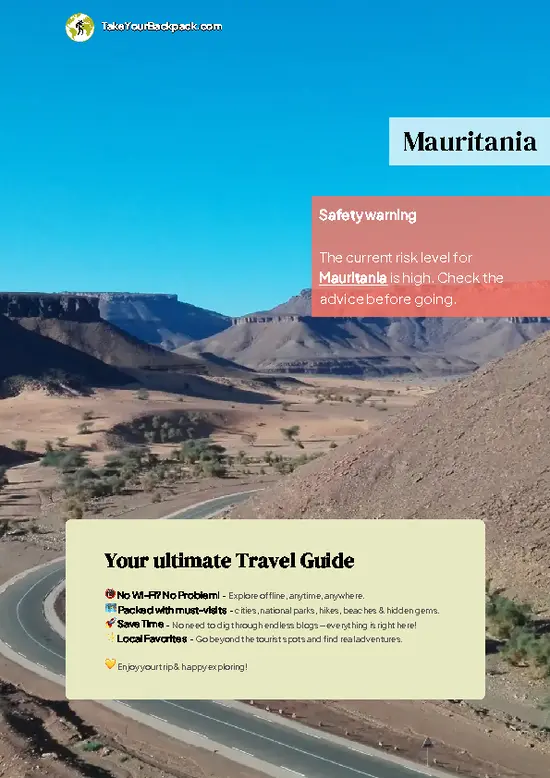
The Labyrinthine Ruins
Forget the Instagram drone shots—Ouadane’s fortified quarter is a maze of crumbling stone, not a polished relic. The real thrill is getting lost in its alleys, where the walls lean in and the silence is broken only by the wind. You’ll find yourself ducking under collapsed lintels, brushing past centuries-old graffiti, and realizing that nobody’s curated this for tourists. It’s raw, unsanitized history. If you want a place that feels like it’s still keeping secrets, this is it.
The Ancient Mosque
No glossy restoration here—just the skeletal remains of a 12th-century mosque, its mihrab still pointing the way for the faithful. The stones are worn smooth by generations, and the sense of continuity is almost physical. Stand in the prayer hall at sunset and you’ll understand … read more 👉
Forget the Instagram drone shots—Ouadane’s fortified quarter is a maze of crumbling stone, not a polished relic. The real thrill is getting lost in its alleys, where the walls lean in and the silence is broken only by the wind. You’ll find yourself ducking under collapsed lintels, brushing past centuries-old graffiti, and realizing that nobody’s curated this for tourists. It’s raw, unsanitized history. If you want a place that feels like it’s still keeping secrets, this is it.
The Ancient Mosque
No glossy restoration here—just the skeletal remains of a 12th-century mosque, its mihrab still pointing the way for the faithful. The stones are worn smooth by generations, and the sense of continuity is almost physical. Stand in the prayer hall at sunset and you’ll understand … read more 👉
The Labyrinthine Ruins
Forget the Instagram drone shots—Ouadane’s fortified quarter is a maze of crumbling stone, not a polished relic. The real thrill is getting lost in its alleys, where the walls lean in and the silence is broken only by the wind. You’ll find yourself ducking under collapsed lintels, brushing past centuries-old graffiti, and realizing that nobody’s curated this for tourists. It’s raw, unsanitized history. If you want a place that feels like it’s still keeping secrets, this is it.
The Ancient Mosque
No glossy restoration here—just the skeletal remains of a 12th-century mosque, its mihrab still pointing the way for the faithful. The stones are worn smooth by generations, and the sense of continuity is almost physical. Stand in the prayer hall at sunset and you’ll understand why this place mattered: it’s not about grandeur, but about endurance. The mosque is a reminder that Ouadane was once a spiritual and intellectual powerhouse, not just a waypoint in the desert.
The City Gates and Defensive Walls
You can still trace the outline of Ouadane’s original defenses, built to keep out raiders and sand alike. These aren’t the towering ramparts of European castles—think more battered, sun-bleached stone, patched and repatched over centuries. The gates are narrow, forcing you to squeeze through, and you can almost hear the echo of camel caravans arriving with salt and gold. The walls tell a story of survival, not showmanship.
Desert Vistas from the Upper Quarter
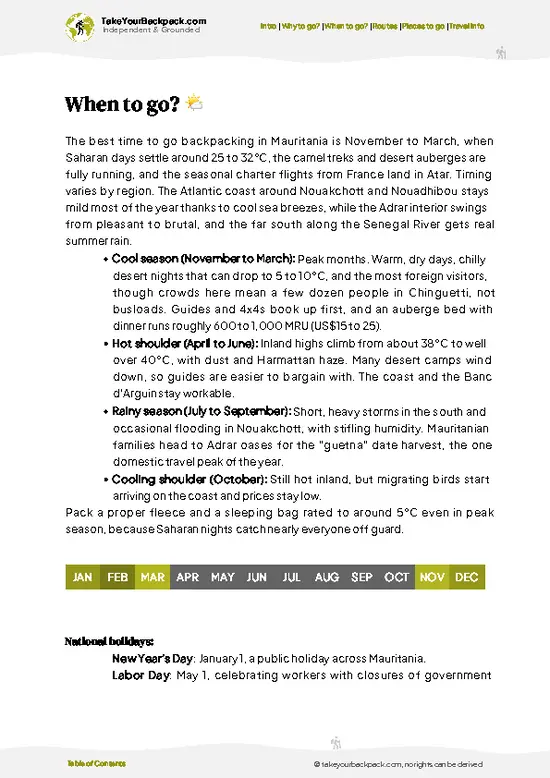
Climb to the highest point in the ruins and you’ll get a view that no filter can improve. The Sahara stretches out in every direction, a sea of stone and sand, with the modern village huddled below. It’s not pretty in the conventional sense—it’s harsh, elemental, and honest. The wind up here is relentless, and the sense of isolation is total. This is the kind of view that makes you feel small in the best possible way.
Salt Caravan Route Remnants
Ouadane was a nerve center for the trans-Saharan salt trade, and you can still spot the faint traces of caravan routes radiating from the old quarter. Look for the worn tracks and the occasional stone marker—these are the arteries that once connected West Africa to the Mediterranean. There’s no interpretive sign, no souvenir stand, just the ghost of commerce that shaped empires. Stand here and you’re tapping into a network older than most countries.
Unfiltered Human Connection
Here’s the real magic: you’re likely to be the only outsider wandering these ruins. Locals might offer a greeting or a story, not because they’re paid guides, but because they’re proud of their heritage. There’s no performance, no hustle—just genuine hospitality and a willingness to share. If you want to feel like you’ve stepped outside the global tourism machine, Ouadane delivers.
Forget the Instagram drone shots—Ouadane’s fortified quarter is a maze of crumbling stone, not a polished relic. The real thrill is getting lost in its alleys, where the walls lean in and the silence is broken only by the wind. You’ll find yourself ducking under collapsed lintels, brushing past centuries-old graffiti, and realizing that nobody’s curated this for tourists. It’s raw, unsanitized history. If you want a place that feels like it’s still keeping secrets, this is it.
The Ancient Mosque
No glossy restoration here—just the skeletal remains of a 12th-century mosque, its mihrab still pointing the way for the faithful. The stones are worn smooth by generations, and the sense of continuity is almost physical. Stand in the prayer hall at sunset and you’ll understand why this place mattered: it’s not about grandeur, but about endurance. The mosque is a reminder that Ouadane was once a spiritual and intellectual powerhouse, not just a waypoint in the desert.
The City Gates and Defensive Walls
You can still trace the outline of Ouadane’s original defenses, built to keep out raiders and sand alike. These aren’t the towering ramparts of European castles—think more battered, sun-bleached stone, patched and repatched over centuries. The gates are narrow, forcing you to squeeze through, and you can almost hear the echo of camel caravans arriving with salt and gold. The walls tell a story of survival, not showmanship.
Desert Vistas from the Upper Quarter
Climb to the highest point in the ruins and you’ll get a view that no filter can improve. The Sahara stretches out in every direction, a sea of stone and sand, with the modern village huddled below. It’s not pretty in the conventional sense—it’s harsh, elemental, and honest. The wind up here is relentless, and the sense of isolation is total. This is the kind of view that makes you feel small in the best possible way.
Salt Caravan Route Remnants
Ouadane was a nerve center for the trans-Saharan salt trade, and you can still spot the faint traces of caravan routes radiating from the old quarter. Look for the worn tracks and the occasional stone marker—these are the arteries that once connected West Africa to the Mediterranean. There’s no interpretive sign, no souvenir stand, just the ghost of commerce that shaped empires. Stand here and you’re tapping into a network older than most countries.
Unfiltered Human Connection
Here’s the real magic: you’re likely to be the only outsider wandering these ruins. Locals might offer a greeting or a story, not because they’re paid guides, but because they’re proud of their heritage. There’s no performance, no hustle—just genuine hospitality and a willingness to share. If you want to feel like you’ve stepped outside the global tourism machine, Ouadane delivers.
Spotted a mistake or missing something? Contact us.

Lifetime Adventure: 8-Day Private Tour to Mauritania

Tour in Mauritania

Nouakchott Explorer: Private Capital Tour

Adrar & Banc d'Arguin 10-Day Tour

The best of Nouadhibou walking tour

4-Day Mauritania Adventure & Culture

Mauritania eSIM (Instant Delivery)

The best of Rosso walking tour

The Best of Nouakchott Tour by Car


 Best Backpacking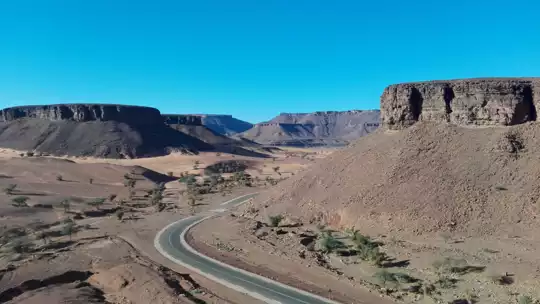
.jpg) Hi, I’m Johan (Netherlands 🇳🇱), the creator of TakeYourBackpack. Over the past 3 decades, I’ve backpacked through 90+ countries across six continents, gaining extensive experience with independent travel, long-term trips, and overland routes.
Hi, I’m Johan (Netherlands 🇳🇱), the creator of TakeYourBackpack. Over the past 3 decades, I’ve backpacked through 90+ countries across six continents, gaining extensive experience with independent travel, long-term trips, and overland routes.