

The Dodo Skeleton
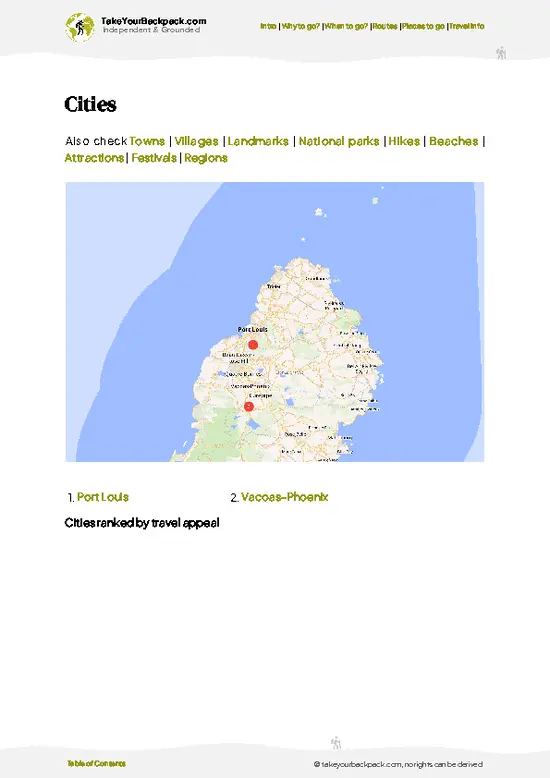
Let’s get real: you’re not coming to the Mauritius Natural History Museum for the air conditioning. You’re here for the dodo. The museum’s dodo skeleton isn’t just a local mascot—it’s a global icon of extinction, and seeing it in person is a gut-punch reminder that “never coming back” actually means something. Forget the cartoonish dodo you’ve seen on T-shirts; this is the real deal, bones and all, and it’s the closest you’ll ever get to meeting the world’s most famous vanished bird. The display is small, but the emotional impact is huge. If you only have ten minutes, make them count here.
The Giant Tortoise Shells
Mauritius once had its own giant tortoises, and the museum’s shells are a quiet eulogy to these lumbering legends. These aren’t just big—they’re prehistoric, with … read more 👉
Let’s get real: you’re not coming to the Mauritius Natural History Museum for the air conditioning. You’re here for the dodo. The museum’s dodo skeleton isn’t just a local mascot—it’s a global icon of extinction, and seeing it in person is a gut-punch reminder that “never coming back” actually means something. Forget the cartoonish dodo you’ve seen on T-shirts; this is the real deal, bones and all, and it’s the closest you’ll ever get to meeting the world’s most famous vanished bird. The display is small, but the emotional impact is huge. If you only have ten minutes, make them count here.
The Giant Tortoise Shells
Mauritius once had its own giant tortoises, and the museum’s shells are a quiet eulogy to these lumbering legends. These aren’t just big—they’re prehistoric, with … read more 👉
The Dodo Skeleton
Let’s get real: you’re not coming to the Mauritius Natural History Museum for the air conditioning. You’re here for the dodo. The museum’s dodo skeleton isn’t just a local mascot—it’s a global icon of extinction, and seeing it in person is a gut-punch reminder that “never coming back” actually means something. Forget the cartoonish dodo you’ve seen on T-shirts; this is the real deal, bones and all, and it’s the closest you’ll ever get to meeting the world’s most famous vanished bird. The display is small, but the emotional impact is huge. If you only have ten minutes, make them count here.
The Giant Tortoise Shells
Mauritius once had its own giant tortoises, and the museum’s shells are a quiet eulogy to these lumbering legends. These aren’t just big—they’re prehistoric, with a battered dignity that makes you want to reach out and apologize on behalf of humanity. No crowds jostling for selfies here; just you, a few faded shells, and the weight of lost time. It’s a sobering, oddly beautiful moment that Instagram can’t capture.
Marine Fossils and Ancient Fish
Skip the glossy brochures—this is where the museum’s age really shows, in the best way. The marine fossils and ancient fish specimens are displayed with a kind of old-school earnestness that feels like a time capsule from the 19th century. You’ll see jawbones the size of your arm and fossilized teeth that look like they could bite through a car tire. It’s not flashy, but it’s real, and it’s a reminder that the Indian Ocean has been a stage for drama long before humans showed up.
The Endemic Birds Exhibit
Mauritius is a graveyard and a sanctuary for birds you won’t find anywhere else. The museum’s taxidermy collection is a roll call of the island’s lost and surviving species. Some are gone forever; others are clinging on by a feather. The displays are old-fashioned, but if you care about conservation, this is where the story gets personal. You’ll walk out knowing the difference between a pink pigeon and a Mauritius kestrel—and why that matters.
Colonial-Era Cabinets and Victorian Vibes
Here’s the secret sauce: the museum itself is a relic. The creaky wooden floors, glass-fronted cabinets, and faded labels are straight out of a Sherlock Holmes fever dream. It’s not modern, and that’s the point. You’re not just looking at specimens; you’re stepping into a time when natural history was a hands-on adventure, not a digital slideshow. The atmosphere is half the experience—dust motes, echoes, and all.
Let’s get real: you’re not coming to the Mauritius Natural History Museum for the air conditioning. You’re here for the dodo. The museum’s dodo skeleton isn’t just a local mascot—it’s a global icon of extinction, and seeing it in person is a gut-punch reminder that “never coming back” actually means something. Forget the cartoonish dodo you’ve seen on T-shirts; this is the real deal, bones and all, and it’s the closest you’ll ever get to meeting the world’s most famous vanished bird. The display is small, but the emotional impact is huge. If you only have ten minutes, make them count here.
The Giant Tortoise Shells
Mauritius once had its own giant tortoises, and the museum’s shells are a quiet eulogy to these lumbering legends. These aren’t just big—they’re prehistoric, with a battered dignity that makes you want to reach out and apologize on behalf of humanity. No crowds jostling for selfies here; just you, a few faded shells, and the weight of lost time. It’s a sobering, oddly beautiful moment that Instagram can’t capture.
Marine Fossils and Ancient Fish
Skip the glossy brochures—this is where the museum’s age really shows, in the best way. The marine fossils and ancient fish specimens are displayed with a kind of old-school earnestness that feels like a time capsule from the 19th century. You’ll see jawbones the size of your arm and fossilized teeth that look like they could bite through a car tire. It’s not flashy, but it’s real, and it’s a reminder that the Indian Ocean has been a stage for drama long before humans showed up.
The Endemic Birds Exhibit
Mauritius is a graveyard and a sanctuary for birds you won’t find anywhere else. The museum’s taxidermy collection is a roll call of the island’s lost and surviving species. Some are gone forever; others are clinging on by a feather. The displays are old-fashioned, but if you care about conservation, this is where the story gets personal. You’ll walk out knowing the difference between a pink pigeon and a Mauritius kestrel—and why that matters.
Colonial-Era Cabinets and Victorian Vibes
Here’s the secret sauce: the museum itself is a relic. The creaky wooden floors, glass-fronted cabinets, and faded labels are straight out of a Sherlock Holmes fever dream. It’s not modern, and that’s the point. You’re not just looking at specimens; you’re stepping into a time when natural history was a hands-on adventure, not a digital slideshow. The atmosphere is half the experience—dust motes, echoes, and all.
Spotted a mistake or missing something? Contact us.
v2.webp)


Best Backpacking
Hi, I’m Johan (Netherlands 🇳🇱), the creator of TakeYourBackpack. Over the past decade, I’ve backpacked through 80+ countries across six continents, gaining extensive experience with independent travel, long-term trips, and overland routes.