The Main Gate and Stone Steps
Forget the Instagrammed angles—standing at the original entrance, you’re on the same stones where hundreds of thousands of indentured laborers first set foot in Mauritius. There’s no velvet rope, no staged drama. Just the raw, unvarnished reality of a place that changed the fate of families across continents. The steps are worn, uneven, and utterly ordinary—until you realize they’re the literal threshold between old worlds and new lives. If you want a photo, take it for yourself, not for likes.
The Immigration Depot Ruins
This isn’t some polished, airbrushed museum. The crumbling walls and exposed bricks are the real deal—remnants of the original depot where arrivals were processed, documented, and, in many cases, renamed. The sense of containment is palpable. … read more 👉
Forget the Instagrammed angles—standing at the original entrance, you’re on the same stones where hundreds of thousands of indentured laborers first set foot in Mauritius. There’s no velvet rope, no staged drama. Just the raw, unvarnished reality of a place that changed the fate of families across continents. The steps are worn, uneven, and utterly ordinary—until you realize they’re the literal threshold between old worlds and new lives. If you want a photo, take it for yourself, not for likes.
The Immigration Depot Ruins
This isn’t some polished, airbrushed museum. The crumbling walls and exposed bricks are the real deal—remnants of the original depot where arrivals were processed, documented, and, in many cases, renamed. The sense of containment is palpable. … read more 👉
The Main Gate and Stone Steps
Forget the Instagrammed angles—standing at the original entrance, you’re on the same stones where hundreds of thousands of indentured laborers first set foot in Mauritius. There’s no velvet rope, no staged drama. Just the raw, unvarnished reality of a place that changed the fate of families across continents. The steps are worn, uneven, and utterly ordinary—until you realize they’re the literal threshold between old worlds and new lives. If you want a photo, take it for yourself, not for likes.
The Immigration Depot Ruins
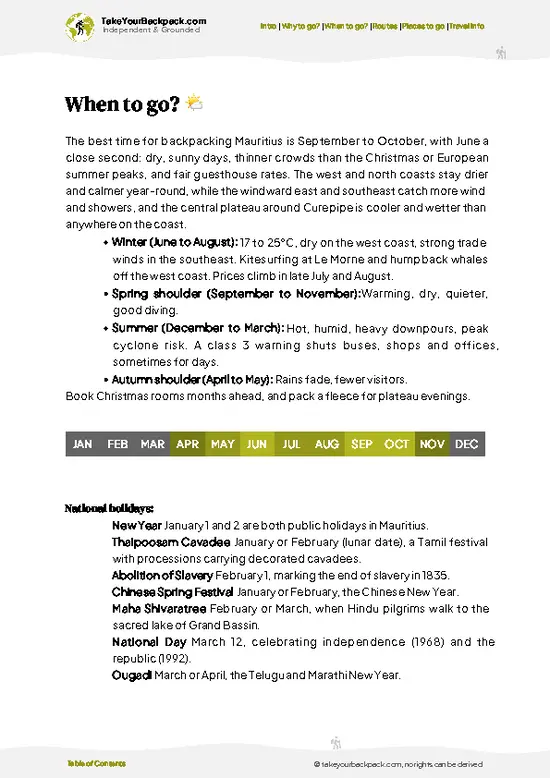
This isn’t some polished, airbrushed museum. The crumbling walls and exposed bricks are the real deal—remnants of the original depot where arrivals were processed, documented, and, in many cases, renamed. The sense of containment is palpable. You can almost hear the shuffle of feet and the nervous chatter of people who had no idea what tomorrow would bring. It’s not pretty, but it’s powerful. The authenticity here is non-negotiable.
The Interpretation Centre
Skip the generic “interactive display” expectations. The centre here is blunt, factual, and deeply human. You’ll see original registers, battered suitcases, and personal effects that survived generations. The exhibits don’t sugarcoat the hardship or the hope. The stories are told with a directness that’s rare in heritage sites—no melodrama, just the facts and the faces. If you’re looking for a place that respects your intelligence, this is it.
The Memorial Plaques
Names, dates, and sometimes just numbers. The memorials here are understated, but that’s the point. They force you to slow down and actually read, not just glance. Each plaque is a reminder that “mass migration” is made up of individual stories—some remembered, most not. It’s a sobering antidote to the selfie-stick crowd.
Guided Storytelling Tours
If you want the real magic, join a tour led by someone whose family history is tied to this place. These aren’t scripted, sanitized recitations. You’ll get personal anecdotes, sharp opinions, and sometimes uncomfortable truths about colonialism, identity, and survival. The guides here don’t perform—they testify. It’s the difference between reading a Wikipedia page and hearing a story that still matters.
The Waterfront View
Step outside and look at the harbor. It’s easy to forget, with all the history inside, that this was the first sight of Mauritius for so many. The view is industrial, not postcard-pretty, but that’s exactly why it works. You see the ships, the cranes, the endless horizon—and you understand, viscerally, what arrival and departure really meant. It’s a moment of perspective that no filter can improve.
Forget the Instagrammed angles—standing at the original entrance, you’re on the same stones where hundreds of thousands of indentured laborers first set foot in Mauritius. There’s no velvet rope, no staged drama. Just the raw, unvarnished reality of a place that changed the fate of families across continents. The steps are worn, uneven, and utterly ordinary—until you realize they’re the literal threshold between old worlds and new lives. If you want a photo, take it for yourself, not for likes.
The Immigration Depot Ruins
This isn’t some polished, airbrushed museum. The crumbling walls and exposed bricks are the real deal—remnants of the original depot where arrivals were processed, documented, and, in many cases, renamed. The sense of containment is palpable. You can almost hear the shuffle of feet and the nervous chatter of people who had no idea what tomorrow would bring. It’s not pretty, but it’s powerful. The authenticity here is non-negotiable.
The Interpretation Centre
Skip the generic “interactive display” expectations. The centre here is blunt, factual, and deeply human. You’ll see original registers, battered suitcases, and personal effects that survived generations. The exhibits don’t sugarcoat the hardship or the hope. The stories are told with a directness that’s rare in heritage sites—no melodrama, just the facts and the faces. If you’re looking for a place that respects your intelligence, this is it.
The Memorial Plaques
Names, dates, and sometimes just numbers. The memorials here are understated, but that’s the point. They force you to slow down and actually read, not just glance. Each plaque is a reminder that “mass migration” is made up of individual stories—some remembered, most not. It’s a sobering antidote to the selfie-stick crowd.
Guided Storytelling Tours
If you want the real magic, join a tour led by someone whose family history is tied to this place. These aren’t scripted, sanitized recitations. You’ll get personal anecdotes, sharp opinions, and sometimes uncomfortable truths about colonialism, identity, and survival. The guides here don’t perform—they testify. It’s the difference between reading a Wikipedia page and hearing a story that still matters.
The Waterfront View
Step outside and look at the harbor. It’s easy to forget, with all the history inside, that this was the first sight of Mauritius for so many. The view is industrial, not postcard-pretty, but that’s exactly why it works. You see the ships, the cranes, the endless horizon—and you understand, viscerally, what arrival and departure really meant. It’s a moment of perspective that no filter can improve.
Spotted a mistake or missing something? Contact us.
v2.webp)


Best Backpacking
Hi, I’m Johan (Netherlands 🇳🇱), the creator of TakeYourBackpack. Over the past decade, I’ve backpacked through 80+ countries across six continents, gaining extensive experience with independent travel, long-term trips, and overland routes.