

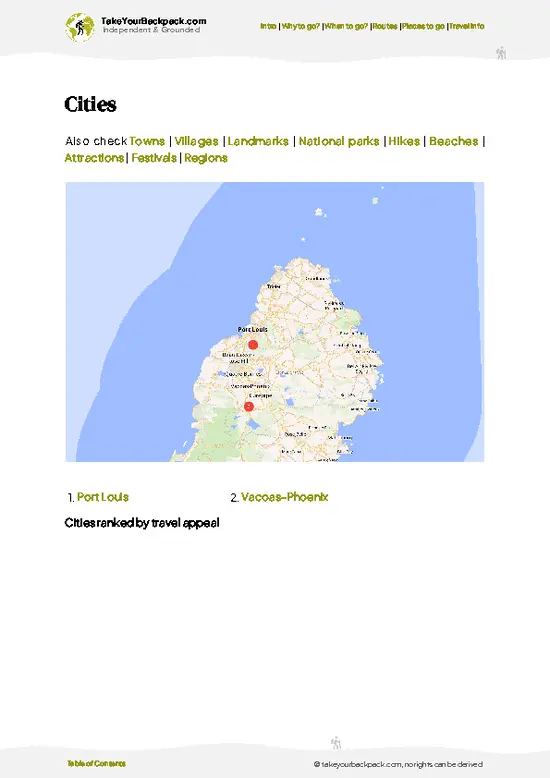
The World’s First Cameras—Up Close
Forget the digital age for a second. Here, you’re face-to-face with the earliest cameras ever made—wooden boxes, brass lenses, and all. These aren’t just relics; they’re the ancestors of every selfie you’ve ever taken. The museum’s collection includes daguerreotypes and other 19th-century originals, some so rare you’ll never see them outside a specialist auction. If you want to understand how photography began, this is the real deal—no glass cases, no velvet ropes, just raw, tactile history.
Historic Photos of Mauritius—The Island Before the Resorts
You’ll see Mauritius as it looked before the era of all-inclusive hotels and honeymoon hashtags. The museum’s archive of original photographs—some dating back to the 1840s—shows street scenes, sugar cane fields, … read more 👉
Forget the digital age for a second. Here, you’re face-to-face with the earliest cameras ever made—wooden boxes, brass lenses, and all. These aren’t just relics; they’re the ancestors of every selfie you’ve ever taken. The museum’s collection includes daguerreotypes and other 19th-century originals, some so rare you’ll never see them outside a specialist auction. If you want to understand how photography began, this is the real deal—no glass cases, no velvet ropes, just raw, tactile history.
Historic Photos of Mauritius—The Island Before the Resorts
You’ll see Mauritius as it looked before the era of all-inclusive hotels and honeymoon hashtags. The museum’s archive of original photographs—some dating back to the 1840s—shows street scenes, sugar cane fields, … read more 👉
The World’s First Cameras—Up Close
Forget the digital age for a second. Here, you’re face-to-face with the earliest cameras ever made—wooden boxes, brass lenses, and all. These aren’t just relics; they’re the ancestors of every selfie you’ve ever taken. The museum’s collection includes daguerreotypes and other 19th-century originals, some so rare you’ll never see them outside a specialist auction. If you want to understand how photography began, this is the real deal—no glass cases, no velvet ropes, just raw, tactile history.
Historic Photos of Mauritius—The Island Before the Resorts
You’ll see Mauritius as it looked before the era of all-inclusive hotels and honeymoon hashtags. The museum’s archive of original photographs—some dating back to the 1840s—shows street scenes, sugar cane fields, and portraits of locals from a time when the island was a colonial crossroads. These images aren’t curated for tourists; they’re raw, sometimes gritty, and always honest. It’s a rare chance to see the island’s real face, not the one airbrushed for travel brochures.
Vintage Postcards and Ephemera—A Lost Art of Communication
There’s a wall of postcards here that’s basically a time machine. You’ll find hand-tinted scenes, quirky colonial advertisements, and messages scribbled in looping script. It’s a reminder that travel used to mean sending a physical piece of your journey home, not just uploading a story. The sheer variety—some funny, some poignant—makes you realize how much personality we’ve lost to digital convenience.
Antique Studio Equipment—The Theater Behind the Lens
Step behind the scenes of a 19th-century photo studio. The museum’s collection of antique backdrops, props, and lighting gear shows just how much effort went into a single portrait. Think: painted canvases of tropical jungles, elaborate wooden posing stands, and lighting contraptions that look more like steampunk art than anything you’d find in a camera shop today. It’s a hands-on lesson in creativity before Photoshop.
The Owners—Living Encyclopedias of Photography
This isn’t some sterile institution run by bored staff. The museum is a passion project, and if you’re lucky, you’ll meet the owners—true obsessives who know every story behind every artifact. They’ll tell you about the Mauritian photographer who documented the island’s first railway, or the Frenchman who smuggled in a camera when it was still a novelty. Their enthusiasm is contagious, and their stories are better than any audio guide.
Rare Books and Manuals—Photography’s Secret Recipes
Tucked among the cameras and prints are shelves of original manuals, chemistry books, and how-to guides from the dawn of photography. These aren’t just for show; you can actually leaf through some of them. If you’re the kind of person who wants to know how silver nitrate changed the world, or why early photographers risked explosions for a good shot, this is your playground.
Forget the digital age for a second. Here, you’re face-to-face with the earliest cameras ever made—wooden boxes, brass lenses, and all. These aren’t just relics; they’re the ancestors of every selfie you’ve ever taken. The museum’s collection includes daguerreotypes and other 19th-century originals, some so rare you’ll never see them outside a specialist auction. If you want to understand how photography began, this is the real deal—no glass cases, no velvet ropes, just raw, tactile history.
Historic Photos of Mauritius—The Island Before the Resorts
You’ll see Mauritius as it looked before the era of all-inclusive hotels and honeymoon hashtags. The museum’s archive of original photographs—some dating back to the 1840s—shows street scenes, sugar cane fields, and portraits of locals from a time when the island was a colonial crossroads. These images aren’t curated for tourists; they’re raw, sometimes gritty, and always honest. It’s a rare chance to see the island’s real face, not the one airbrushed for travel brochures.
Vintage Postcards and Ephemera—A Lost Art of Communication
There’s a wall of postcards here that’s basically a time machine. You’ll find hand-tinted scenes, quirky colonial advertisements, and messages scribbled in looping script. It’s a reminder that travel used to mean sending a physical piece of your journey home, not just uploading a story. The sheer variety—some funny, some poignant—makes you realize how much personality we’ve lost to digital convenience.
Antique Studio Equipment—The Theater Behind the Lens
Step behind the scenes of a 19th-century photo studio. The museum’s collection of antique backdrops, props, and lighting gear shows just how much effort went into a single portrait. Think: painted canvases of tropical jungles, elaborate wooden posing stands, and lighting contraptions that look more like steampunk art than anything you’d find in a camera shop today. It’s a hands-on lesson in creativity before Photoshop.
The Owners—Living Encyclopedias of Photography
This isn’t some sterile institution run by bored staff. The museum is a passion project, and if you’re lucky, you’ll meet the owners—true obsessives who know every story behind every artifact. They’ll tell you about the Mauritian photographer who documented the island’s first railway, or the Frenchman who smuggled in a camera when it was still a novelty. Their enthusiasm is contagious, and their stories are better than any audio guide.
Rare Books and Manuals—Photography’s Secret Recipes
Tucked among the cameras and prints are shelves of original manuals, chemistry books, and how-to guides from the dawn of photography. These aren’t just for show; you can actually leaf through some of them. If you’re the kind of person who wants to know how silver nitrate changed the world, or why early photographers risked explosions for a good shot, this is your playground.
Spotted a mistake or missing something? Contact us.
v2.webp)


Best Backpacking
Hi, I’m Johan (Netherlands 🇳🇱), the creator of TakeYourBackpack. Over the past decade, I’ve backpacked through 80+ countries across six continents, gaining extensive experience with independent travel, long-term trips, and overland routes.