×
Gobi Gurvansaikhan National Park

Mongolia🇲🇳 | national parksGobi Gurvansaikhan National Parksand dunes, ice canyon, wild argali sheep | things to do and best time to go

Explore Altai Tavan Bogd National ParkExplore Hustai National Park

Backpacking in Gobi Gurvansaikhan
🏆 Top picknational park ranked #1
By Johan Kruseman 🇳🇱 | Updated May 19, 2026

Most summaries sell Gobi Gurvansaikhan as endless flat desert, but the part that actually hits you is how mountainous it is: real ridgelines, slot-like canyons, and a glacier-fed ice gorge that can feel colder than a lot of “alpine” hikes.

Gobi Gurvansaikhan National Park sprawls across the southern edge of Mongolia in Ömnögovi Province, basically the backbone of the South Gobi circuit. For backpackers, it’s a trade: huge, cinematic dunes, rocky hikes around Yolyn Am and Dungenee canyons, wild camels and ibex if you’re lucky, but almost zero spontaneity. You need a jeep, a driver, and usually a guide; public transport is patchy, trails aren’t really marked, and “entrance fees” are small but multiplied by separate sites and local checkpoints. Camping is easy in theory but exposed and windy; most budget travelers end up in simple ger camps that feel more like rustic motels than wilderness. Compared with Khustain or Terelj, Gobi Gurvansaikhan is harsher, emptier, more expensive per day, but also the place where you actually feel how big Mongolia is.

Discover everything you want to know in the 📖 Mongolia Travel Guide.


Get your Mongolia guide
70 ranked highlights, routes & tips, works offline (280 pages)
Loading the map 🌍
CLICK TO FILTER
cities
towns
villages
landmarks
national parks
hikes
attractions
festivals
regions
SHOW COUNTRY’S BESTSHOW ALL

✨ Why go?
Ranked #1 national park in Mongolia
Why visitors keep coming back

Gobi Gurvansaikhan National Park draws backpackers for several compelling reasons. First, the independent exploration is a major draw. You can roam vast landscapes without the constraints of a guided tour, allowing for spontaneous adventures. The park’s trail variety caters to all levels, from easy walks to challenging hikes, ensuring you can tailor your experience to your skill level and energy.

Budget-conscious travelers appreciate the camping options available. Pitch your tent under the stars or find affordable hostels nearby that offer a cozy place to recharge. This flexibility keeps costs low while maximizing your experience.

Self-guided travelers thrive here. The park is well-marked, making navigation straightforward, but be prepared for the occasional surprise. Water sources can … read more 👉
Gobi Gurvansaikhan National Park draws backpackers for several compelling reasons. First, the independent exploration is a major draw. You can roam vast landscapes without the constraints of a guided tour, allowing for spontaneous adventures. The park’s trail variety caters to all levels, from easy walks to challenging hikes, ensuring you can tailor your experience to your skill level and energy.

Budget-conscious travelers appreciate the camping options available. Pitch your tent under the stars or find affordable hostels nearby that offer a cozy place to recharge. This flexibility keeps costs low while maximizing your experience.

Self-guided travelers thrive here. The park is well-marked, making navigation straightforward, but be prepared for the occasional surprise. Water sources can be scarce, so carry enough for your journey.

Lastly, the stunning landscapes—from sand dunes to rugged mountains—provide a backdrop that feels untouched. This is where you can truly connect with nature, away from the hustle of commercial tourism. By choosing Gobi Gurvansaikhan, you’re investing in authentic experiences that resonate long after your trip ends.
Want to include Gobi Gurvansaikhan National Park in your Mongolia route?
Create a personalized Mongolia itinerary that includes Gobi Gurvansaikhan National Park and the places that fit your trip — based on your travel style, budget, and available time. Get your route in seconds.

Generate my trip

💡 HighlightsKey sights and experiences for travelers

  • Khongoryn Els (the ”Singing” Dunes) — A vast sea of sand that makes a weird, booming sound when the wind or your feet shift the dunes; climb the ridge for panoramic desert-sunset views, try a short camel trek or sandboard down a slope, and stay for the insane star-filled night. (Personal favorite.)
  • Yolyn Am (Vulture Gorge / Ice Gorge) — A narrow, dramatic gorge cut into the Gurvan Saikhan range that often holds perennial ice even in summer; great contrast to the surrounding desert and a top spot for seeing lammergeiers/bearded vultures and mountain scenery without a long hike.
  • Bayanzag (Flaming Cliffs) — Bright red sandstone cliffs that glow at sunrise and sunset and where important dinosaur fossils were first dug up; excellent for photography, short walks, and imagining the place teeming
read more 👉
  • Khongoryn Els (the ”Singing” Dunes) — A vast sea of sand that makes a weird, booming sound when the wind or your feet shift the dunes; climb the ridge for panoramic desert-sunset views, try a short camel trek or sandboard down a slope, and stay for the insane star-filled night. (Personal favorite.)
  • Yolyn Am (Vulture Gorge / Ice Gorge) — A narrow, dramatic gorge cut into the Gurvan Saikhan range that often holds perennial ice even in summer; great contrast to the surrounding desert and a top spot for seeing lammergeiers/bearded vultures and mountain scenery without a long hike.
  • Bayanzag (Flaming Cliffs) — Bright red sandstone cliffs that glow at sunrise and sunset and where important dinosaur fossils were first dug up; excellent for photography, short walks, and imagining the place teeming with prehistoric life.
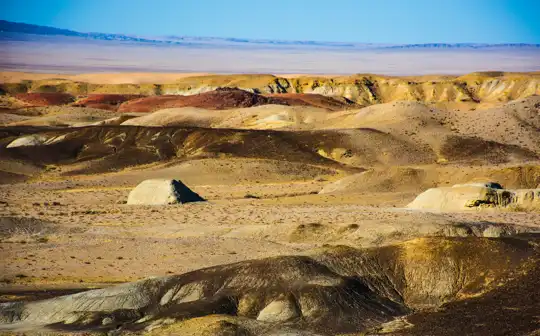
  • Tsagaan Suvarga (White Stupa) — A bleached, toothy cliff formation carved by wind and rain into layered textures and colors; it feels otherworldly, is super photogenic, and offers easy scrambling and viewpoint walks without a long trek.
  • Gurvan Saikhan mountain hikes (Three Beauties range) — Alpine ridges, pockets of green meadows and rocky outcrops that give real elevation and cooler air in the Gobi; good day-hiking options and peaceful summit viewpoints away from the main tourist spots.
  • Wildlife and birding hotspots — Keep an eye out for Siberian ibex, argali sheep, marmots, foxes, steppe eagles and vultures; early morning or late afternoon drives and short walks around waterholes or ravines are the best times to spot animals.
  • Desert landscapes after dark (camping/ger stays) — Not a single landmark but a highlight: the Gobi’s night sky, bonfires at budget ger camps, and quiet desert dawns are unforgettable—perfect for cheap, local stays and wild camping if you’re set up for it.
Spotted a mistake or missing something? Contact us.

🌤️ When to go?Best time to explore Gobi Gurvansaikhan


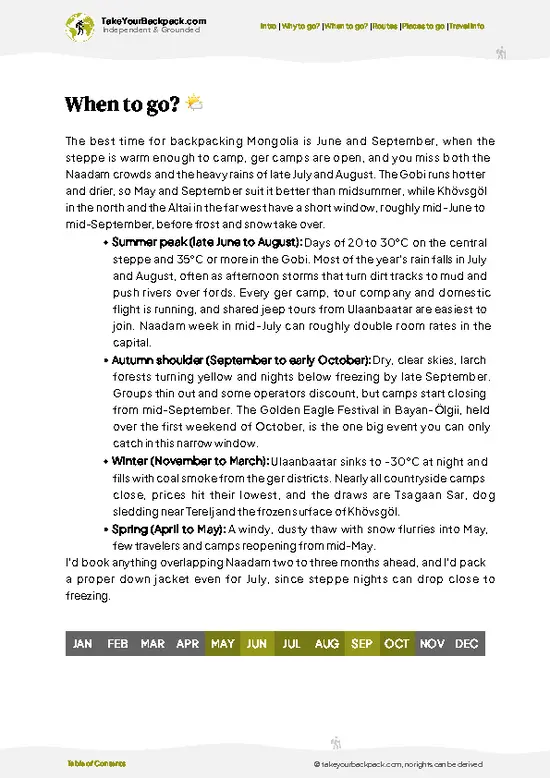
  • Weather: The best window is late spring through early autumn, roughly May to September. Outside this, temperatures plunge sharply, and sudden storms can hit. Winter is brutal, often dropping below -20°C (-4°F), which is a no-go for most backpackers.

  • Temperature: Summer days hover around 20-25°C (68-77°F), comfortable for hiking. Nights can still be chilly, dipping to 5-10°C (41-50°F), so pack layers. Early spring and late autumn bring more extreme swings, with daytime highs barely reaching 10°C (50°F).

  • Daylight Hours: Summer offers long days—up to 15 hours of daylight—maximizing your trekking time. In contrast, winter days shrink to about 8 hours, limiting exploration and increasing cold exposure risks.

  • Crowds: The park is remote, so crowds are never overwhelming. However, July and
read more 👉

  • Weather: The best window is late spring through early autumn, roughly May to September. Outside this, temperatures plunge sharply, and sudden storms can hit. Winter is brutal, often dropping below -20°C (-4°F), which is a no-go for most backpackers.

  • Temperature: Summer days hover around 20-25°C (68-77°F), comfortable for hiking. Nights can still be chilly, dipping to 5-10°C (41-50°F), so pack layers. Early spring and late autumn bring more extreme swings, with daytime highs barely reaching 10°C (50°F).

  • Daylight Hours: Summer offers long days—up to 15 hours of daylight—maximizing your trekking time. In contrast, winter days shrink to about 8 hours, limiting exploration and increasing cold exposure risks.

  • Crowds: The park is remote, so crowds are never overwhelming. However, July and August see a slight uptick due to local holidays and tour groups. Visiting just before or after this peak avoids the few crowds and often yields better deals.

  • Seasonal Activities: Summer is prime for hiking, wildlife spotting, and camel treks. Spring and autumn offer wildflower blooms and migrating birds but come with unpredictable weather. Winter activities are minimal and require specialized gear.

  • Price Fluctuations: Expect higher prices for guides, transport, and accommodation in peak summer months. Booking in shoulder seasons like May or September can save money without sacrificing too much on weather or daylight.


Pro-tip: Aim for late May or early September—this sweet spot balances decent weather, fewer crowds, and better prices, letting you stretch your energy and budget where it counts: deep in the Gobi’s wild heart.


source: climatestotravel.comJANJanuary: below average for travelingFEBFebruary: below average for travelingMARMarch: fair for travelingAPRApril: good for travelingMAYMay: highly recommended for travelingJUNJune: excellent for travelingJULJuly: highly recommended for travelingAUGAugust: highly recommended for travelingSEPSeptember: highly recommended for travelingOCTOctober: good for travelingNOVNovember: fair for travelingDECDecember: below average for traveling
Mongolia - Gobi Gurvansaikhan National Park

✈️ The backpacker research shortcutMongolia Travel Guide

An offline-friendly backpacking guide with optimized travel routes, ranked highlights, transport advice, and the best areas to stay.
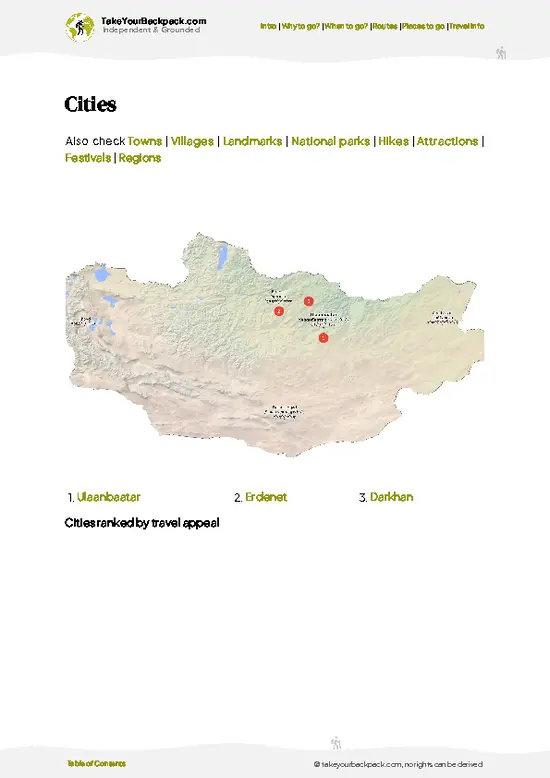
example page 0 from our offline Travel Guide for Mongolia
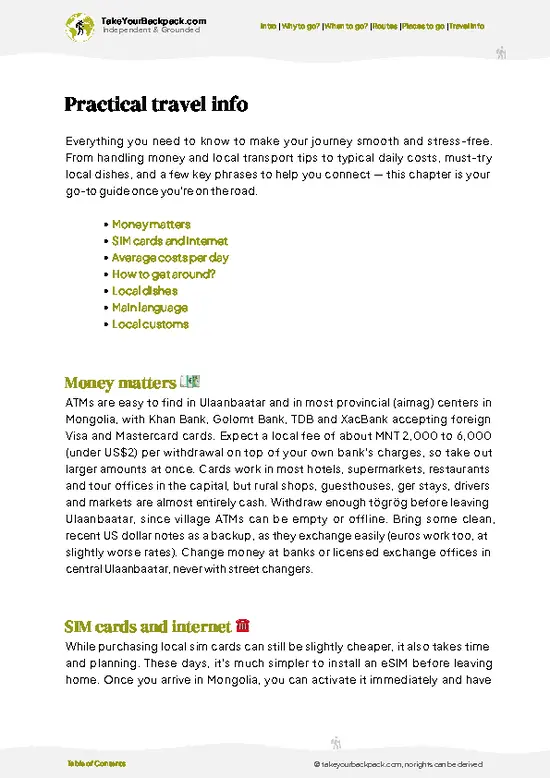
example page 1 from our offline Travel Guide for Mongolia
example page 2 from our offline Travel Guide for Mongolia
example page 3 from our offline Travel Guide for Mongolia
example page 4 from our offline Travel Guide for Mongolia
example page 5 from our offline Travel Guide for Mongolia
example page 6 from our offline Travel Guide for Mongolia
example page 7 from our offline Travel Guide for Mongolia
The digital guide (280 pages) contains:
70 highlights, ranked by travel appeal
Optimized 7, 14 & 21-day travel routes
Cities, national parks, landmarks, beaches
How to get around
Offline-friendly for travel without Wi-Fi
👉 Click to see all 30+ guide features

📅 Plan smarter in minutes, not weeks
Month by month travel advice
Festivals & national holidays
Budget expectations

🗺️ Go to the right places, skip the overrated ones
Honest pros & cons of destinations
Top hikes, parks & viewpoints
Lesser-known places most travelers miss
Clear “worth it vs skip it” guidance

🛏️ Travel smoothly without rookie mistakes
Best areas to stay
Transport systems explained simply
Common scams & safety advice
SIM cards, money & practical tips

🌍 Understand the country, not just visit it
Culture & traditions
52 Essential phrases & customs
Festivals worth planning around
Traveler-friendly historical context
Insights that make places more meaningful

📱 Built for real travel conditions
Fully downloadable PDF
Works completely offline
Optimized for phone use
Useful in remote areas & buses
Everything in one place
Save weeks of stressful planning
Get instant access to your full guide. 30‑day money-back guarantee.


By proceeding you agree to our terms.
Sent to your inbox immediately after payment • 100% Secure Checkout
Best Backpacking Travel Advisor 2025 tourism awardBest Backpacking
Travel Advisor
2025
What others say about Take Your Backpack Guides:
⭐⭐⭐⭐⭐
Fantastic, amazing amount of information!
⭐⭐⭐⭐⭐
My goodness this is amazing, it's what I've been looking for hats off too you!
⭐⭐⭐⭐⭐
I think this is absolutely BRILLIANT
⭐⭐⭐⭐
Very complete and informative. It's still missing places, but I gotta to commend you
⭐⭐⭐⭐⭐
This is truly amazing, thank you, can't wait to explore it with my kids!
⭐⭐⭐⭐⭐
Awesome resource, thank you!
⭐⭐⭐⭐⭐
This is amazing! Can't wait to explore the ones I haven't seen
⭐⭐⭐⭐
I love this! Well done, great idea.
⭐⭐⭐⭐⭐
Thanks for taking the time to make this gem!
⭐⭐⭐⭐⭐
This might be the best website I've ever seen.
⭐⭐⭐⭐⭐
Congratulations, and thank you so much for your work; it's incredibly valuable.
⭐⭐⭐⭐
In all seriousness I think you did a great job pointing out the important spots
⭐⭐⭐⭐⭐
10/10 very good
⭐⭐⭐⭐⭐
As someone who's only just starting to visit regularly this is awesome, thank you.
⭐⭐⭐⭐
Thank you very much! I'm going to visit my dad, it's going to be very useful!
⭐⭐⭐⭐⭐
This is really cool! We'll be travelling for the first time and this definitely come in handy.
⭐⭐⭐⭐⭐
You are now our minister of culture, congratulations 👨‍💼
⭐⭐⭐⭐⭐
Just wanted to tell you that this is a pearl! Going to follow your recommendations.
⭐⭐⭐⭐⭐
This is so cool. I'll definitely be using the resource for my travels soon.
⭐⭐⭐⭐⭐
This is very impressive! Good work.
⭐⭐⭐⭐⭐
This is an amazing and informative site. Very well done!

🛏️ Where to stay?Best areas and accommodation options

Gobi Gurvansaikhan National Park is a vast, rugged expanse, and finding the right place to stay can make or break your experience. Inside the park, options are limited. You won’t find luxury resorts, but you can camp or stay in basic ger camps. These traditional Mongolian tents offer a unique experience, often with meals included. Just be prepared for basic amenities and the possibility of sharing space with fellow travelers.

If you prefer more comfort, head to the nearby town of Dalanzadgad. It’s your best bet for a wider range of accommodations, from guesthouses to small hotels. Prices are … read more 👉
Gobi Gurvansaikhan National Park is a vast, rugged expanse, and finding the right place to stay can make or break your experience. Inside the park, options are limited. You won’t find luxury resorts, but you can camp or stay in basic ger camps. These traditional Mongolian tents offer a unique experience, often with meals included. Just be prepared for basic amenities and the possibility of sharing space with fellow travelers.

If you prefer more comfort, head to the nearby town of Dalanzadgad. It’s your best bet for a wider range of accommodations, from guesthouses to small hotels. Prices are reasonable, but book ahead during peak season, as options fill up quickly.

Another option is to look for tour operators who offer packages that include lodging and guided tours. This can save you time and hassle, but check reviews to ensure you’re not overpaying for the experience.

Be mindful of transportation costs. Getting to the park from Dalanzadgad can add up, especially if you opt for private transfers. Public transport is cheaper but less reliable. Plan accordingly to keep your budget intact for the adventures that await in the stunning landscapes of the Gobi.

👛 Costs (as of 10 July 2025)Travel costs and budget guide for Gobi Gurvansaikhan

Visiting Gobi Gurvansaikhan National Park in Mongolia can be a rewarding experience, but it’s essential to be aware of the costs involved to avoid surprises.

Entry fees to the park typically range from $5 to $10 USD per person. This fee grants you access to the stunning landscapes and unique wildlife. However, if you plan to camp or stay overnight, expect to pay an additional fee, usually around $10 to $20 USD per night for camping permits.

Transportation can be a significant expense. If you’re traveling from Ulaanbaatar, a shared jeep ride to the park can cost between $50 and $100 USD, depending on the season and demand. Private transfers are more expensive, often exceeding $200 USD.

Accommodation options vary widely. Basic guesthouses in nearby towns might charge around $15 to $30 USD … read more 👉
Visiting Gobi Gurvansaikhan National Park in Mongolia can be a rewarding experience, but it’s essential to be aware of the costs involved to avoid surprises.

Entry fees to the park typically range from $5 to $10 USD per person. This fee grants you access to the stunning landscapes and unique wildlife. However, if you plan to camp or stay overnight, expect to pay an additional fee, usually around $10 to $20 USD per night for camping permits.

Transportation can be a significant expense. If you’re traveling from Ulaanbaatar, a shared jeep ride to the park can cost between $50 and $100 USD, depending on the season and demand. Private transfers are more expensive, often exceeding $200 USD.

Accommodation options vary widely. Basic guesthouses in nearby towns might charge around $15 to $30 USD per night. If you prefer a more comfortable stay, eco-lodges can cost anywhere from $50 to $100 USD per night.

Food is generally affordable, with local meals costing around $5 to $10 USD. However, if you’re in a more remote area, prices can spike, so it’s wise to stock up on supplies in larger towns before heading into the park.

Guided tours can enhance your experience but come at a cost. Expect to pay between $50 and $150 USD per day for a guide, depending on the level of service and inclusivity of meals and transportation.

Plan your budget carefully. Factor in these costs to ensure you have enough for the experiences that truly matter.
⚠️ Prices can change and everyone travels differently, so take this as a rough guide. Hope it helps you plan your adventure!

🥾 TrailsTrail guide for Gobi Gurvansaikhan national park

The hiking opportunities in Gobi Gurvansaikhan National Park are nothing short of breathtaking. Picture vast, rugged landscapes where the Gobi Desert meets stunning mountain ranges. You’ll find dramatic cliffs, deep canyons, and unique rock formations that look like they belong in a sci-fi movie. Wildlife is abundant, too; keep an eye out for the elusive snow leopard or the wild Bactrian camel. The terrain varies from sandy dunes to rocky paths, making it a mixed bag of challenges.

There are some designated trails, and one of the notable ones is the Gobi Gurvansaikhan Trail. Here are the details:
  • Length:
read more 👉
The hiking opportunities in Gobi Gurvansaikhan National Park are nothing short of breathtaking. Picture vast, rugged landscapes where the Gobi Desert meets stunning mountain ranges. You’ll find dramatic cliffs, deep canyons, and unique rock formations that look like they belong in a sci-fi movie. Wildlife is abundant, too; keep an eye out for the elusive snow leopard or the wild Bactrian camel. The terrain varies from sandy dunes to rocky paths, making it a mixed bag of challenges.

There are some designated trails, and one of the notable ones is the Gobi Gurvansaikhan Trail. Here are the details:
  • Length: 30 km
  • Estimated Duration: 2-3 days
  • Difficulty Level: Moderate
  • Key Features: Stunning views of the Gobi Desert, unique rock formations, and opportunities to spot wildlife.
  • Terrain: A mix of sandy paths, rocky outcrops, and occasional steep sections.

Getting to the park can be a bit of an adventure itself. Public transport options include taking a bus from Ulaanbaatar to Dalanzadgad, the nearest town. From there, you can grab a taxi or arrange for a tour to the park. It’s not overly crowded, which is a bonus for those looking to escape the hustle and bustle. Just keep in mind that there’s usually an entrance fee, so be prepared with some cash. Overall, it’s a fantastic spot for those who enjoy a little solitude and stunning scenery.
⚠️ Hiking info can sometimes be outdated or inaccurate. Before you hit the trail, check the latest conditions with locals. If you do spot anything that's off, I'd love to hear from you, so I can update it for fellow travelers.

🛡️ SafetyScams, Hazards, and Annoyances

Gobi Gurvansaikhan National Park offers a rugged beauty that can be both exhilarating and challenging. Weather can shift rapidly, so be prepared for sun, wind, and sudden temperature drops. Layering is your best friend; pack a lightweight, waterproof jacket and thermal layers.

The terrain varies from flat expanses to steep, rocky sections. Navigation can be tricky, especially if you stray from well-marked trails. A good map and a reliable GPS device are essential. Footing can be uneven, so sturdy hiking boots with good grip will save you from slips.

Wildlife encounters are rare but possible. If you spot a gazelle or a wild horse, keep your distance and observe quietly. They’re skittish and should remain undisturbed.

First-timers often underestimate the park’s vastness. Plan your hikes with … read more 👉
Gobi Gurvansaikhan National Park offers a rugged beauty that can be both exhilarating and challenging. Weather can shift rapidly, so be prepared for sun, wind, and sudden temperature drops. Layering is your best friend; pack a lightweight, waterproof jacket and thermal layers.

The terrain varies from flat expanses to steep, rocky sections. Navigation can be tricky, especially if you stray from well-marked trails. A good map and a reliable GPS device are essential. Footing can be uneven, so sturdy hiking boots with good grip will save you from slips.

Wildlife encounters are rare but possible. If you spot a gazelle or a wild horse, keep your distance and observe quietly. They’re skittish and should remain undisturbed.

First-timers often underestimate the park’s vastness. Plan your hikes with ample daylight in mind, and don’t rush. Respect the land and fellow hikers by following Leave No Trace principles. This way, you’ll preserve the park’s spirit while enjoying its wild heart.

Other Mongolian national parks near Gobi Gurvansaikhan

Explore more nearby:


💡 Not sure where to go next?
Create a personalized itinerary for Mongolia including Gobi Gurvansaikhan and the places that fit your trip.

Generate my itinerary

👉 Discover all national parks

Or checkout all Mongolia has to offer (think cities, towns, villages, national parks, hikes, beaches, festivals)
Country photo of Mongolia

We 💚 feedbackIs it worth it?

The Gobi Gurvansaikhan National Park is a breathtaking expanse where the vastness of the desert meets rugged mountains. You’ll find solitude and stunning landscapes that feel untouched. But here’s the kicker: the remoteness can be a double-edged sword. Supplies are limited, and services can be sparse, so come prepared. Embrace the challenge; it’s part of the adventure. Just know that planning ahead will keep your energy focused on the awe-inspiring moments, not the logistics.

✈️ When did I visit Mongolia?
As part of my 1.5 year travel around the world trip, I visited Mongolia in July 2015. After a month of horse-riding and hitch-hiking I took the TransMongolia express to China.

✍️ Help improve this page!
The information on this page is based on my own backpacking experience in Mongolia, supplemented with up-to-date research and feedback from other travelers. Travel details can change, so if you notice anything outdated or incomplete, feel free to let me know.


🙋‍♂️ Give feedback

👋 Meet the founderWho’s Behind Take Your Backpack?

Johan, backpacker and founder of TakeYourBackpackHi, I’m Johan (Netherlands 🇳🇱), the creator of TakeYourBackpack. Over the past decade, I’ve backpacked through 80+ countries across six continents, gaining extensive experience with independent travel, long-term trips, and overland routes.

This site is built on a combination of firsthand travel experience and carefully curated insights from other backpackers. Many guides are based on places I’ve personally visited, while others bring together tips, observations, and practical advice shared by trusted travelers I’ve met along the way.

The goal is to provide realistic, experience-driven guidance — not generic itineraries — so you can explore destinations with better context, clearer expectations, and more confidence.

Get full Mongolia guide •
Instant download • 70 highlights • Full Offline guide