
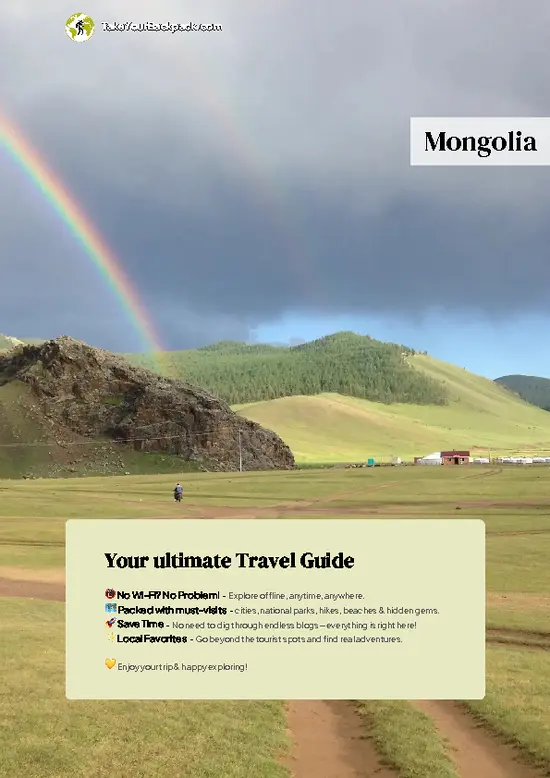
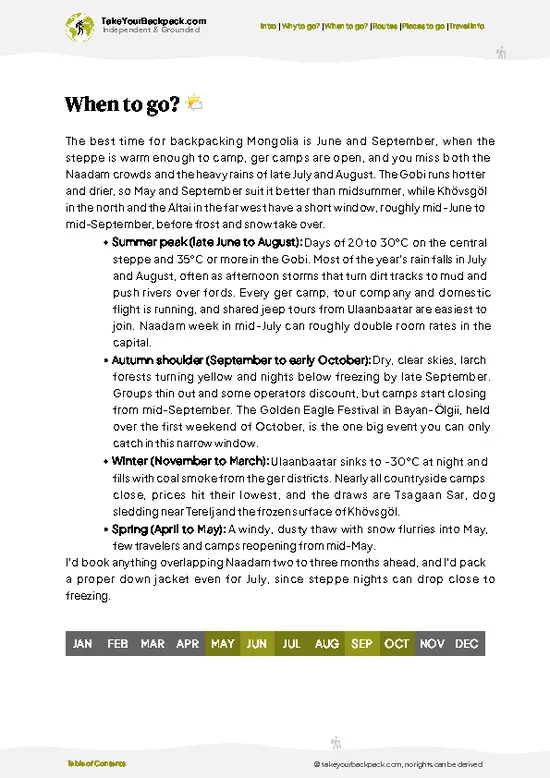
1. The Socialist Realism Hall
Let’s get real: you’re not coming here for a generic parade of landscapes. The Socialist Realism Hall is the gallery’s time capsule—Mongolia’s 20th-century identity, painted in broad, unapologetic strokes. Expect heroic workers, idealized herders, and a visual tug-of-war between Soviet influence and Mongolian pride. It’s propaganda, sure, but it’s also a crash course in how a nation wrestled with modernity. You’ll leave with a head full of questions and a new respect for the power of art as a political weapon.
2. Contemporary Mongolian Art
This is where the Instagrammers get confused and the real magic starts. The contemporary wing is a wild, unpredictable ride—think shamanic symbolism colliding with pop art, or traditional calligraphy twisted into graffiti. … read more 👉
1. The Socialist Realism Hall
Let’s get real: you’re not coming here for a generic parade of landscapes. The Socialist Realism Hall is the gallery’s time capsule—Mongolia’s 20th-century identity, painted in broad, unapologetic strokes. Expect heroic workers, idealized herders, and a visual tug-of-war between Soviet influence and Mongolian pride. It’s propaganda, sure, but it’s also a crash course in how a nation wrestled with modernity. You’ll leave with a head full of questions and a new respect for the power of art as a political weapon.
2. Contemporary Mongolian Art
This is where the Instagrammers get confused and the real magic starts. The contemporary wing is a wild, unpredictable ride—think shamanic symbolism colliding with pop art, or traditional calligraphy twisted into graffiti. Mongolian artists aren’t afraid to get weird, raw, or political. You’ll see work that grapples with urbanization, nomadism, and the environmental cost of mining. It’s not always pretty, but it’s never boring.
3. Ts. Tsengel’s “Mother”
If you want a single painting that sums up the gallery’s emotional punch, it’s Ts. Tsengel’s “Mother.” This isn’t some sentimental Madonna; it’s a raw, monumental portrait that radiates strength and exhaustion in equal measure. The brushwork is almost sculptural. Stand in front of it and you’ll feel the weight of Mongolian womanhood—past, present, and future. This one’s my personal favorite. It’s a gut-punch, not a postcard.
4. Temporary Exhibitions
Don’t skip the rotating shows. The gallery’s curators have a knack for spotlighting artists you’ve never heard of but won’t forget. One month it’s avant-garde installations made from horsehair and felt; the next, it’s a retrospective on Mongolia’s punk scene. These exhibitions are where the gallery flexes its creative muscle and proves it’s not stuck in the past.
5. The Building Itself
No, it’s not a palace. The gallery’s Soviet-era architecture is blunt, boxy, and honest—no frills, no fake grandeur. But inside, the natural light is perfect for art, and the layout forces you to slow down and actually look. It’s a reminder that Mongolia’s modern story isn’t about gloss; it’s about grit and transformation.
Spotted a mistake or missing something? Contact us.


 Best Backpacking
 Hi, I’m Johan (Netherlands 🇳🇱), the creator of TakeYourBackpack. Over the past 3 decades, I’ve backpacked through 90+ countries across six continents, gaining extensive experience with independent travel, long-term trips, and overland routes.