×

Mongolia🇲🇳 | regionsOrkhon ValleySteppe grasslands, ancient ruins, nomadic camps | things to do and best time to go

Explore Khentii MountainsExplore Uvs Nuur Basin

Backpacking in Orkhon Valley
UNESCO World Heritage site
🏆 Top pickregion ranked #1
By Johan Kruseman 🇳🇱 | Updated June 5, 2026

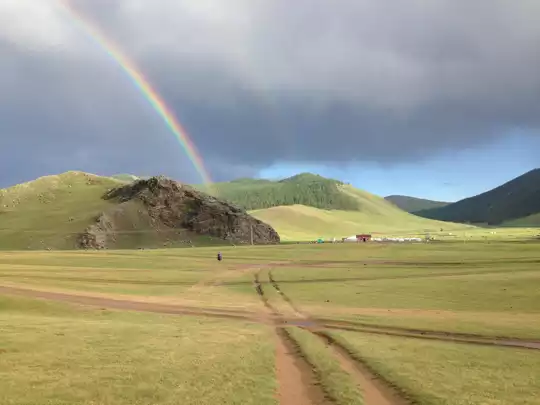
Most people only realize on the last day that Orkhon Valley is the one place in Mongolia where you can get “deep countryside” and still string together multiple homestays without days of dead travel in between. It sits in central Mongolia, southwest of Kharkhorin, running along the Orkhon River through rolling steppe, cliffs, and old monastery country.

For backpackers, it’s the sweet spot between wild and workable. You get waterfalls, lava fields, hot springs, horse trekking, and real nomad families, but you’re not as logistically stranded as in the far west. It’s cheaper and more low-key than the Gobi, with fewer selfie convoys, but that also means irregular transport and a lot of hitchhiking or pre-arranged jeeps between ger camps. I’ve had nights here drinking salty milk tea under a sky so bright it felt fake, and mornings stuck waiting four hours for a ride. If you want comfort and control, stay closer to Kharkhorin; if you want raw steppe and slower days, push deeper up the valley.

Discover everything you want to know in the 📖 Mongolia Travel Guide.


Get your Mongolia guide
70 ranked highlights, routes & tips, works offline (282 pages)
Loading the map 🌍
CLICK TO FILTER
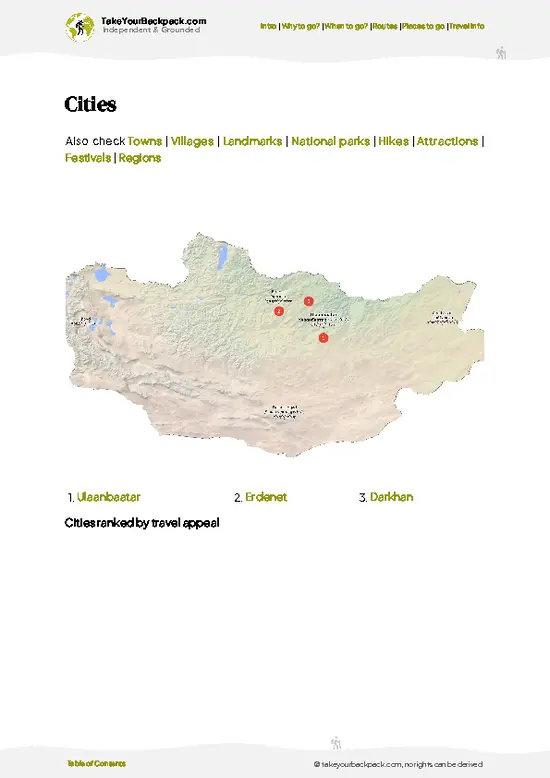
cities
towns
villages
landmarks
national parks
hikes
attractions
festivals
regions
SHOW COUNTRY’S BESTSHOW ALL

✨ Why go?
Ranked #1 region in Mongolia
Why Orkhon Valley should be on your travel list

In the Orkhon Valley, backpackers find a sweet spot where nature and culture collide. This region offers a variety of landscapes—from rolling hills to rugged mountains—without the hassle of constant relocation. You can set up camp and explore, soaking in the vastness of the steppe and the tranquility of the rivers.

Transport here is surprisingly flexible. You can hitch a ride on a local bus or hire a horse for a day, giving you the freedom to roam at your own pace. This isn’t just about getting from point A to B; it’s about slow travel that lets you savor every moment.

Cultural experiences abound, too. You can visit nomadic families, learn about their traditions, and even try your hand at making traditional dishes. This blend of adventure and authenticity makes the Orkhon Valley a backpacker’s … read more 👉
In the Orkhon Valley, backpackers find a sweet spot where nature and culture collide. This region offers a variety of landscapes—from rolling hills to rugged mountains—without the hassle of constant relocation. You can set up camp and explore, soaking in the vastness of the steppe and the tranquility of the rivers.

Transport here is surprisingly flexible. You can hitch a ride on a local bus or hire a horse for a day, giving you the freedom to roam at your own pace. This isn’t just about getting from point A to B; it’s about slow travel that lets you savor every moment.

Cultural experiences abound, too. You can visit nomadic families, learn about their traditions, and even try your hand at making traditional dishes. This blend of adventure and authenticity makes the Orkhon Valley a backpacker’s playground.

So, if you’re looking to dive deep into Mongolia’s heart without the stress of constant packing, this is your spot. Embrace the trade-off: a little more time spent here means richer experiences that stick with you long after you leave.
Want to include Orkhon Valley in your Mongolia route?
Create a personalized Mongolia itinerary that includes Orkhon Valley and the places that fit your trip — based on your travel style, budget, and available time. Get your route in seconds.

Generate my trip

💡 HighlightsDon't-miss highlights and experiences

  1. Ulaan Tsutgalan (Orkhon Waterfall) — A punchy, multi-tiered waterfall where the Orkhon River rips through a grassy gorge; great for short hikes, cliff-top views and dramatic photos. It’s the valley’s natural showstopper — you’ll feel the spray and hear the river in a way you can’t get from a roadside lookout.
  2. Karakorum / Kharkhorin archaeological site — The footprint of the Mongol Empire’s old capital: visible earthworks, ruined foundations and the feel of a place that once connected Asia. Wander the plain where horses and camels still graze and imagine the logistics of an empire — better in person than in any lecture.
  3. Erdene Zuu Monastery — One of Mongolia’s oldest monastic complexes, with low white walls, rows of stupas and a surprisingly intimate atmosphere despite being well known.
read more 👉
  1. Ulaan Tsutgalan (Orkhon Waterfall) — A punchy, multi-tiered waterfall where the Orkhon River rips through a grassy gorge; great for short hikes, cliff-top views and dramatic photos. It’s the valley’s natural showstopper — you’ll feel the spray and hear the river in a way you can’t get from a roadside lookout.
  2. Karakorum / Kharkhorin archaeological site — The footprint of the Mongol Empire’s old capital: visible earthworks, ruined foundations and the feel of a place that once connected Asia. Wander the plain where horses and camels still graze and imagine the logistics of an empire — better in person than in any lecture.
  3. Erdene Zuu Monastery — One of Mongolia’s oldest monastic complexes, with low white walls, rows of stupas and a surprisingly intimate atmosphere despite being well known. It’s where local spirituality, lived history and surviving art meet — easy to visit from Kharkhorin and worth lingering by the prayer wheels.
  4. Tövkhön (Tuvkhun) Monastery — (Hidden gem) A tiny, cliffside hermitage founded by Zanabazar, high on a wooded ridge above the valley. The trail is a proper little trek and the solitude up there is rare; sunset from the upper stones is special and the place still smells of burning juniper.
  5. Khar Balgas (Uyghur capital ruins) — (Hidden gem) Far quieter than Erdene Zuu, these sprawling ruin fields are the remains of the 8th-9th century Uyghur capital. You can walk among ruined walls and lone stone bases and get a real sense for the deep, layered history of the Valley — archaeological atmosphere without the crowds.
  6. Khöshöö Tsaidam (Orkhon inscriptions) — The stone memorials with Old Turkic script are unique to this landscape: weathered stelae standing beside the steppe, telling stories of early medieval rulers. It’s a visceral link to language and power from a thousand years ago, and you can actually touch the stones.
  7. Orkhon River meanders and horseback rides — The valley’s wide, braided river, its oxbow lakes and island meadows are best explored from a horse. Local guides will take you along river bends and cliff edges where the scenery is classic Mongolian steppe — quiet, huge and oddly intimate.
  8. Ger stay with a nomad family — Eat fresh dairy, learn to saddle a horse, help milk or churn airag if you want, then sleep under the felt ceiling. These stays are the easiest way to actually live a day in Orkhon life; the routines and the conversations with hosts are what people remember most.
  9. Scattered kurgans and burial mounds — (Hidden gem) Small, often-overlooked burial mounds dotting the valley give you a horizon full of tombs: Xiongnu and Turkic-era kurgans that are quiet, atmospheric and very visitable. They’re not flashy, but they’re real, ancient markers you can walk around without barricades.
  10. Kharkhorin market & weekend life — The local market days and riverside stalls in Kharkhorin are where food, tack, and gossip come together: raw milk cheeses, locally-made saddlery and seasonal festivals. It’s where you’ll pick up practical tips, cheap yak butter tea and a sense of how the valley functions today.
Personal favorite: Tövkhön (Tuvkhun) Monastery — that quiet hike up, the views and the tiny, timeless atmosphere stick with me.
Spotted a mistake or missing something? Contact us.

Things to do around Orkhon Valley

Ratings based on Tripadvisor reviews. When you book through this link, you support our work at no extra cost to you.

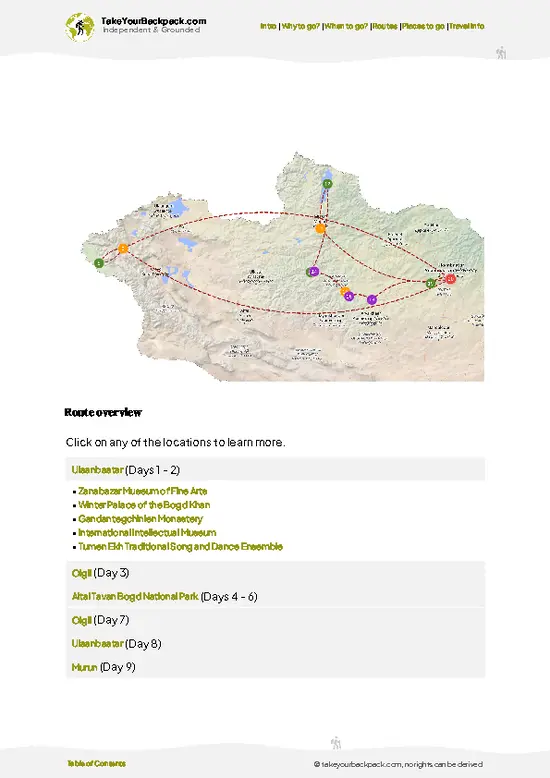
⌛️ 5 days5-day itinerary for Orkhon Valley

Day 1: Kharkhorin
You’ll kick off your adventure in Kharkhorin, the ancient capital of Mongolia. This is where the Silk Road once thrived, and it’s a perfect starting point. The transport system here is straightforward: you can catch a bus or hire a driver from Ulaanbaatar. The ride takes about 6-7 hours, so plan to leave early. Once you arrive, explore the Erdene Zuu Monastery, a UNESCO site. It’s a fascinating glimpse into Mongolia’s spiritual history.

Day 2: Orkhon Valley
Today, you’ll dive deeper into the Orkhon Valley. Hire a local guide or join a tour; this is where the transport system can feel a bit sparse. The valley is stunning, with rolling hills and the Orkhon River winding through. Spend the day hiking and soaking in the scenery. The pace is slow, but that’s the beauty of … read more 👉
Day 1: Kharkhorin
You’ll kick off your adventure in Kharkhorin, the ancient capital of Mongolia. This is where the Silk Road once thrived, and it’s a perfect starting point. The transport system here is straightforward: you can catch a bus or hire a driver from Ulaanbaatar. The ride takes about 6-7 hours, so plan to leave early. Once you arrive, explore the Erdene Zuu Monastery, a UNESCO site. It’s a fascinating glimpse into Mongolia’s spiritual history.

Day 2: Orkhon Valley
Today, you’ll dive deeper into the Orkhon Valley. Hire a local guide or join a tour; this is where the transport system can feel a bit sparse. The valley is stunning, with rolling hills and the Orkhon River winding through. Spend the day hiking and soaking in the scenery. The pace is slow, but that’s the beauty of it. You’re here to connect with nature, not rush through it.

Day 3: Tuvkhun Monastery
This is your Off-Path Reward. Tuvkhun Monastery is a bit of a trek, but it’s worth every step. You’ll need to arrange a horse or a guide to get there, as public transport doesn’t reach this hidden spot. The views from the monastery are breathtaking, and the sense of solitude is palpable. It’s a spiritual experience that feels like a secret shared among friends.

Day 4: Khustai National Park
Head back towards Ulaanbaatar, but stop at Khustai National Park. The journey is about 3 hours, and you’ll want to take your time here. This park is famous for its wild horses, the Takhi. Spend the day exploring the park and keep your eyes peeled for these magnificent creatures.

Day 5: Ulaanbaatar
Wrap up your trip in Ulaanbaatar. The transport options are plentiful, making it easy to get around. Visit the Gandan Monastery and the National Museum of Mongolia to soak up the culture before you leave.

The must-do day? Day 2 in the Orkhon Valley. It’s where you’ll truly feel the heart of Mongolia, surrounded by nature and history. Embrace the slow pace; it’s what makes this trip unforgettable.
Turn your Orkhon Valley visit into an Mongolia adventure
Build a complete Mongolia route with Orkhon Valley, hidden gems, must-see destinations, and realistic travel times included.

Generate my trip

🌤️ When to go?Best time to visit Orkhon Valley


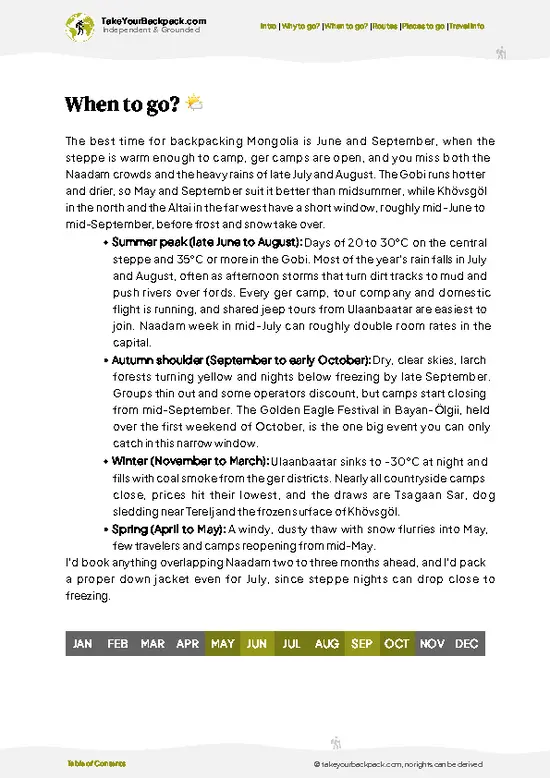
  • Weather: Late May through early September is your sweet spot. The valley thaws out, and the steppe blooms. Rain is rare but can surprise you in July. Avoid the brutal winters—temperatures can plunge below -30°C (-22°F), turning your gear into a block of ice.

  • Temperature: Summer days hover between 15-25°C (59-77°F), perfect for hiking without overheating. Nights dip to around 5-10°C (41-50°F), so pack layers. Spring and fall are chillier, with highs barely scraping 10°C (50°F) and nights flirting with freezing.

  • Daylight Hours: Summer gifts you 15+ hours of daylight—ideal for squeezing in long treks and exploring ruins without rushing. Winter days are short and unforgiving, with barely 7 hours of light.

  • Crowds: July and August see a spike in local tourists and nomads celebrating Naadam
read more 👉

  • Weather: Late May through early September is your sweet spot. The valley thaws out, and the steppe blooms. Rain is rare but can surprise you in July. Avoid the brutal winters—temperatures can plunge below -30°C (-22°F), turning your gear into a block of ice.

  • Temperature: Summer days hover between 15-25°C (59-77°F), perfect for hiking without overheating. Nights dip to around 5-10°C (41-50°F), so pack layers. Spring and fall are chillier, with highs barely scraping 10°C (50°F) and nights flirting with freezing.

  • Daylight Hours: Summer gifts you 15+ hours of daylight—ideal for squeezing in long treks and exploring ruins without rushing. Winter days are short and unforgiving, with barely 7 hours of light.

  • Crowds: July and August see a spike in local tourists and nomads celebrating Naadam Festival nearby. If you want solitude, aim for late May or early September when the valley feels like your own secret playground.

  • Seasonal Activities: Summer is prime for horseback riding, river fishing, and camping under the stars. Spring and fall offer wildflower blooms and migrating birds but fewer services open.

  • Price Fluctuations: Peak summer means higher prices on ger camps and guides. Booking early can lock in better rates. Shoulder seasons offer bargains but come with fewer amenities.


Pro-tip: Arrive just before Naadam kicks off to catch the valley waking up, enjoy near-empty trails, and snag early-bird rates before the festival frenzy hits.


source: climatestotravel.comJANJanuary: below average for travelingFEBFebruary: below average for travelingMARMarch: fair for travelingAPRApril: good for travelingMAYMay: highly recommended for travelingJUNJune: excellent for travelingJULJuly: highly recommended for travelingAUGAugust: highly recommended for travelingSEPSeptember: highly recommended for travelingOCTOctober: good for travelingNOVNovember: fair for travelingDECDecember: below average for traveling
mongolia-region-orkhon-valley
© Google |

✈️ The backpacker research shortcutMongolia Travel Guide

An offline-friendly backpacking guide with optimized travel routes, ranked highlights, transport advice, and the best areas to stay.
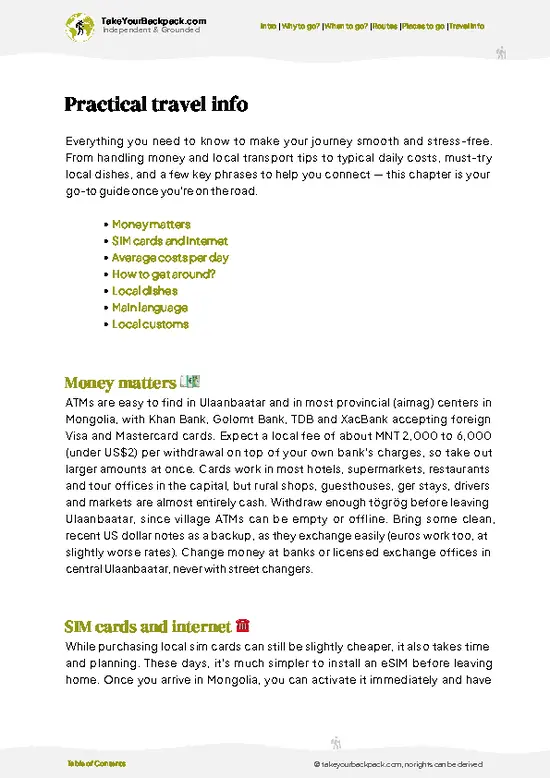
example page 0 from our offline Travel Guide for Mongolia
example page 1 from our offline Travel Guide for Mongolia
example page 2 from our offline Travel Guide for Mongolia
example page 3 from our offline Travel Guide for Mongolia
example page 4 from our offline Travel Guide for Mongolia
example page 5 from our offline Travel Guide for Mongolia
example page 6 from our offline Travel Guide for Mongolia
example page 7 from our offline Travel Guide for Mongolia
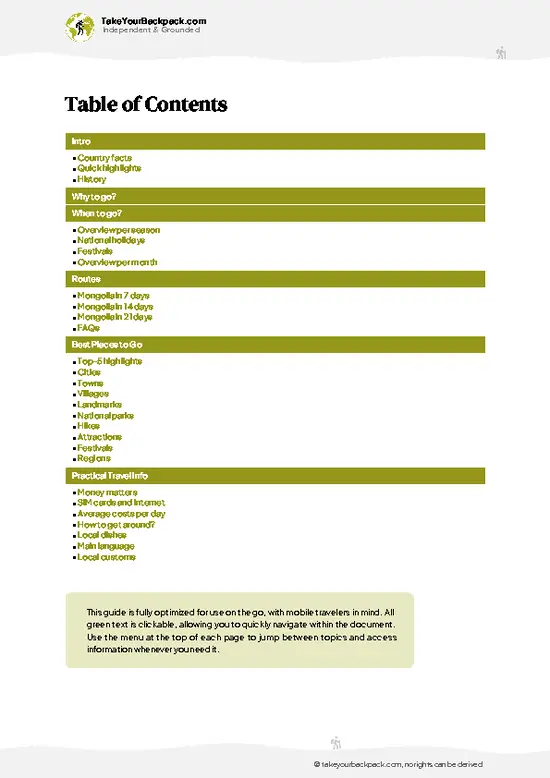
The digital guide (282 pages) contains:
70 highlights, ranked by travel appeal
Optimized 7, 14 & 21-day travel routes
Cities, national parks, landmarks, beaches
How to get around
Offline-friendly for travel without Wi-Fi
👉 Click to see all 30+ guide features

📅 Plan smarter in minutes, not weeks
Month by month travel advice
Festivals & national holidays
Budget expectations

🗺️ Go to the right places, skip the overrated ones
Honest pros & cons of destinations
Top hikes, parks & viewpoints
Lesser-known places most travelers miss
Clear “worth it vs skip it” guidance

🛏️ Travel smoothly without rookie mistakes
Best areas to stay
Transport systems explained simply
Common scams & safety advice
SIM cards, money & practical tips

🌍 Understand the country, not just visit it
Culture & traditions
52 Essential phrases & customs
Festivals worth planning around
Traveler-friendly historical context
Insights that make places more meaningful

📱 Built for real travel conditions
Fully downloadable PDF
Works completely offline
Optimized for phone use
Useful in remote areas & buses
Everything in one place
Save weeks of stressful planning
Get instant access to your full guide. 30‑day money-back guarantee.


By proceeding you agree to our terms.
Sent to your inbox immediately after payment • 100% Secure Checkout
Best Backpacking Travel Advisor 2025 tourism awardBest Backpacking
Travel Advisor
2025
What others say about Take Your Backpack Guides:
⭐⭐⭐⭐⭐
Fantastic, amazing amount of information!
⭐⭐⭐⭐⭐
My goodness this is amazing, it's what I've been looking for hats off too you!
⭐⭐⭐⭐⭐
I think this is absolutely BRILLIANT
⭐⭐⭐⭐
Very complete and informative. It's still missing places, but I gotta to commend you
⭐⭐⭐⭐⭐
This is truly amazing, thank you, can't wait to explore it with my kids!
⭐⭐⭐⭐⭐
Awesome resource, thank you!
⭐⭐⭐⭐⭐
This is amazing! Can't wait to explore the ones I haven't seen
⭐⭐⭐⭐
I love this! Well done, great idea.
⭐⭐⭐⭐⭐
Thanks for taking the time to make this gem!
⭐⭐⭐⭐⭐
This might be the best website I've ever seen.
⭐⭐⭐⭐⭐
Congratulations, and thank you so much for your work; it's incredibly valuable.
⭐⭐⭐⭐
In all seriousness I think you did a great job pointing out the important spots
⭐⭐⭐⭐⭐
10/10 very good
⭐⭐⭐⭐⭐
As someone who's only just starting to visit regularly this is awesome, thank you.
⭐⭐⭐⭐
Thank you very much! I'm going to visit my dad, it's going to be very useful!
⭐⭐⭐⭐⭐
This is really cool! We'll be travelling for the first time and this definitely come in handy.
⭐⭐⭐⭐⭐
You are now our minister of culture, congratulations 👨‍💼
⭐⭐⭐⭐⭐
Just wanted to tell you that this is a pearl! Going to follow your recommendations.
⭐⭐⭐⭐⭐
This is so cool. I'll definitely be using the resource for my travels soon.
⭐⭐⭐⭐⭐
This is very impressive! Good work.
⭐⭐⭐⭐⭐
This is an amazing and informative site. Very well done!

🛏️ Where to stay?Best areas and accommodation options

When you hit the Orkhon Valley, you’re diving into a realm where the vast steppe meets rich culture. Your base matters, so let’s break down the best spots for backpackers.

First up, Kharkhorin. This town is your gateway to the valley. It’s got a laid-back vibe, with plenty of local eateries and shops. You’ll find fellow travelers here, swapping stories over a bowl of buuz. Plus, the Erdene Zuu Monastery is just a stone’s throw away, giving you a taste of Mongolia’s spiritual side.

Next, consider Tsetserleg. This town is a bit off the main tourist path, but that’s where the magic happens. It’s … read more 👉
When you hit the Orkhon Valley, you’re diving into a realm where the vast steppe meets rich culture. Your base matters, so let’s break down the best spots for backpackers.

First up, Kharkhorin. This town is your gateway to the valley. It’s got a laid-back vibe, with plenty of local eateries and shops. You’ll find fellow travelers here, swapping stories over a bowl of buuz. Plus, the Erdene Zuu Monastery is just a stone’s throw away, giving you a taste of Mongolia’s spiritual side.

Next, consider Tsetserleg. This town is a bit off the main tourist path, but that’s where the magic happens. It’s safe and friendly, with a more authentic feel. The local market is a must-visit; you’ll snag some unique souvenirs and maybe even make a few friends.

If you’re feeling adventurous, head to Ulaan Uul. It’s a small village, perfect for those who want to immerse themselves in nomadic culture. You’ll find cozy ger camps where you can stay with local families, sharing meals and stories under the stars.

Each of these spots offers a unique slice of Mongolian life. Choose wisely, and you’ll unlock experiences that go beyond the typical tourist trail.

🚌 Getting aroundHow to get around Orkhon Valley

The Orkhon Valley is a wild symphony of nature and culture, where the rhythm of life flows like the river that carves through its heart. Forget rigid schedules; here, time is more of a suggestion than a rule. The locals move with a blend of instinct and purpose, and you’ll find that your own journey will require a dash of spontaneity. Whether you’re chasing the sunrise over ancient ruins or trying to catch a ride with a friendly nomad, the key is to embrace the chaos. This is a land where the unexpected is the norm, and every twist in the road can lead to a new adventure.


  • Shared Minibus: These are your lifeline for budget travel. They run between major towns like Kharkhorin and Tsetserleg, typically starting around 8 AM and wrapping up by 5 PM. Expect to pay about 10,000 MNT (around $3)
read more 👉
The Orkhon Valley is a wild symphony of nature and culture, where the rhythm of life flows like the river that carves through its heart. Forget rigid schedules; here, time is more of a suggestion than a rule. The locals move with a blend of instinct and purpose, and you’ll find that your own journey will require a dash of spontaneity. Whether you’re chasing the sunrise over ancient ruins or trying to catch a ride with a friendly nomad, the key is to embrace the chaos. This is a land where the unexpected is the norm, and every twist in the road can lead to a new adventure.


  • Shared Minibus: These are your lifeline for budget travel. They run between major towns like Kharkhorin and Tsetserleg, typically starting around 8 AM and wrapping up by 5 PM. Expect to pay about 10,000 MNT (around $3) for a bumpy ride that takes about 2-3 hours. Comfort? Think of it as a local experience rather than a luxury ride.


  • Horseback Riding: For the true adventurer, nothing beats the freedom of the saddle. Local guides offer rides that can last from a few hours to several days, with prices starting around 30,000 MNT ($10) for a half-day. This is not just transport; it’s a way to connect with the land and its people. Just be ready for sore legs and a few surprises along the way.


  • Private Taxi: If you’re looking for a bit more comfort and flexibility, hiring a taxi is a solid option. Prices vary, but expect to pay around 50,000 MNT ($15) for short distances. You can negotiate for longer trips, and the drivers often have great local insights. Just make sure to agree on the fare before you hop in.


  • Walking: Don’t underestimate the power of your own two feet. Many of the valley’s treasures are within walking distance of each other. It’s free, and you’ll soak in the scenery and culture in a way that no vehicle can offer. Just pack good shoes and plenty of water.


For a tactical tip: always chat with locals about transport options. They often know the best times to catch a ride or even offer you a lift if you’re friendly. This insider knowledge can save you time and money, and who knows? You might just make a new friend along the way.

🍲 FoodLocal Flavors for Backpackers

In the **Orkhon Valley**, food is a celebration of the land and its nomadic culture. You can’t visit without trying **buuz**, those delightful steamed dumplings filled with juicy meat, often lamb or beef. They’re a staple, and the locals whip them up with a sprinkle of salt and a hint of garlic. Pair that with **mutton soup** on a chilly evening, and you’ll feel the warmth seep into your bones.

For drinks, don’t miss **airag**, fermented mare’s milk. It’s tangy and slightly fizzy, a true taste of Mongolian tradition. You might find it at local **ger camps** or small roadside stalls. Just be ready for a unique flavor experience—it’s not for everyone, but it’s a rite of passage.

When it comes to dining, embrace the **markets**. Vendors serve up fresh produce and homemade goodies. Grab a seat … read more 👉
In the **Orkhon Valley**, food is a celebration of the land and its nomadic culture. You can’t visit without trying **buuz**, those delightful steamed dumplings filled with juicy meat, often lamb or beef. They’re a staple, and the locals whip them up with a sprinkle of salt and a hint of garlic. Pair that with **mutton soup** on a chilly evening, and you’ll feel the warmth seep into your bones.

For drinks, don’t miss **airag**, fermented mare’s milk. It’s tangy and slightly fizzy, a true taste of Mongolian tradition. You might find it at local **ger camps** or small roadside stalls. Just be ready for a unique flavor experience—it’s not for everyone, but it’s a rite of passage.

When it comes to dining, embrace the **markets**. Vendors serve up fresh produce and homemade goodies. Grab a seat at a local café, where you can sip on **milk tea** while watching the world go by. Street food is also a must; look for stalls selling **khuushuur**, deep-fried meat pies that are crispy on the outside and savory within.

Etiquette is simple: share your food and drink. If offered airag, take a sip and pass it on. It’s all about connection here. Dive in, savor the flavors, and you’ll feel like part of the community.

Other Mongolian regions near Orkhon Valley

Explore more nearby:

  • Khentii Mountains—Forest wilderness, sacred sites, Genghis Khan legacy| 542 km away
  • Uvs Nuur Basin—Salt lake, desert edges, migratory birds| 846 km away
  • Bayan-Ulgii—Kazakh traditions, eagle hunting, Altai peaks| 1119 km away

💡 Not sure where to go next?
Create a personalized itinerary for Mongolia including Orkhon Valley and the places that fit your trip.

Generate my itinerary

👉 Discover all regions

Or checkout all Mongolia has to offer (think cities, towns, villages, national parks, hikes, beaches, festivals)
Country photo of Mongolia

We 💚 feedbackParting advice and final tips

Orkhon Valley is a slice of Mongolia that feels like stepping into a living history book. The vast landscapes and nomadic culture are captivating. You’ll find yourself sipping tea with locals, sharing stories under the stars. But here’s the kicker: it’s remote. Getting there takes time and effort, and creature comforts are few. If you’re ready to trade a bit of luxury for genuine connection, this place is pure magic. Just be prepared for the adventure.

✈️ When did I visit Mongolia?
As part of my 1.5 year travel around the world trip, I visited Mongolia in July 2015. After a month of horse-riding and hitch-hiking I took the TransMongolia express to China.

✍️ Help improve this page!
The information on this page is based on my own backpacking experience in Mongolia, supplemented with up-to-date research and feedback from other travelers. Travel details can change, so if you notice anything outdated or incomplete, feel free to let me know.


🙋‍♂️ Give feedback

👋 Meet the founderWho’s Behind Take Your Backpack?

Johan, backpacker and founder of TakeYourBackpackHi, I’m Johan (Netherlands 🇳🇱), the creator of TakeYourBackpack. Over the past decade, I’ve backpacked through 80+ countries across six continents, gaining extensive experience with independent travel, long-term trips, and overland routes.

This site is built on a combination of firsthand travel experience and carefully curated insights from other backpackers. Many guides are based on places I’ve personally visited, while others bring together tips, observations, and practical advice shared by trusted travelers I’ve met along the way.

The goal is to provide realistic, experience-driven guidance — not generic itineraries — so you can explore destinations with better context, clearer expectations, and more confidence.

Get full Mongolia guide •
Instant download • 70 highlights • Full Offline guide