

×

Mongolia🇲🇳 | attractionsTumen Ekh Traditional Song and Dance EnsembleFolk music, throat singing, traditional dance | things to do and best time to go

Explore Mongolian National Academic Theatre of Opera and BalletExplore Zanabazar Museum of Fine Arts

Backpacking in Tumen Ekh Traditional Song and Dance Ensemble
👌 Worth visitingattraction ranked #7
By Johan Kruseman 🇳🇱 | Updated September 23, 2026

Everyone’s seen the filtered clips: Tumen Ekh Traditional Song and Dance Ensemble, all jewel-toned costumes and throat singing, hyped as the “must-see” for a taste of “real Mongolia.” But here’s the truth—if you’re coming for a tourist-friendly folklore sampler, you’ll get it, along with a busload of camera-wielding tour groups. What actually matters is the raw, unpolished energy behind the performance—the way the musicians’ hands tremble on the morin khuur, the guttural power of the singers, the sense that this isn’t just a show, but a living, breathing inheritance. Tucked inside Ulaanbaatar’s city center, Tumen Ekh is easy to reach, not cheap by Mongolian standards, and yes, you’ll share the room with plenty of outsiders. But if you want a crash course in the country’s soul—without a week on horseback—this is the shortcut. Just don’t expect solitude or subtlety; expect a cultural punch to the senses.

Discover everything you want to know in the 📖 Mongolia Travel Guide.


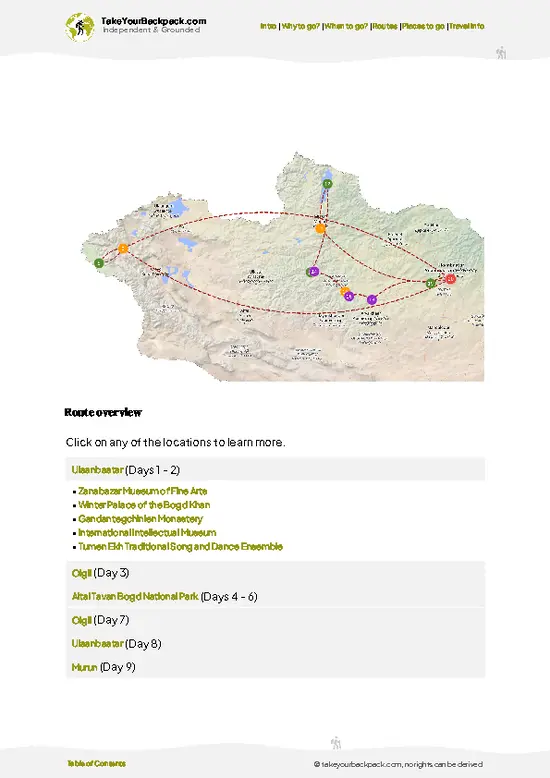
example page 0 from our offline Travel Guide for Mongolia
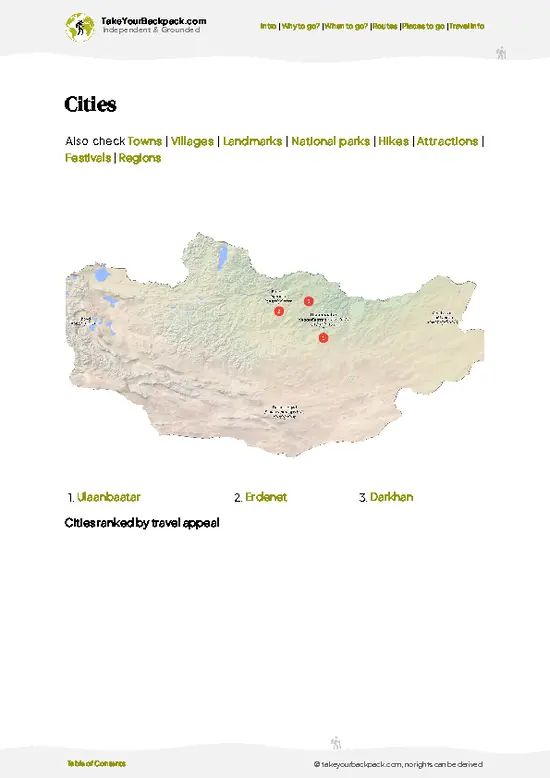
example page 1 from our offline Travel Guide for Mongolia
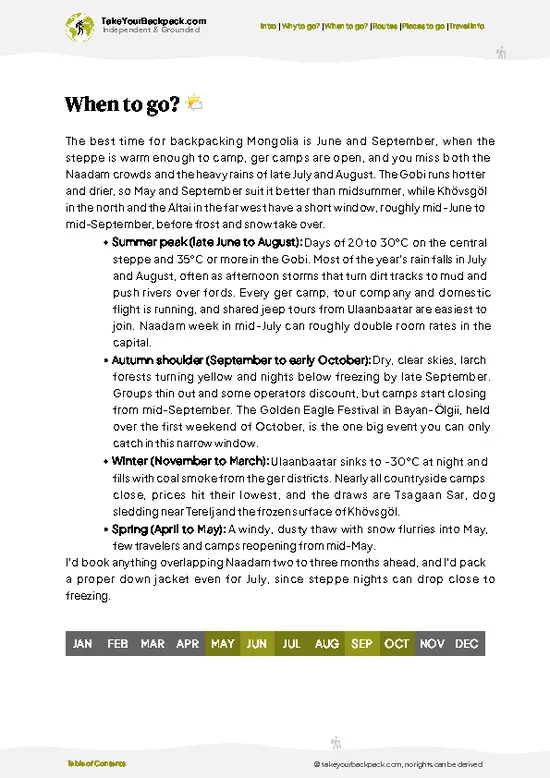
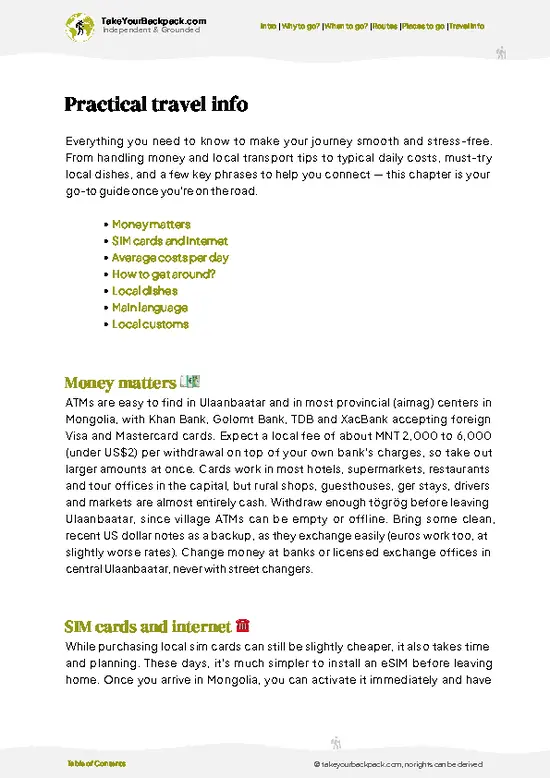
example page 2 from our offline Travel Guide for Mongolia
example page 3 from our offline Travel Guide for Mongolia
example page 4 from our offline Travel Guide for Mongolia
example page 5 from our offline Travel Guide for Mongolia
example page 6 from our offline Travel Guide for Mongolia
example page 7 from our offline Travel Guide for Mongolia
Loading the map 🌍
CLICK TO FILTER
cities
towns
villages
landmarks
national parks
hikes
attractions
festivals
regions
SHOW COUNTRY’S BESTSHOW ALL

✨ Why go?
Ranked #7 attraction in Mongolia
Why Tumen Ekh Traditional Song and Dance Ensemble should be on your travel list

Backpackers often hit the Tumen Ekh Traditional Song and Dance Ensemble not because it’s a flashy tourist trap—far from it. This is where Mongolia’s soul gets loud and proud. Sure, you’ll find crowds, especially during peak seasons, and the ticket prices aren’t dirt cheap by local standards. But here’s the kicker: this isn’t just a show; it’s a living archive of Mongolian identity. The performers don’t just sing and dance—they channel centuries of nomadic history, from throat singing that rattles your chest to costumes that tell stories of steppe survival. It’s a cultural deep dive that no Instagram snapshot can capture. For backpackers trekking the country route, it’s a milestone—a moment to pause and absorb the raw, unfiltered heartbeat of Mongolia before moving on. The effort to get here … read more 👉
Backpackers often hit the Tumen Ekh Traditional Song and Dance Ensemble not because it’s a flashy tourist trap—far from it. This is where Mongolia’s soul gets loud and proud. Sure, you’ll find crowds, especially during peak seasons, and the ticket prices aren’t dirt cheap by local standards. But here’s the kicker: this isn’t just a show; it’s a living archive of Mongolian identity. The performers don’t just sing and dance—they channel centuries of nomadic history, from throat singing that rattles your chest to costumes that tell stories of steppe survival. It’s a cultural deep dive that no Instagram snapshot can capture. For backpackers trekking the country route, it’s a milestone—a moment to pause and absorb the raw, unfiltered heartbeat of Mongolia before moving on. The effort to get here pays off in a way that’s both visceral and enlightening, making it a non-negotiable stop for anyone serious about understanding this vast, rugged land.

💡 HighlightsPlaces and moments you shouldn't skip

Khoomei (Throat Singing) Performed Live
Forget the YouTube clips—hearing Mongolian throat singing in person is a sensory jolt. The singers don’t just hit notes; they split their voices into multiple tones at once, creating a sound that feels both ancient and otherworldly. It’s not background music. It’s the kind of performance that makes you sit up straight and wonder what else your ears have been missing. This is the real deal, not a tourist sideshow.


Tsam Mask Dance
This is not your average folk dance. The Tsam is a ritualistic performance with roots in Buddhist shamanism, featuring enormous, hand-crafted masks and costumes that look like they belong in a fever dream. The dancers move with a deliberate, hypnotic energy, channeling spirits and legends. It’s intense, a little eerie, and absolutely … read more 👉
Khoomei (Throat Singing) Performed Live
Forget the YouTube clips—hearing Mongolian throat singing in person is a sensory jolt. The singers don’t just hit notes; they split their voices into multiple tones at once, creating a sound that feels both ancient and otherworldly. It’s not background music. It’s the kind of performance that makes you sit up straight and wonder what else your ears have been missing. This is the real deal, not a tourist sideshow.


Tsam Mask Dance
This is not your average folk dance. The Tsam is a ritualistic performance with roots in Buddhist shamanism, featuring enormous, hand-crafted masks and costumes that look like they belong in a fever dream. The dancers move with a deliberate, hypnotic energy, channeling spirits and legends. It’s intense, a little eerie, and absolutely magnetic. If you want spectacle with substance, this is it.


Morin Khuur (Horsehead Fiddle) Solo
The morin khuur is the soul of Mongolia in instrument form. When a master plays it, you hear the wind, the gallop of horses, and the loneliness of the steppe all at once. The Tumen Ekh ensemble doesn’t just trot out a token solo—they showcase real virtuosos. The sound is raw, mournful, and unforgettable. My personal favorite, hands down. If you only see one act, make it this.


Traditional Long Song (Urtiin Duu)
These aren’t pop songs—they’re epic, slow, and stretch syllables into entire landscapes. The singers’ control is mind-bending, and the songs themselves are a living link to Mongolia’s nomadic past. You don’t need to understand the words to feel the weight of history in every note.


Costume Parade and Dance
This isn’t just a fashion show. The ensemble’s parade of regional costumes is a crash course in Mongolian diversity, from the regal hats of the Khalkha to the wild, fur-trimmed outfits of the reindeer herders. The colors, textures, and movement are a feast for the eyes—no Instagram filter required.
Spotted a mistake or missing something? Contact us.

Things to do around Tumen Ekh Traditional Song and Dance Ensemble

Ratings based on Tripadvisor reviews. When you book through this link, you support our work at no extra cost to you.

🌤️ When to go?Seasonal considerations and timing

  • Weather: The best window is late spring to early autumn—May through September. Mongolia’s brutal winters plunge temperatures well below -20°C (-4°F), making outdoor performances and travel miserable. Summer offers mild days around 20-25°C (68-77°F), perfect for enjoying the ensemble without freezing or sweating buckets.
  • Temperature: June to August is your sweet spot. Expect comfortable highs near 22-25°C (72-77°F) and cool nights around 10°C (50°F). Shoulder months like May and September can still be chilly, especially at night, so pack layers.
  • Daylight Hours: Long summer days mean more time to explore beyond the performances. June and July boast up to 16 hours of daylight, giving you flexibility to soak in Mongolia’s vast landscapes before or after shows.
  • Crowds: Peak tourist season falls in
… read more 👉
  • Weather: The best window is late spring to early autumn—May through September. Mongolia’s brutal winters plunge temperatures well below -20°C (-4°F), making outdoor performances and travel miserable. Summer offers mild days around 20-25°C (68-77°F), perfect for enjoying the ensemble without freezing or sweating buckets.
  • Temperature: June to August is your sweet spot. Expect comfortable highs near 22-25°C (72-77°F) and cool nights around 10°C (50°F). Shoulder months like May and September can still be chilly, especially at night, so pack layers.
  • Daylight Hours: Long summer days mean more time to explore beyond the performances. June and July boast up to 16 hours of daylight, giving you flexibility to soak in Mongolia’s vast landscapes before or after shows.
  • Crowds: Peak tourist season falls in July and August. Expect more visitors, which can dilute the intimate vibe of the ensemble. May, June, and September offer fewer crowds and a more authentic experience without the tourist bubble.
  • Seasonal Activities: Summer aligns with Naadam Festival season (mid-July), a cultural explosion worth timing your visit around. The ensemble’s performances often tie into these festivities, adding layers of local color and energy.
  • Price Fluctuations: Prices for tickets and accommodations spike during July and August. Booking in shoulder months like May or September can save you a decent chunk of cash without sacrificing the quality of the experience.
Pro-tip: Aim for late June or early September—good weather, manageable crowds, and wallet-friendly rates. You get the real magic without the tourist circus.


source: climatestotravel.comJANJanuary: below average for travelingFEBFebruary: below average for travelingMARMarch: fair for travelingAPRApril: fair for travelingMAYMay: highly recommended for travelingJUNJune: excellent for travelingJULJuly: highly recommended for travelingAUGAugust: highly recommended for travelingSEPSeptember: highly recommended for travelingOCTOctober: fair for travelingNOVNovember: below average for travelingDECDecember: below average for traveling
when-to-go

✈️ The backpacker research shortcutMongolia Travel Guide

An offline-friendly backpacking guide with optimized travel routes, ranked highlights, transport advice, and the best areas to stay.
example page 0 from our offline Travel Guide for Mongolia
example page 1 from our offline Travel Guide for Mongolia
example page 2 from our offline Travel Guide for Mongolia
example page 3 from our offline Travel Guide for Mongolia
example page 4 from our offline Travel Guide for Mongolia
example page 5 from our offline Travel Guide for Mongolia
example page 6 from our offline Travel Guide for Mongolia
example page 7 from our offline Travel Guide for Mongolia
The digital guide (272 pages) contains:
✅ 67 highlights, ranked by travel appeal
✅ Optimized 7, 14 & 21-day travel routes
✅ Cities, national parks, landmarks, beaches
✅ How to get around
✅ Offline-friendly for travel without Wi-Fi
👉 Click to see all 30+ guide features

📅 Plan smarter in minutes, not weeks
✅ Month by month travel advice
✅ Festivals & national holidays
✅ Budget expectations

🗺️ Go to the right places, skip the overrated ones
✅ Honest pros & cons of destinations
✅ Top hikes, parks & viewpoints
✅ Lesser-known places most travelers miss
✅ Clear “worth it vs skip it” guidance

🛏️ Travel smoothly without rookie mistakes
✅ Best areas to stay
✅ Transport systems explained simply
✅ Common scams & safety advice
✅ SIM cards, money & practical tips

🌍 Understand the country, not just visit it
✅ Culture & traditions
✅ 52 Essential phrases & customs
✅ Festivals worth planning around
✅ Traveler-friendly historical context
✅ Insights that make places more meaningful

📱 Built for real travel conditions
✅ Fully downloadable PDF
✅ Works completely offline
✅ Optimized for phone use
✅ Useful in remote areas & buses
✅ Everything in one place
Stop searching, start planning
Get instant access to your full guide. 30‑day money-back guarantee.
+ Add another guide for just

By proceeding you agree to our terms.
Sent to your inbox immediately after payment • 100% Secure Checkout
Best Backpacking Travel Advisor 2025 tourism awardBest Backpacking
Travel Advisor
2025
What others say about Take Your Backpack Guides:
⭐⭐⭐⭐⭐
Fantastic, amazing amount of information!
⭐⭐⭐⭐⭐
My goodness this is amazing, it's what I've been looking for hats off too you!
⭐⭐⭐⭐⭐
I think this is absolutely BRILLIANT
⭐⭐⭐⭐
Very complete and informative. It's still missing places, but I gotta to commend you
⭐⭐⭐⭐⭐
This is truly amazing, thank you, can't wait to explore it with my kids!
⭐⭐⭐⭐⭐
Awesome resource, thank you!
⭐⭐⭐⭐⭐
This is amazing! Can't wait to explore the ones I haven't seen
⭐⭐⭐⭐
I love this! Well done, great idea.
⭐⭐⭐⭐⭐
Thanks for taking the time to make this gem!
⭐⭐⭐⭐⭐
This might be the best website I've ever seen.
⭐⭐⭐⭐⭐
Congratulations, and thank you so much for your work; it's incredibly valuable.
⭐⭐⭐⭐
In all seriousness I think you did a great job pointing out the important spots
⭐⭐⭐⭐⭐
10/10 very good
⭐⭐⭐⭐⭐
As someone who's only just starting to visit regularly this is awesome, thank you.
⭐⭐⭐⭐
Thank you very much! I'm going to visit my dad, it's going to be very useful!
⭐⭐⭐⭐⭐
This is really cool! We'll be travelling for the first time and this definitely come in handy.
⭐⭐⭐⭐⭐
You are now our minister of culture, congratulations 👨‍💼
⭐⭐⭐⭐⭐
Just wanted to tell you that this is a pearl! Going to follow your recommendations.
⭐⭐⭐⭐⭐
This is so cool. I'll definitely be using the resource for my travels soon.
⭐⭐⭐⭐⭐
This is very impressive! Good work.
⭐⭐⭐⭐⭐
This is an amazing and informative site. Very well done!

🛏️ Where to stay?Choosing the right base

The Tumen Ekh Traditional Song and Dance Ensemble is a cultural powerhouse, but don’t expect a polished tourist bubble around it. The real action for backpackers is in the heart of Ulaanbaatar, where the city’s pulse beats loudest. Stay near the Sukhbaatar Square area or the adjacent Peace Avenue district. These neighborhoods are your best bet—not just because they’re close to the ensemble’s venue, but because they’re packed with budget-friendly guesthouses, lively cafés, and a surprisingly social backpacker crowd.

Safety here isn’t a question; it’s a city center after all, with plenty of street … read more 👉
The Tumen Ekh Traditional Song and Dance Ensemble is a cultural powerhouse, but don’t expect a polished tourist bubble around it. The real action for backpackers is in the heart of Ulaanbaatar, where the city’s pulse beats loudest. Stay near the Sukhbaatar Square area or the adjacent Peace Avenue district. These neighborhoods are your best bet—not just because they’re close to the ensemble’s venue, but because they’re packed with budget-friendly guesthouses, lively cafés, and a surprisingly social backpacker crowd.

Safety here isn’t a question; it’s a city center after all, with plenty of street life and local shops that keep things grounded and real. You’ll find yourself rubbing elbows with solo travelers, expats, and Mongolian youth who are genuinely curious and welcoming. It’s not about luxury or Instagram-perfect settings; it’s about being where the city breathes, where you can grab a cheap meal, swap stories over a local brew, and catch the ensemble’s raw, unfiltered performances without the tourist gloss. This is where the magic of Mongolia’s living culture hits hardest.

👛 Costs (as of 23 September 2026)Travel costs and budget guide for Tumen Ekh Traditional Song and Dance Ensemble

As of the most recent estimates, tickets for the Tumen Ekh Traditional Song and Dance Ensemble in Ulaanbaatar, Mongolia, are priced between €15 and €20. Additional costs may include a photography fee of approximately €8.
⚠️ Prices can change and everyone travels differently, so take this as a rough guide. Hope it helps you plan your adventure!

FAQCommon questions from travelers

1 to 2 hours is sufficient to experience the Tumen Ekh Traditional Song and Dance Ensemble performance. Shows typically last around 60 to 90 minutes, allowing time to enjoy the full cultural presentation without rushing.
Yes, the entrance fee is worth it for the authentic experience of traditional Mongolian music and dance. Tickets usually cost around 10,000 to 15,000 MNT, offering good value for a unique cultural insight.
You can reach Tumen Ekh Traditional Song and Dance Ensemble by taxi or local bus from Ulaanbaatar city center. It is located within the city, making it easily accessible without long travel times.
⚠️ Things can change over time, so always validate details locally before you go.

Other Mongolian attractions near Tumen Ekh Traditional Song and Dance Ensemble

Explore more nearby:


💡 Not sure where to go next?
Create a personalized itinerary for Mongolia including Tumen Ekh Traditional Song and Dance Ensemble and the places that fit your trip.

Generate my itinerary

👉 Discover all attractions

Or checkout all Mongolia has to offer (think cities, towns, villages, national parks, hikes, beaches, festivals)
Country photo of Mongolia

We 💚 feedbackSumming up the experience

The Tumen Ekh Ensemble isn’t a polished tourist show—it’s raw, loud, and deeply rooted in Mongolian spirit. If you’re after a glossy performance, look elsewhere. But if you want to feel the pulse of nomadic culture through throat singing and horsehead fiddles, it’s worth every second. Just be ready for crowds and a venue that’s more functional than fancy—this is about authenticity, not comfort.

✈️ When did I visit Mongolia?
As part of my 1.5 year travel around the world trip, I visited Mongolia in July 2015. After a month of horse-riding and hitch-hiking I took the TransMongolia express to China.

✍️ Help improve this page!
The information on this page is based on my own backpacking experience in Mongolia, supplemented with up-to-date research and feedback from other travelers. Travel details can change, so if you notice anything outdated or incomplete, feel free to let me know.


🙋‍♂️ Give feedback

👋 Meet the founderWho’s Behind Take Your Backpack?

Johan, backpacker and founder of TakeYourBackpackHi, I’m Johan (Netherlands 🇳🇱), the creator of TakeYourBackpack. Over the past 3 decades, I’ve backpacked through 90+ countries across six continents, gaining extensive experience with independent travel, long-term trips, and overland routes.

This site is built on a combination of firsthand travel experience and carefully curated insights from other backpackers. Many guides are based on places I’ve personally visited, while others bring together tips, observations, and practical advice shared by trusted travelers I’ve met along the way.

The goal is to provide realistic, experience-driven guidance — not generic itineraries — so you can explore destinations with better context, clearer expectations, and more confidence.