×

Morocco🇲🇦 | townsFiguigoasis gardens, mudbrick ksour, Algerian border | things to do and best time to go

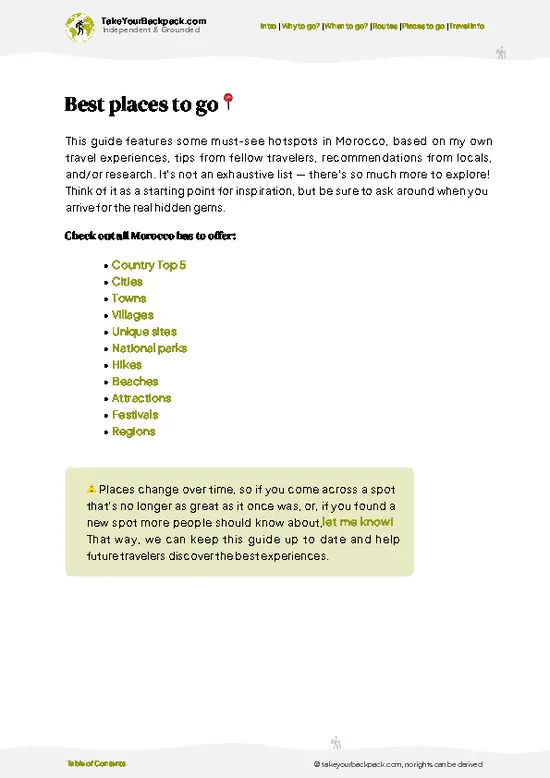
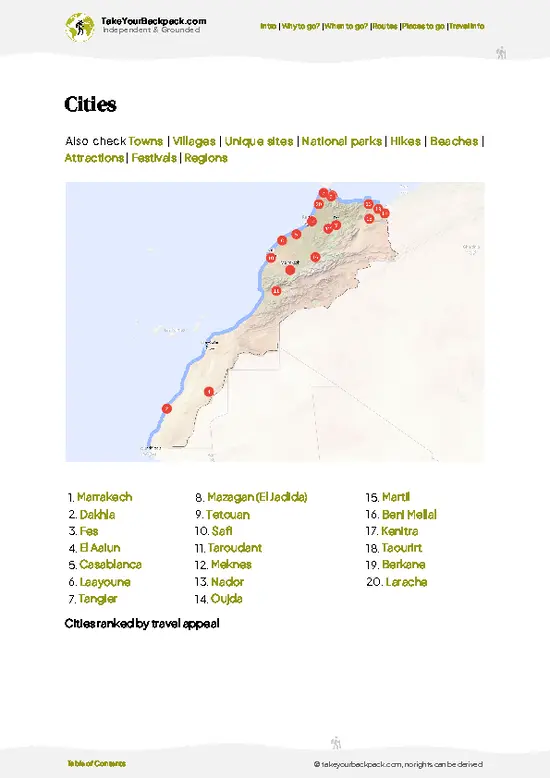
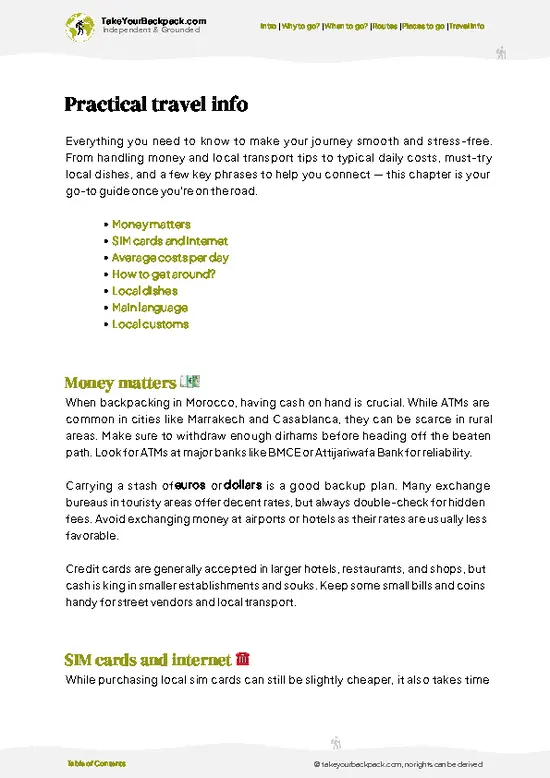
Explore EssaouiraExplore Merzouga

Backpacking in Figuig
👀 For curious travelerstown ranked #18
By Johan Kruseman 🇳🇱 | Updated June 13, 2026

You’re standing in the shade of a date palm, dust swirling at your ankles, the air dry and faintly sweet—Figuig’s oasis heat is a presence, not just a temperature. Tucked against the Algerian border in Morocco’s far east, Figuig is a world apart from the country’s tourist conveyor belt. This is a place for patient travelers: the old ksour are walkable, the rhythm is slow, and evenings drift by in quiet cafés. Getting here means a long, sometimes bumpy bus ride—no train, no quick fix—but that’s the price of solitude. Don’t expect hostels or a backpacker scene; you’ll find more donkeys than digital nomads. Costs are low, safety is high, and the town feels more like a lived-in secret than a destination. Compared to the bustle of Oujda or the desert showmanship of Merzouga, Figuig is contemplative, almost meditative—a base for wandering palm groves, not chasing nightlife.

Discover everything you want to know in the 📖 Morocco Travel Guide.


Get your Morocco guide
128 ranked highlights, routes & tips, works offline (487 pages)
Loading the map 🌍
CLICK TO FILTER
cities
towns
villages
landmarks
national parks
hikes
beaches
attractions
festivals
regions
SHOW COUNTRY’S BESTSHOW ALL

✨ Why go?
Ranked #18 town in Morocco
Why Figuig should be on your travel list

Figuig is a backpacker’s waypoint that offers a unique blend of convenience and charm. Nestled near the Sahara, it serves as a launchpad for hikes into the surrounding mountains and cultural sites that echo the region’s rich history. The walkable streets are lined with small-scale hostels and guesthouses, where the scent of freshly brewed mint tea wafts through the air, inviting you to linger.

Travelers often find themselves staying a few days, soaking in the friendly social atmosphere that encourages connection among solo travelers and small groups alike. The local food scene is a treat, with hearty tagines and street snacks that fuel your adventures. While it’s not a nightlife hub, the evenings here are filled with laughter and stories shared under the stars.

If you’re a slow travelerread more 👉
Figuig is a backpacker’s waypoint that offers a unique blend of convenience and charm. Nestled near the Sahara, it serves as a launchpad for hikes into the surrounding mountains and cultural sites that echo the region’s rich history. The walkable streets are lined with small-scale hostels and guesthouses, where the scent of freshly brewed mint tea wafts through the air, inviting you to linger.

Travelers often find themselves staying a few days, soaking in the friendly social atmosphere that encourages connection among solo travelers and small groups alike. The local food scene is a treat, with hearty tagines and street snacks that fuel your adventures. While it’s not a nightlife hub, the evenings here are filled with laughter and stories shared under the stars.

If you’re a slow traveler or a hiker, Figuig is more than a stop; it’s a place to recharge and immerse yourself in the rhythm of Moroccan life.
Want to include Figuig in your Morocco route?
Create a personalized Morocco itinerary that includes Figuig and the places that fit your trip — based on your travel style, budget, and available time. Get your route in seconds.

Generate my trip

💡 HighlightsTop highlights of Figuig

  1. The Ksar (old town) of Figuig — A living, compact mud-brick medina with narrow alleys, rooftop terraces and tightly packed houses; wandering the ksar shows how the town was built to shelter people and palm groves from the desert wind and sunlight, and it’s where you feel Figuig’s history under your feet.
  2. Figuig Oasis and Palm Groves — A dense, walkable palm park threaded with paths and small orchards; the oasis is the town’s lifeblood, great for seeing date cultivation, cooling shade, and how everyday life revolves around the palms.
  3. Traditional foggaras (subterranean irrigation galleries) — The old underground water channels and their access shafts that still feed the oasis; seeing the foggara structure and the surface openings is a direct lesson in desert water management and local ingenuity.
read more 👉
  1. The Ksar (old town) of Figuig — A living, compact mud-brick medina with narrow alleys, rooftop terraces and tightly packed houses; wandering the ksar shows how the town was built to shelter people and palm groves from the desert wind and sunlight, and it’s where you feel Figuig’s history under your feet.
  2. Figuig Oasis and Palm Groves — A dense, walkable palm park threaded with paths and small orchards; the oasis is the town’s lifeblood, great for seeing date cultivation, cooling shade, and how everyday life revolves around the palms.
  3. Traditional foggaras (subterranean irrigation galleries) — The old underground water channels and their access shafts that still feed the oasis; seeing the foggara structure and the surface openings is a direct lesson in desert water management and local ingenuity.
  4. Local Souk and Food Stalls — The town market area where farmers and traders sell dates, olives, spices and simple cooked food; it’s the best place to sample local produce, watch daily trade, and pick up handmade goods without tourist polish.
  5. Small Craft Workshops and Weaver Houses — Family workshops in the ksar where you can watch traditional weaving, leatherwork and basic pottery being made; honest, hands-on craftwork that reflects daily life and local skills rather than staged souvenirs.
  6. The Grand Mosque and Neighbourhood Minarets — Historic mosque buildings and their minarets that shape the town’s skyline; respectful exterior visits give a sense of community rhythms, architecture and the aural landscape of the call to prayer.
  7. Town Viewpoints and Rooftop Terraces — Short, walkable climbs to rooftop terraces and low hills around the town that offer sweeping sunset and sunrise views over the ksar and the palm grove, perfect for photos and quiet observation.
A few real day-trip highlights nearby are the desert-town of Bouarfa (my personal favorite), the regional hub of Oujda for markets and transport links, and the spare border-landscapes and small outlying oases surrounding Figuig.
Spotted a mistake or missing something? Contact us.
🏘️ NeighborhoodsWhere things are and how it's laid out

Figuig is a captivating oasis town that offers a unique blend of culture and adventure. Here’s how to navigate its neighborhoods for an enriching experience.

Medina: This is the heart of Figuig. The narrow, winding streets are alive with the scent of spices and fresh bread. It’s walkable, making it easy to explore local shops and cafes. Prices here are reasonable, and you’ll find plenty of budget-friendly accommodations. The vibe is lively during the day but quiets down at night, perfect for those who prefer a peaceful evening.

Palmeraie: Just outside the Medina, this area is a lush contrast with its palm groves. It’s ideal for longer stays, offering a more relaxed atmosphere. You can rent a bike to explore the surrounding date farms. The transport access is decent, but you’ll want to plan … read more 👉
Figuig is a captivating oasis town that offers a unique blend of culture and adventure. Here’s how to navigate its neighborhoods for an enriching experience.

Medina: This is the heart of Figuig. The narrow, winding streets are alive with the scent of spices and fresh bread. It’s walkable, making it easy to explore local shops and cafes. Prices here are reasonable, and you’ll find plenty of budget-friendly accommodations. The vibe is lively during the day but quiets down at night, perfect for those who prefer a peaceful evening.

Palmeraie: Just outside the Medina, this area is a lush contrast with its palm groves. It’s ideal for longer stays, offering a more relaxed atmosphere. You can rent a bike to explore the surrounding date farms. The transport access is decent, but you’ll want to plan your outings. Nightlife is minimal, making it a great spot for unwinding after a day of exploration.

Kasbah: This historic area is a must-see for its stunning architecture and views. It’s a bit more touristy, so expect higher prices. However, the experience is worth it. The walkability is moderate; some paths are steep. It’s perfect for short stays if you want to soak in the history and culture, but be prepared for a more bustling vibe.

Each neighborhood in Figuig offers a different flavor, allowing you to tailor your experience to your preferences.

⌛️ 1 dayWhat you can realistically do in a day

Figuig, Morocco, is a captivating oasis town that feels like a secret whispered among seasoned travelers. Nestled against the backdrop of the Sahara, it’s a place where palm trees sway in the warm breeze, and the scent of spices wafts through narrow streets. The town’s charm lies in its blend of Berber and Arab cultures, offering a glimpse into a way of life that feels both timeless and vibrant.

Start your day early, as the sun rises over the palm groves, casting a golden hue on the adobe buildings. Head to the local market, where vendors display colorful produce and fragrant herbs. Engage with the friendly locals; they’re often eager to share stories about their crafts. Grab a fresh orange juice from a stall—it’s a refreshing way to kick off your adventure.

In the afternoon, wander through … read more 👉
Figuig, Morocco, is a captivating oasis town that feels like a secret whispered among seasoned travelers. Nestled against the backdrop of the Sahara, it’s a place where palm trees sway in the warm breeze, and the scent of spices wafts through narrow streets. The town’s charm lies in its blend of Berber and Arab cultures, offering a glimpse into a way of life that feels both timeless and vibrant.

Start your day early, as the sun rises over the palm groves, casting a golden hue on the adobe buildings. Head to the local market, where vendors display colorful produce and fragrant herbs. Engage with the friendly locals; they’re often eager to share stories about their crafts. Grab a fresh orange juice from a stall—it’s a refreshing way to kick off your adventure.

In the afternoon, wander through the old medina. The narrow alleys are lined with intricate tile work and bustling with life. Don’t miss the ancient ksar, a fortified village that tells tales of the past. It’s a bit off the beaten path, but the views from the top are worth the climb. You’ll see the vast date palm groves stretching out like a green sea against the arid landscape.

As evening approaches, find a cozy spot at a local café. Sip on mint tea while watching the sunset paint the sky in shades of orange and pink. The atmosphere is relaxed, and you might even catch a few locals playing cards or sharing laughter.

Figuig isn’t just a stop; it’s an experience that lingers long after you leave. Embrace the rhythm of the town, and you’ll find that every moment spent here is a reward in itself.
Turn your Figuig visit into an Morocco adventure
Build a complete Morocco route with Figuig, hidden gems, must-see destinations, and realistic travel times included.

Generate my trip

🌤️ When to go?Seasonal considerations and timing


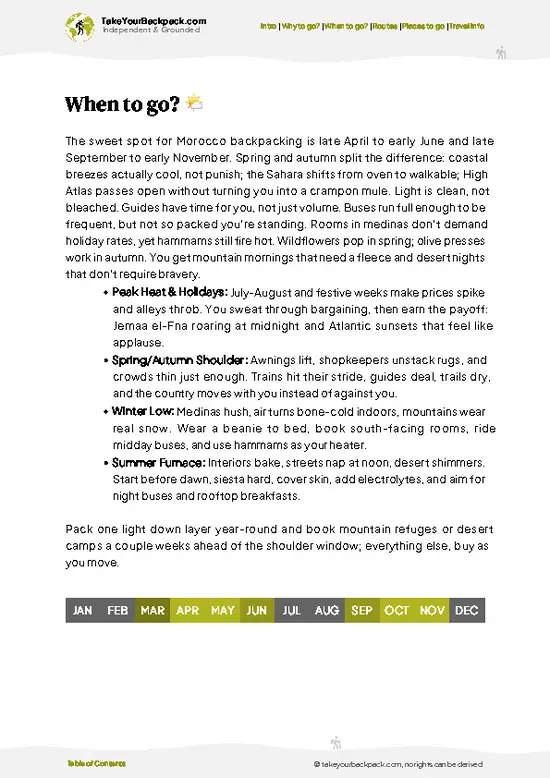
  • Weather: Figuig bakes under the Sahara sun, so spring (March to May) and autumn (September to November) offer a sweet spot—warm but not scorching, around 20-30°C (68-86°F). Summer can hit 40°C+ (104°F+), making trekking a sweatbox.

  • Temperature: Winter nights dip sharply, sometimes near 0°C (32°F), so pack layers if you visit December to February. Daytime stays mild, but the chill sneaks in after sunset.

  • Daylight Hours: Longer days in summer mean more hiking time, but the heat offsets that advantage. Spring and autumn balance daylight and comfort perfectly.

  • Crowds: Figuig isn’t a tourist magnet, but local festivals in spring can swell the town. Visiting just before or after these events means quieter streets and better deals.

  • Seasonal Activities: Spring brings blossoming palm groves
read more 👉

  • Weather: Figuig bakes under the Sahara sun, so spring (March to May) and autumn (September to November) offer a sweet spot—warm but not scorching, around 20-30°C (68-86°F). Summer can hit 40°C+ (104°F+), making trekking a sweatbox.

  • Temperature: Winter nights dip sharply, sometimes near 0°C (32°F), so pack layers if you visit December to February. Daytime stays mild, but the chill sneaks in after sunset.

  • Daylight Hours: Longer days in summer mean more hiking time, but the heat offsets that advantage. Spring and autumn balance daylight and comfort perfectly.

  • Crowds: Figuig isn’t a tourist magnet, but local festivals in spring can swell the town. Visiting just before or after these events means quieter streets and better deals.

  • Seasonal Activities: Spring brings blossoming palm groves and date palms, adding a fresh scent to the dry air. Autumn offers harvest time, a chance to see traditional farming in action.

  • Price Fluctuations: Off-peak winter months see lower prices on lodging and guides, but the cold might not suit everyone. Shoulder seasons balance cost and comfort well.


Pro-tip: Time your visit for early spring or late autumn to catch Figuig’s desert light at its softest—golden hours that make the ochre walls glow and the air smell like warm earth.


source: climatestotravel.comJANJanuary: good for travelingFEBFebruary: good for travelingMARMarch: highly recommended for travelingAPRApril: excellent for travelingMAYMay: excellent for travelingJUNJune: fair for travelingJULJuly: below average for travelingAUGAugust: below average for travelingSEPSeptember: excellent for travelingOCTOctober: excellent for travelingNOVNovember: highly recommended for travelingDECDecember: good for traveling
when-to-go

✈️ The backpacker research shortcutMorocco Travel Guide

An offline-friendly backpacking guide with optimized travel routes, ranked highlights, transport advice, and the best areas to stay.
example page 0 from our offline Travel Guide for Morocco
example page 1 from our offline Travel Guide for Morocco
example page 2 from our offline Travel Guide for Morocco
example page 3 from our offline Travel Guide for Morocco
example page 4 from our offline Travel Guide for Morocco
example page 5 from our offline Travel Guide for Morocco
example page 6 from our offline Travel Guide for Morocco
example page 7 from our offline Travel Guide for Morocco
The digital guide (487 pages) contains:
128 highlights, ranked by travel appeal
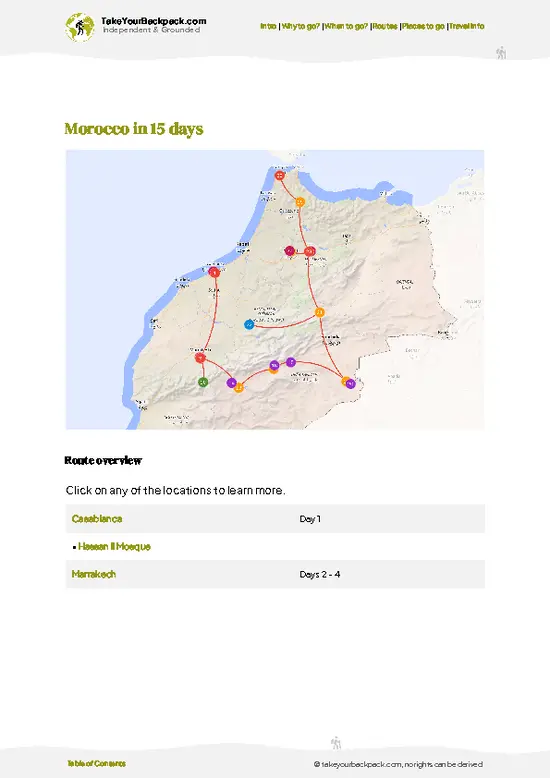
Optimized 5, 10 & 15-day travel routes
Cities, national parks, landmarks, beaches
How to get around
Offline-friendly for travel without Wi-Fi
👉 Click to see all 30+ guide features

📅 Plan smarter in minutes, not weeks
Month by month travel advice
Festivals & national holidays
Budget expectations

🗺️ Go to the right places, skip the overrated ones
Honest pros & cons of destinations
Top hikes, parks & viewpoints
Lesser-known places most travelers miss
Clear “worth it vs skip it” guidance

🛏️ Travel smoothly without rookie mistakes
Best areas to stay
Transport systems explained simply
Common scams & safety advice
SIM cards, money & practical tips

🌍 Understand the country, not just visit it
Culture & traditions
52 Essential phrases & customs
Festivals worth planning around
Traveler-friendly historical context
Insights that make places more meaningful

📱 Built for real travel conditions
Fully downloadable PDF
Works completely offline
Optimized for phone use
Useful in remote areas & buses
Everything in one place
Save weeks of stressful planning
Get instant access to your full guide. 30‑day money-back guarantee.


By proceeding you agree to our terms.
Sent to your inbox immediately after payment • 100% Secure Checkout
Best Backpacking Travel Advisor 2025 tourism awardBest Backpacking
Travel Advisor
2025
What others say about Take Your Backpack Guides:
⭐⭐⭐⭐⭐
Fantastic, amazing amount of information!
⭐⭐⭐⭐⭐
My goodness this is amazing, it's what I've been looking for hats off too you!
⭐⭐⭐⭐⭐
I think this is absolutely BRILLIANT
⭐⭐⭐⭐
Very complete and informative. It's still missing places, but I gotta to commend you
⭐⭐⭐⭐⭐
This is truly amazing, thank you, can't wait to explore it with my kids!
⭐⭐⭐⭐⭐
Awesome resource, thank you!
⭐⭐⭐⭐⭐
This is amazing! Can't wait to explore the ones I haven't seen
⭐⭐⭐⭐
I love this! Well done, great idea.
⭐⭐⭐⭐⭐
Thanks for taking the time to make this gem!
⭐⭐⭐⭐⭐
This might be the best website I've ever seen.
⭐⭐⭐⭐⭐
Congratulations, and thank you so much for your work; it's incredibly valuable.
⭐⭐⭐⭐
In all seriousness I think you did a great job pointing out the important spots
⭐⭐⭐⭐⭐
10/10 very good
⭐⭐⭐⭐⭐
As someone who's only just starting to visit regularly this is awesome, thank you.
⭐⭐⭐⭐
Thank you very much! I'm going to visit my dad, it's going to be very useful!
⭐⭐⭐⭐⭐
This is really cool! We'll be travelling for the first time and this definitely come in handy.
⭐⭐⭐⭐⭐
You are now our minister of culture, congratulations 👨‍💼
⭐⭐⭐⭐⭐
Just wanted to tell you that this is a pearl! Going to follow your recommendations.
⭐⭐⭐⭐⭐
This is so cool. I'll definitely be using the resource for my travels soon.
⭐⭐⭐⭐⭐
This is very impressive! Good work.
⭐⭐⭐⭐⭐
This is an amazing and informative site. Very well done!

🛏️ Where to stay?Best areas and accommodation options

Figuig’s heart for backpackers pulses strongest in the old ksar neighborhood. This cluster of ancient mud-brick homes, with narrow alleys that catch the morning light just right, offers more than safety—it’s where locals and travelers naturally cross paths. The air here carries the scent of fresh bread and spices, grounding you in daily life. Unlike the quieter outskirts, this area hums with social energy, perfect for solo travelers craving connection without the touristy gloss. Hostels and guesthouses here lean toward the modest but welcoming, often run by families who know the rhythm of the … read more 👉
Figuig’s heart for backpackers pulses strongest in the old ksar neighborhood. This cluster of ancient mud-brick homes, with narrow alleys that catch the morning light just right, offers more than safety—it’s where locals and travelers naturally cross paths. The air here carries the scent of fresh bread and spices, grounding you in daily life. Unlike the quieter outskirts, this area hums with social energy, perfect for solo travelers craving connection without the touristy gloss. Hostels and guesthouses here lean toward the modest but welcoming, often run by families who know the rhythm of the town. Staying here means stepping into Figuig’s story, not just passing through it.

🚌 Getting aroundHow to get around Figuig

Figuig moves at the pace of the desert wind—unhurried, deliberate, and shaped by the sun’s arc rather than a clock’s tick. This oasis town isn’t about rigid timetables or frantic dashes; it’s about reading the light as it shifts over adobe walls and palm groves, letting your feet find the rhythm. The streets are a patchwork of narrow alleys and open squares where locals gather, and the scent of date palms mingles with the dry earth. To navigate Figuig like a local, you’ll lean into this flow, balancing patience with a sense of discovery.


  • Walking: The most authentic and practical way to explore Figuig’s compact medina and palm groves. Distances are short, and the uneven, sandy paths reward slow steps with unexpected glimpses of daily life. No cost, just sturdy shoes and a readiness to get
read more 👉
Figuig moves at the pace of the desert wind—unhurried, deliberate, and shaped by the sun’s arc rather than a clock’s tick. This oasis town isn’t about rigid timetables or frantic dashes; it’s about reading the light as it shifts over adobe walls and palm groves, letting your feet find the rhythm. The streets are a patchwork of narrow alleys and open squares where locals gather, and the scent of date palms mingles with the dry earth. To navigate Figuig like a local, you’ll lean into this flow, balancing patience with a sense of discovery.


  • Walking: The most authentic and practical way to explore Figuig’s compact medina and palm groves. Distances are short, and the uneven, sandy paths reward slow steps with unexpected glimpses of daily life. No cost, just sturdy shoes and a readiness to get dusty.

  • Shared Taxis (Petit Taxis): These small, usually white cars run on flexible routes within town and to nearby villages. They don’t follow strict schedules but circulate frequently during daylight hours. Expect to pay a few dirhams per ride; negotiating the fare upfront is wise.

  • Intercity Buses: For trips beyond Figuig, buses connect to larger hubs like Oujda or Errachidia. Departures are generally early morning and late afternoon, with tickets costing around 30-50 MAD. The ride is slow but reliable, offering a window into the changing landscape outside the oasis.

  • Motorbike Rentals: For the adventurous on a budget, renting a motorbike offers freedom to explore the surrounding desert and palm groves at your own pace. Prices vary but expect around 100-150 MAD per day. Be prepared for rough terrain and bring your own helmet if possible.

👛 Costs (as of 13 November 2025)What things cost and how to budget

Backpacking in Figuig, Morocco, means stepping into a quiet oasis town where your money stretches well, but the charm comes from the slow rhythm of daily life, not flashy comforts.
  • Dorm Accommodation: Expect to pay around €8-€15 per night for a basic dorm bed in a guesthouse or small hostel. These places are simple, often family-run, with cool stone walls that keep the heat at bay. Don’t expect luxury—think clean, functional, and a chance to meet other travelers or locals.
  • Meals: Eating here is a sensory dive into Moroccan staples. A hearty tagine or couscous plate at a local eatery will cost about €3-€6. Street snacks like fresh bread, olives, and dates are even cheaper, often under €1. Fresh mint tea is a must and usually costs less than €0.50. Cooking your own meals is possible but less
read more 👉
Backpacking in Figuig, Morocco, means stepping into a quiet oasis town where your money stretches well, but the charm comes from the slow rhythm of daily life, not flashy comforts.
  • Dorm Accommodation: Expect to pay around €8-€15 per night for a basic dorm bed in a guesthouse or small hostel. These places are simple, often family-run, with cool stone walls that keep the heat at bay. Don’t expect luxury—think clean, functional, and a chance to meet other travelers or locals.
  • Meals: Eating here is a sensory dive into Moroccan staples. A hearty tagine or couscous plate at a local eatery will cost about €3-€6. Street snacks like fresh bread, olives, and dates are even cheaper, often under €1. Fresh mint tea is a must and usually costs less than €0.50. Cooking your own meals is possible but less common since local food is both affordable and part of the experience.
  • Local Transport: Figuig is small enough to explore mostly on foot, which is free and lets you soak in the scent of dry earth and the sound of distant calls to prayer. For longer trips or to nearby villages, shared taxis run around €1-€3 per ride. Renting a bike is rare but might be possible for about €5 a day.
  • Basic Activities/Entry Fees: The town’s main draw is wandering its ancient ksar (fortified village) and palm groves, which are free or ask for a small donation of around €1-€2. Guided tours, if you find one, might cost €10-€15 but are not essential. The real activity is absorbing the atmosphere, not ticking off pricey sights.
  • Miscellaneous Expenses: Bottled water, snacks, or small souvenirs like handmade pottery or woven goods typically cost between €1-€5. Internet access is spotty but available in some guesthouses, often included in the room price or for a small fee (€1-€2).

All told, you’re looking at a daily budget of roughly €15-€30 to cover the essentials without cutting corners. Figuig rewards patience and curiosity more than cash. The modest costs reflect a place where the payoff is the slow unfolding of a desert town’s quiet pulse, not a flashy tourist circuit.


source: visitmorocco.com
⚠️ Prices can change and everyone travels differently, so take this as a rough guide. Hope it helps you plan your adventure!

🚌 Day tripsBest day trips from Figuig

Figuig, Morocco, is a backpacker’s dream base, offering a gateway to stunning landscapes and rich culture. The charm of this oasis town lies in its accessibility to diverse day trips that promise both adventure and insight.

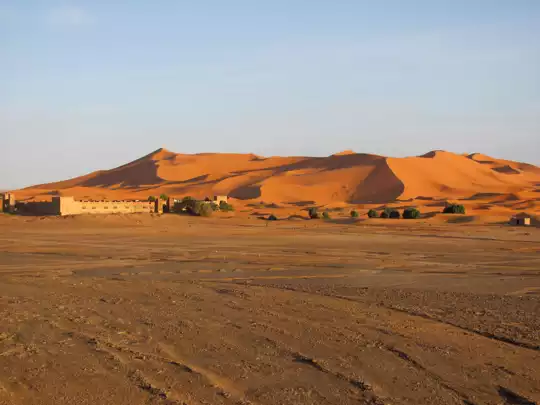
Trip to the Erg Chebbi Dunes
Just a couple of hours from Figuig, the Erg Chebbi Dunes are a must-see. Picture yourself standing atop golden sand hills, the sun casting long shadows as it dips below the horizon. The drive is about 2.5 hours, and you can expect to spend around 100 MAD on transport. The best time to visit is during the cooler months, from October to April, when the heat isn’t oppressive. A common mistake? Many first-timers rush to the dunes without packing enough water or snacks for the trek. Trust me, you’ll want to linger and soak in the surreal beauty. … read more 👉
Figuig, Morocco, is a backpacker’s dream base, offering a gateway to stunning landscapes and rich culture. The charm of this oasis town lies in its accessibility to diverse day trips that promise both adventure and insight.

Trip to the Erg Chebbi Dunes
Just a couple of hours from Figuig, the Erg Chebbi Dunes are a must-see. Picture yourself standing atop golden sand hills, the sun casting long shadows as it dips below the horizon. The drive is about 2.5 hours, and you can expect to spend around 100 MAD on transport. The best time to visit is during the cooler months, from October to April, when the heat isn’t oppressive. A common mistake? Many first-timers rush to the dunes without packing enough water or snacks for the trek. Trust me, you’ll want to linger and soak in the surreal beauty.


Trip to the Palm Groves of Tafilalet
A short 1.5-hour drive leads you to the lush Palm Groves of Tafilalet. This area is a sensory feast: the sweet scent of dates fills the air, and the rustling palms create a soothing backdrop. You can wander through the groves, visit local markets, and even chat with friendly farmers. Expect to spend around 50 MAD on transport. The best time to go is early morning when the light is soft, and the temperatures are mild. A rookie mistake is sticking to the main paths; venture off the beaten track for a more authentic experience.


Trip to the Town of Bouarfa
About an hour away, Bouarfa offers a glimpse into local life. The town is known for its vibrant souks and the unique architecture of its buildings. You can explore the market, where the colors and sounds create an electric atmosphere. Budget around 50 MAD for transport. The ideal time to visit is during market days, typically Wednesdays and Saturdays, when the town buzzes with activity. Many travelers overlook this spot, thinking it’s just another town, but the cultural immersion is worth the trip.


Trip to the Ziz Valley
Roughly 2 hours from Figuig, Ziz Valley is a stunning contrast of lush greenery against arid mountains. The valley is famous for its date palms and dramatic landscapes. You can hike along the riverbanks or simply relax and enjoy the view. Expect to spend about 100 MAD on transport. The best months to visit are March to May, when the valley is in full bloom. A common oversight is not bringing a camera; the vistas here are Instagram gold.
Want to know what more Morocco offers?
The Morocco Travel Guide describes 128 highlights, from cities to national parks, from beaches to hikes

Get the Travel Guide -

🛡️ SafetyStaying Safe: What Travelers Should Know

Figuig, Morocco, is generally safe, but a few practical tips can enhance your experience. The town’s charm lies in its narrow streets and bustling markets, but keep your wits about you in crowded areas. Vendors can be persistent, so a polite but firm “no, thank you” works wonders.

If you’re traveling solo, especially at night, stick to well-lit areas and avoid wandering too far off the beaten path. The atmosphere shifts after dark; while it’s not dangerous, it’s quieter, and fewer people are around.

Common annoyances include occasional touts who might offer guided tours or insist on showing you around. A friendly smile and a clear “I’m just exploring” can help you navigate these interactions smoothly. Carry yourself confidently, and you’ll blend in seamlessly, soaking up the authentic vibe of this unique town.

Other Moroccan towns near Figuig

Explore more nearby:

  • Merzouga—Erg Chebbi dunes, camel treks, desert camps| 287 km away
  • Erfoud—fossil workshops, palm groves, desert festivals| 294 km away
  • Rissani—date markets, mausoleum, desert crossroads| 301 km away

💡 Not sure where to go next?
Create a personalized itinerary for Morocco including Figuig and the places that fit your trip.

Generate my itinerary

👉 Discover all towns

Or checkout all Morocco has to offer (think cities, towns, villages, national parks, hikes, beaches, festivals)
Country photo of Morocco

We 💚 feedbackKey takeaways before you go

Figuig is a slice of Morocco that feels like stepping into a time capsule. The date palms sway gently, and the air is thick with the sweet scent of ripe fruit. But here’s the kicker: it’s remote. Getting there takes effort, and the roads can be rough. Embrace the journey, though; the reward is a genuine connection to Berber culture that’s hard to find elsewhere. Just be ready for some bumps along the way.

✈️ When did I visit Morocco?
In October 2011, I backpacked Morocco for two weeks, with climbing the Mount Toubkal in summer clothing as a highlight.

✍️ Help improve this page!
The information on this page is based on my own backpacking experience in Morocco, supplemented with up-to-date research and feedback from other travelers. Travel details can change, so if you notice anything outdated or incomplete, feel free to let me know.


🙋‍♂️ Give feedback

👋 Meet the founderWho’s Behind Take Your Backpack?

Johan, backpacker and founder of TakeYourBackpackHi, I’m Johan (Netherlands 🇳🇱), the creator of TakeYourBackpack. Over the past decade, I’ve backpacked through 80+ countries across six continents, gaining extensive experience with independent travel, long-term trips, and overland routes.

This site is built on a combination of firsthand travel experience and carefully curated insights from other backpackers. Many guides are based on places I’ve personally visited, while others bring together tips, observations, and practical advice shared by trusted travelers I’ve met along the way.

The goal is to provide realistic, experience-driven guidance — not generic itineraries — so you can explore destinations with better context, clearer expectations, and more confidence.

Get full Morocco guide •
Instant download • 128 highlights • Full Offline guide