v2.webp)
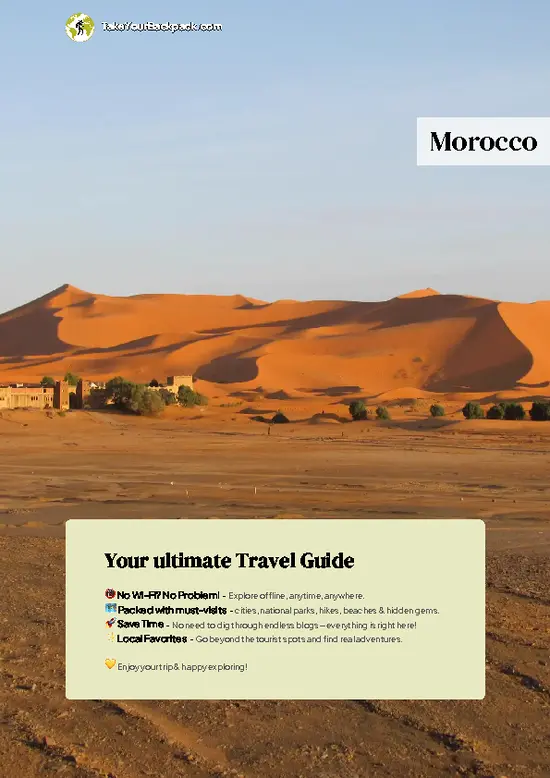
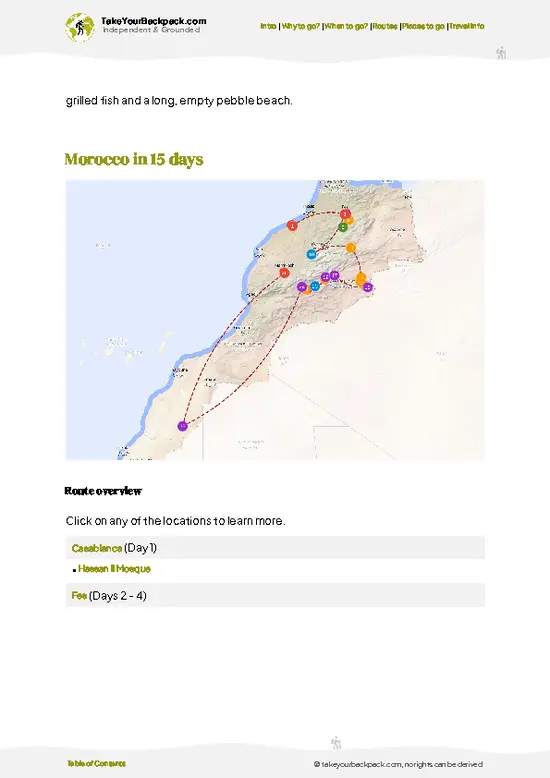
- Erg Chebbi dunes: The reason everyone comes. Walk up from the edge of the village to the high crests. Go at sunrise or late afternoon for cooler sand and long shadows. Free to enter, allow 2 to 3 hours for a proper climb.
- Camel trek to a desert camp: The classic overnight, with a slow ride in at dusk, dinner, music and a dawn return. Expect US$30 to 70 per person depending on camp comfort, 14 to 18 hours in total.
- Khamlia village: A small settlement of descendants of Sub-Saharan Africans, known for Gnawa music played with drums and iron castanets. A live session usually costs US$5 to 10 as a tip or fee, about 1 hour. Afternoon or evening works best.
- Sandboarding on the dunes: Boards are offered by guesthouses and camps, and the steep leeward slopes are good for beginners. Rental runs US$3 to
- Erg Chebbi dunes: The reason everyone comes. Walk up from the edge of the village to the high crests. Go at sunrise or late afternoon for cooler sand and long shadows. Free to enter, allow 2 to 3 hours for a proper climb.
- Camel trek to a desert camp: The classic overnight, with a slow ride in at dusk, dinner, music and a dawn return. Expect US$30 to 70 per person depending on camp comfort, 14 to 18 hours in total.
- Khamlia village: A small settlement of descendants of Sub-Saharan Africans, known for Gnawa music played with drums and iron castanets. A live session usually costs US$5 to 10 as a tip or fee, about 1 hour. Afternoon or evening works best.
- Sandboarding on the dunes: Boards are offered by guesthouses and camps, and the steep leeward slopes are good for beginners. Rental runs US$3 to 8, 1 to 2 hours. Go in the cooler morning.
- Dayet Srji seasonal lake: A shallow lake that fills after heavy rain and can attract flamingos and other birds. Reached by a short drive or 4x4 tour, often US$15 to 30 shared, about 2 hours. Dry most years, so check locally before going.
Spotted a mistake or missing something? Contact us.

Merzouga camel ride, overnight stay at Desert Luxury Camp

Merzouga quad bike & sandboarding

private morocco desert tours

Merzouga : Quad Bike Adventure in the Sahara Desert

Merzouga 4X4 -Day Trip With Private Local Guide

Excursions Quad Riding in Merzouga

1 night Camel trek in Merzouga Desert Luxury Camp NO EXTRA

Merzouga Camel Ride & Maktub Overnight Desert Activities

Camel Ride From Merzouga with 1 Night Experience


 Best Backpacking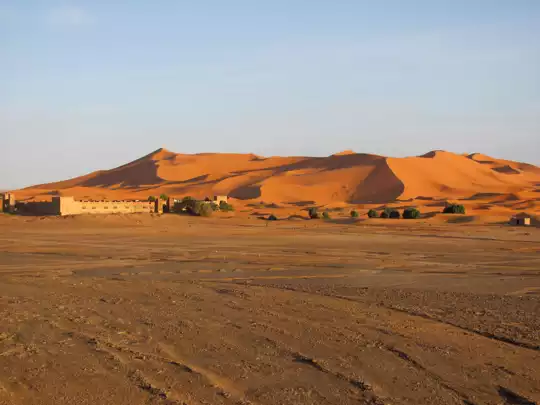
.jpg) Hi, I’m Johan (Netherlands 🇳🇱), the creator of TakeYourBackpack. Over the past 3 decades, I’ve backpacked through 90+ countries across six continents, gaining extensive experience with independent travel, long-term trips, and overland routes.
Hi, I’m Johan (Netherlands 🇳🇱), the creator of TakeYourBackpack. Over the past 3 decades, I’ve backpacked through 90+ countries across six continents, gaining extensive experience with independent travel, long-term trips, and overland routes.