How many towns: Plan on
four to six towns for a two-week trip, and three or four for ten days. Each medina needs a full day to start making sense, and Moroccan transport is slow enough that every extra stop costs half a day. Past six, towns start to blur and you pay for it in bus tickets and tired legs.
Which kind for which traveler: First-timers should include
one big imperial medina, because the scale, craft quarters and old madrasas are something no smaller place matches. Then balance it with a
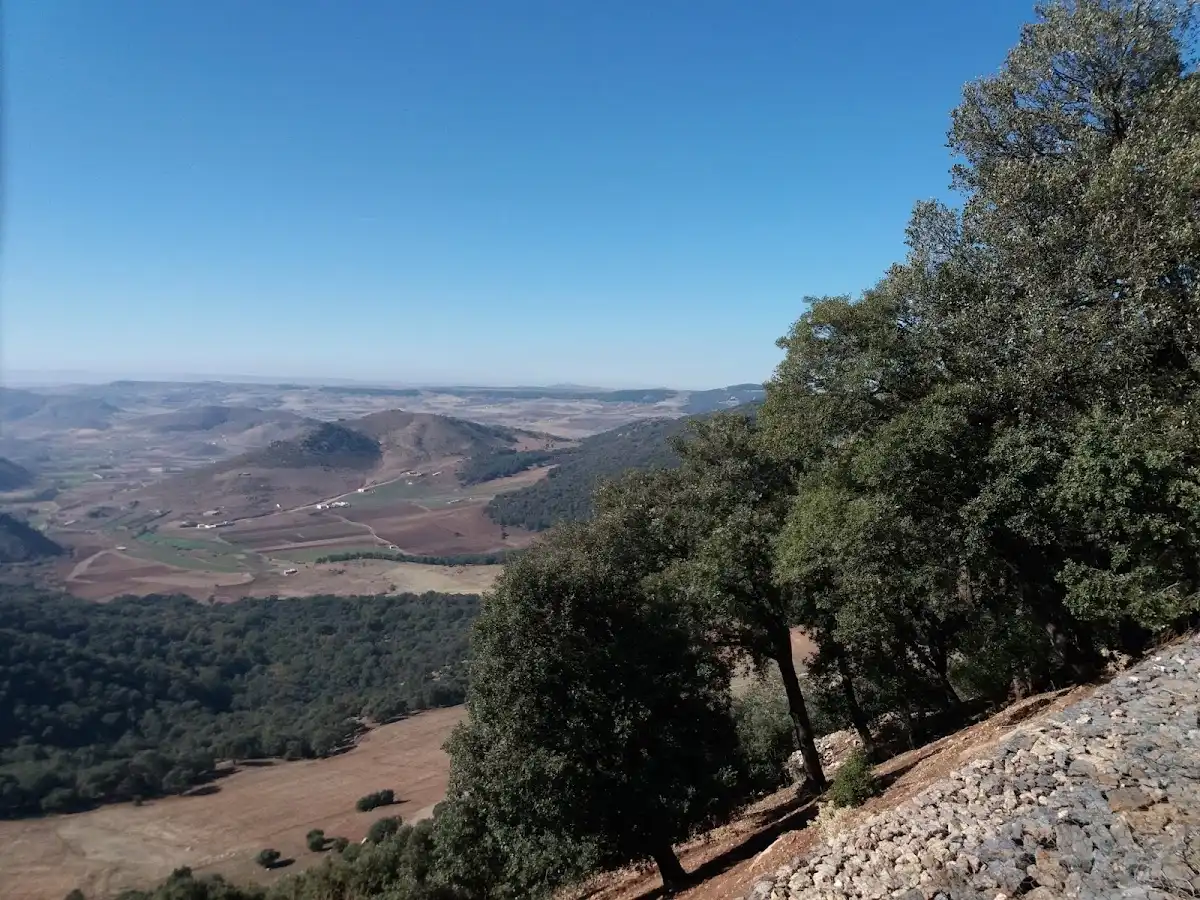
coastal or mountain town to recover. Budget travelers and hikers get the most value from
Atlas and Rif towns, where beds are cheap and hassle is lower. Food-focused travelers should skip the polished riads and eat where locals do. Beach seekers should be realistic: the Atlantic is cold and windy for …
read more 👉 How many towns: Plan on
four to six towns for a two-week trip, and three or four for ten days. Each medina needs a full day to start making sense, and Moroccan transport is slow enough that every extra stop costs half a day. Past six, towns start to blur and you pay for it in bus tickets and tired legs.
Which kind for which traveler: First-timers should include
one big imperial medina, because the scale, craft quarters and old madrasas are something no smaller place matches. Then balance it with a
coastal or mountain town to recover. Budget travelers and hikers get the most value from
Atlas and Rif towns, where beds are cheap and hassle is lower. Food-focused travelers should skip the polished riads and eat where locals do. Beach seekers should be realistic: the Atlantic is cold and windy for most of the year, so it suits surfing and sunsets better than swimming. A town that exists mainly for coach groups is not worth a night.
What it costs: Expect
US$25 to 45 a day (roughly 250 to 450 dirhams) on a backpacker budget. Dorm beds run 80 to 180 MAD (US$8 to 18), simple private rooms 200 to 400 MAD (US$20 to 40), and a good tagine meal 40 to 80 MAD (US$4 to 8). Medina and monument entries are usually 10 to 70 MAD (US$1 to 7), with a few madrasas and palaces at the upper end. Official guides cost about 250 to 400 MAD (US$25 to 40) for a half day, and are worth hiring once in a big medina. Trains and CTM buses cost about 50 to 250 MAD (US$5 to 25) per leg. Grand taxis are cheap per seat but ask the fare before getting in.
Safety and etiquette: Morocco is generally safe for independent travelers, and violent crime against tourists is rare. The real issue is
persistent touting. People who say a street is closed, or offer to lead you to your hotel, expect payment. A calm “no, thank you” and steady walking works better than engaging. Agree prices before accepting taxis, tours or snake-charmer photos. Pickpocketing happens in crowded souks and on trains, so keep your phone in a front pocket.
Cultural considerations: Dress
modestly, with shoulders and knees covered, which matters more in conservative interior and mountain towns. Women travelers often get unwanted attention, and loose clothing, sunglasses and confident silence reduce it. Only a few mosques admit non-Muslims, so ask before entering, and always ask permission before photographing people. Public displays of affection draw disapproval, and unmarried couples can face questions at some hotels. During Ramadan, avoid eating or drinking openly in smaller towns during daylight.
Is it worth the trip: Yes, if you accept a bit of friction. The payoff is some of the best
value in the Mediterranean world: working old quarters, hand-made craft, and mint tea offered without a sales pitch more often than you would expect once you leave the main circuit.




 Best Backpacking
 Hi, I’m Johan (Netherlands 🇳🇱), the creator of TakeYourBackpack. Over the past 3 decades, I’ve backpacked through 90+ countries across six continents, gaining extensive experience with independent travel, long-term trips, and overland routes.