×

Mozambique🇲🇿 | citiesGuruétea estates, mountain backdrop, cool climate | things to do and best time to go

Explore MaxixeExplore Mocuba

Backpacking in Gurué
🌟 Highlightcity ranked #4
By Johan Kruseman 🇳🇱 | Updated June 13, 2026

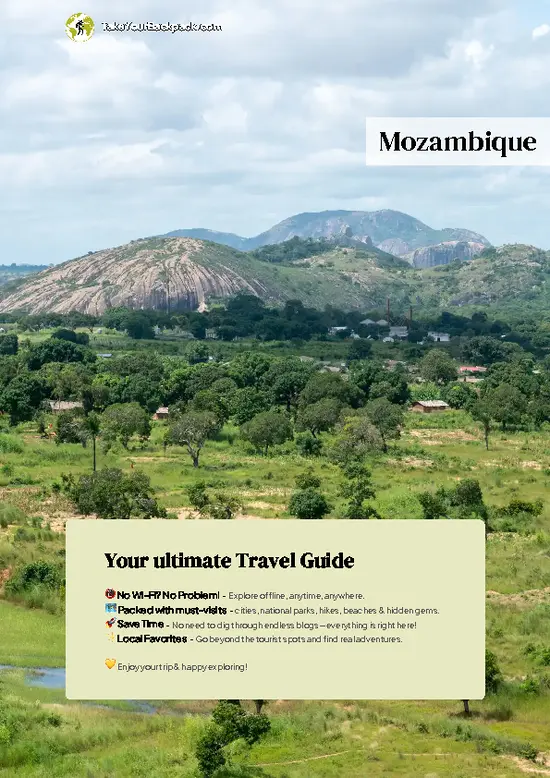
Gurué used to be a secret whispered between old-school overlanders—just a handful of tea-stained streets, the scent of wet earth after rain, and the green jaws of Mount Namuli looming over everything. Today, Gurué is still off the main tourist radar, but the word is out: this is Mozambique’s tea country, tucked in the north-central highlands, where the mornings are cool and the hillsides glow with mist. For backpackers, Gurué is a place to slow down. The town itself is modest—don’t expect a buzzing nightlife or a parade of hostels. Instead, you’ll find a sleepy market, faded colonial buildings, and a handful of guesthouses where the evenings are quiet and the air smells faintly of woodsmoke and tea leaves. It’s best used as a base for hiking—Namuli’s granite flanks are a real draw—or as a scenic pause between Nampula and the Zambezi corridor. Buses are infrequent and slow, but the town is walkable once you arrive. Costs are low, but amenities are basic. Compared to Nampula or Quelimane, Gurué is more scenic, less practical, and far less touristic—perfect if you want nature and authenticity, but not for those craving urban comforts or a social backpacker scene.

Discover everything you want to know in the 📖 Mozambique Travel Guide.
Loading the map 🌍
CLICK TO FILTER
cities
towns
national parks
hikes
beaches
attractions
festivals
regions
SHOW COUNTRY’S BESTSHOW ALL

✨ Why go?
Ranked #4 city in Mozambique
Reasons people choose to visit here

In the heart of Mozambique, Gurué serves as a strategic waypoint for backpackers seeking both adventure and culture. Its walkable streets invite exploration, where the air is often filled with the aroma of local dishes sizzling in small eateries. This town is a gateway to nearby hikes in the Mount Binga area, perfect for those craving stunning vistas and a good sweat.

Accommodations range from small-scale hostels to cozy guesthouses, fostering a friendly social atmosphere that appeals to solo travelers and small groups alike. You’ll find a mix of slow travelers who linger to soak in the local vibe and those who use it as a brief stopover before heading to the coast. The pace here is relaxed, making it easy to connect with fellow adventurers over a shared meal or a sunset chat.

Gurué isn’t … read more 👉
In the heart of Mozambique, Gurué serves as a strategic waypoint for backpackers seeking both adventure and culture. Its walkable streets invite exploration, where the air is often filled with the aroma of local dishes sizzling in small eateries. This town is a gateway to nearby hikes in the Mount Binga area, perfect for those craving stunning vistas and a good sweat.

Accommodations range from small-scale hostels to cozy guesthouses, fostering a friendly social atmosphere that appeals to solo travelers and small groups alike. You’ll find a mix of slow travelers who linger to soak in the local vibe and those who use it as a brief stopover before heading to the coast. The pace here is relaxed, making it easy to connect with fellow adventurers over a shared meal or a sunset chat.

Gurué isn’t about nightlife; it’s about the authentic experience of Mozambique, where every moment feels earned, and the payoff is rich in connection and discovery.
Want to include Gurué in your Mozambique route?
Create a personalized Mozambique itinerary that includes Gurué and the places that fit your trip — based on your travel style, budget, and available time. Get your route in seconds.

Generate my trip

💡 HighlightsPlaces and moments you shouldn't skip

  • Gurué Tea Plantations & Factory ( Chá de Gurué ) — The town’s beating heart: acres of terraced tea, the working factory where you can watch withering, rolling and drying, and the chance to talk with workers who’ve kept tea production alive here for generations.
  • Panoramic tea-view miradouros (local viewpoints) — Walk up any of the short trails above town for sweeping views over emerald tea terraces and the valley below; best at sunrise or late afternoon when the light sculpts the hills.
  • Mercado Municipal de Gurué (Central Market) — A colourful, noisy slice of daily life: fresh produce, loose tea for sale, informal stalls with crafts and snacks, and a great place to practice Swahili/Portuguese phrases while sampling local food.
  • Tea pickers’ villages and walking routes — Short, authentic
read more 👉
  • Gurué Tea Plantations & Factory ( Chá de Gurué ) — The town’s beating heart: acres of terraced tea, the working factory where you can watch withering, rolling and drying, and the chance to talk with workers who’ve kept tea production alive here for generations.
  • Panoramic tea-view miradouros (local viewpoints) — Walk up any of the short trails above town for sweeping views over emerald tea terraces and the valley below; best at sunrise or late afternoon when the light sculpts the hills.
  • Mercado Municipal de Gurué (Central Market) — A colourful, noisy slice of daily life: fresh produce, loose tea for sale, informal stalls with crafts and snacks, and a great place to practice Swahili/Portuguese phrases while sampling local food.
  • Tea pickers’ villages and walking routes — Short, authentic village walks through working tea settlements where you’ll see how leaf-pickers live, visit simple homes, and sometimes share a cup of tea with locals.
  • Old colonial-era manager bungalows and streetscape — The scattered colonial houses and office buildings from the plantation era give a tangible sense of Gurué’s history; wandering these streets shows how the town grew around tea.
  • Igreja (the main parish church) — More than architecture: the church is a social hub where services, community gatherings and local celebrations happen — useful to visit for cultural context and people-watching.
  • Local tea cooperative/estate offices — Small, active offices where you can learn about the local economics of tea, buy directly from producers, and sometimes arrange tours deeper into the estates.
  • Estádio Municipal / local football matches — Catching an evening or weekend game is an instant way to feel the town’s pulse; football in Gurué is lively, social and cheap to attend.
  • Streetside cafés, bakeries and informal eateries — The simple bakeries and tea stalls in town are where locals actually eat — try local sweet breads, samosas and, of course, a strong cup of Gurué tea.
  • Community cultural spots and small events — From periodic markets to school festivals and church fêtes, these rotating, community-driven events (check with the market or hotel) offer the best, most genuine cultural encounters you can have in town.
A few real, visitable highlights just outside Gurué worth day-tripping to: deeper highland tea estates and hill-top trails around the district, nearby waterfalls and river valleys in the Gurué countryside, and the small rural villages that organize guided walks into the surrounding mountains.
Spotted a mistake or missing something? Contact us.

🏘️ NeighborhoodsUnderstanding the local layout

Gurué is a vibrant town in Mozambique that offers a unique blend of culture, nature, and community. Here’s how to navigate its neighborhoods for an optimal backpacking experience.

Centro: This is the heart of Gurué. You’ll find bustling markets, local eateries, and a lively atmosphere. It’s walkable, making it easy to explore on foot. Prices are reasonable, and you can snag a cheap meal for a few meticais. The nightlife is low-key, with a few bars where locals gather. Perfect for short stays if you want to soak in the local vibe.

Chitima: A quieter area, Chitima is ideal for those seeking a peaceful retreat. The streets are lined with trees, and the air is filled with the scent of local flora. Accommodation here tends to be more affordable, with guesthouses that offer a homely feel. It’s … read more 👉
Gurué is a vibrant town in Mozambique that offers a unique blend of culture, nature, and community. Here’s how to navigate its neighborhoods for an optimal backpacking experience.

Centro: This is the heart of Gurué. You’ll find bustling markets, local eateries, and a lively atmosphere. It’s walkable, making it easy to explore on foot. Prices are reasonable, and you can snag a cheap meal for a few meticais. The nightlife is low-key, with a few bars where locals gather. Perfect for short stays if you want to soak in the local vibe.

Chitima: A quieter area, Chitima is ideal for those seeking a peaceful retreat. The streets are lined with trees, and the air is filled with the scent of local flora. Accommodation here tends to be more affordable, with guesthouses that offer a homely feel. It’s less walkable, so consider renting a bike. Great for longer stays if you want to unwind and connect with nature.

Monte Binga: If you’re looking for adventure, head to Monte Binga. This area is a gateway to hiking trails and stunning views. It’s a bit more remote, so transport can be tricky, but the effort is worth it. The vibe is energetic, with fellow trekkers sharing stories. Ideal for those planning a longer stay focused on outdoor activities.

Each area has its charm, so choose based on what you want to experience.

⌛️ 1 dayHow to make the most of one day

Gurué, Mozambique, is a town that pulses with life, nestled in the lush hills of the Zambezia province. It’s a place where the air is thick with the scent of fresh cassava and the sounds of daily life create a vibrant backdrop. You’re not just passing through; you’re stepping into a community rich in culture and warmth.

Start your morning at the bustling local market. The sun filters through the colorful awnings, casting playful shadows on the ground. Here, you can sample freshly made pão, a local bread, while chatting with vendors. They’ll share stories about their crafts and the produce they sell. This is your chance to soak in the atmosphere and grab some snacks for later.

As the day unfolds, head to the nearby Mount Gurué. The hike is invigorating, with trails that wind through dense … read more 👉
Gurué, Mozambique, is a town that pulses with life, nestled in the lush hills of the Zambezia province. It’s a place where the air is thick with the scent of fresh cassava and the sounds of daily life create a vibrant backdrop. You’re not just passing through; you’re stepping into a community rich in culture and warmth.

Start your morning at the bustling local market. The sun filters through the colorful awnings, casting playful shadows on the ground. Here, you can sample freshly made pão, a local bread, while chatting with vendors. They’ll share stories about their crafts and the produce they sell. This is your chance to soak in the atmosphere and grab some snacks for later.

As the day unfolds, head to the nearby Mount Gurué. The hike is invigorating, with trails that wind through dense forests. The air is crisp, and the views from the top are rewarding. You’ll see the patchwork of fields below, dotted with small homesteads. It’s a moment to breathe deeply and appreciate the beauty of the landscape.

In the afternoon, wander through the neighborhoods of Gurué. Visit the Igreja de São José, a charming church that reflects the town’s colonial history. The architecture is a blend of Portuguese influence and local style, offering a glimpse into the past.

As evening approaches, find a local eatery where you can savor a plate of matapa, a dish made from cassava leaves and peanuts. The flavors are rich, and the atmosphere is filled with laughter and conversation.

End your day at the edge of town, where the sunset paints the sky in hues of orange and pink. It’s a perfect moment to reflect on your day, feeling the pulse of Gurué in your heart.
Turn your Gurué visit into an Mozambique adventure
Build a complete Mozambique route with Gurué, hidden gems, must-see destinations, and realistic travel times included.

Generate my trip

🌤️ When to go?When to go for the best experience


  • Weather: Gurué’s climate swings between a wet season from November to April and a dry season from May to October. The dry months bring clearer skies and less mud, making trails easier to navigate and the air crisp with the scent of eucalyptus and tea leaves.

  • Temperature: During the dry season, daytime highs hover around 22-26°C (72-79°F), perfect for trekking without overheating. Nights can dip to 10-15°C (50-59°F), so pack layers for chilly evenings.

  • Daylight Hours: Near the equator, daylight stays consistent year-round, roughly 12 hours a day. This steady rhythm means you can plan hikes and explorations without worrying about early sunsets.

  • Crowds: Tourism in Gurué is low-key year-round, but the dry season sees a slight uptick as backpackers chase the best trail conditions. You’ll
read more 👉

  • Weather: Gurué’s climate swings between a wet season from November to April and a dry season from May to October. The dry months bring clearer skies and less mud, making trails easier to navigate and the air crisp with the scent of eucalyptus and tea leaves.

  • Temperature: During the dry season, daytime highs hover around 22-26°C (72-79°F), perfect for trekking without overheating. Nights can dip to 10-15°C (50-59°F), so pack layers for chilly evenings.

  • Daylight Hours: Near the equator, daylight stays consistent year-round, roughly 12 hours a day. This steady rhythm means you can plan hikes and explorations without worrying about early sunsets.

  • Crowds: Tourism in Gurué is low-key year-round, but the dry season sees a slight uptick as backpackers chase the best trail conditions. You’ll find a quiet, authentic vibe with just enough fellow travelers to swap stories.

  • Seasonal Activities: The dry months are prime for exploring tea plantations and hiking through lush forests. The wet season, while challenging, turns the landscape into a vivid green spectacle, but trails can be slippery and some roads impassable.

  • Price Fluctuations: Accommodation and transport costs dip during the wet season due to fewer visitors, but the trade-off is rougher travel conditions. The dry season commands slightly higher prices but rewards you with smoother logistics and better access.


Pro-tip: Aim for the shoulder months of May and October to catch the tail ends of the dry season—fewer crowds, manageable weather, and the landscape still lush enough to feel alive.


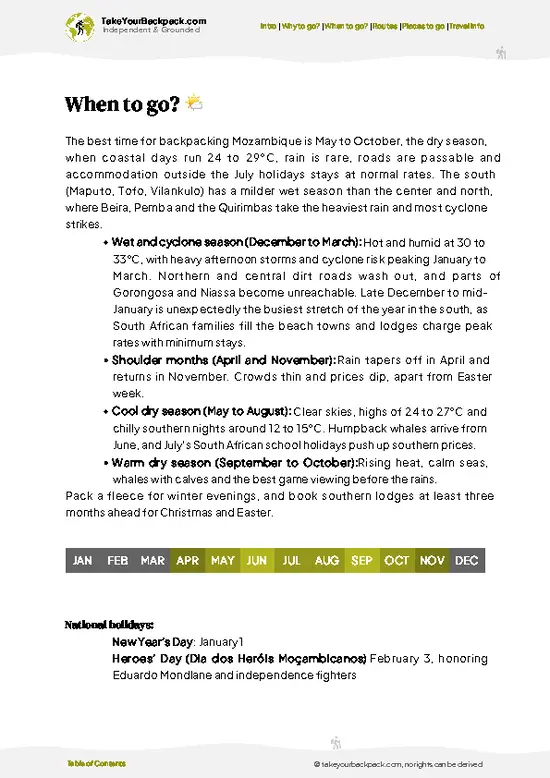
source: climatestotravel.comJANJanuary: fair for travelingFEBFebruary: fair for travelingMARMarch: fair for travelingAPRApril: fair for travelingMAYMay: highly recommended for travelingJUNJune: excellent for travelingJULJuly: excellent for travelingAUGAugust: excellent for travelingSEPSeptember: excellent for travelingOCTOctober: highly recommended for travelingNOVNovember: fair for travelingDECDecember: fair for traveling
when-to-go

✈️ The backpacker research shortcutMozambique Travel Guide

An offline-friendly backpacking guide with optimized travel routes, ranked highlights, transport advice, and the best areas to stay.
example page 0 from our offline Travel Guide for Mozambique
example page 1 from our offline Travel Guide for Mozambique
example page 2 from our offline Travel Guide for Mozambique
example page 3 from our offline Travel Guide for Mozambique
example page 4 from our offline Travel Guide for Mozambique
example page 5 from our offline Travel Guide for Mozambique
example page 6 from our offline Travel Guide for Mozambique
example page 7 from our offline Travel Guide for Mozambique
The digital guide (345 pages) contains:
86 highlights, ranked by travel appeal
Optimized 5, 10 & 15-day travel routes
Cities, national parks, landmarks, beaches
How to get around
Offline-friendly for travel without Wi-Fi
👉 Click to see all 30+ guide features

📅 Plan smarter in minutes, not weeks
Month by month travel advice
Festivals & national holidays
Budget expectations

🗺️ Go to the right places, skip the overrated ones
Honest pros & cons of destinations
Top hikes, parks & viewpoints
Lesser-known places most travelers miss
Clear “worth it vs skip it” guidance

🛏️ Travel smoothly without rookie mistakes
Best areas to stay
Transport systems explained simply
Common scams & safety advice
SIM cards, money & practical tips

🌍 Understand the country, not just visit it
Culture & traditions
52 Essential phrases & customs
Festivals worth planning around
Traveler-friendly historical context
Insights that make places more meaningful

📱 Built for real travel conditions
Fully downloadable PDF
Works completely offline
Optimized for phone use
Useful in remote areas & buses
Everything in one place
Save weeks of stressful planning
Get instant access to your full guide. 30‑day money-back guarantee.


By proceeding you agree to our terms.
Sent to your inbox immediately after payment • 100% Secure Checkout
Best Backpacking Travel Advisor 2025 tourism awardBest Backpacking
Travel Advisor
2025
What others say about Take Your Backpack Guides:
⭐⭐⭐⭐⭐
Fantastic, amazing amount of information!
⭐⭐⭐⭐⭐
My goodness this is amazing, it's what I've been looking for hats off too you!
⭐⭐⭐⭐⭐
I think this is absolutely BRILLIANT
⭐⭐⭐⭐
Very complete and informative. It's still missing places, but I gotta to commend you
⭐⭐⭐⭐⭐
This is truly amazing, thank you, can't wait to explore it with my kids!
⭐⭐⭐⭐⭐
Awesome resource, thank you!
⭐⭐⭐⭐⭐
This is amazing! Can't wait to explore the ones I haven't seen
⭐⭐⭐⭐
I love this! Well done, great idea.
⭐⭐⭐⭐⭐
Thanks for taking the time to make this gem!
⭐⭐⭐⭐⭐
This might be the best website I've ever seen.
⭐⭐⭐⭐⭐
Congratulations, and thank you so much for your work; it's incredibly valuable.
⭐⭐⭐⭐
In all seriousness I think you did a great job pointing out the important spots
⭐⭐⭐⭐⭐
10/10 very good
⭐⭐⭐⭐⭐
As someone who's only just starting to visit regularly this is awesome, thank you.
⭐⭐⭐⭐
Thank you very much! I'm going to visit my dad, it's going to be very useful!
⭐⭐⭐⭐⭐
This is really cool! We'll be travelling for the first time and this definitely come in handy.
⭐⭐⭐⭐⭐
You are now our minister of culture, congratulations 👨‍💼
⭐⭐⭐⭐⭐
Just wanted to tell you that this is a pearl! Going to follow your recommendations.
⭐⭐⭐⭐⭐
This is so cool. I'll definitely be using the resource for my travels soon.
⭐⭐⭐⭐⭐
This is very impressive! Good work.
⭐⭐⭐⭐⭐
This is an amazing and informative site. Very well done!

🛏️ Where to stay?How to pick the right area

In Gurué, the best spot for backpackers is the town center, where the pulse of daily life hums steadily. This area isn’t just about convenience—it’s where you catch the scent of fresh coffee roasting nearby, a nod to the region’s famed plantations. Staying here means you’re close to local markets and small eateries, where the air carries the sharp tang of spices and the chatter of vendors. It’s a place that feels alive without overwhelming, perfect for solo travelers looking to plug into the community vibe.

Compared to the quieter outskirts, the center offers a safer, more social environment. … read more 👉
In Gurué, the best spot for backpackers is the town center, where the pulse of daily life hums steadily. This area isn’t just about convenience—it’s where you catch the scent of fresh coffee roasting nearby, a nod to the region’s famed plantations. Staying here means you’re close to local markets and small eateries, where the air carries the sharp tang of spices and the chatter of vendors. It’s a place that feels alive without overwhelming, perfect for solo travelers looking to plug into the community vibe.

Compared to the quieter outskirts, the center offers a safer, more social environment. You’ll find a handful of budget-friendly hostels scattered around, often run by locals who double as informal guides. These spots are hubs for meeting other travelers, sharing stories over a cold drink, and swapping tips on the best trails or hidden viewpoints. The streets here are well-trodden but not touristy, so you get authenticity without the hassle of feeling out of place.

Avoid the more residential or industrial zones—they lack the social buzz and can feel isolating after dark. The town center’s mix of light, noise, and easy access to essentials makes it the logical choice for anyone wanting to dive into Gurué’s rhythm without losing their footing.

🚌 Getting aroundGetting around like a local

Gurué moves at its own pace, a rhythm shaped by the mist that clings to the hills and the slow drip of time in its coffee plantations. It’s not a place where you’ll find strict timetables or polished transit hubs. Instead, expect a blend of laid-back local intuition and bursts of activity when minibuses and motos gather like bees around a hive. The air carries the scent of wet earth and fresh leaves, grounding you in a world where the journey is as much about soaking in the atmosphere as it is about getting from point A to B. Navigating Gurué means embracing this flow—leaning into the unpredictability with a sense of curiosity and a readiness to adapt.


  • Walking: The heart of Gurué is best explored on foot. Streets are uneven but manageable, and walking lets you catch the scent of coffee
read more 👉
Gurué moves at its own pace, a rhythm shaped by the mist that clings to the hills and the slow drip of time in its coffee plantations. It’s not a place where you’ll find strict timetables or polished transit hubs. Instead, expect a blend of laid-back local intuition and bursts of activity when minibuses and motos gather like bees around a hive. The air carries the scent of wet earth and fresh leaves, grounding you in a world where the journey is as much about soaking in the atmosphere as it is about getting from point A to B. Navigating Gurué means embracing this flow—leaning into the unpredictability with a sense of curiosity and a readiness to adapt.


  • Walking: The heart of Gurué is best explored on foot. Streets are uneven but manageable, and walking lets you catch the scent of coffee drying in the sun and the chatter of locals. It’s free, flexible, and perfect for short hops around town or to nearby viewpoints.


  • Chapa (Minibus): These shared minibuses are the backbone of local transit. They run from early morning around 6:30 AM until about 6 PM, though don’t expect a strict schedule—chances are they leave when full. Fares hover around a few hundred meticais, making them the cheapest way to cover longer distances, like the route between Gurué and the nearby town of Namarroi. The ride is bumpy but offers a window into daily life.


  • Moto-taxi: For quick, flexible trips, moto-taxis zip through narrow alleys and steep hills with ease. They’re available from dawn till dusk, and negotiating the fare upfront is key—expect to pay a bit more than a chapa but gain speed and door-to-door service. The wind, the engine’s hum, and the close-up views of the town’s colorful houses make this a sensory-rich option.


  • Bicycle Rental: If you want to cover more ground without losing the intimacy of the landscape, renting a bicycle is a smart move. Rentals are affordable and give you control over your pace, letting you pause for photos or a chat with locals. The terrain can be hilly, so be ready for some effort, but the payoff is a deeper connection to the rolling coffee fields and quiet backroads.

👛 Costs (as of 6 September 2025)How expensive it really is

Backpacking in Gurué, Mozambique, offers a raw, authentic experience where your daily costs stay modest but reflect the town’s developing infrastructure and local economy.
  • Dorm Accommodation: Expect to pay around €5 to €10 per night for a bed in a basic guesthouse or hostel dorm. Options are limited and often simple, with shared bathrooms and minimal amenities, but clean and functional enough for a good rest after a day exploring.
  • Meals: Local eateries serve hearty, straightforward meals for about €2 to €4 each. Think fresh maize porridge, grilled fish, or beans with rice, often cooked over wood fires, filling and flavorful without the frills. Western-style food or imported goods will push costs higher, but sticking to local fare keeps your budget tight.
  • Local Transport: Getting around
read more 👉
Backpacking in Gurué, Mozambique, offers a raw, authentic experience where your daily costs stay modest but reflect the town’s developing infrastructure and local economy.
  • Dorm Accommodation: Expect to pay around €5 to €10 per night for a bed in a basic guesthouse or hostel dorm. Options are limited and often simple, with shared bathrooms and minimal amenities, but clean and functional enough for a good rest after a day exploring.
  • Meals: Local eateries serve hearty, straightforward meals for about €2 to €4 each. Think fresh maize porridge, grilled fish, or beans with rice, often cooked over wood fires, filling and flavorful without the frills. Western-style food or imported goods will push costs higher, but sticking to local fare keeps your budget tight.
  • Local Transport: Getting around Gurué typically involves shared minibuses or motorcycle taxis, costing roughly €0.50 to €1 per short trip. The roads are rough and slow, so factor in some extra time and patience. Walking is also a good option within town, letting you soak in the earthy smells and vibrant street life.
  • Basic Activities/Entry Fees: Entry to local attractions like tea plantations or natural viewpoints usually costs between €1 and €3. Guided tours are rare and informal but can be arranged locally for around €5 to €10 if you want deeper insight into the region’s ecology and culture.
  • Miscellaneous Expenses: Budget around €1 to €3 for essentials like bottled water, snacks, or small souvenirs. Internet access is spotty and often requires buying data bundles, which can add a few euros if you need to stay connected.

All told, a realistic daily budget for backpacking in Gurué falls between €10 and €20. This range covers basic needs without luxury, letting you focus on the earthy textures of the town—the scent of damp earth after rain, the hum of daily life—without stretching your wallet.


source: visitmozambique.net
⚠️ Prices can change and everyone travels differently, so take this as a rough guide. Hope it helps you plan your adventure!

🚌 Day tripsWhere to go beyond the main area

Gurué, Mozambique, is a backpacker’s dream base, offering a blend of rich culture and stunning landscapes. The town itself buzzes with life, from the aroma of street food wafting through the air to the vibrant chatter of locals. Here are some day trips that will elevate your experience.

Mount Binga Trek
This trek takes you to the highest peak in Mozambique, where the air is crisp and the views are breathtaking. The journey to the trailhead is about an hour by local transport, costing around $5. The trek itself can be challenging, but the sense of accomplishment at the summit is worth every drop of sweat. Aim for the early morning to catch the sunrise; the golden light spilling over the mountains is a sight to behold. A common mistake is underestimating the weather—bring layers, as it can … read more 👉
Gurué, Mozambique, is a backpacker’s dream base, offering a blend of rich culture and stunning landscapes. The town itself buzzes with life, from the aroma of street food wafting through the air to the vibrant chatter of locals. Here are some day trips that will elevate your experience.

Mount Binga Trek
This trek takes you to the highest peak in Mozambique, where the air is crisp and the views are breathtaking. The journey to the trailhead is about an hour by local transport, costing around $5. The trek itself can be challenging, but the sense of accomplishment at the summit is worth every drop of sweat. Aim for the early morning to catch the sunrise; the golden light spilling over the mountains is a sight to behold. A common mistake is underestimating the weather—bring layers, as it can get chilly at the top.


Chikanga Waterfalls
Just a short drive from Gurué, these waterfalls are a refreshing escape. The trip takes about 30 minutes and costs roughly $3 for transport. The sound of rushing water and the lush greenery create a serene atmosphere perfect for a picnic. Bring your swimsuit for a quick dip; the water is invigorating! Many first-timers miss the best viewpoint, so keep walking past the first falls to find a quieter spot where you can soak in the beauty.


Local Market Experience
Immerse yourself in the local culture by visiting Gurué’s bustling market. It’s a short walk from the town center and free to explore. The vibrant colors of fruits and vegetables, combined with the lively bartering, create an electric atmosphere. Go in the morning for the freshest produce and to witness the town at its most vibrant. A common pitfall is sticking to the main stalls; venture deeper for unique finds and local crafts.


Mulanje Mountain Day Hike
Though technically in Malawi, Mulanje is just a couple of hours away and offers stunning hiking opportunities. The transport costs around $10, and the hike can be tailored to your fitness level. The air is fragrant with eucalyptus, and the views are nothing short of spectacular. Plan your trip for the dry season (May to October) to avoid muddy trails. Many backpackers overlook the importance of hiring a local guide—this not only enriches your experience but also supports the community.


These trips from Gurué not only showcase the natural beauty of Mozambique but also provide a deeper connection to its culture and people.
Want to know what more Mozambique offers?
The Mozambique Travel Guide describes 86 highlights, from cities to national parks, from beaches to hikes

Get the Travel Guide -

🍲 FoodEating & Drinking in Gurué

In Gurué, food is a direct line to the land and its people. The signature dishes lean heavily on fresh, local ingredients—think tender chicken simmered in rich, spicy piri-piri sauce or a hearty matapa, a creamy stew made from cassava leaves and peanuts that hits the perfect balance between earthy and nutty. Don’t miss sampling freshly grilled tilapia, caught from nearby rivers, served with a side of xima, a dense cornmeal porridge that’s a staple here.

Backpackers will find themselves drawn to the bustling markets and street stalls, where the air is thick with the scent of smoky charcoal and sizzling spices. These spots are the pulse of Gurué’s eating scene—casual, lively, and wallet-friendly. Grab a cold can of 2M beer or a glass of homemade palm wine to wash down your meal, both local … read more 👉
In Gurué, food is a direct line to the land and its people. The signature dishes lean heavily on fresh, local ingredients—think tender chicken simmered in rich, spicy piri-piri sauce or a hearty matapa, a creamy stew made from cassava leaves and peanuts that hits the perfect balance between earthy and nutty. Don’t miss sampling freshly grilled tilapia, caught from nearby rivers, served with a side of xima, a dense cornmeal porridge that’s a staple here.

Backpackers will find themselves drawn to the bustling markets and street stalls, where the air is thick with the scent of smoky charcoal and sizzling spices. These spots are the pulse of Gurué’s eating scene—casual, lively, and wallet-friendly. Grab a cold can of 2M beer or a glass of homemade palm wine to wash down your meal, both local favorites that offer a taste of the region’s drinking culture without pretense.

Eating here is as much about the social rhythm as the food itself. Sharing dishes is common, and meals often stretch into long conversations under the shade of mango trees or in simple roadside cafés. Expect a relaxed pace—no rush, just the slow unfolding of flavors and friendships.

🛡️ SafetyScams, Hazards, and Annoyances

Gurué is generally safe, but like any place, a little awareness goes a long way. Stick to well-lit areas at night, especially if you’re solo. The streets can be quiet, and while locals are friendly, it’s wise to keep your belongings close.

Watch for common scams, like overly eager guides who may not have your best interests at heart. If someone approaches you with an offer that seems too good to be true, trust your instincts.

Everyday annoyances can include the occasional street vendor who’s a bit too persistent. A polite but firm “no, thank you” usually does the trick.

Embrace the local vibe, engage with the community, and you’ll find that the small challenges only enhance the rich experiences waiting for you.

Other Mozambican cities near Gurué

Explore more nearby:

  • Cuamba—railway junction, agricultural markets, Niassa gateway| 88 km away
  • Mocuba—Licungo River, textile industry, rural crossroads| 153 km away
  • Nampula—granite inselbergs, commercial center, mosque skyline| 249 km away

💡 Not sure where to go next?
Create a personalized itinerary for Mozambique including Gurué and the places that fit your trip.

Generate my itinerary

👉 Discover all cities

Or checkout all Mozambique has to offer (think cities, towns, villages, national parks, hikes, beaches, festivals)
Country photo of Mozambique

We 💚 feedbackSumming up the experience

Gurué has a laid-back vibe that feels like a well-kept secret. The air is thick with the scent of fresh coffee, and the locals are genuinely warm. Don’t miss the market; it’s a sensory overload in the best way. But be ready for the heat—hydrate and take it slow. The best surprise? Stumbling upon a local festival where the music pulls you in, making you feel like part of the family. Embrace the chaos; it’s all part of the charm.

✍️ Help improve this page!
The information on this page is based on in-depth research, insights shared by experienced travelers, and feedback from the local travel community in Mozambique. While every effort is made to keep the information accurate and current, conditions can change — so if you spot anything incorrect or outdated, please get in touch.


🙋‍♂️ Give feedback

👋 Meet the founderWho’s Behind Take Your Backpack?

Johan, backpacker and founder of TakeYourBackpackHi, I’m Johan (Netherlands 🇳🇱), the creator of TakeYourBackpack. Over the past decade, I’ve backpacked through 80+ countries across six continents, gaining extensive experience with independent travel, long-term trips, and overland routes.

This site is built on a combination of firsthand travel experience and carefully curated insights from other backpackers. Many guides are based on places I’ve personally visited, while others bring together tips, observations, and practical advice shared by trusted travelers I’ve met along the way.

The goal is to provide realistic, experience-driven guidance — not generic itineraries — so you can explore destinations with better context, clearer expectations, and more confidence.

Get full Mozambique guide •
Instant download • 86 highlights • Full Offline guide