
Heho Central Market
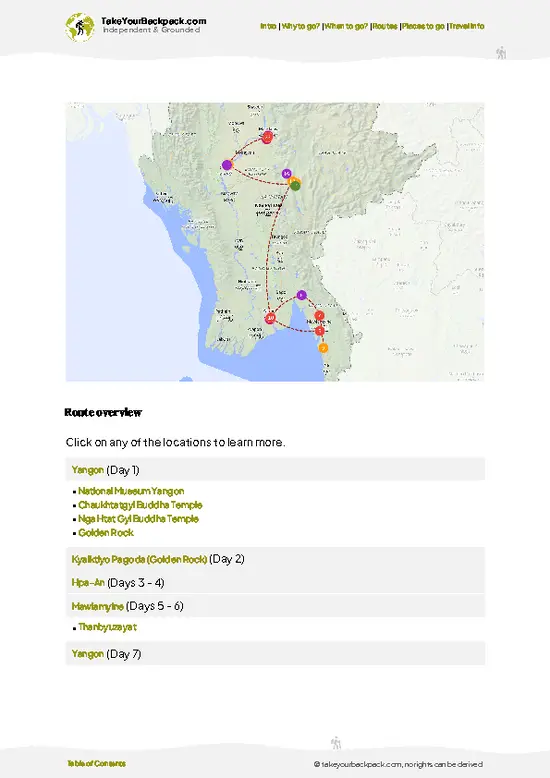
If you want to feel the pulse of Heho, start at the Central Market. This isn’t a sanitized tourist bazaar—it’s a working market where the air is thick with the scent of turmeric, dried fish, and the occasional whiff of petrol from passing motorbikes. You’ll see Pa-O women in indigo turbans, Shan farmers with sun-baked faces, and vendors hawking everything from pickled tea leaves to handwoven baskets. The market is at its liveliest before 10 a.m., when the morning light slants through the corrugated roof and the produce is at its freshest. There’s no entry fee, and you can easily spend 45 minutes to an hour here, longer if you linger over a bowl of mohinga at a plastic table. Bring small bills and a sense of curiosity—this is where you’ll hear the real rhythm of rural Myanmar. … read more 👉
If you want to feel the pulse of Heho, start at the Central Market. This isn’t a sanitized tourist bazaar—it’s a working market where the air is thick with the scent of turmeric, dried fish, and the occasional whiff of petrol from passing motorbikes. You’ll see Pa-O women in indigo turbans, Shan farmers with sun-baked faces, and vendors hawking everything from pickled tea leaves to handwoven baskets. The market is at its liveliest before 10 a.m., when the morning light slants through the corrugated roof and the produce is at its freshest. There’s no entry fee, and you can easily spend 45 minutes to an hour here, longer if you linger over a bowl of mohinga at a plastic table. Bring small bills and a sense of curiosity—this is where you’ll hear the real rhythm of rural Myanmar. … read more 👉
Heho Central Market
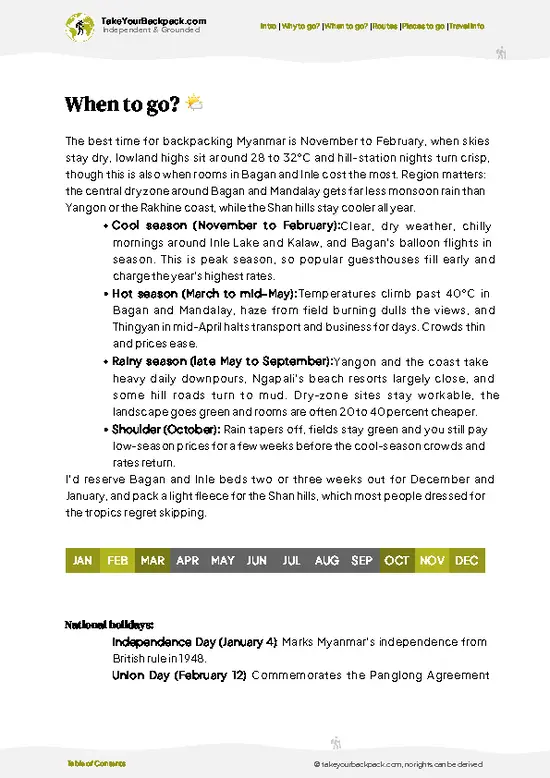
If you want to feel the pulse of Heho, start at the Central Market. This isn’t a sanitized tourist bazaar—it’s a working market where the air is thick with the scent of turmeric, dried fish, and the occasional whiff of petrol from passing motorbikes. You’ll see Pa-O women in indigo turbans, Shan farmers with sun-baked faces, and vendors hawking everything from pickled tea leaves to handwoven baskets. The market is at its liveliest before 10 a.m., when the morning light slants through the corrugated roof and the produce is at its freshest. There’s no entry fee, and you can easily spend 45 minutes to an hour here, longer if you linger over a bowl of mohinga at a plastic table. Bring small bills and a sense of curiosity—this is where you’ll hear the real rhythm of rural Myanmar.
Shwe Yan Pyay Monastery (Heho Branch)
While the famous Shwe Yan Pyay Monastery is technically in Nyaung Shwe, Heho has its own smaller, lesser-known teakwood monastery on the town’s edge. The building creaks with history—polished floors worn smooth by generations of barefoot novices, intricate wood carvings catching the late afternoon sun. The air is cool and resinous, heavy with incense and the faint metallic clang of a bell calling monks to prayer. Visit in the late afternoon (around 4 p.m.) when the light is golden and the monks are likely to be chanting. Entry is by donation (1,000-2,000 MMK is respectful). Allow 30-45 minutes to wander quietly and soak in the atmosphere.
Heho Railway Station
It’s not a grand colonial relic, but Heho’s railway station is a living slice of Myanmar’s slow-travel soul. Trains rumble in with a blast of diesel and a chorus of vendors selling samosas and sweet tea. The platform is a stage for arrivals and departures, with families, monks, and the odd backpacker all sharing the same patch of cracked concrete. Even if you’re not catching a train, it’s worth spending 20-30 minutes here, especially in the early morning or late afternoon when the light is soft and the station is busiest. There’s no cost to visit, but if you buy a snack from a vendor, you’ll be rewarded with a smile and a taste of local life.
Heho Pagoda (Yadana Manaung Pagoda)
Set on a low rise just outside the town center, Heho Pagoda is a serene spot that locals visit for quiet reflection. The stupa isn’t gilded to excess; instead, it’s a place of gentle devotion, with prayer flags fluttering and the scent of jasmine drifting from small shrines. Visit at sunset, when the sky turns apricot and the fields below glow. There’s no entry fee, and you’ll rarely see another foreigner. Give yourself 20-30 minutes to walk the grounds, listen to the wind chimes, and watch the sun dip behind the hills.
Traditional Shan Noodle House
Heho’s food scene is humble but honest. There’s a family-run noodle house near the market (ask any local for “Shan khauk swe”) where you can watch noodles being hand-pulled and tossed with garlic oil, peanuts, and fresh herbs. The room is basic—plastic stools, fluorescent lights—but the flavors are pure Shan comfort. Go for breakfast or lunch (7 a.m. to 1 p.m.), when the noodles are freshest. Expect to pay around 1,500-2,000 MMK for a bowl. Stay 30 minutes, or longer if you strike up a conversation with the owner.
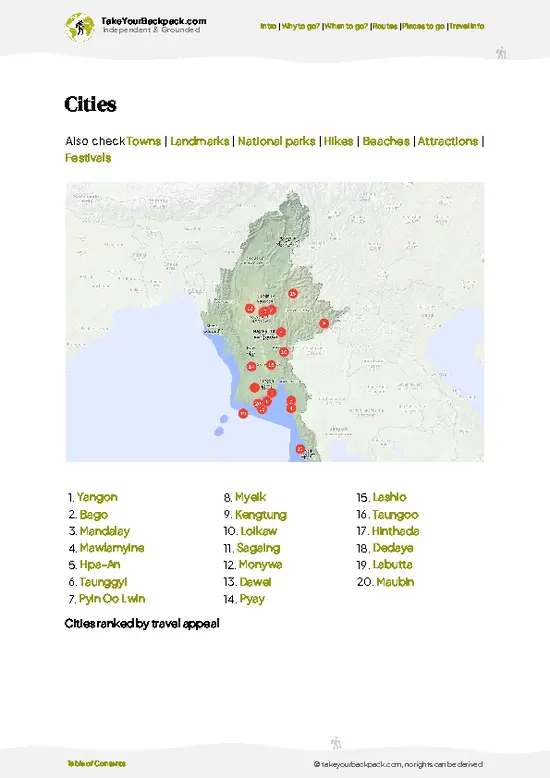
Heho itself is compact, but it’s the perfect launchpad for day trips to Inle Lake, the Pindaya Caves, and the rolling vineyards of Red Mountain Estate. If you have time for just one, I always make the journey to Pindaya—those limestone caves packed with thousands of golden Buddhas are pure magic, especially in the cool hush of early morning.
Spotted a mistake or missing something? Contact us.

Mr Zaw's Tofu Tours

Private Day Adventure Trip to Kakku and Taunggyi from Inle Lake

Private half day Inle

Inle Lake Full-Day Tour

Full-Day Trip to Pindaya from Nyuang Shwe

Full day to explore Kakku

Quarter Day Adventure

From Nyaung Shwe: Full Day Boat Trip on Inle Lake

Hidden Face


 Best Backpacking
 Hi, I’m Johan (Netherlands 🇳🇱), the creator of TakeYourBackpack. Over the past 3 decades, I’ve backpacked through 90+ countries across six continents, gaining extensive experience with independent travel, long-term trips, and overland routes.