v2.webp)
The Face-Washing Ceremony
Forget the sanitized, hands-off museum vibe. Every dawn and dusk, monks (and sometimes the head abbot himself) climb up to the Buddha’s face and give it a meticulous wash with scented towels, gold-leaf fans, and a kind of reverence that’s almost electric. Locals crowd in, phones are out, but the ritual is for the Buddha, not the tourists. You’re witnessing living faith, not a performance. The crowd’s hush is real, and the devotion is contagious. This is my personal favorite—there’s nothing staged about it, and you’ll feel the pulse of Mandalay’s soul in the air.
The Gold-Leaf Application
The Mahamuni Buddha isn’t just gold-plated; he’s been layered with so much gold leaf by male devotees (yes, only men are allowed up close) that his body has become lumpy and almost … read more 👉
Forget the sanitized, hands-off museum vibe. Every dawn and dusk, monks (and sometimes the head abbot himself) climb up to the Buddha’s face and give it a meticulous wash with scented towels, gold-leaf fans, and a kind of reverence that’s almost electric. Locals crowd in, phones are out, but the ritual is for the Buddha, not the tourists. You’re witnessing living faith, not a performance. The crowd’s hush is real, and the devotion is contagious. This is my personal favorite—there’s nothing staged about it, and you’ll feel the pulse of Mandalay’s soul in the air.
The Gold-Leaf Application
The Mahamuni Buddha isn’t just gold-plated; he’s been layered with so much gold leaf by male devotees (yes, only men are allowed up close) that his body has become lumpy and almost … read more 👉
The Face-Washing Ceremony
Forget the sanitized, hands-off museum vibe. Every dawn and dusk, monks (and sometimes the head abbot himself) climb up to the Buddha’s face and give it a meticulous wash with scented towels, gold-leaf fans, and a kind of reverence that’s almost electric. Locals crowd in, phones are out, but the ritual is for the Buddha, not the tourists. You’re witnessing living faith, not a performance. The crowd’s hush is real, and the devotion is contagious. This is my personal favorite—there’s nothing staged about it, and you’ll feel the pulse of Mandalay’s soul in the air.
The Gold-Leaf Application
The Mahamuni Buddha isn’t just gold-plated; he’s been layered with so much gold leaf by male devotees (yes, only men are allowed up close) that his body has become lumpy and almost unrecognizable—except for the serene face, which stays untouched. This isn’t a tourist stunt. It’s a centuries-old act of devotion, and the sheer volume of gold is jaw-dropping. You’ll see men pressing delicate squares onto the statue, and the tactile, hands-on nature of the ritual is a world away from velvet ropes and glass cases.
The Early Morning Pilgrimage
Arrive before sunrise and you’ll see Mandalay’s faithful streaming in—barefoot, half-awake, clutching offerings. The temple is alive with incense, murmured prayers, and the clatter of sandals. It’s not a photo op; it’s a communal act that’s been happening daily for generations. You’re not just watching; you’re part of the flow, and the energy is raw and unscripted.
The Mahamuni Museum
Skip the generic gift shops and head to the small museum tucked inside the complex. It’s a crash course in Mandalay’s history, with battered bronze Khmer statues (looted from Angkor centuries ago), ancient relics, and a few oddities that feel more Indiana Jones than Lonely Planet. It’s not slick, but it’s real—and you’ll walk out with a sense of how tangled, contested, and fascinating Myanmar’s past really is.
The Outer Courtyard and Local Life
Step outside the main shrine and you’ll find a maze of food stalls, fortune tellers, and families picnicking on the temple grounds. This isn’t the Instagram version of serenity; it’s noisy, messy, and alive. Kids run wild, monks haggle for snacks, and you’ll get a taste of Mandalay’s everyday chaos. If you want to see how a sacred site fits into real life, this is where it happens.
Forget the sanitized, hands-off museum vibe. Every dawn and dusk, monks (and sometimes the head abbot himself) climb up to the Buddha’s face and give it a meticulous wash with scented towels, gold-leaf fans, and a kind of reverence that’s almost electric. Locals crowd in, phones are out, but the ritual is for the Buddha, not the tourists. You’re witnessing living faith, not a performance. The crowd’s hush is real, and the devotion is contagious. This is my personal favorite—there’s nothing staged about it, and you’ll feel the pulse of Mandalay’s soul in the air.
The Gold-Leaf Application
The Mahamuni Buddha isn’t just gold-plated; he’s been layered with so much gold leaf by male devotees (yes, only men are allowed up close) that his body has become lumpy and almost unrecognizable—except for the serene face, which stays untouched. This isn’t a tourist stunt. It’s a centuries-old act of devotion, and the sheer volume of gold is jaw-dropping. You’ll see men pressing delicate squares onto the statue, and the tactile, hands-on nature of the ritual is a world away from velvet ropes and glass cases.
The Early Morning Pilgrimage
Arrive before sunrise and you’ll see Mandalay’s faithful streaming in—barefoot, half-awake, clutching offerings. The temple is alive with incense, murmured prayers, and the clatter of sandals. It’s not a photo op; it’s a communal act that’s been happening daily for generations. You’re not just watching; you’re part of the flow, and the energy is raw and unscripted.
The Mahamuni Museum
Skip the generic gift shops and head to the small museum tucked inside the complex. It’s a crash course in Mandalay’s history, with battered bronze Khmer statues (looted from Angkor centuries ago), ancient relics, and a few oddities that feel more Indiana Jones than Lonely Planet. It’s not slick, but it’s real—and you’ll walk out with a sense of how tangled, contested, and fascinating Myanmar’s past really is.
The Outer Courtyard and Local Life
Step outside the main shrine and you’ll find a maze of food stalls, fortune tellers, and families picnicking on the temple grounds. This isn’t the Instagram version of serenity; it’s noisy, messy, and alive. Kids run wild, monks haggle for snacks, and you’ll get a taste of Mandalay’s everyday chaos. If you want to see how a sacred site fits into real life, this is where it happens.
Spotted a mistake or missing something? Contact us.

Amarapura,Sagaing,Mingun,Ava or Innwa
✓ Free cancellation
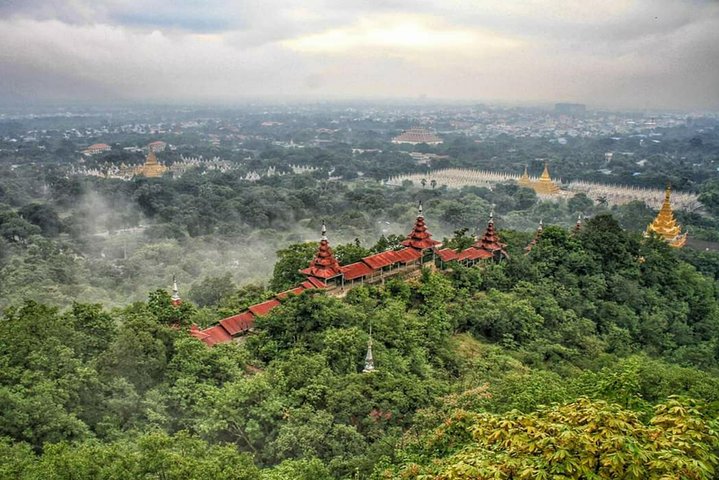
Mandalay Fullday Sightseeing
✓ Free cancellation

Private Transfer Of Mandalay To Bagan
✓ Free cancellation

Amarapura,Sagging,Innwa/Ava Sightseeing
✓ Free cancellation

Mandalay Half-Day Sightseeing
✓ Free cancellation

Bicycle Food Tour in Mandalay
✓ Free cancellation

Amarapura,Mingun,Sagaing,Innwa Sightseeing Tour
✓ Free cancellation

Mandalay To Bagan Transfer Tour
✓ Free cancellation

Day Trip Tour From Mandalay To Pyin Oo Lwin
✓ Free cancellation

Private Excursion to Maymyo from Mandalay
✓ Free cancellation
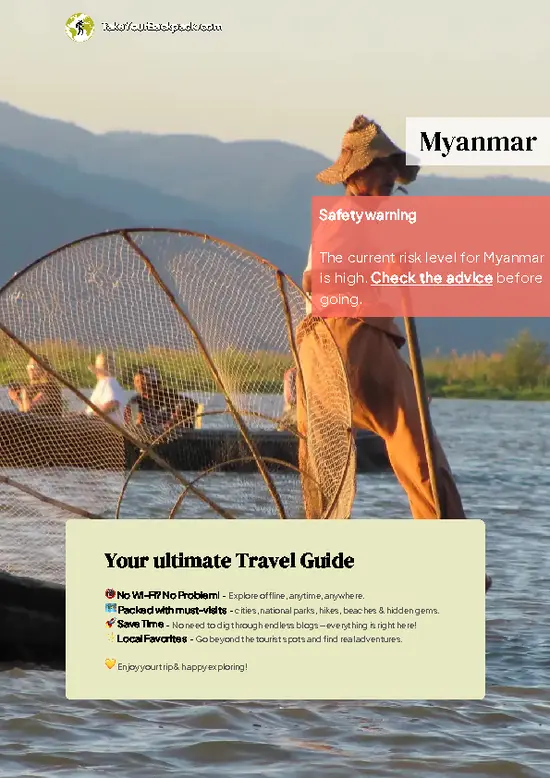
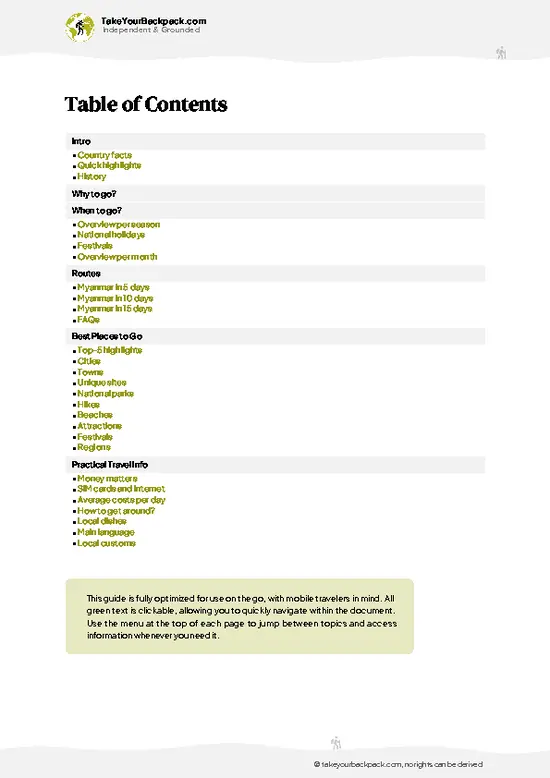

 Best Backpacking
.jpg) Hi, I’m Johan (Netherlands 🇳🇱), the creator of TakeYourBackpack. Over the past decade, I’ve backpacked through 80+ countries across six continents, gaining extensive experience with independent travel, long-term trips, and overland routes.
Hi, I’m Johan (Netherlands 🇳🇱), the creator of TakeYourBackpack. Over the past decade, I’ve backpacked through 80+ countries across six continents, gaining extensive experience with independent travel, long-term trips, and overland routes.