×

Myanmar🇲🇲 | citiesYangonShwedagon Pagoda, teahouses, colonial downtown | things to do and best time to go

Explore TaunggyiExplore Bago

Backpacking in Yangon
🏆 Top pickcity ranked #1
By Johan Kruseman 🇳🇱 | Updated October 15, 2026

Yangon is not for anyone who needs things polished, predictable, and Instagram-optimized on arrival. It’s chaotic, humid, and the infrastructure creaks. But that’s exactly why backpackers get so much out of it: you see a big Southeast Asian city before it’s fully rearranged for tourists, and you learn to navigate real-world travel friction on a manageable difficulty setting. Yangon sits in southern Myanmar, near the coast, and it’s the country’s main urban hub even if it’s no longer the capital.

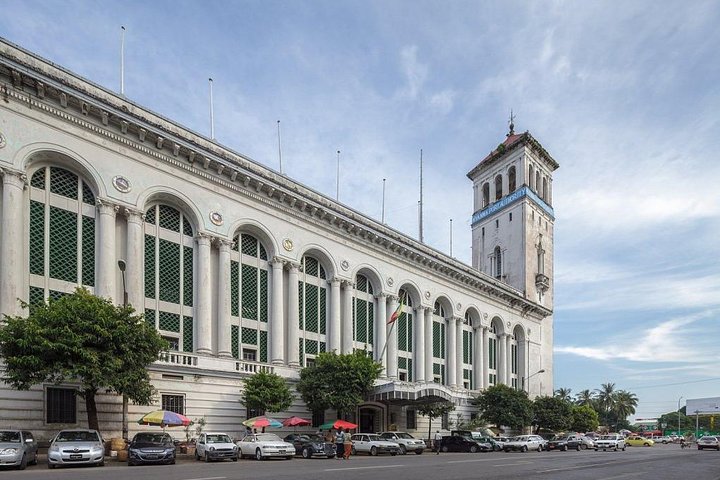
As a destination, it’s a trade: you swap comfort for character. Shwedagon Pagoda at sunset feels almost unreal, downtown’s crumbling colonial blocks are a street-photography playground, and the circular commuter train is a cheap, slow-motion tour of daily life. It’s cheaper than Bangkok, rougher than Chiang Mai, and less social than Hpa-An or Inle Lake, but hostels and teashops still make meeting people easy. Safety-wise, petty hassle is more likely than real danger; the vibe is intense but surprisingly gentle once you relax into the rhythm.

Discover everything you want to know in the 📖 Myanmar Travel Guide.
Safety warning

The current risk level for Myanmar is high. Check the advice before going.


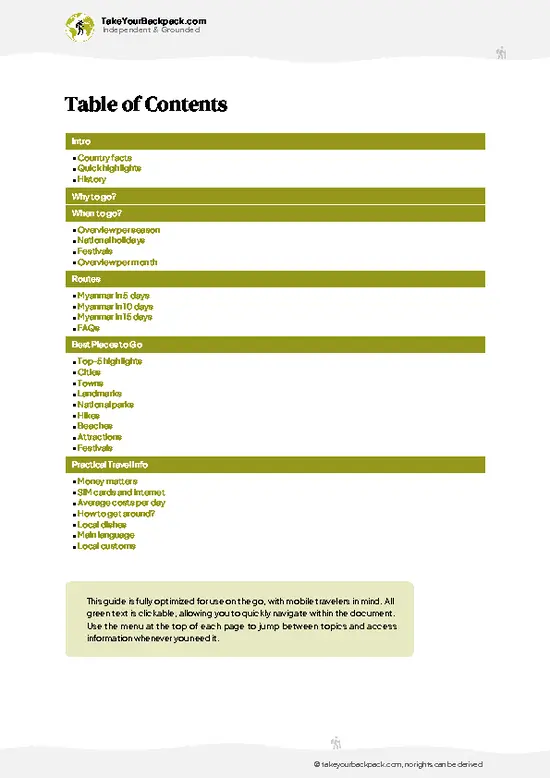
example page 0 from our offline Travel Guide for Myanmar
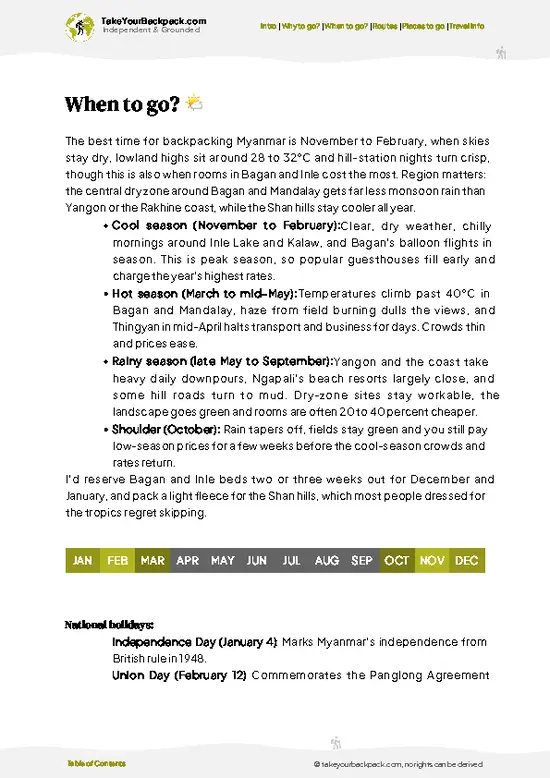
example page 1 from our offline Travel Guide for Myanmar
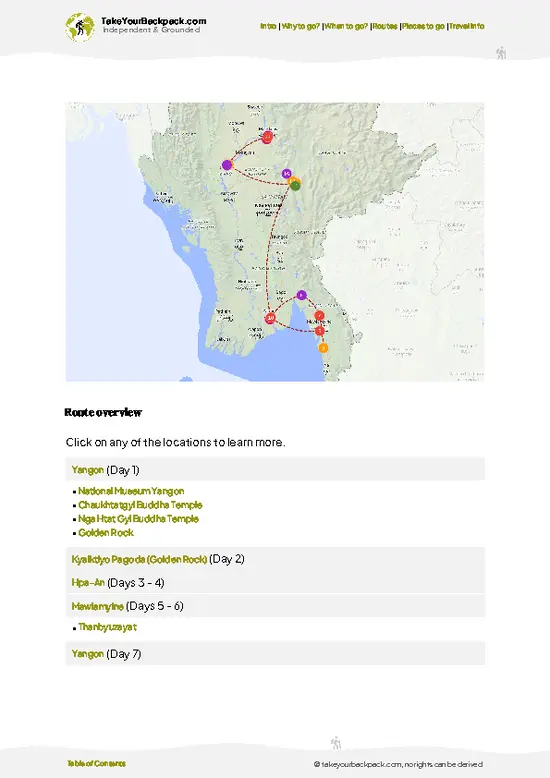
example page 2 from our offline Travel Guide for Myanmar
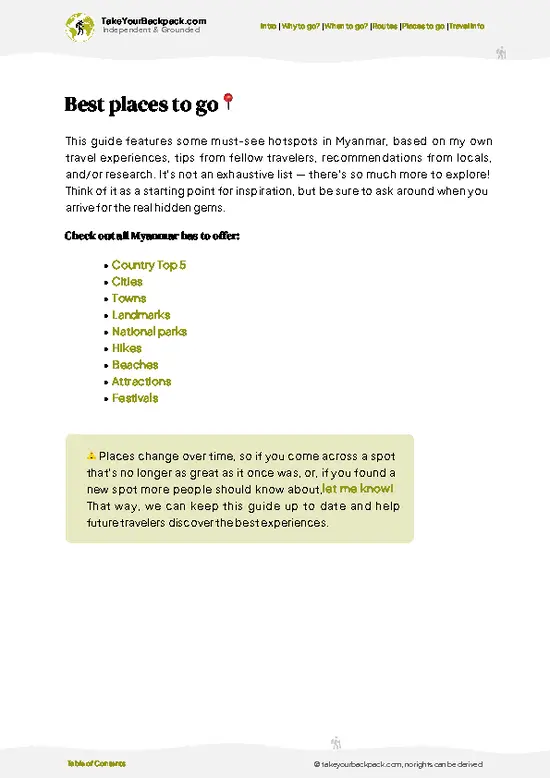
example page 3 from our offline Travel Guide for Myanmar
example page 4 from our offline Travel Guide for Myanmar
example page 5 from our offline Travel Guide for Myanmar
example page 6 from our offline Travel Guide for Myanmar
example page 7 from our offline Travel Guide for Myanmar
Loading the map 🌍
CLICK TO FILTER
cities
towns
landmarks
national parks
hikes
beaches
attractions
festivals
SHOW COUNTRY’S BESTSHOW ALL

✨ Why go?
Ranked #1 city in Myanmar
What makes this city worth visiting

Yangon is a strategic hub for backpackers navigating Myanmar. It’s not just about the highlights; it’s the basecamp value that makes it shine. You’ll find a range of affordable hostels that cater to every budget, allowing you to save money while meeting fellow travelers. The city’s walkability is a game-changer; you can easily explore vibrant street markets and local eateries without needing to rely on transport.

When it comes to food, Yangon offers a culinary adventure that’s both delicious and inexpensive. Street vendors serve up everything from savory snacks to hearty meals, making it easy to fuel up for a day of exploration. As for nightlife, the scene is laid-back yet lively, with plenty of bars and cafes where you can unwind and share stories with fellow adventurers.

Moreover, Yangon … read more 👉
Yangon is a strategic hub for backpackers navigating Myanmar. It’s not just about the highlights; it’s the basecamp value that makes it shine. You’ll find a range of affordable hostels that cater to every budget, allowing you to save money while meeting fellow travelers. The city’s walkability is a game-changer; you can easily explore vibrant street markets and local eateries without needing to rely on transport.

When it comes to food, Yangon offers a culinary adventure that’s both delicious and inexpensive. Street vendors serve up everything from savory snacks to hearty meals, making it easy to fuel up for a day of exploration. As for nightlife, the scene is laid-back yet lively, with plenty of bars and cafes where you can unwind and share stories with fellow adventurers.

Moreover, Yangon serves as a convenient launchpad for day trips to nearby attractions, allowing you to experience the country’s rich culture without the hassle of constant travel. If you’re looking for a city that balances comfort and value, Yangon is worth more than just a quick stop; it’s a key player in your Myanmar journey.

💡 HighlightsEssential experiences to have while visiting Yangon

  1. Shwedagon Pagoda — Yangon’s gilded crown: a centuries-old stupa rising above the city where devotees, monks and tourists converge; best at sunrise or sunset for the light, and the view over Yangon is unbeatable.
  2. Sule Pagoda & Maha Bandula Park — the city’s civic heart: a circular pagoda in the middle of downtown surrounded by colonial buildings and the Independence Monument, great for people-watching and getting your bearings on foot.
  3. Bogyoke Aung San (Scott) Market — a colonial-era market full of crafts, lacquerware, gemstones and tailors; bargain politely, try local snacks, and go when the galleries around it are open for a full cultural hit.
  4. Kandawgyi Lake & Karaweik — a peaceful urban lake with a photogenic royal-barge pavilion on the water; stroll the paths, watch locals exercise,
… read more 👉
  1. Shwedagon Pagoda — Yangon’s gilded crown: a centuries-old stupa rising above the city where devotees, monks and tourists converge; best at sunrise or sunset for the light, and the view over Yangon is unbeatable.
  2. Sule Pagoda & Maha Bandula Park — the city’s civic heart: a circular pagoda in the middle of downtown surrounded by colonial buildings and the Independence Monument, great for people-watching and getting your bearings on foot.
  3. Bogyoke Aung San (Scott) Market — a colonial-era market full of crafts, lacquerware, gemstones and tailors; bargain politely, try local snacks, and go when the galleries around it are open for a full cultural hit.
  4. Kandawgyi Lake & Karaweik — a peaceful urban lake with a photogenic royal-barge pavilion on the water; stroll the paths, watch locals exercise, and catch the sunset reflected on the lake.
  5. Chaukhtatgyi Paya (Reclining Buddha) — massive, expressive reclining Buddha with intricate face and enamel work; less tourist crush than Shwedagon and great for close-up photography and quiet reflection.
  6. Botataung Pagoda — riverside pagoda with a walk-through chamber and relic display; compact, atmospheric, and often far less crowded than Shwedagon despite being equally meaningful to locals.
  7. Yangon Circular Train — not a monument but a living experience: a cheap, slow loop through suburban life where markets, stations and daily routines unfold; you can ride short sections rather than the whole 3-hour loop.
  8. 19th Street (Chinatown) — evening food corridor famous for row-after-row of grills and seafood; noisy, smoky, delicious and a perfect late-night culinary adventure if you like to eat where locals do.
  9. The Secretariat (Old Government Offices) — a haunting, beautifully restored colonial complex and museum built around the assassination site of Aung San; history-heavy and evocative, worth the time for context on modern Myanmar.
  10. Pansodan Gallery & Riverside Arts Scene — a small but vital contemporary art hub in downtown Yangon showcasing local painters and sculptors; excellent on a rainy afternoon when you want to see the city’s creative side.
For easy day trips from Yangon try nearby Bago (Shwemawdaw Pagoda, Kyaik Pun and the old palace), Twante for pottery and canal villages, or a quick ferry to Dala for biking through rural neighborhoods—my personal favorite to explore is Bago.
Spotted a mistake or missing something? Contact us.

Things to do in Yangon

Ratings based on Tripadvisor reviews. When you book through this link, you support our work at no extra cost to you.

🏘️ NeighborhoodsWhere things are and how it's laid out

Yangon is a city where the past and present collide, offering a rich tapestry of experiences for backpackers. Here’s how to navigate its neighborhoods effectively.

Downtown: This is the heart of Yangon, buzzing with energy. It’s walkable, with colonial architecture and street food stalls around every corner. Costs are moderate; you can find budget hostels and local eateries. Nightlife is lively, with bars and cafes that stay open late. Perfect for short stays, as you can easily explore major sights like the Sule Pagoda and Botahtaung Pagoda on foot.

Yangon Chinatown: A vibrant area filled with markets and food stalls. The vibe is electric, especially at night when the streets come alive with food vendors. Prices are low, making it a great spot for budget travelers. While it’s not as walkable … read more 👉
Yangon is a city where the past and present collide, offering a rich tapestry of experiences for backpackers. Here’s how to navigate its neighborhoods effectively.

Downtown: This is the heart of Yangon, buzzing with energy. It’s walkable, with colonial architecture and street food stalls around every corner. Costs are moderate; you can find budget hostels and local eateries. Nightlife is lively, with bars and cafes that stay open late. Perfect for short stays, as you can easily explore major sights like the Sule Pagoda and Botahtaung Pagoda on foot.

Yangon Chinatown: A vibrant area filled with markets and food stalls. The vibe is electric, especially at night when the streets come alive with food vendors. Prices are low, making it a great spot for budget travelers. While it’s not as walkable as Downtown, public transport is accessible. Ideal for those who enjoy a bustling atmosphere and want to experience local culture.

Inya Lake: This area offers a more relaxed vibe, with scenic views and parks. It’s quieter, making it suitable for longer stays if you want a break from the hustle. Accommodation here tends to be pricier, but the tranquility is worth it. You’ll need to rely on taxis or public transport to reach the city center, but the peaceful surroundings are a refreshing trade-off.

Sanchaung: A blend of local life and expat influence. It’s affordable and has a variety of cafes and shops. Walkability is decent, but you’ll want to use public transport for longer distances. This area is great for those looking to immerse themselves in everyday Yangon life while still being close to the action.

⌛️ 1 dayHow to make the most of one day

Yangon, Myanmar’s largest city, is a vibrant blend of colonial architecture, bustling markets, and spiritual sites. It’s a place where the past and present collide, offering a rich tapestry of experiences that can be savored in just one day.

Start your morning at the iconic Shwedagon Pagoda. Arrive early to beat the crowds and witness the golden stupa glimmering in the soft light. As you walk around the base, take in the intricate details of the smaller shrines and the locals engaging in their morning rituals. It’s a serene way to kick off your day, and the atmosphere is electric with devotion.

After soaking in the spiritual vibes, head to the nearby Bogyoke Aung San Market. This isn’t just a shopping destination; it’s a sensory overload of colors, sounds, and smells. Browse through stalls … read more 👉
Yangon, Myanmar’s largest city, is a vibrant blend of colonial architecture, bustling markets, and spiritual sites. It’s a place where the past and present collide, offering a rich tapestry of experiences that can be savored in just one day.

Start your morning at the iconic Shwedagon Pagoda. Arrive early to beat the crowds and witness the golden stupa glimmering in the soft light. As you walk around the base, take in the intricate details of the smaller shrines and the locals engaging in their morning rituals. It’s a serene way to kick off your day, and the atmosphere is electric with devotion.

After soaking in the spiritual vibes, head to the nearby Bogyoke Aung San Market. This isn’t just a shopping destination; it’s a sensory overload of colors, sounds, and smells. Browse through stalls filled with traditional handicrafts, textiles, and local snacks. Don’t miss the chance to grab a bite at one of the food stalls. A bowl of mohinga, a fish soup with rice noodles, is a must-try.

In the afternoon, make your way to the vibrant neighborhood of Chinatown. Here, the streets pulse with life. Explore the narrow alleys, where you’ll find everything from street food vendors to small temples. For a unique experience, visit the Kuan Yin Temple, often overlooked by tourists. The intricate carvings and the peaceful ambiance offer a refreshing break from the hustle.

As evening approaches, head to Kandawgyi Lake. The sunset views over the water, with the Shwedagon Pagoda in the background, are breathtaking. Grab a seat at one of the lakeside cafes and enjoy a local beer while reflecting on your day.

Yangon is a city that rewards those who wander. Each corner has a story, and every moment spent here is a chance to connect with its vibrant culture. Embrace the chaos, and let the city unfold at its own pace.

🌤️ When to go?Choosing the right time of year

  • Topic: Weather - Yangon’s climate is tropical monsoon, with a wet season from May to October. Expect heavy rains and humidity, which can slow down your pace and dampen outdoor plans. The dry season, November to February, offers clear skies and manageable humidity, making it the prime window for backpacking.
  • Topic: Temperature - During the dry season, temperatures hover between 20-30°C (68-86°F), perfect for trekking and city exploration without overheating. The hot season (March-April) can spike above 35°C (95°F), which is brutal for long days on foot.
  • Topic: Daylight Hours - Yangon enjoys roughly 11-12 hours of daylight year-round. The difference between seasons is minimal, so your daily hiking or sightseeing time stays consistent, simplifying planning.
  • Topic: Crowds - Peak tourist influx
… read more 👉
  • Topic: Weather - Yangon’s climate is tropical monsoon, with a wet season from May to October. Expect heavy rains and humidity, which can slow down your pace and dampen outdoor plans. The dry season, November to February, offers clear skies and manageable humidity, making it the prime window for backpacking.
  • Topic: Temperature - During the dry season, temperatures hover between 20-30°C (68-86°F), perfect for trekking and city exploration without overheating. The hot season (March-April) can spike above 35°C (95°F), which is brutal for long days on foot.
  • Topic: Daylight Hours - Yangon enjoys roughly 11-12 hours of daylight year-round. The difference between seasons is minimal, so your daily hiking or sightseeing time stays consistent, simplifying planning.
  • Topic: Crowds - Peak tourist influx aligns with the dry season, especially December and January. This means busier sites and higher prices but also more vibrant street life and events. The shoulder months (November, February) strike a balance with fewer crowds and still decent weather.
  • Topic: Seasonal Activities - The dry season hosts major festivals like the Tazaungdaing Festival (November) and the Thingyan Water Festival (April), offering cultural immersion but also spikes in local prices and accommodation demand.
  • Topic: Price Fluctuations - Accommodation and flights peak during the dry season, especially around holidays and festivals. Traveling just before or after this period can save money without sacrificing comfort or weather quality.
Pro-tip: Aim for late November to early February—this sweet spot balances dry weather, manageable crowds, and fair prices, letting you experience Yangon’s soul without sweating the logistics.


source: climatestotravel.comJANJanuary: excellent for travelingFEBFebruary: highly recommended for travelingMARMarch: fair for travelingAPRApril: fair for travelingMAYMay: below average for travelingJUNJune: below average for travelingJULJuly: below average for travelingAUGAugust: below average for travelingSEPSeptember: below average for travelingOCTOctober: below average for travelingNOVNovember: highly recommended for travelingDECDecember: excellent for traveling
when-to-go

✈️ The backpacker research shortcutMyanmar Travel Guide

An offline-friendly backpacking guide with optimized travel routes, ranked highlights, transport advice, and the best areas to stay.
example page 0 from our offline Travel Guide for Myanmar
example page 1 from our offline Travel Guide for Myanmar
example page 2 from our offline Travel Guide for Myanmar
example page 3 from our offline Travel Guide for Myanmar
example page 4 from our offline Travel Guide for Myanmar
example page 5 from our offline Travel Guide for Myanmar
example page 6 from our offline Travel Guide for Myanmar
example page 7 from our offline Travel Guide for Myanmar
The digital guide (377 pages) contains:
✅ 104 highlights, ranked by travel appeal
✅ Optimized 5, 10 & 15-day travel routes
✅ Cities, national parks, landmarks, beaches
✅ How to get around
✅ Offline-friendly for travel without Wi-Fi
👉 Click to see all 30+ guide features

📅 Plan smarter in minutes, not weeks
✅ Month by month travel advice
✅ Festivals & national holidays
✅ Budget expectations

🗺️ Go to the right places, skip the overrated ones
✅ Honest pros & cons of destinations
✅ Top hikes, parks & viewpoints
✅ Lesser-known places most travelers miss
✅ Clear “worth it vs skip it” guidance

🛏️ Travel smoothly without rookie mistakes
✅ Best areas to stay
✅ Transport systems explained simply
✅ Common scams & safety advice
✅ SIM cards, money & practical tips

🌍 Understand the country, not just visit it
✅ Culture & traditions
✅ 52 Essential phrases & customs
✅ Festivals worth planning around
✅ Traveler-friendly historical context
✅ Insights that make places more meaningful

📱 Built for real travel conditions
✅ Fully downloadable PDF
✅ Works completely offline
✅ Optimized for phone use
✅ Useful in remote areas & buses
✅ Everything in one place
Stop searching, start planning
Get instant access to your full guide. 30‑day money-back guarantee.
+ Add another guide for just

By proceeding you agree to our terms.
Sent to your inbox immediately after payment • 100% Secure Checkout
Best Backpacking Travel Advisor 2025 tourism awardBest Backpacking
Travel Advisor
2025
What others say about Take Your Backpack Guides:
⭐⭐⭐⭐⭐
Fantastic, amazing amount of information!
⭐⭐⭐⭐⭐
My goodness this is amazing, it's what I've been looking for hats off too you!
⭐⭐⭐⭐⭐
I think this is absolutely BRILLIANT
⭐⭐⭐⭐
Very complete and informative. It's still missing places, but I gotta to commend you
⭐⭐⭐⭐⭐
This is truly amazing, thank you, can't wait to explore it with my kids!
⭐⭐⭐⭐⭐
Awesome resource, thank you!
⭐⭐⭐⭐⭐
This is amazing! Can't wait to explore the ones I haven't seen
⭐⭐⭐⭐
I love this! Well done, great idea.
⭐⭐⭐⭐⭐
Thanks for taking the time to make this gem!
⭐⭐⭐⭐⭐
This might be the best website I've ever seen.
⭐⭐⭐⭐⭐
Congratulations, and thank you so much for your work; it's incredibly valuable.
⭐⭐⭐⭐
In all seriousness I think you did a great job pointing out the important spots
⭐⭐⭐⭐⭐
10/10 very good
⭐⭐⭐⭐⭐
As someone who's only just starting to visit regularly this is awesome, thank you.
⭐⭐⭐⭐
Thank you very much! I'm going to visit my dad, it's going to be very useful!
⭐⭐⭐⭐⭐
This is really cool! We'll be travelling for the first time and this definitely come in handy.
⭐⭐⭐⭐⭐
You are now our minister of culture, congratulations 👨‍💼
⭐⭐⭐⭐⭐
Just wanted to tell you that this is a pearl! Going to follow your recommendations.
⭐⭐⭐⭐⭐
This is so cool. I'll definitely be using the resource for my travels soon.
⭐⭐⭐⭐⭐
This is very impressive! Good work.
⭐⭐⭐⭐⭐
This is an amazing and informative site. Very well done!

🛏️ Where to stay?Choosing the right base

Yangon’s backpacker sweet spot is undeniably the downtown area, especially around Sule Pagoda and the nearby streets. This zone is a strategic choice because it balances safety, social buzz, and budget options without sacrificing access to the city’s pulse. You’re not just crashing somewhere cheap; you’re plugging into a network of fellow travelers, street food stalls, and local markets that keep the energy alive well into the night.

Compared to the more residential or upscale neighborhoods like Bahan or Yankin, downtown is where the backpacker ecosystem thrives. Hostels cluster here, offering … read more 👉
Yangon’s backpacker sweet spot is undeniably the downtown area, especially around Sule Pagoda and the nearby streets. This zone is a strategic choice because it balances safety, social buzz, and budget options without sacrificing access to the city’s pulse. You’re not just crashing somewhere cheap; you’re plugging into a network of fellow travelers, street food stalls, and local markets that keep the energy alive well into the night.

Compared to the more residential or upscale neighborhoods like Bahan or Yankin, downtown is where the backpacker ecosystem thrives. Hostels cluster here, offering dorm beds and communal spaces that make meeting others effortless. The vibe is a mix of gritty urban charm and cultural immersion—think colonial architecture rubbing shoulders with street vendors and monks in saffron robes. It’s not polished, but that’s the point: it’s real.

Staying downtown means you’re a short walk or a quick cycle rickshaw ride from major landmarks like the Shwedagon Pagoda and Chinatown, which are essential stops for any visitor. The trade-off? You’ll sacrifice some quiet and luxury, but gain maximum social interaction and convenience. For solo backpackers or budget travelers, this is the high-value zone where time, money, and comfort intersect smartly—leaning into the experience without overpaying or isolating yourself.

🚌 Getting aroundTransportation options and practical tips

Yangon moves at its own rhythm—partly dictated by the relentless buzz of motorbikes and street vendors, partly by the slow, deliberate pace of monks on their morning alms rounds. It’s not a city where you can expect strict timetables or polished efficiency. Instead, it’s a blend of chaotic intuition and pockets of order, where your best bet is to read the flow rather than fight it. Time, money, and comfort don’t line up neatly here; you’ll be constantly weighing what you’re willing to trade off to get where you want, when you want, and how you want.
  • Walking: The ultimate zero-cost option, walking lets you soak in Yangon’s street-level details—crumbling colonial facades, bustling markets, and the scent of street food. It’s slow but reliable, and perfect for short distances in downtown or around
… read more 👉
Yangon moves at its own rhythm—partly dictated by the relentless buzz of motorbikes and street vendors, partly by the slow, deliberate pace of monks on their morning alms rounds. It’s not a city where you can expect strict timetables or polished efficiency. Instead, it’s a blend of chaotic intuition and pockets of order, where your best bet is to read the flow rather than fight it. Time, money, and comfort don’t line up neatly here; you’ll be constantly weighing what you’re willing to trade off to get where you want, when you want, and how you want.
  • Walking: The ultimate zero-cost option, walking lets you soak in Yangon’s street-level details—crumbling colonial facades, bustling markets, and the scent of street food. It’s slow but reliable, and perfect for short distances in downtown or around Sule Pagoda. Comfort depends on weather—prepare for heat and humidity, and watch your step on uneven sidewalks.
  • Public Buses: The cheapest motorized option, fares hover around 200-300 kyat (less than 20 cents). Buses run roughly from 6 AM to 9 PM but don’t expect a strict schedule—routes can be confusing, and stops aren’t always clearly marked. They’re slow and crowded, but if you’re patient, you’ll get a genuine slice of local life. Comfort is minimal; think hard plastic seats and no air conditioning.
  • Circle Train: This slow-moving, 3-hour loop around Yangon is a budget traveler’s secret weapon. Tickets cost about 200 kyat, and trains run from early morning until evening. It’s not about speed—this is a scenic, immersive ride through the city’s outskirts and suburbs. Expect basic seating and a packed car during rush hours, but the experience is worth the trade-off if you want to see Yangon beyond the tourist bubble.
  • Motorbike Taxis: For quick, flexible trips, motorbike taxis are everywhere and cost around 1,000-2,000 kyat depending on distance. They’re fast and can weave through traffic jams, but comfort is minimal and safety varies. Use them for short hops when time is tight and you’re comfortable with a bit of risk.
  • Ride-Hailing Apps (Grab): A step up in comfort and convenience, Grab offers cars and motorbikes with upfront pricing, usually starting around 2,000 kyat. Available from early morning to late night, it’s a reliable way to avoid the unpredictability of buses and street haggling. You pay more, but you gain control over timing and comfort—air conditioning, direct routes, and less waiting.

Understanding Yangon’s transit is about recognizing the trade-offs: you can save money by embracing slow, crowded buses and trains, or spend more for speed and comfort with ride-hailing. Walking offers unmatched immersion but demands time and stamina. The city’s flow rewards those who adapt, mixing modes to fit their priorities rather than expecting a one-size-fits-all solution. Master this balance, and you’re not just getting around—you’re playing the city’s game and winning.

👛 Costs (as of 15 October 2026)How expensive it really is

Backpacking in Yangon, Myanmar, is a balancing act between affordability and the occasional splurge, with costs shifting depending on the season and your style of travel. Here’s the breakdown to help you play the game smartly:
  • Dorm Accommodation (High Season): Expect to pay around $8 to $12 per night. High season drives prices up as demand surges, especially in popular hostels near downtown or the Shwedagon Pagoda area.
  • Dorm Accommodation (Off-Season): Prices drop to about $5 to $8 per night. This is when you can snag a bed in the same places for less, but be ready for occasional rain and fewer fellow travelers.
  • Meals: Street food and local eateries dominate here. Budget $2 to $5 per meal for dishes like mohinga or tea leaf salad. Western-style cafes or restaurants will push you closer
… read more 👉
Backpacking in Yangon, Myanmar, is a balancing act between affordability and the occasional splurge, with costs shifting depending on the season and your style of travel. Here’s the breakdown to help you play the game smartly:
  • Dorm Accommodation (High Season): Expect to pay around $8 to $12 per night. High season drives prices up as demand surges, especially in popular hostels near downtown or the Shwedagon Pagoda area.
  • Dorm Accommodation (Off-Season): Prices drop to about $5 to $8 per night. This is when you can snag a bed in the same places for less, but be ready for occasional rain and fewer fellow travelers.
  • Meals: Street food and local eateries dominate here. Budget $2 to $5 per meal for dishes like mohinga or tea leaf salad. Western-style cafes or restaurants will push you closer to $7 to $10 per meal.
  • Local Transport: Yangon’s buses and trishaws are dirt cheap, usually under $0.50 per ride. Grab a trishaw for short distances at around $1 to $2, but always negotiate upfront.
  • City Transport Pass: Yangon doesn’t have a formal city transport pass system yet, so daily transport costs depend on how much you move around. Budget roughly $2 to $4 daily if you’re hopping between sights.
  • Basic Activities/Entry Fees: Most pagodas and museums charge modest fees, typically $3 to $6. Some spots, like the National Museum, might be closer to $10, but these are exceptions rather than the rule.
  • Miscellaneous Expenses: This covers bottled water, snacks, occasional SIM cards, or small souvenirs. Set aside $2 to $5 daily to avoid surprises.

Total daily costs for backpacking in Yangon generally fall between $15 and $30, depending on how much you lean into comfort or bargain hunting. This range gives you enough room to enjoy the city’s rich culture without feeling pinched, while still keeping your wallet intact.
⚠️ Prices can change and everyone travels differently, so take this as a rough guide. Hope it helps you plan your adventure!

🚌 Day tripsExploring the surroundings

Yangon serves as a fantastic launchpad for day trips that pack a punch without draining your wallet or time. Here’s how to make the most of your adventures.

Bago
Just a couple of hours from Yangon, Bago is a treasure trove of history and culture. You’ll find the impressive Shwethalyaung Pagoda, home to a massive reclining Buddha that’s hard to miss. The local market buzzes with energy, offering a taste of authentic Burmese life. Expect to spend around $5 on transportation and a few dollars more on food. The best time to visit is during the cooler months from November to February. A common mistake? Rushing through the pagodas without soaking in the local vibe.
👉 Explore Bago

Kyaiktiyo (Golden Rock)
This iconic pilgrimage site is a must-see, especially for its gravity-defying rock perched … read more 👉
Yangon serves as a fantastic launchpad for day trips that pack a punch without draining your wallet or time. Here’s how to make the most of your adventures.

Bago
Just a couple of hours from Yangon, Bago is a treasure trove of history and culture. You’ll find the impressive Shwethalyaung Pagoda, home to a massive reclining Buddha that’s hard to miss. The local market buzzes with energy, offering a taste of authentic Burmese life. Expect to spend around $5 on transportation and a few dollars more on food. The best time to visit is during the cooler months from November to February. A common mistake? Rushing through the pagodas without soaking in the local vibe.
👉 Explore Bago

Kyaiktiyo (Golden Rock)
This iconic pilgrimage site is a must-see, especially for its gravity-defying rock perched on a cliff. It’s about a 4-hour journey from Yangon, but the views are worth every minute. The hike up to the rock is invigorating, and you’ll meet plenty of friendly locals along the way. Budget around $10 for transport and $5 for entrance fees. The ideal season is from November to March when the weather is cooler. Many first-timers underestimate the physical effort required; wear good shoes and bring water.


Hpa-An
A bit further afield, Hpa-An is a gem for nature lovers. The limestone hills and caves are stunning, and you can explore the impressive Saddan Cave, which leads to a serene lake. The trip takes about 5 hours, but you can easily fill a day with hiking and photography. Expect to spend around $15 on transport and snacks. The best time to go is during the dry season, from November to April. Don’t forget your camera; the scenery is breathtaking, and you’ll want to capture it all.
👉 Explore Hpa-An

Inle Lake
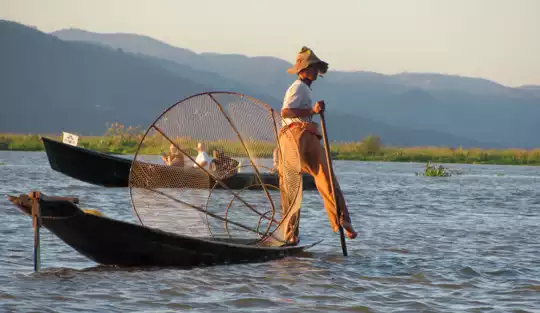
While technically a bit of a stretch for a day trip, Inle Lake can be done with an early start. The floating gardens and stilt houses are mesmerizing. You can take a boat tour to see local crafts and enjoy the tranquil atmosphere. The journey takes about 6 hours, so plan for a long day. Budget around $20 for transport and $10 for the boat ride. The best time to visit is during the dry season, from November to March. Many travelers underestimate the travel time; leave early to maximize your experience.
👉 Explore Inle Lake

These day trips from Yangon offer a mix of culture, nature, and adventure. Each one has its unique flavor, ensuring your backpacking journey is anything but ordinary.

🍲 FoodEating & Drinking in Yangon

In Yangon, food is a vibrant tapestry of flavors that tells the story of its people. Dive into Mohinga, the unofficial national dish — a fragrant fish soup with rice noodles, often enjoyed for breakfast. The spices and herbs create a warm hug in a bowl, perfect for starting your day.

Street food is where the magic happens. Stroll through bustling markets and let the aroma of grilled skewers and fried snacks pull you in. Try samosas filled with spiced potatoes or tea leaf salad, a crunchy mix that’s both refreshing and addictive. Each bite is a chance to connect with locals, who often gather around stalls, sharing stories and laughter.

When it comes to drinks, don’t miss out on Lahpet, fermented tea leaves served with nuts and sesame. It’s a unique experience that embodies local culture. … read more 👉
In Yangon, food is a vibrant tapestry of flavors that tells the story of its people. Dive into Mohinga, the unofficial national dish — a fragrant fish soup with rice noodles, often enjoyed for breakfast. The spices and herbs create a warm hug in a bowl, perfect for starting your day.

Street food is where the magic happens. Stroll through bustling markets and let the aroma of grilled skewers and fried snacks pull you in. Try samosas filled with spiced potatoes or tea leaf salad, a crunchy mix that’s both refreshing and addictive. Each bite is a chance to connect with locals, who often gather around stalls, sharing stories and laughter.

When it comes to drinks, don’t miss out on Lahpet, fermented tea leaves served with nuts and sesame. It’s a unique experience that embodies local culture. As for etiquette, be mindful of sharing food; it’s a sign of friendship. You’ll often see people passing dishes around, creating a communal vibe that’s hard to resist.

In the evenings, casual bars and cafés come alive. Sip on a cold Myanmar beer while soaking in the lively atmosphere. Here, every meal and drink is a chance to engage, savor, and truly experience Yangon.

🛡️ SafetyStaying Safe: What Travelers Should Know

Yangon is generally safe for backpackers, but a few areas and situations warrant a bit of extra awareness. The bustling streets around Sule Pagoda and Bogyoke Aung San Market are lively but can attract pickpockets, especially in crowded spots. Keep your belongings close and be mindful of your surroundings.

If you’re traveling solo, especially at night, stick to well-lit areas and avoid wandering too far off the beaten path. Taxis are a reliable option; just ensure you agree on a fare beforehand, as meters aren’t always used.

Scams do exist, but they’re often low-key. Be cautious of overly friendly locals offering unsolicited help or guiding you to shops where they earn a commission. It’s not malicious, but it can lead to a frustrating detour.

Overall, carry yourself with confidence, trust … read more 👉
Yangon is generally safe for backpackers, but a few areas and situations warrant a bit of extra awareness. The bustling streets around Sule Pagoda and Bogyoke Aung San Market are lively but can attract pickpockets, especially in crowded spots. Keep your belongings close and be mindful of your surroundings.

If you’re traveling solo, especially at night, stick to well-lit areas and avoid wandering too far off the beaten path. Taxis are a reliable option; just ensure you agree on a fare beforehand, as meters aren’t always used.

Scams do exist, but they’re often low-key. Be cautious of overly friendly locals offering unsolicited help or guiding you to shops where they earn a commission. It’s not malicious, but it can lead to a frustrating detour.

Overall, carry yourself with confidence, trust your instincts, and you’ll navigate Yangon smoothly. Embrace the experience, and you’ll find the city welcoming.

FAQFrequently asked questions about Yangon

3 to 4 days are sufficient to explore Yangon. This allows time to visit key sites like Shwedagon Pagoda, Bogyoke Market, and colonial downtown. Additional days can be used for day trips to nearby attractions.
Yes, Yangon is generally safe for solo backpackers. Standard precautions apply, especially at night and in less crowded areas. Petty theft can occur, so keep valuables secure and stay aware of your surroundings.
Yangon is known for the Shwedagon Pagoda, a massive golden Buddhist stupa that dominates the skyline. It is also famous for its colonial architecture and vibrant street markets. The city serves as Myanmar's cultural and economic hub.
⚠️ Things can change over time, so always validate details locally before you go.

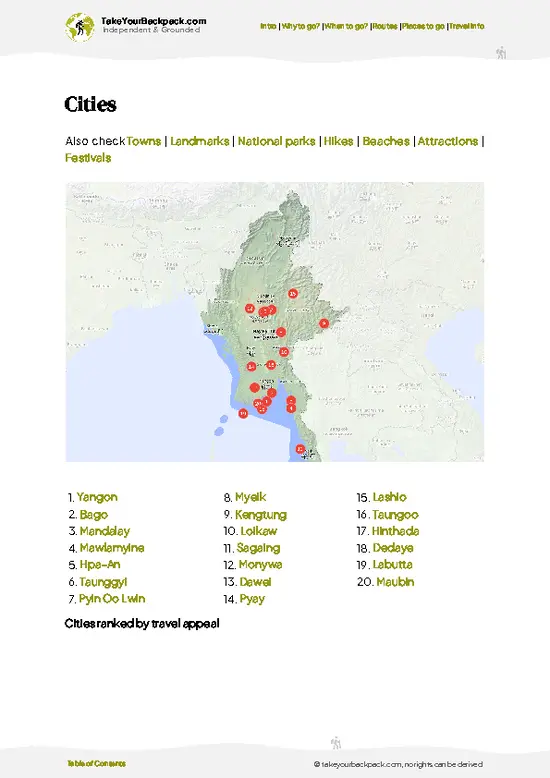
Other Burmese cities near Yangon

Explore more nearby:

  • Dedaye—rice mills, river crossings, rural delta| 57 km away
  • Maubin—canal town, rice barges, delta bridges| 57 km away
  • Bago—Mon heritage, ancient city walls, Shwemawdaw Pagoda| 64 km away

💡 Not sure where to go next?
Create a personalized itinerary for Myanmar including Yangon and the places that fit your trip.

Generate my itinerary

👉 Discover all cities

Or checkout all Myanmar has to offer (think cities, towns, villages, national parks, hikes, beaches, festivals)
Country photo of Myanmar

We 💚 feedbackFinal thoughts on visiting Yangon

Yangon is a vibrant crossroads of culture and history, where the golden Shwedagon Pagoda glimmers against the skyline, drawing you into its spiritual embrace. But be prepared for the heat and humidity; it can be relentless. You’ll sweat through your shirt while navigating bustling streets, but that’s part of the charm. Embrace the chaos, and you’ll find a city that rewards your patience with unforgettable moments.

✈️ When did I visit Myanmar?
In November 2013 I backpacked through Myanmar, bringing a full stack of pristine dollar bills as they had no ATMs back then.

✍️ Help improve this page!
The information on this page is based on my own backpacking experience in Myanmar, supplemented with up-to-date research and feedback from other travelers. Travel details can change, so if you notice anything outdated or incomplete, feel free to let me know.


🙋‍♂️ Give feedback

👋 Meet the founderWho’s Behind Take Your Backpack?

Johan, backpacker and founder of TakeYourBackpackHi, I’m Johan (Netherlands 🇳🇱), the creator of TakeYourBackpack. Over the past 3 decades, I’ve backpacked through 90+ countries across six continents, gaining extensive experience with independent travel, long-term trips, and overland routes.

This site is built on a combination of firsthand travel experience and carefully curated insights from other backpackers. Many guides are based on places I’ve personally visited, while others bring together tips, observations, and practical advice shared by trusted travelers I’ve met along the way.

The goal is to provide realistic, experience-driven guidance — not generic itineraries — so you can explore destinations with better context, clearer expectations, and more confidence.