
×

Nepal🇳🇵 | townsBhairahawaborder crossing, Buddhist pilgrimage, Terai plains | things to do and best time to go

Explore InaruwaExplore Boudhanath Stupa

Backpacking in Bhairahawa
👌 Worth visitingtown ranked #17
By Johan Kruseman 🇳🇱 | Updated June 13, 2026

Everyone talks about Bhairahawa as the gateway to Lumbini—the birthplace of Buddha—but if you’re only chasing a spiritual checklist, you’ll miss the real pulse of this border town. Bhairahawa sits in Nepal’s southern Terai, just a rickshaw ride from the Indian border, where the air is thick with dust and diesel, and the evenings hum with the sound of motorbikes and chai stalls. For backpackers, Bhairahawa isn’t a destination to linger for days, but it’s a crucial crossroads: the last taste of Nepal before India, or the first after a long, hot border crossing. The town itself is utilitarian—markets selling knockoff sneakers, a few decent momo joints, and a sprawl that’s more functional than charming. It’s not scenic like Pokhara or as lively as Kathmandu, but it’s cheaper, less hassled, and easy to navigate by foot or tuk-tuk. Hostels are basic but social, especially near the bus park, and you’ll find travelers swapping rupee notes and border tips over sweet tea. Safety is straightforward—watch your bags, but the vibe is more sleepy than sketchy. Bhairahawa is the kind of place that teaches you the rhythm of travel: not every stop is a postcard, but every stop has its purpose.

Discover everything you want to know in the 📖 Nepal Travel Guide.


Get your Nepal guide
107 ranked highlights, routes & tips, works offline (402 pages)
Loading the map 🌍
CLICK TO FILTER
cities
towns
villages
landmarks
national parks
hikes
attractions
festivals
regions
SHOW COUNTRY’S BESTSHOW ALL

✨ Why go?
Ranked #17 town in Nepal
What makes this town worth visiting

Bhairahawa is a practical waypoint for backpackers moving between Nepal and India, especially those crossing the border at Sunauli. It’s not a town you linger in for its own sake, but its value lies in being a low-key, functional hub. The streets are compact and walkable, lined with small guesthouses and budget hostels that cater to travelers needing a clean bed without fuss. The local food scene is straightforward—think hearty dal bhat and roadside momos—fuel for the next leg of your journey rather than a culinary adventure. Most backpackers stay here briefly, usually a night or two, using Bhairahawa as a launchpad for nearby cultural sites like Lumbini, the Buddha’s birthplace, which is just a short bus ride away. The town’s vibe is quiet and unpretentious, lacking the buzz of bigger cities, … read more 👉
Bhairahawa is a practical waypoint for backpackers moving between Nepal and India, especially those crossing the border at Sunauli. It’s not a town you linger in for its own sake, but its value lies in being a low-key, functional hub. The streets are compact and walkable, lined with small guesthouses and budget hostels that cater to travelers needing a clean bed without fuss. The local food scene is straightforward—think hearty dal bhat and roadside momos—fuel for the next leg of your journey rather than a culinary adventure. Most backpackers stay here briefly, usually a night or two, using Bhairahawa as a launchpad for nearby cultural sites like Lumbini, the Buddha’s birthplace, which is just a short bus ride away. The town’s vibe is quiet and unpretentious, lacking the buzz of bigger cities, which suits solo travelers or small groups who prefer a calm pause rather than a party scene. If you’re a slow traveler craving immersive experiences, Bhairahawa might feel too transient, but for anyone focused on efficient border crossing, affordable lodging, and easy access to sacred sites, it’s a solid, no-frills stop that keeps your itinerary moving smoothly.
Want to include Bhairahawa in your Nepal route?
Create a personalized Nepal itinerary that includes Bhairahawa and the places that fit your trip — based on your travel style, budget, and available time. Get your route in seconds.

Generate my trip

💡 HighlightsDon't-miss highlights and experiences

Lumbini Road Market
If you want to feel the pulse of Bhairahawa, start here. The market isn’t pretty in a postcard sense, but it’s alive—motorbikes weaving between vegetable carts, the scent of incense and frying samosas, and the constant chatter of bargaining. This is where you see daily life in motion, not staged for tourists. The best time to visit is late afternoon, when the heat softens and the stalls are busiest. You’ll spend 1-2 hours wandering, snacking, and maybe picking up a packet of local tea or a knockoff cricket jersey. No entry fee, but bring small bills for street food and impulse buys.

Shree Ram Janaki Mandir
This temple is a quiet anchor in the city’s swirl. The whitewashed walls and intricate woodwork are a visual break from the concrete sprawl. Step inside and you’ll catch … read more 👉
Lumbini Road Market
If you want to feel the pulse of Bhairahawa, start here. The market isn’t pretty in a postcard sense, but it’s alive—motorbikes weaving between vegetable carts, the scent of incense and frying samosas, and the constant chatter of bargaining. This is where you see daily life in motion, not staged for tourists. The best time to visit is late afternoon, when the heat softens and the stalls are busiest. You’ll spend 1-2 hours wandering, snacking, and maybe picking up a packet of local tea or a knockoff cricket jersey. No entry fee, but bring small bills for street food and impulse buys.

Shree Ram Janaki Mandir
This temple is a quiet anchor in the city’s swirl. The whitewashed walls and intricate woodwork are a visual break from the concrete sprawl. Step inside and you’ll catch the scent of marigold garlands and ghee lamps, with the low hum of prayers in the background. It’s not a tourist spectacle—devotees come and go, and if you’re respectful, you’ll be welcomed. Early morning is best, when the air is cool and the temple is at its most peaceful. Entry is free, but a small donation is appreciated. Allow 30-45 minutes for a visit.

Paklihawa Park
Bhairahawa isn’t famous for green spaces, but Paklihawa Park is where locals go to breathe. It’s not manicured, but that’s the charm—kids playing cricket, couples sharing a bench, old men arguing over chess. The trees offer real shade, and the air smells faintly of earth and rain, especially after a monsoon shower. Go in the early evening for the best people-watching. Entry is free, and you’ll want 45 minutes to an hour if you linger.

Local Tharu Cuisine at Roadside Eateries
Skip the hotel buffet. Bhairahawa’s roadside eateries serve up Tharu specialties you won’t find on tourist menus—think spicy fish curry, rice pancakes, and wild greens. The flavors are bold, the portions generous, and the experience is communal. You’ll eat elbow-to-elbow with locals, and the kitchen is usually just a few feet away, so you can watch your meal come together. Go for lunch or dinner. Expect to pay 200-400 NPR for a full meal. Give yourself an hour to savor, and don’t be shy about asking for seconds.

Cricket at Siddhartha Stadium
If there’s a match on, this is where Bhairahawa’s energy peaks. The stadium isn’t massive, but the atmosphere is electric—cheering crowds, the crack of the bat, vendors hawking peanuts and chai. Even if you’re not a cricket fan, the sense of community is infectious. Check the local schedule; entry is usually 50-200 NPR depending on the match. Arrive an hour before the game to soak in the pre-match buzz and stay as long as you like.

Bhairahawa is a launchpad for bigger adventures: Lumbini’s sacred gardens (my personal favorite for its sunrise tranquility), the ancient ruins of Tilaurakot, and the bird-filled wetlands of Jagdishpur Reservoir—all easy day trips that reveal the deeper layers of the Terai.
Spotted a mistake or missing something? Contact us.

Things to do near Bhairahawa

Ratings based on Tripadvisor reviews. When you book through this link, you support our work at no extra cost to you.

🏘️ NeighborhoodsKey areas and districts to know

Bhairahawa is a gateway town where the buzz of border trade meets the slow rhythm of Nepali life. Knowing where to plant yourself here can turn a chaotic transit stop into a comfortable base or a lively launchpad.

New Road
This is the town’s commercial spine, where the streets hum with vendors, tuk-tuks, and the scent of roadside momos. It’s the best spot for budget stays and quick meals. Walkability is decent, but expect noise and crowds. Perfect if you want to dive right into local life or need easy access to buses heading deeper into Nepal or across the border.

Airport Area
Quiet and a bit sterile, this zone is for those who value calm over character. It’s a short ride from the border and New Road but lacks nightlife or street food charm. Ideal for short stays or early flights, especially … read more 👉
Bhairahawa is a gateway town where the buzz of border trade meets the slow rhythm of Nepali life. Knowing where to plant yourself here can turn a chaotic transit stop into a comfortable base or a lively launchpad.

New Road
This is the town’s commercial spine, where the streets hum with vendors, tuk-tuks, and the scent of roadside momos. It’s the best spot for budget stays and quick meals. Walkability is decent, but expect noise and crowds. Perfect if you want to dive right into local life or need easy access to buses heading deeper into Nepal or across the border.

Airport Area
Quiet and a bit sterile, this zone is for those who value calm over character. It’s a short ride from the border and New Road but lacks nightlife or street food charm. Ideal for short stays or early flights, especially if you want to avoid the town’s hustle after a long journey.

Gulariya
A few kilometers out, this neighborhood offers a slower pace and more greenery. It’s less walkable without a bike or motorbike but provides a break from the town’s dust and noise. Good for longer stays if you want to recharge and don’t mind daily commutes for food or transport.

Border Area (Sunauli)
Right at the India-Nepal border, this is a chaotic mix of customs, shops, and transport hubs. It’s noisy, crowded, and not the place to settle, but unbeatable for quick border crossings and catching buses or shared taxis. Stay here only if your schedule demands it.

Choosing your spot in Bhairahawa shapes your experience—whether you want to soak in the local pulse, rest quietly, or move swiftly across borders. Each area offers a different rhythm; pick the one that matches your travel tempo.

⌛️ 1 dayHow to make the most of one day

Bhairahawa is often overlooked, but it’s a fascinating crossroads where Nepal’s Terai plains meet the cultural pulse of the border with India. The air here carries a mix of earthy spice markets and the faint hum of motorbikes weaving through narrow streets. It’s not flashy, but it’s real—a place where you can feel the rhythm of daily life without the usual tourist gloss.

Start your morning with a stroll through the bustling New Road area. The light filters through the canopy of tamarind trees, casting dappled shadows on the pavement as vendors set up their stalls. Grab a cup of strong, sweet Nepali tea from a roadside stand—there’s nothing like it to wake you up—and try some freshly made sel roti, a local rice doughnut that’s crispy on the outside and soft inside. From here, wander toward … read more 👉
Bhairahawa is often overlooked, but it’s a fascinating crossroads where Nepal’s Terai plains meet the cultural pulse of the border with India. The air here carries a mix of earthy spice markets and the faint hum of motorbikes weaving through narrow streets. It’s not flashy, but it’s real—a place where you can feel the rhythm of daily life without the usual tourist gloss.

Start your morning with a stroll through the bustling New Road area. The light filters through the canopy of tamarind trees, casting dappled shadows on the pavement as vendors set up their stalls. Grab a cup of strong, sweet Nepali tea from a roadside stand—there’s nothing like it to wake you up—and try some freshly made sel roti, a local rice doughnut that’s crispy on the outside and soft inside. From here, wander toward the Ramagrama stupa, just a short ride away. Unlike the more famous Lumbini, Ramagrama is a quieter, less polished Buddhist site where you can soak in centuries of history without crowds. The stupa is surrounded by dense forest, and the air smells faintly of damp earth and wildflowers—a peaceful contrast to the town’s buzz.

By afternoon, head back to the heart of Bhairahawa and explore the vibrant market streets of the old town. This is where you’ll find everything from handwoven fabrics to fresh produce piled high in wooden carts. Stop for lunch at a small dhaba—simple, hearty dal bhat served with pickles and fresh greens. Afterward, take a short tuk-tuk ride to the nearby Siddhartha Park. It’s a green space where locals gather to chat, play chess, and escape the heat. The park’s quiet ponds and shaded benches offer a perfect spot to rest and watch the world go by.

As evening falls, make your way to the banks of the Tinau River. The fading light turns the water golden, and the scent of wood smoke drifts from nearby homes. Find a modest rooftop café in the Shankarnagar neighborhood, where you can sip a cold lassi while watching the sunset paint the sky in soft pinks and oranges. It’s not a postcard view, but it’s authentic—a moment to savor the town’s unvarnished charm before the night hums back to life with street vendors and the distant call to prayer. Spending a day here isn’t about ticking off famous sights; it’s about stepping into a living, breathing place that rewards patience and curiosity.
Turn your Bhairahawa visit into an Nepal adventure
Build a complete Nepal route with Bhairahawa, hidden gems, must-see destinations, and realistic travel times included.

Generate my trip

🌤️ When to go?When to go for the best experience


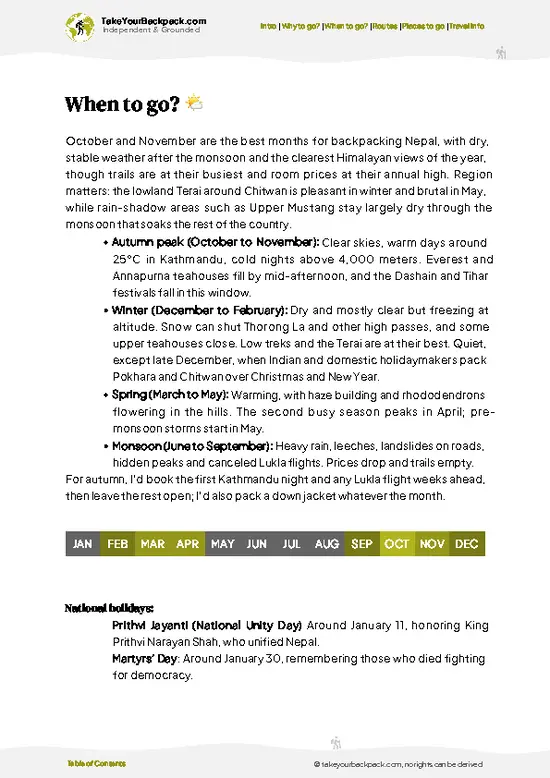
  • Weather: The best time to visit Bhairahawa is during the dry season from October to March. During these months, the skies are mostly clear, and the air feels crisp rather than muggy. Avoid the monsoon season from June to September when heavy rains can turn roads to mud and dampen your plans.

  • Temperature: From October to March, daytime temperatures hover between 20°C and 28°C (68°F to 82°F), perfect for trekking and exploring without overheating. Nights can dip to around 10°C (50°F), so pack a light jacket. The summer months (April to June) can push highs above 35°C (95°F), making midday outings exhausting.

  • Daylight Hours: In the dry season, daylight stretches from about 6 AM to 6 PM, giving you a solid 12 hours to soak in the sights. The monsoon months see slightly shorter days, and
read more 👉

  • Weather: The best time to visit Bhairahawa is during the dry season from October to March. During these months, the skies are mostly clear, and the air feels crisp rather than muggy. Avoid the monsoon season from June to September when heavy rains can turn roads to mud and dampen your plans.

  • Temperature: From October to March, daytime temperatures hover between 20°C and 28°C (68°F to 82°F), perfect for trekking and exploring without overheating. Nights can dip to around 10°C (50°F), so pack a light jacket. The summer months (April to June) can push highs above 35°C (95°F), making midday outings exhausting.

  • Daylight Hours: In the dry season, daylight stretches from about 6 AM to 6 PM, giving you a solid 12 hours to soak in the sights. The monsoon months see slightly shorter days, and the heavy cloud cover can make afternoons feel dimmer and shorter.

  • Crowds: Tourist flow peaks from November to February, especially around major festivals like Diwali and Tihar, when locals celebrate with vibrant rituals. If you prefer quieter streets and better deals, aim for October or March, when the town feels more laid-back.

  • Seasonal Activities: The dry season aligns with cultural festivals and outdoor markets, offering a sensory feast of smells, colors, and sounds. The monsoon months limit outdoor activities but bring lush greenery if you don’t mind the wet.

  • Price Fluctuations: Accommodation and transport costs rise during peak season (November to February) due to demand. Booking in shoulder months like October or March can save you money and still offer good weather.


Pro-tip: Time your visit for late October—cool mornings, clear skies, and the buzz of festival preparations make Bhairahawa feel alive without the crush of peak-season crowds.


source: climatestotravel.comJANJanuary: excellent for travelingFEBFebruary: excellent for travelingMARMarch: highly recommended for travelingAPRApril: fair for travelingMAYMay: fair for travelingJUNJune: below average for travelingJULJuly: below average for travelingAUGAugust: below average for travelingSEPSeptember: fair for travelingOCTOctober: highly recommended for travelingNOVNovember: excellent for travelingDECDecember: excellent for traveling
when-to-go

✈️ The backpacker research shortcutNepal Travel Guide

An offline-friendly backpacking guide with optimized travel routes, ranked highlights, transport advice, and the best areas to stay.
example page 0 from our offline Travel Guide for Nepal
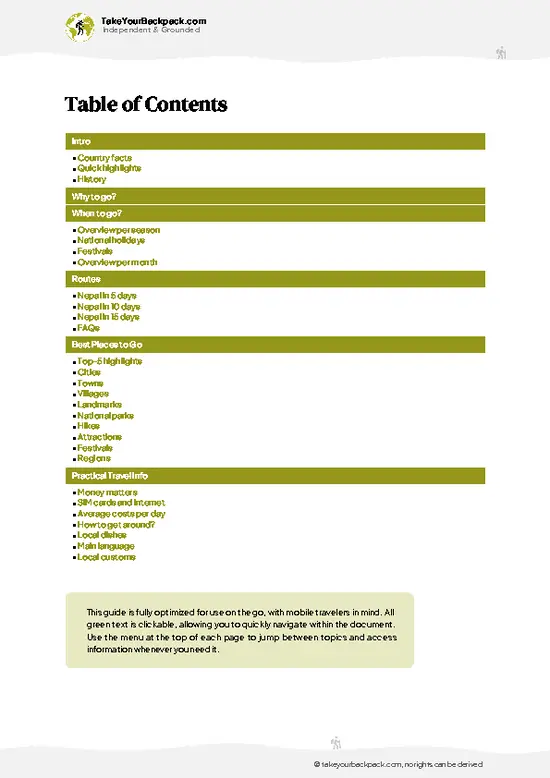
example page 1 from our offline Travel Guide for Nepal
example page 2 from our offline Travel Guide for Nepal
example page 3 from our offline Travel Guide for Nepal
example page 4 from our offline Travel Guide for Nepal
example page 5 from our offline Travel Guide for Nepal
example page 6 from our offline Travel Guide for Nepal
example page 7 from our offline Travel Guide for Nepal
The digital guide (402 pages) contains:
107 highlights, ranked by travel appeal
Optimized 5, 10 & 15-day travel routes
Cities, national parks, landmarks, beaches
How to get around
Offline-friendly for travel without Wi-Fi
👉 Click to see all 30+ guide features

📅 Plan smarter in minutes, not weeks
Month by month travel advice
Festivals & national holidays
Budget expectations

🗺️ Go to the right places, skip the overrated ones
Honest pros & cons of destinations
Top hikes, parks & viewpoints
Lesser-known places most travelers miss
Clear “worth it vs skip it” guidance

🛏️ Travel smoothly without rookie mistakes
Best areas to stay
Transport systems explained simply
Common scams & safety advice
SIM cards, money & practical tips

🌍 Understand the country, not just visit it
Culture & traditions
52 Essential phrases & customs
Festivals worth planning around
Traveler-friendly historical context
Insights that make places more meaningful

📱 Built for real travel conditions
Fully downloadable PDF
Works completely offline
Optimized for phone use
Useful in remote areas & buses
Everything in one place
Save weeks of stressful planning
Get instant access to your full guide. 30‑day money-back guarantee.


By proceeding you agree to our terms.
Sent to your inbox immediately after payment • 100% Secure Checkout
Best Backpacking Travel Advisor 2025 tourism awardBest Backpacking
Travel Advisor
2025
What others say about Take Your Backpack Guides:
⭐⭐⭐⭐⭐
Fantastic, amazing amount of information!
⭐⭐⭐⭐⭐
My goodness this is amazing, it's what I've been looking for hats off too you!
⭐⭐⭐⭐⭐
I think this is absolutely BRILLIANT
⭐⭐⭐⭐
Very complete and informative. It's still missing places, but I gotta to commend you
⭐⭐⭐⭐⭐
This is truly amazing, thank you, can't wait to explore it with my kids!
⭐⭐⭐⭐⭐
Awesome resource, thank you!
⭐⭐⭐⭐⭐
This is amazing! Can't wait to explore the ones I haven't seen
⭐⭐⭐⭐
I love this! Well done, great idea.
⭐⭐⭐⭐⭐
Thanks for taking the time to make this gem!
⭐⭐⭐⭐⭐
This might be the best website I've ever seen.
⭐⭐⭐⭐⭐
Congratulations, and thank you so much for your work; it's incredibly valuable.
⭐⭐⭐⭐
In all seriousness I think you did a great job pointing out the important spots
⭐⭐⭐⭐⭐
10/10 very good
⭐⭐⭐⭐⭐
As someone who's only just starting to visit regularly this is awesome, thank you.
⭐⭐⭐⭐
Thank you very much! I'm going to visit my dad, it's going to be very useful!
⭐⭐⭐⭐⭐
This is really cool! We'll be travelling for the first time and this definitely come in handy.
⭐⭐⭐⭐⭐
You are now our minister of culture, congratulations 👨‍💼
⭐⭐⭐⭐⭐
Just wanted to tell you that this is a pearl! Going to follow your recommendations.
⭐⭐⭐⭐⭐
This is so cool. I'll definitely be using the resource for my travels soon.
⭐⭐⭐⭐⭐
This is very impressive! Good work.
⭐⭐⭐⭐⭐
This is an amazing and informative site. Very well done!

🛏️ Where to stay?Best areas to stay in Nepal

Bhairahawa’s heart for backpackers pulses strongest around the area near the main bus station and the adjoining streets that stretch toward the airport road. This neighborhood is the practical epicenter for budget travelers because it’s where the pulse of local life meets the convenience of transit. The air here carries a mix of diesel and spices from street vendors, grounding you in the everyday rhythm of Nepalese town life. It’s safe, thanks to the steady flow of people and the watchful eyes of small shops and cafes that stay open late.

This zone offers a cluster of hostels and guesthouses … read more 👉
Bhairahawa’s heart for backpackers pulses strongest around the area near the main bus station and the adjoining streets that stretch toward the airport road. This neighborhood is the practical epicenter for budget travelers because it’s where the pulse of local life meets the convenience of transit. The air here carries a mix of diesel and spices from street vendors, grounding you in the everyday rhythm of Nepalese town life. It’s safe, thanks to the steady flow of people and the watchful eyes of small shops and cafes that stay open late.

This zone offers a cluster of hostels and guesthouses that cater specifically to solo travelers and those watching their wallets. The vibe is low-key but social—think shared courtyards where you can swap stories over chai or plan your next move with fellow wanderers. It’s not polished or touristy, but that’s the point: you’re stepping into a lived-in space, not a sanitized postcard.

Compared to the quieter residential pockets farther from the bus station, this area keeps you plugged into the town’s energy without the noise bleeding into your sleep. It’s a balance—close enough to markets and eateries to grab a quick dal bhat, yet removed enough from the busiest streets to catch a moment of calm. Staying here means you’re not just passing through Bhairahawa; you’re woven into its daily beat, making your journey feel grounded and real.

🚌 Getting aroundHow to get around Bhairahawa

Bhairahawa moves like a river that refuses to be dammed—its rhythm is less about strict timetables and more about the pulse of daily life spilling into the streets. The air carries a mix of diesel fumes, fresh spices from roadside stalls, and the occasional waft of incense from a nearby temple. Here, time is elastic; buses might leave when full, rickshaws dart unpredictably, and pedestrians weave through the chaos with practiced ease. This isn’t a place where you wait for the clock. Instead, you learn to read the flow, catching rides as they come and savoring the vibrant disorder that’s part of the town’s charm.


  • Walking: The most reliable and immersive way to get around Bhairahawa. Streets are compact, and the town’s pulse is best felt on foot. Expect uneven sidewalks and occasional crowds
read more 👉
Bhairahawa moves like a river that refuses to be dammed—its rhythm is less about strict timetables and more about the pulse of daily life spilling into the streets. The air carries a mix of diesel fumes, fresh spices from roadside stalls, and the occasional waft of incense from a nearby temple. Here, time is elastic; buses might leave when full, rickshaws dart unpredictably, and pedestrians weave through the chaos with practiced ease. This isn’t a place where you wait for the clock. Instead, you learn to read the flow, catching rides as they come and savoring the vibrant disorder that’s part of the town’s charm.


  • Walking: The most reliable and immersive way to get around Bhairahawa. Streets are compact, and the town’s pulse is best felt on foot. Expect uneven sidewalks and occasional crowds near markets, but the scent of fresh samosas and the chatter of locals make every step worthwhile.


  • Local Buses: These are the budget traveler’s backbone, running roughly from 6:00 AM to 7:00 PM. They don’t stick to strict schedules—buses leave when full, so patience is key. Fares hover around 20-30 NPR (about 15-25 cents), making them the cheapest option. The ride is bumpy, noisy, and crowded, but it’s a raw slice of local life.


  • Cycle Rickshaws: Perfect for short hops within town, these pedal-powered taxis cost about 50-100 NPR depending on distance. They’re slower but offer a breeze and a close-up view of the streetscape. Negotiate fares upfront to avoid surprises, especially during busy hours when demand spikes.


  • Motorbike Taxis: For those who want speed without breaking the bank, motorbike taxis zip through traffic with ease. Expect to pay around 100-150 NPR for typical rides. Helmets aren’t always provided, so bring your own if safety matters to you. They’re available from dawn until late evening, but watch for rush hour chaos.


  • Shared Taxis: These minivans or jeeps connect Bhairahawa to nearby towns and the airport. They depart when full, usually between 7:00 AM and 6:00 PM, and cost around 200-300 NPR. They’re faster than buses and more comfortable but less predictable in timing. Ideal if you’re heading out of town without a fixed schedule.

👛 Costs (as of 18 February 2026)What things cost and how to budget

Backpacking in Bhairahawa, Nepal, offers a very affordable experience for independent travelers.
  • Dorm accommodation: Expect to pay around USD5 to 10 per night for a bed in a basic guesthouse dormitory or budget hostel.
  • Meals: Local meals at small eateries typically cost between USD2 to 5, with simple Nepali dishes like dal bhat or momos.
  • Local transport: Rickshaws and local buses are the main options, costing roughly USD0.50 to 1 per short ride within town.
  • Basic activities/entry fees: Most attractions in Bhairahawa are low-cost or free, with occasional small fees around USD1 to 3 for temples or cultural sites.
  • Miscellaneous expenses: This includes bottled water, snacks, or minor purchases, usually around USD1 to 3 daily.
Overall, a daily budget of USD15 to 30 comfortably covers basic needs and … read more 👉
Backpacking in Bhairahawa, Nepal, offers a very affordable experience for independent travelers.
  • Dorm accommodation: Expect to pay around USD5 to 10 per night for a bed in a basic guesthouse dormitory or budget hostel.
  • Meals: Local meals at small eateries typically cost between USD2 to 5, with simple Nepali dishes like dal bhat or momos.
  • Local transport: Rickshaws and local buses are the main options, costing roughly USD0.50 to 1 per short ride within town.
  • Basic activities/entry fees: Most attractions in Bhairahawa are low-cost or free, with occasional small fees around USD1 to 3 for temples or cultural sites.
  • Miscellaneous expenses: This includes bottled water, snacks, or minor purchases, usually around USD1 to 3 daily.
Overall, a daily budget of USD15 to 30 comfortably covers basic needs and some extras in Bhairahawa. This town is a practical stopover for budget travelers heading to Lumbini or exploring southern Nepal.


source: numbeo.com
⚠️ Prices can change and everyone travels differently, so take this as a rough guide. Hope it helps you plan your adventure!

🚌 Day tripsExploring the surroundings

Bhairahawa is a surprisingly practical hub for backpackers aiming to explore southern Nepal without the hassle of constant packing and moving. The town’s modest size and proximity to key sites make it a launchpad for day trips that balance culture, nature, and a touch of adventure.

Lumbini: The Buddha’s Birthplace
A short 30-minute bus ride or a tuk-tuk trip costing under $2 lands you in Lumbini, where the air feels thick with history and quiet reverence. The sprawling monastic zone, dotted with international temples, offers a rare chance to witness diverse architectural styles and spiritual practices in one place. Early morning visits are best to avoid crowds and catch the soft light filtering through ancient trees. Many first-timers rush through, missing the meditative gardens and the … read more 👉
Bhairahawa is a surprisingly practical hub for backpackers aiming to explore southern Nepal without the hassle of constant packing and moving. The town’s modest size and proximity to key sites make it a launchpad for day trips that balance culture, nature, and a touch of adventure.

Lumbini: The Buddha’s Birthplace
A short 30-minute bus ride or a tuk-tuk trip costing under $2 lands you in Lumbini, where the air feels thick with history and quiet reverence. The sprawling monastic zone, dotted with international temples, offers a rare chance to witness diverse architectural styles and spiritual practices in one place. Early morning visits are best to avoid crowds and catch the soft light filtering through ancient trees. Many first-timers rush through, missing the meditative gardens and the peaceful pond—take your time here; it’s a calm counterpoint to the town’s bustle.
👉 Explore Lumbini

Kailashnath Mahadev Statue
About 45 minutes from Bhairahawa, this colossal Shiva statue towers over the landscape, visible from miles away. The climb up the hill is a sweaty, rewarding trek through local villages and terraced fields, offering a slice of rural life alongside panoramic views. Entry is free, and the best time to visit is late afternoon when the sun casts long shadows, making the statue’s details pop against the sky. Avoid midday heat, which can sap your energy and dull the experience.


Devdaha: Ancient Capital and Quiet Ruins
Devdaha, roughly an hour’s ride from Bhairahawa, is a low-key archaeological site with ruins that whisper stories of an ancient kingdom. It’s a dirt-road journey that feels like stepping back in time, with dusty paths and the scent of earth and crops in the air. The site is small but rich in history, perfect for a slow wander without the tourist crush. Budget travelers will appreciate the cheap local buses and affordable roadside eateries serving dal bhat. The dry season, from October to March, offers the clearest skies and most comfortable temperatures.


Kothi Forest Reserve
For a nature fix, the Kothi Forest Reserve is a half-hour drive from Bhairahawa, where dense sal trees and chirping birds create a cool, shaded escape. The reserve is less polished than national parks but offers a raw, authentic jungle experience. Entry fees are minimal, and hiring a local guide for a few dollars enhances your chances of spotting deer or monkeys. Early morning is prime time for wildlife activity and softer light filtering through the canopy. Don’t expect paved trails; sturdy shoes and a sense of adventure are essential.


Each of these day trips from Bhairahawa rewards you with a distinct flavor of Nepal’s southern plains, all reachable without the stress of overnight logistics. The town’s modest guesthouses and local eateries make returning each evening a simple, comfortable ritual—perfect for stretching your legs and your perspective.
Want to know what more Nepal offers?
The Nepal Travel Guide describes 107 highlights, from cities to national parks, from beaches to hikes

Get the Travel Guide -

🛡️ SafetyScams, Hazards, and Annoyances

Bhairahawa moves at a steady, unhurried pace, and that’s part of its charm—but it also means you want to stay alert in the busier market areas where the crowd thickens and the scent of spices mingles with diesel fumes. Pickpocketing isn’t a headline risk here, but it’s smart to keep your valuables close, especially when you’re navigating the bustling streets or waiting at the bus station. Solo travelers, particularly after dusk, should avoid wandering down dimly lit alleys; the town’s quieter at night, and while it’s generally safe, the uneven sidewalks and sparse lighting can trip you up more than anything else.

Scams are subtle rather than aggressive—expect some inflated taxi fares if you don’t agree on the price upfront. Vendors might push souvenirs with a persistent smile, but a firm … read more 👉
Bhairahawa moves at a steady, unhurried pace, and that’s part of its charm—but it also means you want to stay alert in the busier market areas where the crowd thickens and the scent of spices mingles with diesel fumes. Pickpocketing isn’t a headline risk here, but it’s smart to keep your valuables close, especially when you’re navigating the bustling streets or waiting at the bus station. Solo travelers, particularly after dusk, should avoid wandering down dimly lit alleys; the town’s quieter at night, and while it’s generally safe, the uneven sidewalks and sparse lighting can trip you up more than anything else.

Scams are subtle rather than aggressive—expect some inflated taxi fares if you don’t agree on the price upfront. Vendors might push souvenirs with a persistent smile, but a firm “no, thank you” usually ends the conversation. Carry yourself with quiet confidence, blend into the rhythm of daily life, and you’ll find Bhairahawa’s straightforward vibe welcoming rather than tricky.

Other Nepali towns near Bhairahawa

Explore more nearby:

  • Siddharthanagar—Lumbini gateway, border town, flat rice fields| 1 km away
  • Palpa—Shree Amar Narayan temple, Newari rooftops, hilltop bazaar| 40 km away
  • Tansen—Palpa Durbar, winding alleys, artisan workshops| 41 km away

💡 Not sure where to go next?
Create a personalized itinerary for Nepal including Bhairahawa and the places that fit your trip.

Generate my itinerary

👉 Discover all towns

Or checkout all Nepal has to offer (think cities, towns, villages, national parks, hikes, beaches, festivals)
Country photo of Nepal

We 💚 feedbackIs it worth it?

Bhairahawa isn’t about postcard-perfect views—it’s about the pulse of a border town where cultures collide in the scent of roadside spices and the hum of motorbikes. If you’re chasing raw, everyday Nepal, this is your spot. But don’t expect polished tourist comforts; infrastructure can be patchy, and the chaos might wear on you. Embrace the grit here, and you’ll find a gateway to authentic stories and the start of your Terai adventure.

✈️ When did I visit Nepal?
Being a mountain lover, Nepal is one of my favorites. I visited it in November 2006, hiking the full Annapurna circuit as my highlight.

✍️ Help improve this page!
The information on this page is based on my own backpacking experience in Nepal, supplemented with up-to-date research and feedback from other travelers. Travel details can change, so if you notice anything outdated or incomplete, feel free to let me know.


🙋‍♂️ Give feedback

👋 Meet the founderWho’s Behind Take Your Backpack?

Johan, backpacker and founder of TakeYourBackpackHi, I’m Johan (Netherlands 🇳🇱), the creator of TakeYourBackpack. Over the past decade, I’ve backpacked through 80+ countries across six continents, gaining extensive experience with independent travel, long-term trips, and overland routes.

This site is built on a combination of firsthand travel experience and carefully curated insights from other backpackers. Many guides are based on places I’ve personally visited, while others bring together tips, observations, and practical advice shared by trusted travelers I’ve met along the way.

The goal is to provide realistic, experience-driven guidance — not generic itineraries — so you can explore destinations with better context, clearer expectations, and more confidence.

Get full Nepal guide •
Instant download • 107 highlights • Full Offline guide