×

Nepal🇳🇵 | townsGorkhahilltop palace, royal heritage, mountain vistas | things to do and best time to go

Explore DhulikhelExplore Kakani

Backpacking in Gorkha
🌟 Highlighttown ranked #6
By Johan Kruseman 🇳🇱 | Updated June 13, 2026

Most people only realize after leaving Gorkha that it’s the perfect “systems check” for Nepal: a place where you can test your trekking legs, your budget, and your patience with transport before committing to the big-name circuits. Gorkha sits roughly halfway between Kathmandu and Pokhara, on the Prithvi Highway, up a short climb from the main road. As a backpacker stop, it’s compact, cheap, and historically loaded: the old Gorkha Durbar palace-fortress on the ridge, the museum, and the hillside temples give you real context for how modern Nepal was stitched together. It’s calmer and more traditional than Pokhara, less chaotic than Kathmandu, and nightlife is basically tea shops and local bars. Buses can be slow and dusty, and you won’t find a big hostel scene, but it feels safe, curious locals are easy to talk to, and your rupees go far.

Discover everything you want to know in the 📖 Nepal Travel Guide.


Get your Nepal guide
107 ranked highlights, routes & tips, works offline (404 pages)
Loading the map 🌍
CLICK TO FILTER
cities
towns
villages
landmarks
national parks
hikes
attractions
festivals
regions
SHOW COUNTRY’S BESTSHOW ALL

✨ Why go?
Ranked #6 town in Nepal
What makes it a must-see town

Gorkha is a strategic stop for backpackers weaving through Nepal. It’s not just about the highlights; it’s the basecamp value that draws many. From here, you can easily launch into day trips that showcase the region’s beauty without the hassle of constant packing and unpacking. The walkability of the city makes it easy to explore local markets and eateries, where you can savor authentic Nepali dishes without breaking the bank.

Hostels here are friendly and affordable, fostering a sense of community among travelers. You’ll find a mix of comfort and character, perfect for unwinding after a day of adventure. While Gorkha doesn’t have a bustling nightlife, the laid-back vibe offers a chance to connect with fellow backpackers over a quiet drink or a shared meal.

As for onward travel, Gorkha serves … read more 👉
Gorkha is a strategic stop for backpackers weaving through Nepal. It’s not just about the highlights; it’s the basecamp value that draws many. From here, you can easily launch into day trips that showcase the region’s beauty without the hassle of constant packing and unpacking. The walkability of the city makes it easy to explore local markets and eateries, where you can savor authentic Nepali dishes without breaking the bank.

Hostels here are friendly and affordable, fostering a sense of community among travelers. You’ll find a mix of comfort and character, perfect for unwinding after a day of adventure. While Gorkha doesn’t have a bustling nightlife, the laid-back vibe offers a chance to connect with fellow backpackers over a quiet drink or a shared meal.

As for onward travel, Gorkha serves as a convenient hub, linking you to various routes across Nepal. If you’re looking for a place that balances exploration with relaxation, Gorkha might just fit your style.
Want to include Gorkha in your Nepal route?
Create a personalized Nepal itinerary that includes Gorkha and the places that fit your trip — based on your travel style, budget, and available time. Get your route in seconds.

Generate my trip

💡 HighlightsEssential experiences to have while visiting Gorkha

  1. Gorkha Durbar (Gorkha Palace) — The town’s crown: an old hilltop palace and fort that was the seat of the Shah kings and the birthplace of Prithvi Narayan Shah. Climb the stone steps, poke around the terraces and courtyards, and soak up the history and views that made Gorkha strategically important for centuries.
  2. Durbar Temple Cluster (Kalika, Gorakhnath and other palace shrines) — A tight group of historic temples inside and around the palace complex. These are living places of worship with carved wood, ritual bells and daily puja—great for seeing local devotion and traditional architecture up close.
  3. Gorkha Museum (Palace museum) — Small but packed: royal regalia, weapons, old maps and objects connected to the Shah dynasty and the region’s military past. It’s the easiest place to put
read more 👉
  1. Gorkha Durbar (Gorkha Palace) — The town’s crown: an old hilltop palace and fort that was the seat of the Shah kings and the birthplace of Prithvi Narayan Shah. Climb the stone steps, poke around the terraces and courtyards, and soak up the history and views that made Gorkha strategically important for centuries.
  2. Durbar Temple Cluster (Kalika, Gorakhnath and other palace shrines) — A tight group of historic temples inside and around the palace complex. These are living places of worship with carved wood, ritual bells and daily puja—great for seeing local devotion and traditional architecture up close.
  3. Gorkha Museum (Palace museum) — Small but packed: royal regalia, weapons, old maps and objects connected to the Shah dynasty and the region’s military past. It’s the easiest place to put the palace ruins and the Gurkha story into context.
  4. Gorkha Bazaar (Old Market) — Narrow lanes, teahouses and family-run shops that sell everything from groceries to locally made khukuris and textiles. The market is the social heart of town—visit in the morning for fresh bread, bargaining and real local color.
  5. Gurkha / War Memorials and Regimental Displays — Plaques, memorial stones and small displays honouring local soldiers who served in the Gurkha regiments. Respectful, quiet spots that tell the modern side of Gorkha’s international reputation.
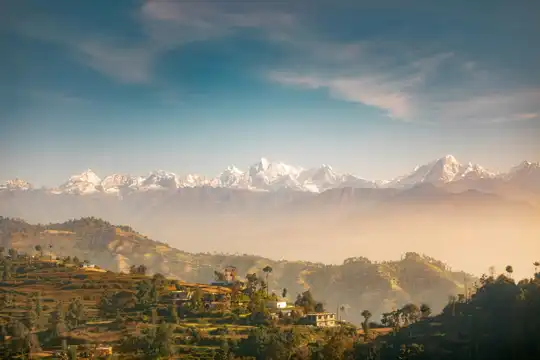
  6. Palace Viewpoints and Terrace Walks — The several ridgeline viewpoints around town give sweeping panoramas—Trishuli/Seti valleys below and snowy peaks on the horizon. Best at sunrise or late afternoon when the light makes the ridges sing.
  7. Stone Stairways and Old Newar Houses — The steep stone steps and traditional carved houses that stitch the bazaar to the palace are themselves a highlight: photo-friendly, atmospheric and perfect for slow wandering and noticing details.
  8. Local Teahouses and Rooftop Cafés — Simple places with big views where you can sit for chai, momos and people-watching. They’re the low-cost way to experience local rhythms and meet traders, porters and students.
  9. Community Homestays and Cultural Visits — Several family-run homestays in town offer honest food, a bed and conversations about daily life, farming and festivals. Staying with a local family is the quickest route to memorable, real cultural exchange.
  10. Morning Market & Food Stalls (seasonal) — The small open-air market and street food corner where villagers bring fresh produce, spices and homemade snacks. Great for tasting seasonal fruit, sampling local bread and watching the town wake up.
A few excellent day trips from Gorkha town are the Manakamana Temple (cable car access), river rafting on the Trishuli, and the traditional mountain village of Barpak—Barpak is a personal favorite for its authentic village life and sweeping village-to-peak views.
Spotted a mistake or missing something? Contact us.

🏘️ NeighborhoodsWhere things are and how it's laid out

Gorkha, a historical hub in Nepal, offers a unique blend of culture and adventure, making it a strategic stop for backpackers. Here’s how the neighborhoods stack up:

Gorkha Bazaar: The heart of the city, this bustling market area is perfect for first-timers. You’ll find affordable guesthouses and local eateries. The vibe is lively, with shops selling everything from trekking gear to traditional crafts. It’s walkable, but expect some steep climbs. Ideal for short stays, as you can easily access transport to other regions.

Chakra Ghar: A quieter residential area, Chakra Ghar is where you’ll experience local life. The cost of accommodation is slightly lower here, and the atmosphere is relaxed. It’s less touristy, making it a great spot for longer stays if you want to immerse yourself in the … read more 👉
Gorkha, a historical hub in Nepal, offers a unique blend of culture and adventure, making it a strategic stop for backpackers. Here’s how the neighborhoods stack up:

Gorkha Bazaar: The heart of the city, this bustling market area is perfect for first-timers. You’ll find affordable guesthouses and local eateries. The vibe is lively, with shops selling everything from trekking gear to traditional crafts. It’s walkable, but expect some steep climbs. Ideal for short stays, as you can easily access transport to other regions.

Chakra Ghar: A quieter residential area, Chakra Ghar is where you’ll experience local life. The cost of accommodation is slightly lower here, and the atmosphere is relaxed. It’s less touristy, making it a great spot for longer stays if you want to immerse yourself in the culture. Walkability is decent, but you may need to rely on local transport for longer excursions.

Shree Gorkha Dham: This area is known for its serene temples and stunning views. It’s a bit off the main tourist path, offering a peaceful retreat. Costs can vary, but you’ll find some mid-range options. Perfect for those seeking tranquility after a day of trekking. The walkability is good, but be prepared for some uphill treks. Ideal for both short and extended visits, especially for spiritual seekers.

⌛️ 1 dayWhat you can realistically do in a day

Gorkha, Nepal, is a treasure trove of history and culture, often overshadowed by its more famous neighbors. Nestled in the foothills of the Himalayas, it’s the birthplace of King Prithvi Narayan Shah, the unifier of Nepal. The blend of ancient architecture and stunning mountain views makes it a captivating spot for a day trip.

Start your morning at the Gorkha Durbar, a majestic palace complex that offers a glimpse into Nepal’s royal past. The climb up to the palace is invigorating, with each step revealing panoramic views of the surrounding valleys. Spend some time exploring the intricacies of the architecture and the small temples scattered throughout the site. Don’t rush; let the history sink in.

After soaking up the morning sun, head to the local market in the heart of Gorkha. This is … read more 👉
Gorkha, Nepal, is a treasure trove of history and culture, often overshadowed by its more famous neighbors. Nestled in the foothills of the Himalayas, it’s the birthplace of King Prithvi Narayan Shah, the unifier of Nepal. The blend of ancient architecture and stunning mountain views makes it a captivating spot for a day trip.

Start your morning at the Gorkha Durbar, a majestic palace complex that offers a glimpse into Nepal’s royal past. The climb up to the palace is invigorating, with each step revealing panoramic views of the surrounding valleys. Spend some time exploring the intricacies of the architecture and the small temples scattered throughout the site. Don’t rush; let the history sink in.

After soaking up the morning sun, head to the local market in the heart of Gorkha. This is where you can truly feel the pulse of the city. Grab a plate of dal bhat from a street vendor—it’s a hearty meal that will fuel your afternoon adventures. The market is vibrant, filled with locals going about their day, and it’s a perfect spot to practice your bargaining skills.

In the afternoon, make your way to the less-visited but equally enchanting Manakamana Temple. A short hike or a cable car ride will take you there, and the views are worth every effort. This temple is dedicated to the goddess of wishes, and the atmosphere is serene. Spend some time reflecting or simply enjoying the tranquility.

As evening approaches, return to Gorkha and find a cozy café to unwind. Sip on some chai while watching the sunset paint the sky over the mountains. This day in Gorkha is not just about ticking off sights; it’s about immersing yourself in the local rhythm and savoring the moments that make travel truly rewarding.
Turn your Gorkha visit into an Nepal adventure
Build a complete Nepal route with Gorkha, hidden gems, must-see destinations, and realistic travel times included.

Generate my trip

🌤️ When to go?Choosing the right time of year


  • Weather: The best window is late September to November when the monsoon has cleared, leaving crisp, dry air perfect for trekking. Avoid the heavy rains of June to August that turn trails into mudslides.

  • Temperature: Daytime highs hover around 20-25°C (68-77°F) in autumn, ideal for hiking without overheating. Nights can dip to 5-10°C (41-50°F), so pack layers. Spring (March-May) warms up to 25-30°C (77-86°F), but can get sweaty on steep climbs.

  • Daylight Hours: Autumn offers about 11-12 hours of daylight, giving you ample time to cover ground without rushing. Winter days shorten, which can cramp your schedule if you’re aiming for longer treks.

  • Crowds: Peak trekking season in autumn means more fellow hikers, but the atmosphere buzzes with energy and local festivals. Off-season (winter)
read more 👉

  • Weather: The best window is late September to November when the monsoon has cleared, leaving crisp, dry air perfect for trekking. Avoid the heavy rains of June to August that turn trails into mudslides.

  • Temperature: Daytime highs hover around 20-25°C (68-77°F) in autumn, ideal for hiking without overheating. Nights can dip to 5-10°C (41-50°F), so pack layers. Spring (March-May) warms up to 25-30°C (77-86°F), but can get sweaty on steep climbs.

  • Daylight Hours: Autumn offers about 11-12 hours of daylight, giving you ample time to cover ground without rushing. Winter days shorten, which can cramp your schedule if you’re aiming for longer treks.

  • Crowds: Peak trekking season in autumn means more fellow hikers, but the atmosphere buzzes with energy and local festivals. Off-season (winter) is quieter but colder and less lively.

  • Seasonal Activities: Autumn hosts cultural events like the Gorkha Festival, adding rich local flavor to your trip. Spring brings rhododendron blooms, painting the hillsides in fiery reds and pinks.

  • Price Fluctuations: Expect higher prices for accommodation and guides during peak autumn months. Winter and early spring offer better deals but at the cost of colder weather and fewer services.


Pro-tip: Aim for late autumn if you want the best balance of weather, daylight, and cultural immersion—just book early to lock in better rates before the crowd arrives.


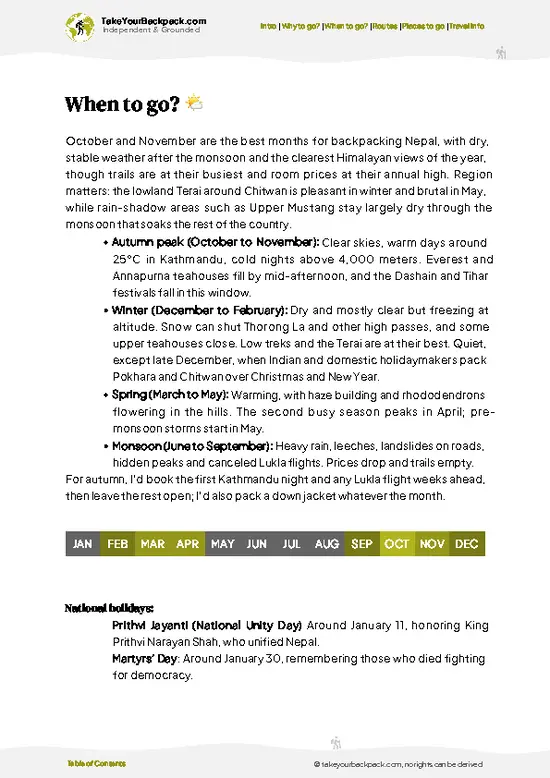
source: climatestotravel.comJANJanuary: good for travelingFEBFebruary: good for travelingMARMarch: highly recommended for travelingAPRApril: highly recommended for travelingMAYMay: good for travelingJUNJune: below average for travelingJULJuly: below average for travelingAUGAugust: below average for travelingSEPSeptember: highly recommended for travelingOCTOctober: excellent for travelingNOVNovember: excellent for travelingDECDecember: good for traveling
nepal-city-gorkha
© Google |

✈️ The backpacker research shortcutNepal Travel Guide

An offline-friendly backpacking guide with optimized travel routes, ranked highlights, transport advice, and the best areas to stay.
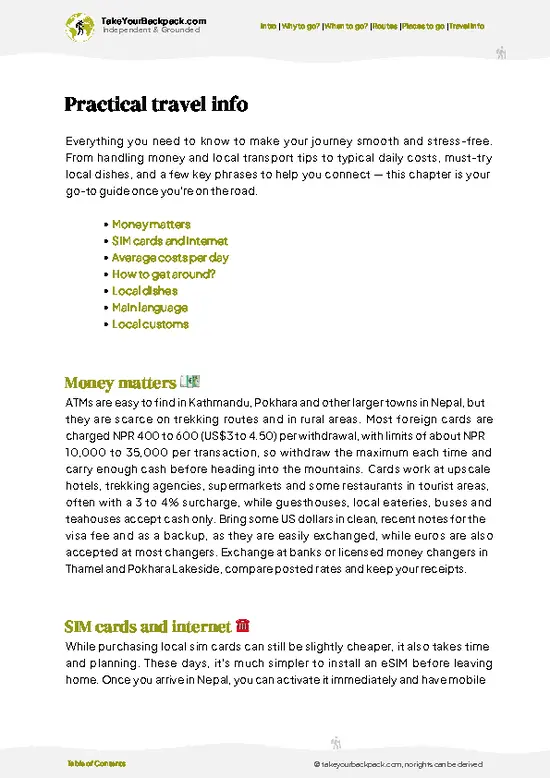
example page 0 from our offline Travel Guide for Nepal
example page 1 from our offline Travel Guide for Nepal
example page 2 from our offline Travel Guide for Nepal
example page 3 from our offline Travel Guide for Nepal
example page 4 from our offline Travel Guide for Nepal
example page 5 from our offline Travel Guide for Nepal
example page 6 from our offline Travel Guide for Nepal
example page 7 from our offline Travel Guide for Nepal
The digital guide (404 pages) contains:
107 highlights, ranked by travel appeal
Optimized 5, 10 & 15-day travel routes
Cities, national parks, landmarks, beaches
How to get around
Offline-friendly for travel without Wi-Fi
👉 Click to see all 30+ guide features

📅 Plan smarter in minutes, not weeks
Month by month travel advice
Festivals & national holidays
Budget expectations

🗺️ Go to the right places, skip the overrated ones
Honest pros & cons of destinations
Top hikes, parks & viewpoints
Lesser-known places most travelers miss
Clear “worth it vs skip it” guidance

🛏️ Travel smoothly without rookie mistakes
Best areas to stay
Transport systems explained simply
Common scams & safety advice
SIM cards, money & practical tips

🌍 Understand the country, not just visit it
Culture & traditions
52 Essential phrases & customs
Festivals worth planning around
Traveler-friendly historical context
Insights that make places more meaningful

📱 Built for real travel conditions
Fully downloadable PDF
Works completely offline
Optimized for phone use
Useful in remote areas & buses
Everything in one place
Save weeks of stressful planning
Get instant access to your full guide. 30‑day money-back guarantee.


By proceeding you agree to our terms.
Sent to your inbox immediately after payment • 100% Secure Checkout
Best Backpacking Travel Advisor 2025 tourism awardBest Backpacking
Travel Advisor
2025
What others say about Take Your Backpack Guides:
⭐⭐⭐⭐⭐
Fantastic, amazing amount of information!
⭐⭐⭐⭐⭐
My goodness this is amazing, it's what I've been looking for hats off too you!
⭐⭐⭐⭐⭐
I think this is absolutely BRILLIANT
⭐⭐⭐⭐
Very complete and informative. It's still missing places, but I gotta to commend you
⭐⭐⭐⭐⭐
This is truly amazing, thank you, can't wait to explore it with my kids!
⭐⭐⭐⭐⭐
Awesome resource, thank you!
⭐⭐⭐⭐⭐
This is amazing! Can't wait to explore the ones I haven't seen
⭐⭐⭐⭐
I love this! Well done, great idea.
⭐⭐⭐⭐⭐
Thanks for taking the time to make this gem!
⭐⭐⭐⭐⭐
This might be the best website I've ever seen.
⭐⭐⭐⭐⭐
Congratulations, and thank you so much for your work; it's incredibly valuable.
⭐⭐⭐⭐
In all seriousness I think you did a great job pointing out the important spots
⭐⭐⭐⭐⭐
10/10 very good
⭐⭐⭐⭐⭐
As someone who's only just starting to visit regularly this is awesome, thank you.
⭐⭐⭐⭐
Thank you very much! I'm going to visit my dad, it's going to be very useful!
⭐⭐⭐⭐⭐
This is really cool! We'll be travelling for the first time and this definitely come in handy.
⭐⭐⭐⭐⭐
You are now our minister of culture, congratulations 👨‍💼
⭐⭐⭐⭐⭐
Just wanted to tell you that this is a pearl! Going to follow your recommendations.
⭐⭐⭐⭐⭐
This is so cool. I'll definitely be using the resource for my travels soon.
⭐⭐⭐⭐⭐
This is very impressive! Good work.
⭐⭐⭐⭐⭐
This is an amazing and informative site. Very well done!

🛏️ Where to stay?Choosing the right base

In Gorkha, the best spot for backpackers is the area around Gorkha Bazaar. This neighborhood strikes a smart balance between safety, social buzz, and budget-friendly options. It’s the city’s heartbeat—compact enough to walk everywhere, yet lively enough to meet fellow travelers and locals without the touristy overwhelm. Hostels and guesthouses cluster here, offering simple dorms and private rooms that won’t drain your wallet but still provide a clean, secure base.

Compared to the quieter outskirts or the more residential zones, Gorkha Bazaar delivers a social atmosphere that’s crucial for solo … read more 👉
In Gorkha, the best spot for backpackers is the area around Gorkha Bazaar. This neighborhood strikes a smart balance between safety, social buzz, and budget-friendly options. It’s the city’s heartbeat—compact enough to walk everywhere, yet lively enough to meet fellow travelers and locals without the touristy overwhelm. Hostels and guesthouses cluster here, offering simple dorms and private rooms that won’t drain your wallet but still provide a clean, secure base.

Compared to the quieter outskirts or the more residential zones, Gorkha Bazaar delivers a social atmosphere that’s crucial for solo travelers craving connection. You’ll find small cafes and eateries where you can swap stories over dal bhat or chai. The vibe is relaxed but purposeful—people here are on a mission, whether trekking or exploring local history, so you’re surrounded by like-minded adventurers.

If you stray too far from this hub, you risk losing that social pulse and easy access to transport or guides. Staying in Gorkha Bazaar means you’re plugged into the city’s rhythm, maximizing your time and comfort without overspending. It’s the smart choice for backpackers who want to work the system, not get worked by it.

🚌 Getting aroundHow to get from A to B

Gorkha moves at its own pace—neither a frantic rush nor a lazy drift. It’s a place where schedules exist but bend to the terrain and temperament of the people. You won’t find a clock dictating every step, but you’ll sense a rhythm shaped by the hills, the weather, and the steady flow of pilgrims and traders. This is a city where time is a flexible currency, and your choices about how to move through it will define your experience. Understanding the trade-offs between time, money, and comfort here is your secret weapon to mastering Gorkha’s pulse.


  • Walking: The most authentic and budget-friendly way to explore Gorkha. It costs nothing, offers unmatched freedom, and lets you soak in the local vibe at your own pace. Expect slow progress on hilly terrain, but the payoff is in the details—the
read more 👉
Gorkha moves at its own pace—neither a frantic rush nor a lazy drift. It’s a place where schedules exist but bend to the terrain and temperament of the people. You won’t find a clock dictating every step, but you’ll sense a rhythm shaped by the hills, the weather, and the steady flow of pilgrims and traders. This is a city where time is a flexible currency, and your choices about how to move through it will define your experience. Understanding the trade-offs between time, money, and comfort here is your secret weapon to mastering Gorkha’s pulse.


  • Walking: The most authentic and budget-friendly way to explore Gorkha. It costs nothing, offers unmatched freedom, and lets you soak in the local vibe at your own pace. Expect slow progress on hilly terrain, but the payoff is in the details—the scent of pine, the chatter of villagers, and unexpected viewpoints. No schedules, just your own rhythm.


  • Local Jeep Services: These shared jeeps run from early morning around 6 AM until late afternoon, roughly 5 PM. They’re cheap—around 100-150 NPR per ride—but can be cramped and bumpy. Speed varies with road conditions, but they’re your best bet for reaching outlying villages quickly without breaking the bank. Comfort is minimal, but the social experience is rich.


  • Motorbike Rentals: For about 800-1200 NPR per day, renting a motorbike gives you control over your schedule and access to remote spots. It’s faster than walking and more flexible than jeep schedules, but requires confidence on narrow, uneven roads. Comfort depends on your riding skills and gear; it’s a trade-off between freedom and physical effort.


  • Private Taxi: If you’re willing to spend 1500-2500 NPR for a day, private taxis offer the fastest and most comfortable transit. They run on your timetable, ideal for tight schedules or when carrying heavy gear. This option sacrifices budget but gains you time and ease, especially on longer routes or during unpredictable weather.


  • Bicycle: Renting a bicycle costs about 300-500 NPR per day and sits between walking and motorbiking in speed and effort. It’s eco-friendly and gives you a good workout, but Gorkha’s hilly terrain can turn this into a serious challenge. Comfort is low, but the payoff is a deep connection to the landscape and total control over your pace.

👛 Costs (as of 22 February 2026)Travel costs and budget guide for Gorkha

Backpacking in Gorkha, Nepal, offers a clear trade-off between frugality and comfort, with costs that reflect its off-the-beaten-path status and local economy. Here’s how the daily expenses typically break down for an independent traveler:
  • Dorm Accommodation (High Season): Expect to pay around $6 to $10 USD per night. High season, usually October to December, pushes prices up slightly due to increased demand from trekkers and pilgrims.
  • Dorm Accommodation (Off-Season): In quieter months, prices drop to about $3 to $6 USD. Fewer tourists mean better bargaining power and sometimes even free extras like tea or Wi-Fi.
  • Meals: Local eateries serve hearty Dal Bhat (lentils and rice) for $1.50 to $3 per meal. Western-style or more elaborate dishes can push costs to $5 or more, but sticking to local
read more 👉
Backpacking in Gorkha, Nepal, offers a clear trade-off between frugality and comfort, with costs that reflect its off-the-beaten-path status and local economy. Here’s how the daily expenses typically break down for an independent traveler:
  • Dorm Accommodation (High Season): Expect to pay around $6 to $10 USD per night. High season, usually October to December, pushes prices up slightly due to increased demand from trekkers and pilgrims.
  • Dorm Accommodation (Off-Season): In quieter months, prices drop to about $3 to $6 USD. Fewer tourists mean better bargaining power and sometimes even free extras like tea or Wi-Fi.
  • Meals: Local eateries serve hearty Dal Bhat (lentils and rice) for $1.50 to $3 per meal. Western-style or more elaborate dishes can push costs to $5 or more, but sticking to local fare keeps your budget lean and authentic.
  • Local Transport: Short rides on local jeeps or buses cost roughly $0.50 to $1.50, depending on distance. These are infrequent but affordable, and walking is often the best way to explore the town itself.
  • City Transport Pass: Gorkha doesn’t have a formal city transport pass system; transport is mostly informal and pay-per-ride, so no fixed pass costs here.
  • Basic Activities/Entry Fees: Visiting Gorkha Durbar (the historic palace) or nearby temples typically costs around $2 to $5. Guided tours or trekking permits can add more but are optional depending on your itinerary.
  • Miscellaneous Expenses: Budget $1 to $3 for bottled water, snacks, or small souvenirs. Internet cafes and phone top-ups are cheap, usually under $1 for basic use.

All told, your daily budget in Gorkha ranges from about $10 on the leanest days to $20 if you lean toward comfort or add a few activities. This is a place where you can stretch your dollar without sacrificing the experience, but knowing where to spend and where to save is key to winning the game of travel value here.


source: welcomenepal.com
⚠️ Prices can change and everyone travels differently, so take this as a rough guide. Hope it helps you plan your adventure!

🚌 Day tripsEasy escapes and nearby places

Gorkha, Nepal, serves as an excellent launchpad for day trips that blend adventure with cultural immersion. Here are some standout options that make the most of your time, money, and comfort.

**Gorkha Durbar Palace**
Just a short hike from the town center, the Gorkha Durbar Palace is a treasure trove of history. The views from the top are breathtaking, offering a panorama of the Himalayas that’s worth every step. Expect to spend around 2-3 hours exploring the palace and its surroundings. Entry is cheap, typically under $2, making it a budget-friendly option. The best time to visit is early morning to avoid the heat and crowds. A common mistake? Many first-timers underestimate the hike; wear sturdy shoes and bring water.


**Manakamana Temple**
A 30-minute drive from Gorkha, the Manakamana … read more 👉
Gorkha, Nepal, serves as an excellent launchpad for day trips that blend adventure with cultural immersion. Here are some standout options that make the most of your time, money, and comfort.

**Gorkha Durbar Palace**
Just a short hike from the town center, the Gorkha Durbar Palace is a treasure trove of history. The views from the top are breathtaking, offering a panorama of the Himalayas that’s worth every step. Expect to spend around 2-3 hours exploring the palace and its surroundings. Entry is cheap, typically under $2, making it a budget-friendly option. The best time to visit is early morning to avoid the heat and crowds. A common mistake? Many first-timers underestimate the hike; wear sturdy shoes and bring water.


**Manakamana Temple**
A 30-minute drive from Gorkha, the Manakamana Temple is accessible via a thrilling cable car ride. This sacred site is dedicated to the goddess Bhagwati and is a pilgrimage hotspot. The round trip, including the cable car, will set you back about $10, and the experience is both spiritual and scenic. Aim for a weekday visit to dodge the weekend rush. Don’t forget to check the weather; the views can be obscured by clouds.
👉 Explore Manakamana Temple

**Syangja Valley**
Venture about an hour to Syangja Valley for a taste of rural Nepal. This area is less touristy, allowing you to connect with local life. You can hike through terraced fields and visit small villages, all while soaking in the serene landscape. Costs are minimal, mainly transportation and a few snacks, totaling around $5-10. The best time to go is during the spring when the fields are lush and green. A common pitfall? Not planning your return trip; local transport can be sporadic, so check schedules in advance.


**Kakani Viewpoint**
For a quick escape, head to Kakani Viewpoint, just 45 minutes from Gorkha. This spot offers stunning views of the Annapurna range and is perfect for a picnic. The trip is nearly free if you hike, with only transport costs to consider—around $3-5. Early mornings are ideal for clear skies. Many overlook the timing; arriving too late can mean missing the best light for photos.
Want to know what more Nepal offers?
The Nepal Travel Guide describes 107 highlights, from cities to national parks, from beaches to hikes

Get the Travel Guide -

🍲 FoodEating & Drinking in Gorkha

In Gorkha, **food** is a vibrant tapestry of flavors that tells the story of its culture. You can’t miss **dal bhat**, a staple meal of lentil soup and rice, often served with seasonal vegetables and a spicy pickle called **achar**. This dish is not just food; it’s a ritual, often shared among friends or family, embodying the communal spirit of Nepal.

Street food stalls are your best bet for an authentic experience. Grab some **momos**, those delightful dumplings filled with meat or veggies, and watch as locals gather around, sharing laughter and stories. The **samosas** here are crispy and packed with spiced potatoes, perfect for a quick snack while you explore.

When it comes to drinks, try **chia**, a traditional spiced tea that warms you up after a day of trekking. Locals often sip it … read more 👉
In Gorkha, **food** is a vibrant tapestry of flavors that tells the story of its culture. You can’t miss **dal bhat**, a staple meal of lentil soup and rice, often served with seasonal vegetables and a spicy pickle called **achar**. This dish is not just food; it’s a ritual, often shared among friends or family, embodying the communal spirit of Nepal.

Street food stalls are your best bet for an authentic experience. Grab some **momos**, those delightful dumplings filled with meat or veggies, and watch as locals gather around, sharing laughter and stories. The **samosas** here are crispy and packed with spiced potatoes, perfect for a quick snack while you explore.

When it comes to drinks, try **chia**, a traditional spiced tea that warms you up after a day of trekking. Locals often sip it while engaging in lively conversations. If you’re feeling adventurous, seek out **local brews**; they have a unique character that reflects the region’s spirit.

Etiquette is simple: share your food and enjoy the company. Meals are often a communal affair, so don’t hesitate to join in the conversation. This is where the heart of Gorkha truly lies.

🛡️ SafetySafety Tips and Common Scams in Gorkha

Gorkha, Nepal, is generally safe for backpackers, but a few nuances can enhance your experience. Stay aware in crowded markets, especially around the bus station, where pickpockets might lurk. If you’re solo, avoid wandering too far after dark; the streets can be quiet, and it’s best to stick to well-lit areas.

Common scams are rare, but be cautious of overly friendly locals offering unsolicited help. They might expect a tip or lead you to shops where prices are inflated. When negotiating for goods or services, keep your cool and don’t rush; this is part of the local culture.

Carry yourself confidently, and don’t hesitate to say no politely. Trust your instincts—if something feels off, it probably is. With a little awareness, you can navigate Gorkha smoothly and enjoy its rich history and stunning landscapes.

Other Nepali towns near Gorkha

Explore more nearby:

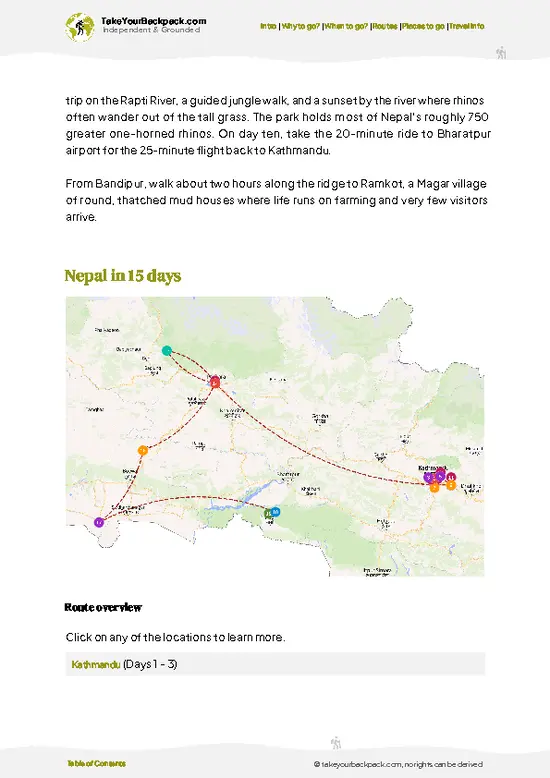
  • Bandipur—Pedestrian main street, restored Newari houses, hilltop views| 23 km away
  • Daman—Panoramic ridges, rhododendron forests, distant Himalayan views| 62 km away
  • Kakani—Strawberry farms, pine forests, picnic terraces| 63 km away

💡 Not sure where to go next?
Create a personalized itinerary for Nepal including Gorkha and the places that fit your trip.

Generate my itinerary

👉 Discover all towns

Or checkout all Nepal has to offer (think cities, towns, villages, national parks, hikes, beaches, festivals)
Country photo of Nepal

We 💚 feedbackKey takeaways before you go

Gorkha is a treasure trove of history, with its majestic Durbar Square and the stunning views from the Gorkha Fort. You’ll feel the pulse of Nepal’s past here. But be ready for the reality check: the roads can be rough, and getting around might eat into your time. Embrace the slower pace; it’s part of the charm. Just know that the journey is as much a part of the experience as the destination.

✈️ When did I visit Nepal?
Being a mountain lover, Nepal is one of my favorites. I visited it in November 2006, hiking the full Annapurna circuit as my highlight.

✍️ Help improve this page!
The information on this page is based on my own backpacking experience in Nepal, supplemented with up-to-date research and feedback from other travelers. Travel details can change, so if you notice anything outdated or incomplete, feel free to let me know.


🙋‍♂️ Give feedback

👋 Meet the founderWho’s Behind Take Your Backpack?

Johan, backpacker and founder of TakeYourBackpackHi, I’m Johan (Netherlands 🇳🇱), the creator of TakeYourBackpack. Over the past decade, I’ve backpacked through 80+ countries across six continents, gaining extensive experience with independent travel, long-term trips, and overland routes.

This site is built on a combination of firsthand travel experience and carefully curated insights from other backpackers. Many guides are based on places I’ve personally visited, while others bring together tips, observations, and practical advice shared by trusted travelers I’ve met along the way.

The goal is to provide realistic, experience-driven guidance — not generic itineraries — so you can explore destinations with better context, clearer expectations, and more confidence.

Get full Nepal guide •
Instant download • 107 highlights • Full Offline guide