×

Nepal🇳🇵 | attractionsLumbini Sacred Garden and Maya Devi Templebirthplace of Buddha, pilgrimage site, ancient ruins | things to do and best time to go

Explore SwayambhunathExplore Patan Durbar Square and Patan Museum

Backpacking in Lumbini Sacred Garden and Maya Devi Temple
🌟 Highlightattraction ranked #6
By Johan Kruseman 🇳🇱 | Updated May 10, 2026

Forget the Instagram illusion: Lumbini Sacred Garden and the Maya Devi Temple aren’t some tranquil, lotus-filled sanctuary where you’ll meditate in silence with monks under a Bodhi tree. The reality? Lumbini sits in Nepal’s southern Terai, a flat, humid region near the Indian border, and the birthplace of Buddha is more pilgrimage site than backpacker playground. You’ll find busloads of devotees, construction dust, and a surprising number of selfie sticks. But here’s the kicker—if you can see past the crowds and the sometimes underwhelming infrastructure, the place hums with a raw, unpolished energy. The Maya Devi Temple itself is a modest brick structure, but standing on the exact spot where Siddhartha Gautama was born hits differently than any stupa in Kathmandu or Pokhara’s lakeside chill. It’s not cheap to get here, and the vibe is more solemn than social, but if you want to feel the pulse of living history, Lumbini delivers.

Discover everything you want to know in the 📖 Nepal Travel Guide.


Get your Nepal guide
107 ranked highlights, routes & tips, works offline (404 pages)
Loading the map 🌍
CLICK TO FILTER
cities
towns
villages
landmarks
national parks
hikes
attractions
festivals
regions
SHOW COUNTRY’S BESTSHOW ALL

✨ Why go?
Ranked #6 attraction in Nepal
Reasons people choose to visit here

Backpackers often roll their eyes at the hype around the Lumbini Sacred Garden and Maya Devi Temple, expecting a quiet, untouched spiritual retreat. Reality check: it’s a magnet for pilgrims and tourists alike, so expect crowds and a bit of a touristy vibe. But here’s the kicker—this is where it all began. Lumbini isn’t just another pretty temple; it’s the birthplace of Siddhartha Gautama, the man who became the Buddha. That alone makes it a pilgrimage milestone, a cultural heavyweight that anchors Nepal’s spiritual map. The Maya Devi Temple holds archaeological layers dating back over 2,500 years, grounding you in history in a way no Instagram snap can capture. Sure, it’s not a wild adventure, but the effort-to-reward ratio is unbeatable if you want to connect with the roots of Buddhism and … read more 👉
Backpackers often roll their eyes at the hype around the Lumbini Sacred Garden and Maya Devi Temple, expecting a quiet, untouched spiritual retreat. Reality check: it’s a magnet for pilgrims and tourists alike, so expect crowds and a bit of a touristy vibe. But here’s the kicker—this is where it all began. Lumbini isn’t just another pretty temple; it’s the birthplace of Siddhartha Gautama, the man who became the Buddha. That alone makes it a pilgrimage milestone, a cultural heavyweight that anchors Nepal’s spiritual map. The Maya Devi Temple holds archaeological layers dating back over 2,500 years, grounding you in history in a way no Instagram snap can capture. Sure, it’s not a wild adventure, but the effort-to-reward ratio is unbeatable if you want to connect with the roots of Buddhism and Nepalese heritage. It’s a must-stop on the route, a moment to pause, reflect, and feel the weight of centuries in a place that’s still very much alive.
Want to include Lumbini Sacred Garden and Maya Devi Temple in your Nepal route?
Create a personalized Nepal itinerary that includes Lumbini Sacred Garden and Maya Devi Temple and the places that fit your trip — based on your travel style, budget, and available time. Get your route in seconds.

Generate my trip

💡 HighlightsWhat this place is best known for

Maya Devi Temple (Birthplace of the Buddha)
Let’s cut through the incense smoke: this is not a serene, empty shrine. Expect a steady stream of pilgrims, monks, and selfie sticks. But the real magic? You’re standing at the literal ground zero of Buddhism. The marker stone inside, protected by a glass enclosure, is the spot where Queen Maya Devi is said to have given birth to Siddhartha Gautama. The energy is electric—part spiritual, part chaotic, all real. If you want a hushed moment, arrive at sunrise before the tour groups descend.


Ancient Sacred Pond (Pushkarini)
This isn’t just a pretty water feature. According to tradition, Maya Devi bathed here before giving birth. Today, you’ll see monks in saffron robes and families dipping their toes, hoping for a blessing. The pond’s calm surface is … read more 👉
Maya Devi Temple (Birthplace of the Buddha)
Let’s cut through the incense smoke: this is not a serene, empty shrine. Expect a steady stream of pilgrims, monks, and selfie sticks. But the real magic? You’re standing at the literal ground zero of Buddhism. The marker stone inside, protected by a glass enclosure, is the spot where Queen Maya Devi is said to have given birth to Siddhartha Gautama. The energy is electric—part spiritual, part chaotic, all real. If you want a hushed moment, arrive at sunrise before the tour groups descend.


Ancient Sacred Pond (Pushkarini)
This isn’t just a pretty water feature. According to tradition, Maya Devi bathed here before giving birth. Today, you’ll see monks in saffron robes and families dipping their toes, hoping for a blessing. The pond’s calm surface is a rare pause in the garden’s bustle. It’s a living ritual site, not a photo prop. If you’re lucky, you’ll catch a quiet chant drifting across the water.


Ashoka Pillar
Forget the Instagram filters—this weathered sandstone column is the real deal. Erected by Emperor Ashoka in 249 BCE, it’s the oldest physical evidence linking Lumbini to the Buddha’s birth. The pillar’s inscription is blunt and bureaucratic, but that’s what makes it powerful: it’s history, not legend. Stand here and you’re touching the same stone as pilgrims from 2,000 years ago.


Sacred Garden Walk
The garden is not manicured for your feed. It’s sprawling, sometimes muddy, and alive with the sound of prayer wheels and birds. The walk between monuments is where you feel the pulse of Lumbini—families picnicking, monks debating, the occasional goat. This is where the sacred and the everyday collide. My personal favorite: sitting under a bodhi tree, watching the world’s most eclectic parade of humanity drift by.


Monastic Zone (International Monasteries)
This is where Lumbini goes from ancient relic to global crossroads. Dozens of countries have built their own monasteries, each a wild architectural flex—Thai golden spires, German Zen minimalism, Cambodian carvings. It’s a living museum of Buddhist diversity. You can wander for hours, eavesdropping on chanting in a dozen languages, and realize how far the Buddha’s message has traveled.


Lumbini Museum
Skip if you’re allergic to dusty dioramas, but if you want context, this place delivers. The museum is packed with ancient coins, manuscripts, and archaeological finds that tell the story of Lumbini’s rediscovery. It’s not flashy, but it’s honest—and sometimes, that’s exactly what you need after a day of myth and legend.
Spotted a mistake or missing something? Contact us.

Things to do around Lumbini Sacred Garden and Maya Devi Temple

Ratings based on Tripadvisor reviews. When you book through this link, you support our work at no extra cost to you.

🌤️ When to go?Seasonal considerations and timing


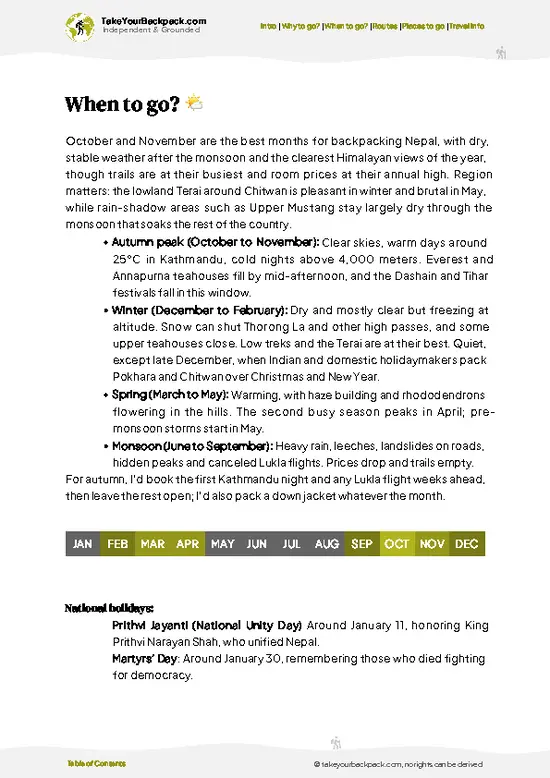
  • Weather: The best weather hits between October and March. Expect dry, crisp air with daytime temps around 20-25°C (68-77°F). April to June gets hot and sticky, while July to September drags in monsoon rains that can turn your stroll into a soggy slog.

  • Temperature: Winters (December-February) can dip to 7°C (45°F) at night, so pack layers. Summers (April-June) push highs to 35°C (95°F), making midday exploring a sweat fest.

  • Daylight Hours: From October to March, you get roughly 10-11 hours of daylight—enough for a relaxed visit without rushing. Summer days stretch longer but come with the heat penalty.

  • Crowds: Peak season (October-November and February-March) draws pilgrims and tourists alike, especially around Buddha Jayanti in May. If you want quiet, aim for the shoulder months of
read more 👉

  • Weather: The best weather hits between October and March. Expect dry, crisp air with daytime temps around 20-25°C (68-77°F). April to June gets hot and sticky, while July to September drags in monsoon rains that can turn your stroll into a soggy slog.

  • Temperature: Winters (December-February) can dip to 7°C (45°F) at night, so pack layers. Summers (April-June) push highs to 35°C (95°F), making midday exploring a sweat fest.

  • Daylight Hours: From October to March, you get roughly 10-11 hours of daylight—enough for a relaxed visit without rushing. Summer days stretch longer but come with the heat penalty.

  • Crowds: Peak season (October-November and February-March) draws pilgrims and tourists alike, especially around Buddha Jayanti in May. If you want quiet, aim for the shoulder months of late November or early February.

  • Seasonal Activities: Buddha Jayanti in May is a spiritual spectacle but expect crowds and higher prices. Otherwise, the garden’s calm meditation spots and local rituals run year-round, with fewer distractions outside peak festival times.

  • Price Fluctuations: Accommodation and transport costs spike during peak pilgrimage seasons and festivals. Off-peak months offer better deals, especially in the monsoon lull, but weigh that against the weather trade-offs.


Pro-tip: Visit in late November or early February—cool, manageable crowds, and you’ll catch the garden’s peaceful vibe without sweating through your shirt or elbowing your way through throngs.


source: climatestotravel.comJANJanuary: highly recommended for travelingFEBFebruary: highly recommended for travelingMARMarch: excellent for travelingAPRApril: fair for travelingMAYMay: good for travelingJUNJune: fair for travelingJULJuly: below average for travelingAUGAugust: below average for travelingSEPSeptember: fair for travelingOCTOctober: excellent for travelingNOVNovember: highly recommended for travelingDECDecember: highly recommended for traveling
when-to-go

✈️ The backpacker research shortcutNepal Travel Guide

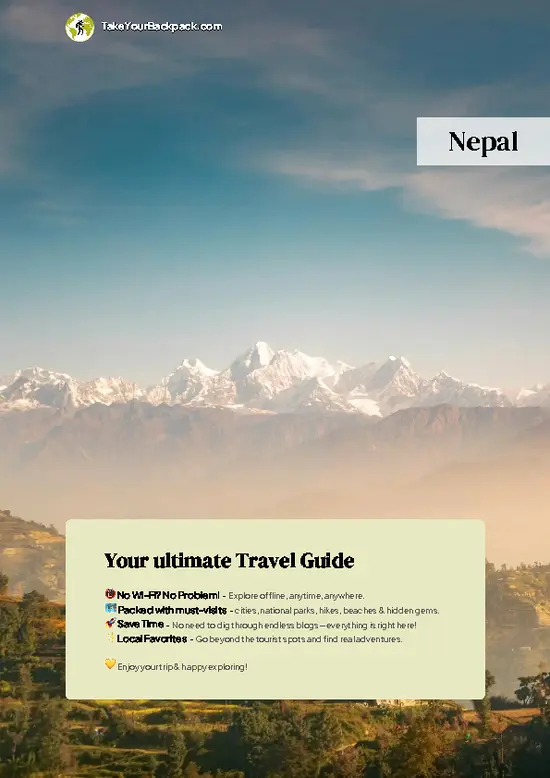
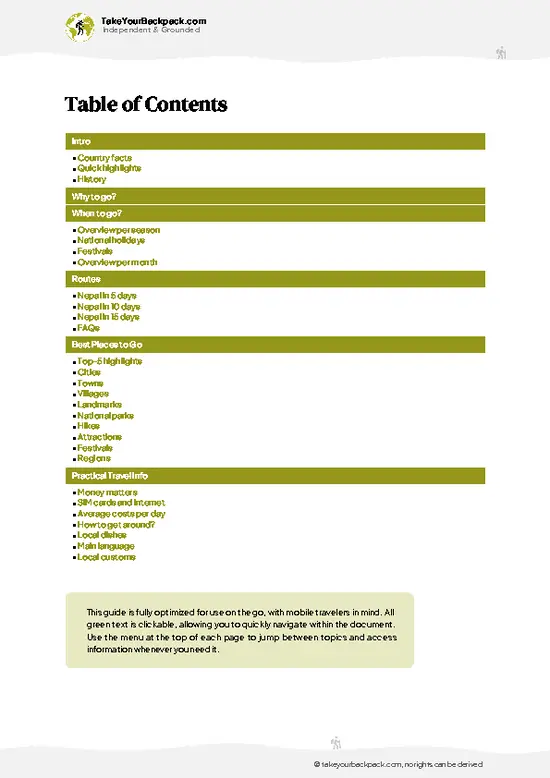
An offline-friendly backpacking guide with optimized travel routes, ranked highlights, transport advice, and the best areas to stay.
example page 0 from our offline Travel Guide for Nepal
example page 1 from our offline Travel Guide for Nepal
example page 2 from our offline Travel Guide for Nepal
example page 3 from our offline Travel Guide for Nepal
example page 4 from our offline Travel Guide for Nepal
example page 5 from our offline Travel Guide for Nepal
example page 6 from our offline Travel Guide for Nepal
example page 7 from our offline Travel Guide for Nepal
The digital guide (404 pages) contains:
107 highlights, ranked by travel appeal
Optimized 5, 10 & 15-day travel routes
Cities, national parks, landmarks, beaches
How to get around
Offline-friendly for travel without Wi-Fi
👉 Click to see all 30+ guide features

📅 Plan smarter in minutes, not weeks
Month by month travel advice
Festivals & national holidays
Budget expectations

🗺️ Go to the right places, skip the overrated ones
Honest pros & cons of destinations
Top hikes, parks & viewpoints
Lesser-known places most travelers miss
Clear “worth it vs skip it” guidance

🛏️ Travel smoothly without rookie mistakes
Best areas to stay
Transport systems explained simply
Common scams & safety advice
SIM cards, money & practical tips

🌍 Understand the country, not just visit it
Culture & traditions
52 Essential phrases & customs
Festivals worth planning around
Traveler-friendly historical context
Insights that make places more meaningful

📱 Built for real travel conditions
Fully downloadable PDF
Works completely offline
Optimized for phone use
Useful in remote areas & buses
Everything in one place
Save weeks of stressful planning
Get instant access to your full guide. 30‑day money-back guarantee.


By proceeding you agree to our terms.
Sent to your inbox immediately after payment • 100% Secure Checkout
Best Backpacking Travel Advisor 2025 tourism awardBest Backpacking
Travel Advisor
2025
What others say about Take Your Backpack Guides:
⭐⭐⭐⭐⭐
Fantastic, amazing amount of information!
⭐⭐⭐⭐⭐
My goodness this is amazing, it's what I've been looking for hats off too you!
⭐⭐⭐⭐⭐
I think this is absolutely BRILLIANT
⭐⭐⭐⭐
Very complete and informative. It's still missing places, but I gotta to commend you
⭐⭐⭐⭐⭐
This is truly amazing, thank you, can't wait to explore it with my kids!
⭐⭐⭐⭐⭐
Awesome resource, thank you!
⭐⭐⭐⭐⭐
This is amazing! Can't wait to explore the ones I haven't seen
⭐⭐⭐⭐
I love this! Well done, great idea.
⭐⭐⭐⭐⭐
Thanks for taking the time to make this gem!
⭐⭐⭐⭐⭐
This might be the best website I've ever seen.
⭐⭐⭐⭐⭐
Congratulations, and thank you so much for your work; it's incredibly valuable.
⭐⭐⭐⭐
In all seriousness I think you did a great job pointing out the important spots
⭐⭐⭐⭐⭐
10/10 very good
⭐⭐⭐⭐⭐
As someone who's only just starting to visit regularly this is awesome, thank you.
⭐⭐⭐⭐
Thank you very much! I'm going to visit my dad, it's going to be very useful!
⭐⭐⭐⭐⭐
This is really cool! We'll be travelling for the first time and this definitely come in handy.
⭐⭐⭐⭐⭐
You are now our minister of culture, congratulations 👨‍💼
⭐⭐⭐⭐⭐
Just wanted to tell you that this is a pearl! Going to follow your recommendations.
⭐⭐⭐⭐⭐
This is so cool. I'll definitely be using the resource for my travels soon.
⭐⭐⭐⭐⭐
This is very impressive! Good work.
⭐⭐⭐⭐⭐
This is an amazing and informative site. Very well done!

🛏️ Where to stay?Where staying makes the most sense

Lumbini’s Sacred Garden and Maya Devi Temple draw crowds, no sugarcoating that. It’s a pilgrimage hotspot, so expect groups, guided tours, and a steady hum of devotion. If you’re chasing Instagram serenity, you’ll find it tough here—this place is alive with ritual and reverence, not staged photo ops. The real magic is in the raw, unfiltered experience of walking where Buddha was born, feeling the weight of history and spirituality in the air.

For backpackers, the best spots to crash are in the nearby Lumbini Village and the surrounding areas just outside the main complex. These neighborhoods … read more 👉
Lumbini’s Sacred Garden and Maya Devi Temple draw crowds, no sugarcoating that. It’s a pilgrimage hotspot, so expect groups, guided tours, and a steady hum of devotion. If you’re chasing Instagram serenity, you’ll find it tough here—this place is alive with ritual and reverence, not staged photo ops. The real magic is in the raw, unfiltered experience of walking where Buddha was born, feeling the weight of history and spirituality in the air.

For backpackers, the best spots to crash are in the nearby Lumbini Village and the surrounding areas just outside the main complex. These neighborhoods are safe, with a mix of guesthouses and budget lodges that cater to solo travelers and small groups. Staying here means you’re close enough to hit the Sacred Garden early or late, avoiding peak crowds, but far enough to enjoy a quieter, more social vibe in the evenings. You’ll find fellow backpackers swapping stories over local dal bhat or chai, which is where the real connection happens—not inside the temple grounds, but in the simple, welcoming streets nearby. This is where the journey deepens beyond the postcard.

👛 Costs (as of 17 January 2026)Money, prices, and spending tips

As of the most recent estimates, the entrance fee to the Lumbini Sacred Garden and Maya Devi Temple is 700 NPR (approximately €4.40) for foreign visitors. Additional fees may apply for photography or videography, but specific amounts are not specified. The ticket is valid for one day and can be purchased on-site or online. It's advisable to carry cash, as card payments may not always be accepted. ([livingformemories.com](https://livingformemories.com/2026/02/18/visiting-lumbini-nepal-a-complete-guide-to-buddhas-birthplace/?utm_source=openai))
⚠️ Prices can change and everyone travels differently, so take this as a rough guide. Hope it helps you plan your adventure!

Other Nepali attractions near Lumbini Sacred Garden and Maya Devi Temple

Explore more nearby:


💡 Not sure where to go next?
Create a personalized itinerary for Nepal including Lumbini Sacred Garden and Maya Devi Temple and the places that fit your trip.

Generate my itinerary

👉 Discover all attractions

Or checkout all Nepal has to offer (think cities, towns, villages, national parks, hikes, beaches, festivals)
Country photo of Nepal

We 💚 feedbackSumming up the experience

Lumbini’s Sacred Garden isn’t just another photo op—it’s where history and spirituality collide in a way that hits you deep, especially if you pause to soak in the quiet reverence rather than rush through. But heads up: it’s not a secret sanctuary anymore. Expect crowds, especially on pilgrimage days, and a few touristy stalls that can dilute the vibe. Still, standing where Buddha was born? That’s a rare kind of gravity you won’t forget.

✈️ When did I visit Nepal?
Being a mountain lover, Nepal is one of my favorites. I visited it in November 2006, hiking the full Annapurna circuit as my highlight.

✍️ Help improve this page!
The information on this page is based on my own backpacking experience in Nepal, supplemented with up-to-date research and feedback from other travelers. Travel details can change, so if you notice anything outdated or incomplete, feel free to let me know.


🙋‍♂️ Give feedback

👋 Meet the founderWho’s Behind Take Your Backpack?

Johan, backpacker and founder of TakeYourBackpackHi, I’m Johan (Netherlands 🇳🇱), the creator of TakeYourBackpack. Over the past decade, I’ve backpacked through 80+ countries across six continents, gaining extensive experience with independent travel, long-term trips, and overland routes.

This site is built on a combination of firsthand travel experience and carefully curated insights from other backpackers. Many guides are based on places I’ve personally visited, while others bring together tips, observations, and practical advice shared by trusted travelers I’ve met along the way.

The goal is to provide realistic, experience-driven guidance — not generic itineraries — so you can explore destinations with better context, clearer expectations, and more confidence.

Get full Nepal guide •
Instant download • 107 highlights • Full Offline guide