×

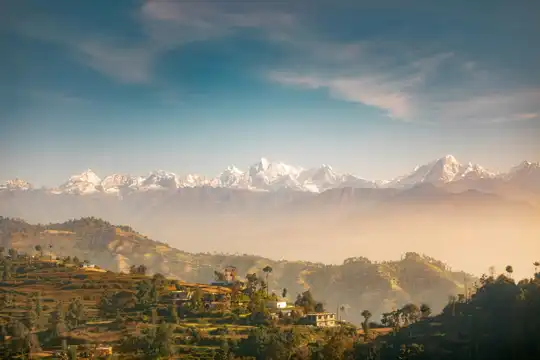
Nepal🇳🇵 | citiesSindhupalchokriver canyons, hillside villages, earthquake memorials | things to do and best time to go

Explore PokharaExplore Syangja

Backpacking in Sindhupalchok
By Johan Kruseman 🇳🇱 | Updated June 6, 2026

Years ago, Sindhupalchok was a quiet, road-scarce hill district where a “guesthouse” often meant a spare room above someone’s goats; today, post-earthquake rebuilding and better roads mean you get basic lodges, phone signal, and actual menus, but also more jeeps and construction noise. Sitting northeast of Kathmandu on the road toward the Tibetan border, it’s less a city than a spread-out district of river valleys, terraced hillsides, and rough-edged market towns like Chautara and Bahrabise. For backpackers, the draw is raw: hot springs at Tatopani, simple homestays, landslide-scarred trekking routes, and a very unpolished look at rural Nepali life. It’s cheaper and far less curated than Kathmandu or Nagarkot, but also harder work: transport is slow, English is patchy, nightlife is basically tea and raksi, and you’ll meet more truck drivers than hostel-hoppers. I like it for exactly that reason; it feels like stepping behind the stage, not into the show.

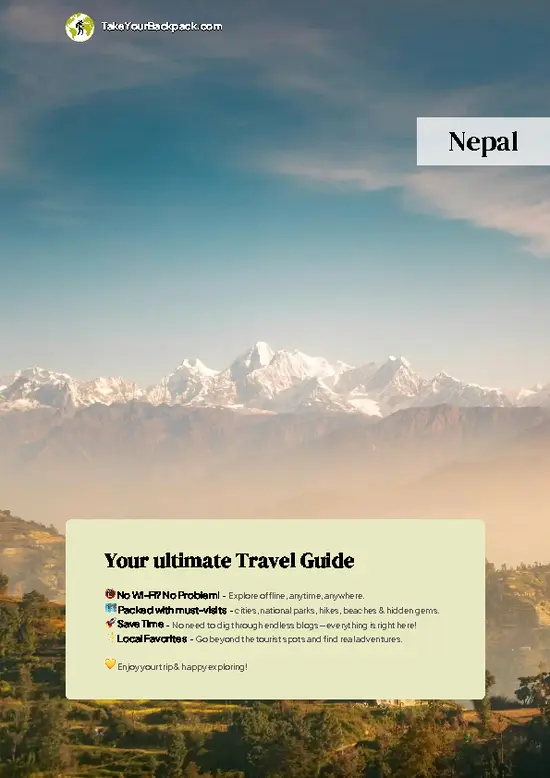
Discover everything you want to know in the 📖 Nepal Travel Guide.


Get your Nepal guide
107 ranked highlights, routes & tips, works offline (404 pages)
Loading the map 🌍
CLICK TO FILTER
cities
towns
villages
landmarks
national parks
hikes
attractions
festivals
regions
SHOW COUNTRY’S BESTSHOW ALL

✨ Why go?
Ranked #99 city in Nepal
The unique appeal for travelers

Backpackers flock to Sindhupalchok for its unique blend of value and convenience. It serves as a strategic basecamp for day trips into the surrounding mountains, making it easy to explore without the hassle of constant travel. The hostels here are budget-friendly and foster a social vibe, perfect for connecting with fellow travelers. You’ll find local food that’s both delicious and affordable, fueling your adventures without breaking the bank. The city is walkable, allowing you to soak in the atmosphere without needing a vehicle. Plus, the nightlife offers a laid-back charm, ideal for unwinding after a day of exploration. If you’re looking for a spot that balances comfort and experience, Sindhupalchok is a worthy stop on your journey.
Want to include Sindhupalchok in your Nepal route?
Create a personalized Nepal itinerary that includes Sindhupalchok and the places that fit your trip — based on your travel style, budget, and available time. Get your route in seconds.

Generate my trip

💡 HighlightsDon't-miss highlights and experiences

  • Chautara Bazaar (Chautara-Sindhupalchok) — The district headquarters and market hub; visit the old stone chautara (resting platform), watch local traders, and get an unvarnished look at post-earthquake rebuilding and everyday life in Sindhupalchok.
  • Melamchi Bazaar — A busy riverside market and the practical gateway for treks into Helambu and the Melamchi valley; good food, local shops, and a chance to see the Melamchi River and the communities linked to the Melamchi water project.
  • Helambu villages (Tarkeghyang, Sermathang) — Culturally rich Tamang and Sherpa villages reachable from the district; short treks here deliver yak pastures, monasteries, simple homestays, and genuine highland village life without committing to a long expedition.
  • Bhotekoshi (Bhote Koshi) River stretch — The river
read more 👉
  • Chautara Bazaar (Chautara-Sindhupalchok) — The district headquarters and market hub; visit the old stone chautara (resting platform), watch local traders, and get an unvarnished look at post-earthquake rebuilding and everyday life in Sindhupalchok.
  • Melamchi Bazaar — A busy riverside market and the practical gateway for treks into Helambu and the Melamchi valley; good food, local shops, and a chance to see the Melamchi River and the communities linked to the Melamchi water project.
  • Helambu villages (Tarkeghyang, Sermathang) — Culturally rich Tamang and Sherpa villages reachable from the district; short treks here deliver yak pastures, monasteries, simple homestays, and genuine highland village life without committing to a long expedition.
  • Bhotekoshi (Bhote Koshi) River stretch — The river cutting through Sindhupalchok offers some of Nepal’s wildest white-water rafting and commercial bungee jumping; it’s the place for adrenaline and dramatic canyon scenery close to the highway.
  • Barhabise (Araniko Highway town) — A transit town that gives a clear sense of the Kathmandu-Tibet trade route: lively roadside markets, local eateries, and views of the Bhote Koshi/Indrawati waterways slicing through steep hills.
  • Gaurishankar Conservation Area (lower access points) — The lowland and valley approaches to this sacred mountain region lie in Sindhupalchok; visiting gives you insight into Tamang culture, conservation work, and the foothills that lead up to classic Himalayan treks.
Outside the city, easy day trips include Kathmandu Valley (for temples and markets), Dhulikhel/Nagarkot (for sunrise and mountain panoramas), and short drives to deeper Helambu trails — my personal favorite for close, soulful trekking and village homestays is Helambu.
Spotted a mistake or missing something? Contact us.

Things to do near Sindhupalchok

Ratings based on Tripadvisor reviews. When you book through this link, you support our work at no extra cost to you.

🏘️ NeighborhoodsNeighborhood guide to Sindhupalchok

Sindhupalchok offers a unique blend of culture and adventure, making it a fascinating stop for backpackers. Here’s a breakdown of key neighborhoods to help you navigate your experience.

Chautara: This is the district headquarters and a hub for trekkers. The vibe is laid-back, with affordable guesthouses and local eateries. It’s walkable, with easy access to transport for trekking routes. Perfect for short stays before heading into the hills.

Melamchi: Known for its vibrant market scene, Melamchi buzzes with life. It’s a bit busier, offering a mix of budget accommodations and local food stalls. The nightlife is low-key, making it suitable for those who enjoy a lively atmosphere without the party scene. Great for longer stays if you want to soak in local culture.

Bhotechaur: A quieter option, … read more 👉
Sindhupalchok offers a unique blend of culture and adventure, making it a fascinating stop for backpackers. Here’s a breakdown of key neighborhoods to help you navigate your experience.

Chautara: This is the district headquarters and a hub for trekkers. The vibe is laid-back, with affordable guesthouses and local eateries. It’s walkable, with easy access to transport for trekking routes. Perfect for short stays before heading into the hills.

Melamchi: Known for its vibrant market scene, Melamchi buzzes with life. It’s a bit busier, offering a mix of budget accommodations and local food stalls. The nightlife is low-key, making it suitable for those who enjoy a lively atmosphere without the party scene. Great for longer stays if you want to soak in local culture.

Bhotechaur: A quieter option, Bhotechaur is ideal for those seeking peace. It’s less touristy, with a few homestays and stunning views. Walkability is decent, but transport options are limited. Best for longer stays focused on relaxation and nature.

⌛️ 1 dayHow to make the most of one day

Sindhupalchok, Nepal, is a captivating blend of rich culture and stunning landscapes. Nestled in the foothills of the Himalayas, it’s often overlooked by travelers rushing to more famous spots. But here, you’ll find authentic experiences that resonate deeply.

Start your morning in the charming village of Bhotechaur. Grab a cup of local tea at a small roadside stall, where the aroma of spices fills the air. Afterward, take a leisurely stroll to the ancient Bhotechaur Temple. The intricate carvings and serene atmosphere are a perfect introduction to the area’s spiritual heritage.

In the afternoon, head to the vibrant market in Charikot. This is where the locals shop, and you’ll find everything from fresh produce to handmade crafts. Engage with the vendors; they love sharing stories about their … read more 👉
Sindhupalchok, Nepal, is a captivating blend of rich culture and stunning landscapes. Nestled in the foothills of the Himalayas, it’s often overlooked by travelers rushing to more famous spots. But here, you’ll find authentic experiences that resonate deeply.

Start your morning in the charming village of Bhotechaur. Grab a cup of local tea at a small roadside stall, where the aroma of spices fills the air. Afterward, take a leisurely stroll to the ancient Bhotechaur Temple. The intricate carvings and serene atmosphere are a perfect introduction to the area’s spiritual heritage.

In the afternoon, head to the vibrant market in Charikot. This is where the locals shop, and you’ll find everything from fresh produce to handmade crafts. Engage with the vendors; they love sharing stories about their lives. If you’re feeling adventurous, hike up to the nearby Dolakha Bhimsen Temple. The panoramic views of the valley are worth every step.

As evening falls, return to Bhotechaur for a traditional dinner at a family-run eatery. Savor dal bhat while chatting with the locals. They’ll share tales of the region’s history, making your meal even more enriching.

Sindhupalchok isn’t just a stop; it’s a chance to connect with the heart of Nepal. Embrace the slower pace and let the day unfold.
Turn your Sindhupalchok visit into an Nepal adventure
Build a complete Nepal route with Sindhupalchok, hidden gems, must-see destinations, and realistic travel times included.

Generate my trip

🌤️ When to go?Choosing the right time of year


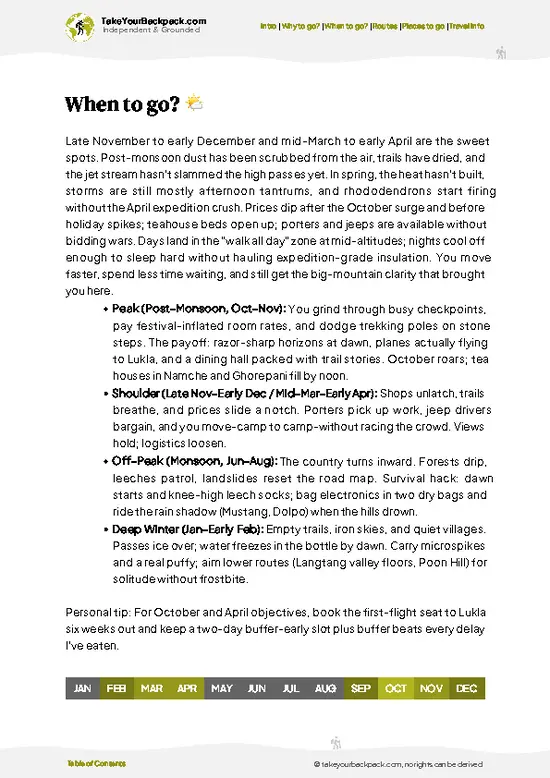
  • Weather: The best window is late September to November. Post-monsoon, the skies clear, and rain is minimal, making trails safer and views sharper.

  • Temperature: Daytime highs hover around 20-25°C (68-77°F), perfect for hiking without overheating. Nights dip to 5-10°C (41-50°F), so pack layers.

  • Daylight Hours: Around 11-12 hours of daylight give you ample trekking time without rushing, balancing early starts and relaxed afternoons.

  • Crowds: Peak trekking season means more hikers, but Sindhupalchok remains less trafficked than Everest or Annapurna routes, preserving solitude.

  • Seasonal Activities: Autumn festivals like Dashain and Tihar add cultural depth, but expect some local closures; plan accordingly.

  • Price Fluctuations: Post-monsoon sees a slight price bump in lodges and guides,
read more 👉

  • Weather: The best window is late September to November. Post-monsoon, the skies clear, and rain is minimal, making trails safer and views sharper.

  • Temperature: Daytime highs hover around 20-25°C (68-77°F), perfect for hiking without overheating. Nights dip to 5-10°C (41-50°F), so pack layers.

  • Daylight Hours: Around 11-12 hours of daylight give you ample trekking time without rushing, balancing early starts and relaxed afternoons.

  • Crowds: Peak trekking season means more hikers, but Sindhupalchok remains less trafficked than Everest or Annapurna routes, preserving solitude.

  • Seasonal Activities: Autumn festivals like Dashain and Tihar add cultural depth, but expect some local closures; plan accordingly.

  • Price Fluctuations: Post-monsoon sees a slight price bump in lodges and guides, but it’s a fair trade for optimal conditions and fewer hassles.


Pro-tip: Aim for early October to catch clear skies, manageable crowds, and vibrant local life—your best bang for the buck and time.


source: climatestotravel.comJANJanuary: fair for travelingFEBFebruary: fair for travelingMARMarch: good for travelingAPRApril: good for travelingMAYMay: fair for travelingJUNJune: below average for travelingJULJuly: below average for travelingAUGAugust: below average for travelingSEPSeptember: highly recommended for travelingOCTOctober: excellent for travelingNOVNovember: excellent for travelingDECDecember: good for traveling
when-to-go

✈️ The backpacker research shortcutNepal Travel Guide

An offline-friendly backpacking guide with optimized travel routes, ranked highlights, transport advice, and the best areas to stay.
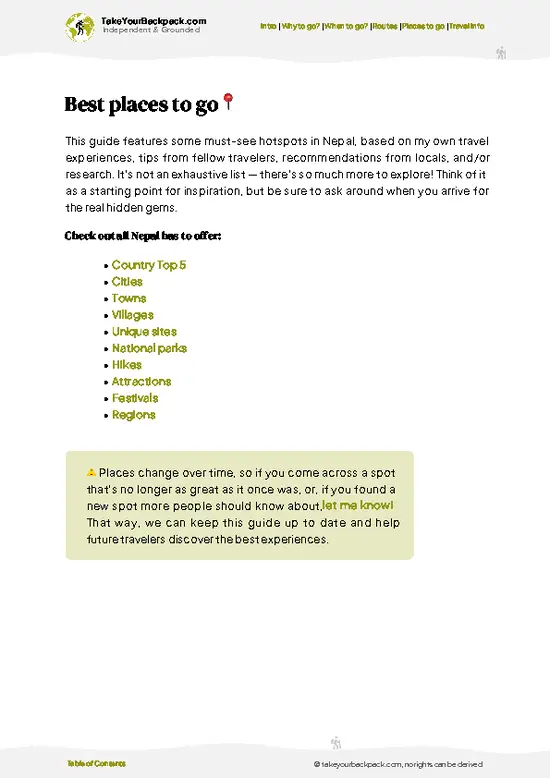
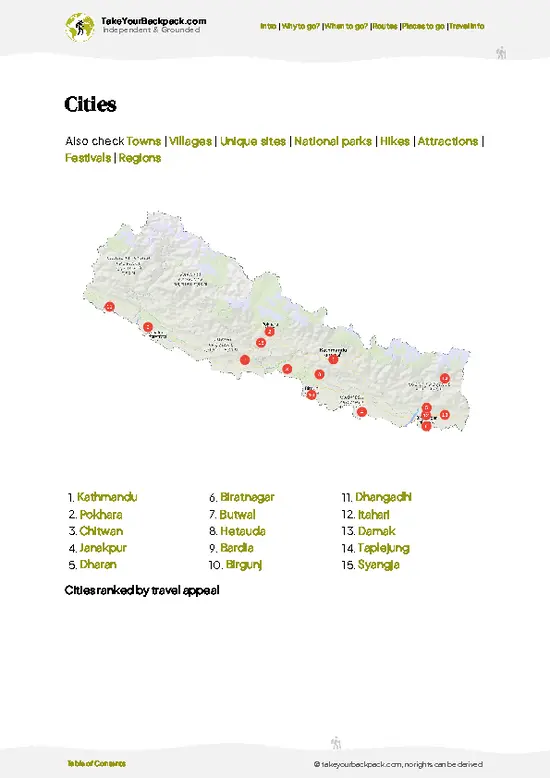
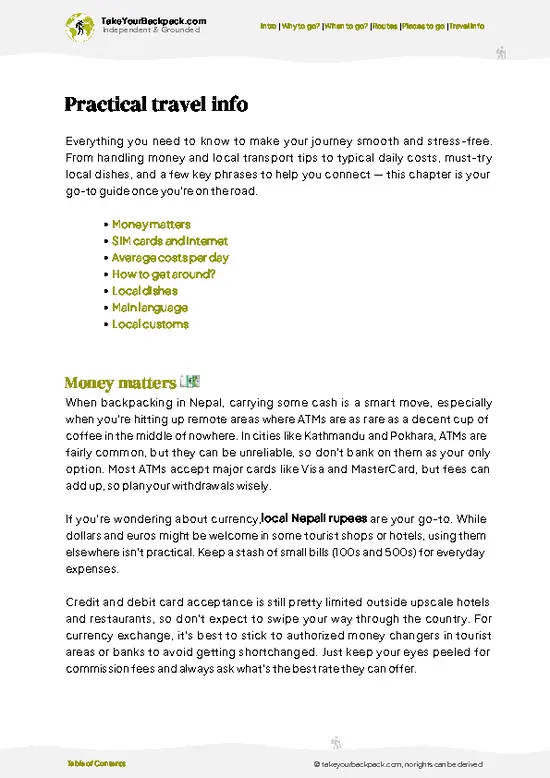
example page 0 from our offline Travel Guide for Nepal
example page 1 from our offline Travel Guide for Nepal
example page 2 from our offline Travel Guide for Nepal
example page 3 from our offline Travel Guide for Nepal
example page 4 from our offline Travel Guide for Nepal
example page 5 from our offline Travel Guide for Nepal
example page 6 from our offline Travel Guide for Nepal
example page 7 from our offline Travel Guide for Nepal
The digital guide (404 pages) contains:
107 highlights, ranked by travel appeal
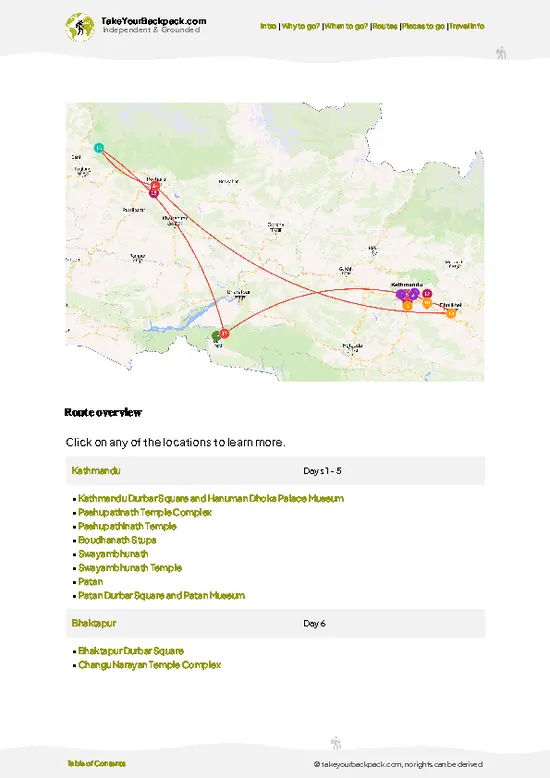
Optimized 5, 10 & 15-day travel routes
Cities, national parks, landmarks, beaches
How to get around
Offline-friendly for travel without Wi-Fi
👉 Click to see all 30+ guide features

📅 Plan smarter in minutes, not weeks
Month by month travel advice
Festivals & national holidays
Budget expectations

🗺️ Go to the right places, skip the overrated ones
Honest pros & cons of destinations
Top hikes, parks & viewpoints
Lesser-known places most travelers miss
Clear “worth it vs skip it” guidance

🛏️ Travel smoothly without rookie mistakes
Best areas to stay
Transport systems explained simply
Common scams & safety advice
SIM cards, money & practical tips

🌍 Understand the country, not just visit it
Culture & traditions
52 Essential phrases & customs
Festivals worth planning around
Traveler-friendly historical context
Insights that make places more meaningful

📱 Built for real travel conditions
Fully downloadable PDF
Works completely offline
Optimized for phone use
Useful in remote areas & buses
Everything in one place
Save weeks of stressful planning
Get instant access to your full guide. 30‑day money-back guarantee.


By proceeding you agree to our terms.
Sent to your inbox immediately after payment • 100% Secure Checkout
Best Backpacking Travel Advisor 2025 tourism awardBest Backpacking
Travel Advisor
2025
What others say about Take Your Backpack Guides:
⭐⭐⭐⭐⭐
Fantastic, amazing amount of information!
⭐⭐⭐⭐⭐
My goodness this is amazing, it's what I've been looking for hats off too you!
⭐⭐⭐⭐⭐
I think this is absolutely BRILLIANT
⭐⭐⭐⭐
Very complete and informative. It's still missing places, but I gotta to commend you
⭐⭐⭐⭐⭐
This is truly amazing, thank you, can't wait to explore it with my kids!
⭐⭐⭐⭐⭐
Awesome resource, thank you!
⭐⭐⭐⭐⭐
This is amazing! Can't wait to explore the ones I haven't seen
⭐⭐⭐⭐
I love this! Well done, great idea.
⭐⭐⭐⭐⭐
Thanks for taking the time to make this gem!
⭐⭐⭐⭐⭐
This might be the best website I've ever seen.
⭐⭐⭐⭐⭐
Congratulations, and thank you so much for your work; it's incredibly valuable.
⭐⭐⭐⭐
In all seriousness I think you did a great job pointing out the important spots
⭐⭐⭐⭐⭐
10/10 very good
⭐⭐⭐⭐⭐
As someone who's only just starting to visit regularly this is awesome, thank you.
⭐⭐⭐⭐
Thank you very much! I'm going to visit my dad, it's going to be very useful!
⭐⭐⭐⭐⭐
This is really cool! We'll be travelling for the first time and this definitely come in handy.
⭐⭐⭐⭐⭐
You are now our minister of culture, congratulations 👨‍💼
⭐⭐⭐⭐⭐
Just wanted to tell you that this is a pearl! Going to follow your recommendations.
⭐⭐⭐⭐⭐
This is so cool. I'll definitely be using the resource for my travels soon.
⭐⭐⭐⭐⭐
This is very impressive! Good work.
⭐⭐⭐⭐⭐
This is an amazing and informative site. Very well done!

🛏️ Where to stay?Best areas and accommodation options

Sindhupalchok isn’t a sprawling urban maze, so your best bet is to anchor yourself near Chautara Bazaar. This area is the heartbeat for backpackers—safe, social, and where budget stays cluster. It’s not about luxury here; it’s about connection. You’ll find simple guesthouses and a handful of hostels that foster a communal vibe, perfect for swapping trail stories or planning your next move. Other parts of Sindhupalchok are quieter and less geared toward travelers, which means fewer options and less buzz. Staying near Chautara means you’re plugged into the local rhythm without sacrificing comfort or your wallet.

🚌 Getting aroundTransportation options and practical tips

Sindhupalchok moves at its own rhythm—less a clockwork machine and more a pulse you feel underfoot. Here, schedules are suggestions, not laws. The flow is a blend of local intuition and the occasional burst of urgency when a jeep or bus fills up and takes off without warning. You’ll find that time bends around the terrain and the mood of the drivers, not the other way around. This means your travel choices are a strategic dance between patience, budget, and comfort. Knowing when to push for speed or settle into the slower, cheaper options is your secret weapon.


  • Local Jeep: Runs roughly from 6 AM to 6 PM, fares around NPR 150-300 depending on distance. It’s the fastest way to cover rugged stretches but expect cramped seating and sudden departures once full.

  • Public Bus: Cheapest option
read more 👉
Sindhupalchok moves at its own rhythm—less a clockwork machine and more a pulse you feel underfoot. Here, schedules are suggestions, not laws. The flow is a blend of local intuition and the occasional burst of urgency when a jeep or bus fills up and takes off without warning. You’ll find that time bends around the terrain and the mood of the drivers, not the other way around. This means your travel choices are a strategic dance between patience, budget, and comfort. Knowing when to push for speed or settle into the slower, cheaper options is your secret weapon.


  • Local Jeep: Runs roughly from 6 AM to 6 PM, fares around NPR 150-300 depending on distance. It’s the fastest way to cover rugged stretches but expect cramped seating and sudden departures once full.

  • Public Bus: Cheapest option at NPR 50-150, but slower and less reliable. Buses leave when full, so timing is unpredictable. Comfort is minimal—think wooden benches and open windows.

  • Shared Taxi: Slightly pricier at NPR 300-500, but offers more comfort and flexibility. These leave when full but tend to be quicker and less bumpy than buses or jeeps.

  • Walking: The ultimate budget choice with zero cost, but it demands time and stamina. Trails vary from gentle village paths to steep mountain tracks, so plan accordingly.

👛 Costs (as of 15 February 2026)How expensive it really is

Backpacking in Sindhupalchok, Nepal, is a study in balancing essentials with the unexpected. Here’s the breakdown of what your daily outlay looks like, so you can play the trade-off game smartly.
  • Dorm Accommodation (High Season): Expect to pay around $8 to $12 per night. High season drives prices up due to demand, but the options remain basic—think simple beds, shared bathrooms, and a chance to meet fellow travelers.
  • Dorm Accommodation (Off-Season): Prices drop to about $5 to $8. Fewer tourists mean better bargaining power, but some guesthouses might close or reduce services, so flexibility is key.
  • Meals: Local eateries offer hearty meals for $2 to $4 each. Sticking to Nepali staples like dal bhat keeps costs low and energy high. Western-style meals or cafes will push you closer to $5 to
read more 👉
Backpacking in Sindhupalchok, Nepal, is a study in balancing essentials with the unexpected. Here’s the breakdown of what your daily outlay looks like, so you can play the trade-off game smartly.
  • Dorm Accommodation (High Season): Expect to pay around $8 to $12 per night. High season drives prices up due to demand, but the options remain basic—think simple beds, shared bathrooms, and a chance to meet fellow travelers.
  • Dorm Accommodation (Off-Season): Prices drop to about $5 to $8. Fewer tourists mean better bargaining power, but some guesthouses might close or reduce services, so flexibility is key.
  • Meals: Local eateries offer hearty meals for $2 to $4 each. Sticking to Nepali staples like dal bhat keeps costs low and energy high. Western-style meals or cafes will push you closer to $5 to $7.
  • Local Transport: Short rides on local buses or shared jeeps cost between $0.50 and $1.50. These are your go-to for hopping between villages or nearby towns, though schedules can be irregular.
  • City Transport Pass: Sindhupalchok doesn’t have a formal city transport pass system. Budgeting for individual rides or occasional private hires is more realistic, so factor in about $2 to $4 daily if you plan to move around frequently.
  • Basic Activities/Entry Fees: Most natural attractions and cultural sites in Sindhupalchok have minimal or no entry fees, usually under $1 to $3. Guided treks or special tours can cost more, but independent exploration keeps this category lean.
  • Miscellaneous Expenses: Water, snacks, occasional internet access, and small tips add up to roughly $1 to $3 daily. Carry your own refillable bottle to cut down on bottled water costs.

All told, you’re looking at a daily budget between $12 and $25. The real trade-off here is between comfort and flexibility: spending a few extra dollars on a slightly better dorm or a private jeep ride can save time and hassle, but sticking to the basics keeps your wallet happy and your experience raw. Knowing these numbers upfront lets you decide where to lean—whether that’s stretching for convenience or embracing the rugged rhythm of Sindhupalchok.


source: welcomenepal.com
⚠️ Prices can change and everyone travels differently, so take this as a rough guide. Hope it helps you plan your adventure!

🚌 Day tripsBest day trips from Sindhupalchok

Sindhupalchok, Nepal, is a backpacker’s dream base for day trips that blend adventure with cultural immersion. Here are some standout options to consider.

Bhotekoshi River Rafting
Just a short drive from Sindhupalchok, the Bhotekoshi River offers thrilling white-water rafting. The rapids are intense, making it a perfect adrenaline fix for the adventurous spirit. Expect to spend around 3-4 hours on the water, with total costs hovering around $30, including gear and transportation. The best time to go is during the spring and early summer when the river is at its peak. A common mistake? Underestimating the river’s power; listen to your guide and respect the water.


Tamang Heritage Trail
This trek is a fantastic way to immerse yourself in local culture while enjoying stunning mountain … read more 👉
Sindhupalchok, Nepal, is a backpacker’s dream base for day trips that blend adventure with cultural immersion. Here are some standout options to consider.

Bhotekoshi River Rafting
Just a short drive from Sindhupalchok, the Bhotekoshi River offers thrilling white-water rafting. The rapids are intense, making it a perfect adrenaline fix for the adventurous spirit. Expect to spend around 3-4 hours on the water, with total costs hovering around $30, including gear and transportation. The best time to go is during the spring and early summer when the river is at its peak. A common mistake? Underestimating the river’s power; listen to your guide and respect the water.


Tamang Heritage Trail
This trek is a fantastic way to immerse yourself in local culture while enjoying stunning mountain views. The trail takes about 6-8 hours round trip, and you can expect to spend around $10 on snacks and transportation. Spring and autumn are ideal for clear skies and vibrant landscapes. First-timers often rush through; take your time to chat with locals and savor the experience.
👉 Explore Tamang Heritage Trail

Kakani Viewpoint
A quick 1.5-hour drive leads you to Kakani, where panoramic views of the Himalayas await. It’s a perfect spot for a picnic or just soaking in the scenery. Costs are minimal, around $5 for transport and snacks. The best time to visit is early morning for the clearest views. Many overlook the early start; don’t miss the sunrise!


These trips offer a blend of excitement, culture, and breathtaking scenery, making your time in Sindhupalchok truly rewarding.
Want to know what more Nepal offers?
The Nepal Travel Guide describes 107 highlights, from cities to national parks, from beaches to hikes

Get the Travel Guide -

🍲 FoodLocal Flavors for Backpackers

In **Sindhupalchok**, food is a vibrant tapestry of flavors and traditions. You can’t miss **dal bhat**, a hearty lentil soup served with rice and pickles, often enjoyed by locals at any time of day. The **momo**, those delightful dumplings filled with spiced meat or veggies, are a must-try, especially from street vendors where the steam wafts through the air, inviting you closer.

Backpackers often gather in bustling **markets** or at casual eateries, where the atmosphere buzzes with laughter and chatter. Grab a cup of **chiya** (Nepali tea) from a roadside stall; it’s the perfect companion for people-watching.

When dining, it’s customary to eat with your right hand, a practice that connects you to the meal and the culture. Embrace the communal vibe—sharing dishes is common and adds to … read more 👉
In **Sindhupalchok**, food is a vibrant tapestry of flavors and traditions. You can’t miss **dal bhat**, a hearty lentil soup served with rice and pickles, often enjoyed by locals at any time of day. The **momo**, those delightful dumplings filled with spiced meat or veggies, are a must-try, especially from street vendors where the steam wafts through the air, inviting you closer.

Backpackers often gather in bustling **markets** or at casual eateries, where the atmosphere buzzes with laughter and chatter. Grab a cup of **chiya** (Nepali tea) from a roadside stall; it’s the perfect companion for people-watching.

When dining, it’s customary to eat with your right hand, a practice that connects you to the meal and the culture. Embrace the communal vibe—sharing dishes is common and adds to the experience. Enjoy the flavors, and let the local customs enrich your journey.

🛡️ SafetyTraveler Safety Guide

Sindhupalchok is generally safe, but a few situational awareness tips can enhance your experience. Stick to well-lit areas at night, especially if you’re solo; the streets can be quiet, and it’s easy to lose your bearings.

Watch for common scams, like overly friendly locals offering unsolicited help that leads to inflated prices. Always confirm costs upfront, especially with taxis or guides.

Annoyances can include persistent street vendors; a polite but firm “no” usually does the trick. Carry yourself confidently, and trust your instincts. With a little mindfulness, you can navigate Sindhupalchok smoothly and enjoy its unique charm.

Other Nepali cities near Sindhupalchok

Explore more nearby:

  • Kathmandu—temple squares, urban sprawl, backpacker districts| 44 km away
  • Dolakha—mountain hamlets, ancient shrines, terraced slopes| 52 km away
  • Hetauda—industrial hub, hill passes, market crossroads| 86 km away

💡 Not sure where to go next?
Create a personalized itinerary for Nepal including Sindhupalchok and the places that fit your trip.

Generate my itinerary

👉 Discover all cities

Or checkout all Nepal has to offer (think cities, towns, villages, national parks, hikes, beaches, festivals)
Country photo of Nepal

We 💚 feedbackKey takeaways before you go

Sindhupalchok offers a raw glimpse into rural Nepal, where the culture feels alive and unfiltered. You’ll connect with locals over shared meals and stories. But be ready for rugged roads; getting here can test your patience. Embrace the journey, and you’ll find the real treasure lies in the experience, not just the destination.

✈️ When did I visit Nepal?
Being a mountain lover, Nepal is one of my favorites. I visited it in November 2006, hiking the full Annapurna circuit as my highlight.

✍️ Help improve this page!
The information on this page is based on my own backpacking experience in Nepal, supplemented with up-to-date research and feedback from other travelers. Travel details can change, so if you notice anything outdated or incomplete, feel free to let me know.


🙋‍♂️ Give feedback

👋 Meet the founderWho’s Behind Take Your Backpack?

Johan, backpacker and founder of TakeYourBackpackHi, I’m Johan (Netherlands 🇳🇱), the creator of TakeYourBackpack. Over the past decade, I’ve backpacked through 80+ countries across six continents, gaining extensive experience with independent travel, long-term trips, and overland routes.

This site is built on a combination of firsthand travel experience and carefully curated insights from other backpackers. Many guides are based on places I’ve personally visited, while others bring together tips, observations, and practical advice shared by trusted travelers I’ve met along the way.

The goal is to provide realistic, experience-driven guidance — not generic itineraries — so you can explore destinations with better context, clearer expectations, and more confidence.

Get full Nepal guide •
Instant download • 107 highlights • Full Offline guide