×

Nepal🇳🇵 | citiesPokharalakeside promenade, Annapurna views, paragliding launch | things to do and best time to go

Explore KathmanduExplore Sindhupalchok

Backpacking in Pokhara
🏆 Top pickcity ranked #2
By Johan Kruseman 🇳🇱 | Updated June 13, 2026

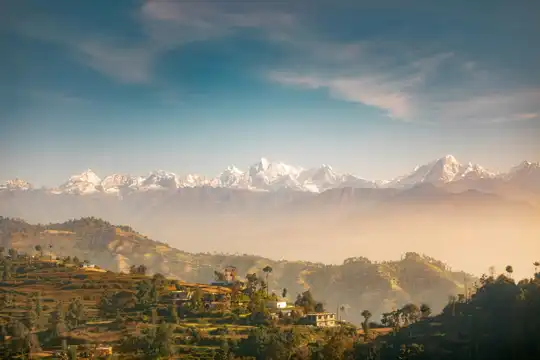
Pokhara is not for you if you need chaos to feel alive, if you want temples on every corner, or if you think “real Nepal” only means dust, honking, and sensory overload. But that’s exactly why backpackers should still come: Pokhara is where you recover, recalibrate, and launch big adventures. It sits in central Nepal, west of Kathmandu, wrapped around Phewa Lake with the Annapurna range looming like a screensaver that accidentally became real. The town itself is simple: Lakeside is touristy but easy, with cheap guesthouses, gear shops, and bars where meeting other travelers is almost automatic. It’s safer and calmer than Kathmandu, less cultural depth than Bhaktapur, but a far better base for trekking, paragliding, and just existing without stress. It’s not the most “authentic” city in Nepal, but as a logistics hub with mountain views and low friction, it massively punches above its weight.

Discover everything you want to know in the 📖 Nepal Travel Guide.


Get your Nepal guide
107 ranked highlights, routes & tips, works offline (404 pages)
Loading the map 🌍
CLICK TO FILTER
cities
towns
villages
landmarks
national parks
hikes
attractions
festivals
regions
SHOW COUNTRY’S BESTSHOW ALL

✨ Why go?
Ranked #2 city in Nepal
What makes this city worth visiting

Pokhara is a backpacker’s haven that strikes a balance between time, money, and comfort. It’s not just a stop; it’s a strategic base for day trips into the Annapurna region, making it a smart choice for those looking to maximize their adventure without breaking the bank. The hostel scene is vibrant and affordable, offering a chance to meet fellow travelers and share stories over a plate of local food.

The city is incredibly walkable, with stunning lakeside views and easy access to shops and cafes, allowing you to soak in the atmosphere without spending much time or money on transport. When the sun sets, the nightlife kicks in, with lively bars and music that keep the energy high, perfect for unwinding after a day of exploration.

For those on a longer journey, Pokhara serves as a convenient … read more 👉
Pokhara is a backpacker’s haven that strikes a balance between time, money, and comfort. It’s not just a stop; it’s a strategic base for day trips into the Annapurna region, making it a smart choice for those looking to maximize their adventure without breaking the bank. The hostel scene is vibrant and affordable, offering a chance to meet fellow travelers and share stories over a plate of local food.

The city is incredibly walkable, with stunning lakeside views and easy access to shops and cafes, allowing you to soak in the atmosphere without spending much time or money on transport. When the sun sets, the nightlife kicks in, with lively bars and music that keep the energy high, perfect for unwinding after a day of exploration.

For those on a longer journey, Pokhara serves as a convenient jumping-off point for further travels, whether you’re heading to the mountains or back to Kathmandu. It’s a place where you can linger or just pass through, depending on your travel style, but either way, it’s hard to ignore the value it offers in terms of experiences and connections.
Want to include Pokhara in your Nepal route?
Create a personalized Nepal itinerary that includes Pokhara and the places that fit your trip — based on your travel style, budget, and available time. Get your route in seconds.

Generate my trip

💡 HighlightsDon't-miss highlights and experiences

  • Phewa (Fewa) Lake — The city’s heart: rent a wooden boat for the mirror-like reflections of the Annapurnas, watch sunrise over the water, or just hang out on the lakeside cafés and watch paragliders land.
  • Tal Barahi Temple — A small Hindu temple sitting on an island in Phewa Lake; a short boat ride there feels like a local ritual and the temple setting is quietly scenic and peaceful.
  • World Peace Pagoda (Shanti Stupa) — A white Buddhist stupa on the hill above the lake with sweeping panoramas of Pokhara, Phewa and the Annapurna range; great for sunset and a solid hike if you want to earn the view.
  • Davis Falls (Devi’s Fall) — A dramatic curtain of water that plunges into an underground chasm; loud, photogenic and tied to local stories, it’s an oddly theatrical natural sight right by the
read more 👉
  • Phewa (Fewa) Lake — The city’s heart: rent a wooden boat for the mirror-like reflections of the Annapurnas, watch sunrise over the water, or just hang out on the lakeside cafés and watch paragliders land.
  • Tal Barahi Temple — A small Hindu temple sitting on an island in Phewa Lake; a short boat ride there feels like a local ritual and the temple setting is quietly scenic and peaceful.
  • World Peace Pagoda (Shanti Stupa) — A white Buddhist stupa on the hill above the lake with sweeping panoramas of Pokhara, Phewa and the Annapurna range; great for sunset and a solid hike if you want to earn the view.
  • Davis Falls (Devi’s Fall) — A dramatic curtain of water that plunges into an underground chasm; loud, photogenic and tied to local stories, it’s an oddly theatrical natural sight right by the road.
  • Gupteshwor Mahadev Cave — The cave opposite Davis Falls with a Shiva shrine inside and long, damp passages to explore; combining religious atmosphere with spelunking makes it an interesting visit.
  • International Mountain Museum — Compact but well-curated exhibits on Himalayan cultures, climbing history and mountain ecology; if you plan to trek or want context about the region, this is worth a couple of hours.
  • Bindhyabasini Temple — One of Pokhara’s oldest temples sitting above the old market, alive with daily worship and festivals; it’s a good spot to feel local religious life and get city views.
  • Old Bazaar (Purano Bazaar) — A maze of narrow streets, small shops, traditional eateries and temples — less polished than Lakeside and better for seeing everyday Pokhara commerce and architecture.
  • Seti River Gorge — The milky white Seti river slices a deep gorge right through town; there are several viewpoints and bridges where the scale of the canyon really hits you — a surprising geological spectacle in the middle of the city.
  • Bhadrakali Temple — A Hindu temple on a modest hill with excellent views over Lakeside and the lake; climbing the steps is part of the experience and the temple’s colorful iconography is nice to see up close.
A few great day-trip options just outside Pokhara: Sarangkot for sunrise and Annapurna views (my personal favorite), Begnas Lake for a quieter waterside escape, and short hill hikes to Dhampus or Australian Camp for simple village-life scenery.
Spotted a mistake or missing something? Contact us.

Things to do in Pokhara

Ratings based on Tripadvisor reviews. When you book through this link, you support our work at no extra cost to you.

🏘️ NeighborhoodsNeighborhood guide to Pokhara

Pokhara is a backpacker’s playground, where the serene lakeside meets the rugged Himalayas. Each neighborhood offers a unique flavor, making it essential to choose wisely based on your priorities.

**Lakeside**: This is the heart of Pokhara. Vibrant cafes, shops, and stunning lake views create a lively atmosphere. It’s walkable, making it easy to explore on foot. Expect higher prices here, especially for accommodation. Nightlife is buzzing, with bars and live music. Perfect for short stays or if you crave social energy.

**Thamel**: A bit more chaotic, Thamel is the tourist hub. It’s packed with shops selling gear, souvenirs, and street food. Prices are generally lower than Lakeside, but it can feel crowded. Walkability is decent, but the hustle can be overwhelming. Great for those looking … read more 👉
Pokhara is a backpacker’s playground, where the serene lakeside meets the rugged Himalayas. Each neighborhood offers a unique flavor, making it essential to choose wisely based on your priorities.

**Lakeside**: This is the heart of Pokhara. Vibrant cafes, shops, and stunning lake views create a lively atmosphere. It’s walkable, making it easy to explore on foot. Expect higher prices here, especially for accommodation. Nightlife is buzzing, with bars and live music. Perfect for short stays or if you crave social energy.

**Thamel**: A bit more chaotic, Thamel is the tourist hub. It’s packed with shops selling gear, souvenirs, and street food. Prices are generally lower than Lakeside, but it can feel crowded. Walkability is decent, but the hustle can be overwhelming. Great for those looking to meet fellow travelers and dive into the local scene for a few days.

**Damside**: A quieter alternative, Damside offers a more local vibe. It’s less touristy, with affordable guesthouses and eateries. The walkability is good, but you’ll need to venture a bit for nightlife. Ideal for longer stays if you want to immerse yourself in daily life without the tourist rush.

**Sarangkot**: Known for its sunrise views, Sarangkot is a bit of a trek from the main action. It’s perfect for those seeking tranquility and stunning panoramas. Accommodation is more basic, but you’ll find peace and nature. Best for longer stays if you want to hike and unwind away from the crowds.

Choose wisely, and you’ll find the right balance of time, money, and comfort in this enchanting city.

⌛️ 1 day1-day itinerary for Pokhara

Pokhara, Nepal, is a captivating blend of serene lakes, towering mountains, and vibrant culture. Nestled in the foothills of the Annapurna range, it’s a haven for adventurers and those seeking tranquility alike. You can spend a day here that feels both fulfilling and leisurely, allowing you to soak in the essence of this beautiful city.

Start your morning at the iconic Phewa Lake. Rent a kayak and paddle out to the center, where the reflection of the Annapurna peaks dances on the water’s surface. It’s a peaceful way to wake up, and the early morning mist adds a magical touch. Afterward, stroll along the lakeside promenade, where you’ll find local vendors selling fresh fruit and breakfast options. Try a plate of aloo paratha at a nearby café; it’s a comforting start to your day.

In the afternoon, … read more 👉
Pokhara, Nepal, is a captivating blend of serene lakes, towering mountains, and vibrant culture. Nestled in the foothills of the Annapurna range, it’s a haven for adventurers and those seeking tranquility alike. You can spend a day here that feels both fulfilling and leisurely, allowing you to soak in the essence of this beautiful city.

Start your morning at the iconic Phewa Lake. Rent a kayak and paddle out to the center, where the reflection of the Annapurna peaks dances on the water’s surface. It’s a peaceful way to wake up, and the early morning mist adds a magical touch. Afterward, stroll along the lakeside promenade, where you’ll find local vendors selling fresh fruit and breakfast options. Try a plate of aloo paratha at a nearby café; it’s a comforting start to your day.

In the afternoon, head to the Old Bazaar area. This neighborhood is often overlooked by tourists, but it’s a treasure trove of local life. Wander through the narrow streets, where you can find artisans crafting traditional goods. Stop by the Bindhyabasini Temple, a vibrant spot filled with locals offering prayers. The energy here is palpable, and you’ll get a genuine feel for the community.

As the sun begins to set, make your way to Sarangkot. This hilltop offers one of the best views in Pokhara, especially at dusk when the mountains glow in shades of orange and pink. It’s a bit of a hike, but the panoramic vista is worth every step.

Wrap up your day with dinner at a lakeside restaurant, where you can enjoy local dishes while listening to the gentle lapping of the water. Reflect on your day, knowing you’ve experienced both the tourist highlights and the heart of Pokhara. Each moment spent here is a reminder that travel is about connection, not just sightseeing.
Turn your Pokhara visit into an Nepal adventure
Build a complete Nepal route with Pokhara, hidden gems, must-see destinations, and realistic travel times included.

Generate my trip

🌤️ When to go?Seasonal considerations and timing


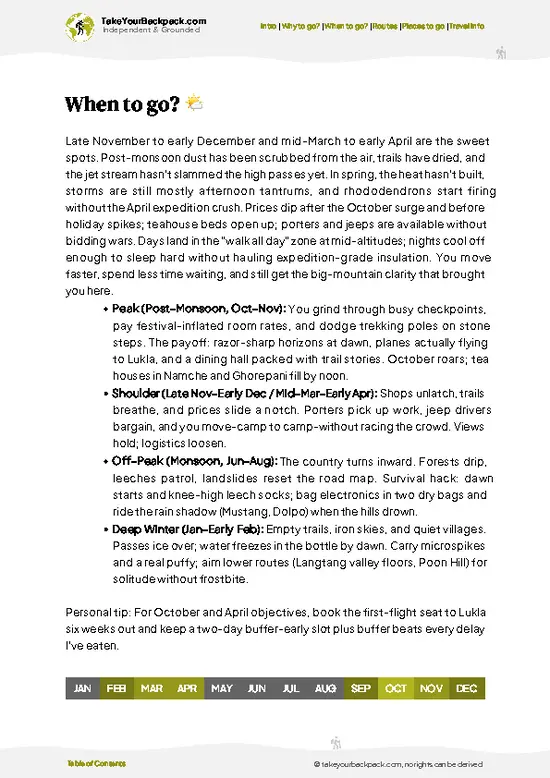
  • Topic: Weather – The best window is late September to November when the monsoon has cleared, leaving crisp, clear skies perfect for trekking and views of the Annapurna range. Avoid June to August; heavy rains turn trails into mudslides and dampen the experience.

  • Topic: Temperature – In peak season, daytime temps hover around 20-25°C (68-77°F), ideal for hiking without overheating. Nights can dip to 10°C (50°F), so pack layers. Winter months (December-February) get colder, dropping near freezing at night, which can be harsh if you’re camping.

  • Topic: Daylight Hours – October-November offers about 11-12 hours of daylight, giving you ample time to cover ground without rushing. Shorter days in winter limit trekking time, while summer days stretch longer but come with the monsoon trade-off.
read more 👉

  • Topic: Weather – The best window is late September to November when the monsoon has cleared, leaving crisp, clear skies perfect for trekking and views of the Annapurna range. Avoid June to August; heavy rains turn trails into mudslides and dampen the experience.

  • Topic: Temperature – In peak season, daytime temps hover around 20-25°C (68-77°F), ideal for hiking without overheating. Nights can dip to 10°C (50°F), so pack layers. Winter months (December-February) get colder, dropping near freezing at night, which can be harsh if you’re camping.

  • Topic: Daylight Hours – October-November offers about 11-12 hours of daylight, giving you ample time to cover ground without rushing. Shorter days in winter limit trekking time, while summer days stretch longer but come with the monsoon trade-off.

  • Topic: Crowds – Peak trekking season means more tourists and higher prices but also better-maintained trails and lively teahouses. Off-season (monsoon and winter) sees fewer people, which means solitude but also fewer services and some closed lodges.

  • Topic: Seasonal Activities – Autumn brings cultural festivals like Dashain and Tihar, adding local flavor to your visit. Spring (March-May) is another good trekking season with blooming rhododendrons but expect more crowds and slightly higher costs.

  • Topic: Price Fluctuations – Expect accommodation and tour prices to spike during peak seasons (autumn and spring). Off-season offers bargains but at the cost of comfort and accessibility, especially during the monsoon when some trails close.


Pro-tip: Aim for late September to early November to balance weather, daylight, and crowd size—this sweet spot maximizes your trekking window and keeps costs reasonable while delivering those jaw-dropping mountain views.


source: climatestotravel.comJANJanuary: fair for travelingFEBFebruary: fair for travelingMARMarch: highly recommended for travelingAPRApril: highly recommended for travelingMAYMay: good for travelingJUNJune: below average for travelingJULJuly: below average for travelingAUGAugust: below average for travelingSEPSeptember: highly recommended for travelingOCTOctober: excellent for travelingNOVNovember: excellent for travelingDECDecember: fair for traveling
nepal-city-pokhara
© Google | Sundar Baral

✈️ The backpacker research shortcutNepal Travel Guide

An offline-friendly backpacking guide with optimized travel routes, ranked highlights, transport advice, and the best areas to stay.
example page 0 from our offline Travel Guide for Nepal
example page 1 from our offline Travel Guide for Nepal
example page 2 from our offline Travel Guide for Nepal
example page 3 from our offline Travel Guide for Nepal
example page 4 from our offline Travel Guide for Nepal
example page 5 from our offline Travel Guide for Nepal
example page 6 from our offline Travel Guide for Nepal
example page 7 from our offline Travel Guide for Nepal
The digital guide (404 pages) contains:
107 highlights, ranked by travel appeal
Optimized 5, 10 & 15-day travel routes
Cities, national parks, landmarks, beaches
How to get around
Offline-friendly for travel without Wi-Fi
👉 Click to see all 30+ guide features

📅 Plan smarter in minutes, not weeks
Month by month travel advice
Festivals & national holidays
Budget expectations

🗺️ Go to the right places, skip the overrated ones
Honest pros & cons of destinations
Top hikes, parks & viewpoints
Lesser-known places most travelers miss
Clear “worth it vs skip it” guidance

🛏️ Travel smoothly without rookie mistakes
Best areas to stay
Transport systems explained simply
Common scams & safety advice
SIM cards, money & practical tips

🌍 Understand the country, not just visit it
Culture & traditions
52 Essential phrases & customs
Festivals worth planning around
Traveler-friendly historical context
Insights that make places more meaningful

📱 Built for real travel conditions
Fully downloadable PDF
Works completely offline
Optimized for phone use
Useful in remote areas & buses
Everything in one place
Save weeks of stressful planning
Get instant access to your full guide. 30‑day money-back guarantee.


By proceeding you agree to our terms.
Sent to your inbox immediately after payment • 100% Secure Checkout
Best Backpacking Travel Advisor 2025 tourism awardBest Backpacking
Travel Advisor
2025
What others say about Take Your Backpack Guides:
⭐⭐⭐⭐⭐
Fantastic, amazing amount of information!
⭐⭐⭐⭐⭐
My goodness this is amazing, it's what I've been looking for hats off too you!
⭐⭐⭐⭐⭐
I think this is absolutely BRILLIANT
⭐⭐⭐⭐
Very complete and informative. It's still missing places, but I gotta to commend you
⭐⭐⭐⭐⭐
This is truly amazing, thank you, can't wait to explore it with my kids!
⭐⭐⭐⭐⭐
Awesome resource, thank you!
⭐⭐⭐⭐⭐
This is amazing! Can't wait to explore the ones I haven't seen
⭐⭐⭐⭐
I love this! Well done, great idea.
⭐⭐⭐⭐⭐
Thanks for taking the time to make this gem!
⭐⭐⭐⭐⭐
This might be the best website I've ever seen.
⭐⭐⭐⭐⭐
Congratulations, and thank you so much for your work; it's incredibly valuable.
⭐⭐⭐⭐
In all seriousness I think you did a great job pointing out the important spots
⭐⭐⭐⭐⭐
10/10 very good
⭐⭐⭐⭐⭐
As someone who's only just starting to visit regularly this is awesome, thank you.
⭐⭐⭐⭐
Thank you very much! I'm going to visit my dad, it's going to be very useful!
⭐⭐⭐⭐⭐
This is really cool! We'll be travelling for the first time and this definitely come in handy.
⭐⭐⭐⭐⭐
You are now our minister of culture, congratulations 👨‍💼
⭐⭐⭐⭐⭐
Just wanted to tell you that this is a pearl! Going to follow your recommendations.
⭐⭐⭐⭐⭐
This is so cool. I'll definitely be using the resource for my travels soon.
⭐⭐⭐⭐⭐
This is very impressive! Good work.
⭐⭐⭐⭐⭐
This is an amazing and informative site. Very well done!

🛏️ Where to stay?How to pick the right area

In Pokhara, the real backpacker pulse beats strongest in Lakeside. This area is the epicenter for budget travelers and solo adventurers, offering a blend of safety, social buzz, and easy access to trekking gear and tour operators. Staying here means you’re steps away from the Phewa Lake waterfront, where evenings unfold with street food stalls, lively bars, and fellow travelers swapping stories. The hostel scene is dense and diverse—everything from party hubs to chill-out spots—so you can calibrate your comfort level without sacrificing your budget.

Compared to the quieter, more residential areas … read more 👉
In Pokhara, the real backpacker pulse beats strongest in Lakeside. This area is the epicenter for budget travelers and solo adventurers, offering a blend of safety, social buzz, and easy access to trekking gear and tour operators. Staying here means you’re steps away from the Phewa Lake waterfront, where evenings unfold with street food stalls, lively bars, and fellow travelers swapping stories. The hostel scene is dense and diverse—everything from party hubs to chill-out spots—so you can calibrate your comfort level without sacrificing your budget.

Compared to the quieter, more residential areas like Mahendrapool or the outskirts, Lakeside is where you maximize social opportunities without compromising safety. It’s a trade-off: you pay a slight premium for convenience and community, but you save time and energy that would otherwise go into transport and planning. The vibe here is informal and welcoming, with a steady stream of backpackers who are either gearing up for the Annapurna Circuit or decompressing after a trek.

If you’re after a more local, less touristy feel, you’ll find it in neighborhoods farther from the lake, but that comes with a cost—less social interaction, fewer hostels, and more logistical hassle. For a backpacker, especially solo, Lakeside is the smart base camp: it’s where comfort, connection, and cost align to make your stay both efficient and memorable.

🚌 Getting aroundGetting around like a local

Pokhara moves at its own pace—neither a frantic rush nor a lazy drift. It’s a city where the mountains dictate a rhythm, and the locals blend a mix of laid-back intuition with pockets of punctuality. You won’t find a rigid timetable stamped on every corner, but there’s an unspoken order in the chaos. The flow here is about balancing time, money, and comfort, and knowing which trade-offs make your trip sing. Mastering Pokhara’s transit options means playing a strategic game: when to save cash, when to save time, and when to splurge just enough to keep your energy up for the trails ahead.


  • Walking: The ultimate budget option. Free, flexible, and perfect for exploring Lakeside and the old town. It’s slow but immersive—expect 20-30 minutes to cross the main tourist areas. Comfort depends on
read more 👉
Pokhara moves at its own pace—neither a frantic rush nor a lazy drift. It’s a city where the mountains dictate a rhythm, and the locals blend a mix of laid-back intuition with pockets of punctuality. You won’t find a rigid timetable stamped on every corner, but there’s an unspoken order in the chaos. The flow here is about balancing time, money, and comfort, and knowing which trade-offs make your trip sing. Mastering Pokhara’s transit options means playing a strategic game: when to save cash, when to save time, and when to splurge just enough to keep your energy up for the trails ahead.


  • Walking: The ultimate budget option. Free, flexible, and perfect for exploring Lakeside and the old town. It’s slow but immersive—expect 20-30 minutes to cross the main tourist areas. Comfort depends on your stamina and weather, but you control every step.


  • Local Microbuses: These are the city’s veins, cheap and frequent, running roughly from 6:00 AM to 8:00 PM. Fares hover around 20-30 NPR (about 15-25 cents). They’re cramped and noisy, but they get you across town in 15-25 minutes. Comfort is minimal, but the price is unbeatable if you’re not in a rush.


  • Tempo Autos: Three-wheeled motorized taxis that fill the gap between walking and private taxis. They run all day, and fares start at 50 NPR for short hops, scaling up with distance. Faster than buses and more comfortable, but you’ll sacrifice some savings. Great for when you want to cut travel time without breaking the bank.


  • Private Taxis: The fastest and most comfortable option, especially if you’re heading out of town or to trailheads like Sarangkot. Expect to pay 800-1200 NPR for a one-way trip to popular spots. Available 24/7, they offer door-to-door service but at a premium. Ideal when time is tight or you’re carrying heavy gear.


  • Boat on Phewa Lake: Not a transit necessity but a unique, budget-friendly way to cross the lake and save a 30-minute walk around it. Boats run from early morning until sunset, costing about 100-150 NPR per ride. It’s slower than a taxi but offers a scenic, restful break in your day.


Understanding these options lets you hack the city’s flow. Want to save money? Walk or hop on a microbus. Need to maximize daylight for trekking? Grab a tempo or private taxi. Craving a moment of calm? Take the boat. Each choice is a deliberate trade-off between time, money, and comfort—your toolkit for turning Pokhara’s transit into a winning strategy.

👛 Costs (as of 21 February 2026)How expensive it really is

Backpacking in Pokhara, Nepal, offers a clear trade-off between time, money, and comfort, and knowing the daily costs helps you play that trade-off smartly.
  • Dorm Accommodation (High Season): Expect to pay around $6 to $10 per night. High season means more tourists, so prices tick up, but you get cleaner, more reliable facilities and better social vibes.
  • Dorm Accommodation (Off-Season): Prices drop to about $3 to $6. The trade-off here is quieter hostels, sometimes less maintenance, but you’ll save a solid chunk of your budget.
  • Meals: Street food and local eateries will run you about $2 to $5 per meal. Western-style cafes and restaurants push that to $5 to $10. If you want to stretch your dollar, stick to dal bhat or momos at local joints.
  • Local Transport: Short rides on local buses or
read more 👉
Backpacking in Pokhara, Nepal, offers a clear trade-off between time, money, and comfort, and knowing the daily costs helps you play that trade-off smartly.
  • Dorm Accommodation (High Season): Expect to pay around $6 to $10 per night. High season means more tourists, so prices tick up, but you get cleaner, more reliable facilities and better social vibes.
  • Dorm Accommodation (Off-Season): Prices drop to about $3 to $6. The trade-off here is quieter hostels, sometimes less maintenance, but you’ll save a solid chunk of your budget.
  • Meals: Street food and local eateries will run you about $2 to $5 per meal. Western-style cafes and restaurants push that to $5 to $10. If you want to stretch your dollar, stick to dal bhat or momos at local joints.
  • Local Transport: Short rides on local buses or shared jeeps cost roughly $0.20 to $0.50. It’s slow and crowded but dirt cheap and authentic.
  • City Transport Pass: Pokhara doesn’t have a formal city transport pass system, so budgeting for local transport means paying per ride. Factor in about $1 to $2 daily if you’re moving around a lot.
  • Basic Activities/Entry Fees: Entry to places like the International Mountain Museum or Devi’s Fall is around $1 to $3. Trekking permits and more involved activities cost more but basic sightseeing stays low.
  • Miscellaneous Expenses: Water, snacks, occasional coffee, or small souvenirs add up to about $1 to $3 daily. Always good to have a buffer here for unexpected needs.

All told, you’re looking at a daily budget roughly between $10 and $20 if you keep things lean but comfortable. Push for more comfort or activities, and it climbs accordingly. The key is knowing where you want to invest your time and money—Pokhara rewards those who balance frugality with a few well-chosen splurges.


source: welcomenepal.com
⚠️ Prices can change and everyone travels differently, so take this as a rough guide. Hope it helps you plan your adventure!

🚌 Day tripsShort trips worth adding

Pokhara is a backpacker’s dream, serving as a launchpad for some truly rewarding day trips. Let’s break down a few options that balance time, money, and comfort, so you can maximize your experience without burning out.

**Sarangkot Sunrise Trek**
Just a short 30-minute drive from Pokhara, Sarangkot offers a breathtaking sunrise view over the Annapurna range. The trek itself is about an hour uphill, making it accessible even for those who aren’t seasoned hikers. You’ll want to start early—around 5 AM—to catch the golden light. The total cost? Expect to spend around $10 for transportation and maybe a couple of bucks for a cup of tea at the top. A common mistake is underestimating the chill in the morning; bring a warm layer!


**Poon Hill Day Hike**
While Poon Hill is often part of a longer … read more 👉
Pokhara is a backpacker’s dream, serving as a launchpad for some truly rewarding day trips. Let’s break down a few options that balance time, money, and comfort, so you can maximize your experience without burning out.

**Sarangkot Sunrise Trek**
Just a short 30-minute drive from Pokhara, Sarangkot offers a breathtaking sunrise view over the Annapurna range. The trek itself is about an hour uphill, making it accessible even for those who aren’t seasoned hikers. You’ll want to start early—around 5 AM—to catch the golden light. The total cost? Expect to spend around $10 for transportation and maybe a couple of bucks for a cup of tea at the top. A common mistake is underestimating the chill in the morning; bring a warm layer!


**Poon Hill Day Hike**
While Poon Hill is often part of a longer trek, you can do a day hike from Nayapul, which is about an hour’s drive from Pokhara. The hike itself is around 6-7 hours round trip, and the views are worth every step. You’ll see terraced fields, charming villages, and, of course, the stunning peaks. Budget around $15 for transport and snacks. The best time is during the spring or autumn when the skies are clear. Many first-timers miss the early start; don’t sleep in!


**Devis Fall and Gupteshwor Cave**
For a mix of nature and culture, head to Devi’s Fall and the adjacent Gupteshwor Cave, just a 30-minute ride from Pokhara. The waterfall is mesmerizing, and the cave offers a unique glimpse into local spirituality. You can do both in about 2-3 hours, making it a quick yet fulfilling trip. Expect to spend around $5 for entry fees and transport. The rainy season can make the falls less impressive, so aim for the dry months. A common oversight is skipping the cave; it’s a fascinating experience!


**Rupa Lake**
If you’re looking for a more tranquil escape, Rupa Lake is about a 30-minute drive from Pokhara. You can rent a boat for around $5 and paddle your way across the serene waters, surrounded by lush hills. This trip is perfect for a lazy afternoon, taking about 3-4 hours in total. The best time to visit is early morning or late afternoon for the calmest waters. Many travelers overlook this spot, thinking it’s just another lake, but it’s a peaceful retreat worth your time.


**World Peace Pagoda**
A quick boat ride across Phewa Lake followed by a steep hike leads you to the World Peace Pagoda, which offers panoramic views of Pokhara and the surrounding mountains. The entire trip can be done in about 3-4 hours, and you’ll spend around $10 for the boat and entry. The best time is early morning or late afternoon to avoid the crowds. A common mistake is not allowing enough time to soak in the views; linger a bit!
Want to know what more Nepal offers?
The Nepal Travel Guide describes 107 highlights, from cities to national parks, from beaches to hikes

Get the Travel Guide -

🍲 FoodEating & Drinking in Pokhara

In **Pokhara**, the food scene is a vibrant tapestry of flavors and aromas that beckon every backpacker. Start with **dal bhat**, a hearty staple of lentils and rice, often served with seasonal vegetables and a side of spicy pickles. It’s not just a meal; it’s a ritual. Locals often eat this twice a day, and you’ll find it everywhere, from bustling markets to cozy eateries.

Don’t skip the **momo**—Nepal’s take on dumplings. These little pockets of joy can be filled with anything from spiced potatoes to minced meat. Street vendors serve them hot, often with a tangy dipping sauce that packs a punch. Grab a plate and enjoy them while mingling with locals; it’s a social affair.

For drinks, try **chai**—a sweet, spiced tea that’s a daily essential for many. You’ll see it brewed in roadside stalls, … read more 👉
In **Pokhara**, the food scene is a vibrant tapestry of flavors and aromas that beckon every backpacker. Start with **dal bhat**, a hearty staple of lentils and rice, often served with seasonal vegetables and a side of spicy pickles. It’s not just a meal; it’s a ritual. Locals often eat this twice a day, and you’ll find it everywhere, from bustling markets to cozy eateries.

Don’t skip the **momo**—Nepal’s take on dumplings. These little pockets of joy can be filled with anything from spiced potatoes to minced meat. Street vendors serve them hot, often with a tangy dipping sauce that packs a punch. Grab a plate and enjoy them while mingling with locals; it’s a social affair.

For drinks, try **chai**—a sweet, spiced tea that’s a daily essential for many. You’ll see it brewed in roadside stalls, where the aroma wafts through the air, inviting you to take a seat and chat. If you’re in the mood for something stronger, local **raksi**, a traditional spirit made from millet or rice, offers a unique taste of the region’s drinking culture.

Eating in Pokhara is about more than just food; it’s about connection. Share a meal, savor the flavors, and immerse yourself in the lively atmosphere.

🛡️ SafetyStaying Safe: What Travelers Should Know

Pokhara is generally safe, but a few areas and situations require your attention. The Lakeside area is bustling with tourists, making it relatively secure, but be cautious in quieter streets, especially at night. If you’re solo, stick to well-lit paths and avoid wandering too far from the main drag after dark.

Common scams are minimal, but watch for overly friendly locals who may offer unsolicited help, especially with transportation. They might steer you toward specific shops where they earn a commission. Politely decline and trust your instincts.

Annoyances can include persistent touts and aggressive sales tactics, particularly around popular attractions. A firm but friendly “no, thank you” usually does the trick.

Keep your belongings close, especially in crowded areas. A crossbody … read more 👉
Pokhara is generally safe, but a few areas and situations require your attention. The Lakeside area is bustling with tourists, making it relatively secure, but be cautious in quieter streets, especially at night. If you’re solo, stick to well-lit paths and avoid wandering too far from the main drag after dark.

Common scams are minimal, but watch for overly friendly locals who may offer unsolicited help, especially with transportation. They might steer you toward specific shops where they earn a commission. Politely decline and trust your instincts.

Annoyances can include persistent touts and aggressive sales tactics, particularly around popular attractions. A firm but friendly “no, thank you” usually does the trick.

Keep your belongings close, especially in crowded areas. A crossbody bag can be your best friend. Overall, with a bit of awareness and a confident demeanor, you’ll navigate Pokhara smoothly and enjoy its charm without unnecessary stress.

Other Nepali cities near Pokhara

Explore more nearby:

  • Syangja—River valleys, hillside settlements, local weaving| 29 km away
  • Butwal—hill gateway, transport junction, river confluence| 78 km away
  • Chitwan—jungle buffer zone, Tharu villages, elephant grasslands| 85 km away

💡 Not sure where to go next?
Create a personalized itinerary for Nepal including Pokhara and the places that fit your trip.

Generate my itinerary

👉 Discover all cities

Or checkout all Nepal has to offer (think cities, towns, villages, national parks, hikes, beaches, festivals)
Country photo of Nepal

We 💚 feedbackKey takeaways before you go

Pokhara is a paradise for adventure seekers, with its stunning lakes and the Annapurna range looming in the background. You can kayak, paragliding, or trek right from town. But here’s the catch: it can get touristy, especially during peak season. That means higher prices and crowded spots. Balance your itinerary to include quieter trails or local eateries, and you’ll find the magic amidst the hustle. It’s worth it for the thrill and beauty.

✈️ When did I visit Nepal?
Being a mountain lover, Nepal is one of my favorites. I visited it in November 2006, hiking the full Annapurna circuit as my highlight.

✍️ Help improve this page!
The information on this page is based on my own backpacking experience in Nepal, supplemented with up-to-date research and feedback from other travelers. Travel details can change, so if you notice anything outdated or incomplete, feel free to let me know.


🙋‍♂️ Give feedback

👋 Meet the founderWho’s Behind Take Your Backpack?

Johan, backpacker and founder of TakeYourBackpackHi, I’m Johan (Netherlands 🇳🇱), the creator of TakeYourBackpack. Over the past decade, I’ve backpacked through 80+ countries across six continents, gaining extensive experience with independent travel, long-term trips, and overland routes.

This site is built on a combination of firsthand travel experience and carefully curated insights from other backpackers. Many guides are based on places I’ve personally visited, while others bring together tips, observations, and practical advice shared by trusted travelers I’ve met along the way.

The goal is to provide realistic, experience-driven guidance — not generic itineraries — so you can explore destinations with better context, clearer expectations, and more confidence.

Get full Nepal guide •
Instant download • 107 highlights • Full Offline guide