v2.webp)
- Great South Lagoon reef and channels: The main event is the lagoon itself, a UNESCO-listed expanse of turquoise shallows, coral patches and passes where the water changes color within a few boat lengths. Snorkeling over healthy coral here is the reason most people come.
- Prony Bay: A deep, sheltered inlet ringed by red hills and mangroves, with the brick ruins of old penal-era buildings along its shore. It is a quiet place for kayaking and picnics.
- Prony hot spring: A warm stream bubbles up through the creek bed near the bay’s edge, with a faint mineral smell and a sandy bottom. A soak after a morning walk is a simple pleasure.
- Port Boisé: A long, pale beach backed by casuarina pines whose needles carpet the ground and whisper in the breeze. The sand is soft and the water shallow and warm.
- Île
- Great South Lagoon reef and channels: The main event is the lagoon itself, a UNESCO-listed expanse of turquoise shallows, coral patches and passes where the water changes color within a few boat lengths. Snorkeling over healthy coral here is the reason most people come.
- Prony Bay: A deep, sheltered inlet ringed by red hills and mangroves, with the brick ruins of old penal-era buildings along its shore. It is a quiet place for kayaking and picnics.
- Prony hot spring: A warm stream bubbles up through the creek bed near the bay’s edge, with a faint mineral smell and a sandy bottom. A soak after a morning walk is a simple pleasure.
- Port Boisé: A long, pale beach backed by casuarina pines whose needles carpet the ground and whisper in the breeze. The sand is soft and the water shallow and warm.
- Île Ouen: A small island in the lagoon with a Kanak community, quiet shorelines and clear water. Visits are by boat and best arranged through a local operator with the community’s agreement.
- Parc de la Rivière Bleue giant kauri: A short forest walk leads to an ancient kauri whose trunk takes several people to circle. The air is cool, damp and loud with birdsong, and the park sits in a landscape of red ironstone and dark forest.
- Humpback whale watching: From about July to September, humpbacks come into the southern waters to calve. Boat trips are the usual way to see them, and the Cap N’Dua reserve has a viewing area for watching them from land.
Spotted a mistake or missing something? Contact us.

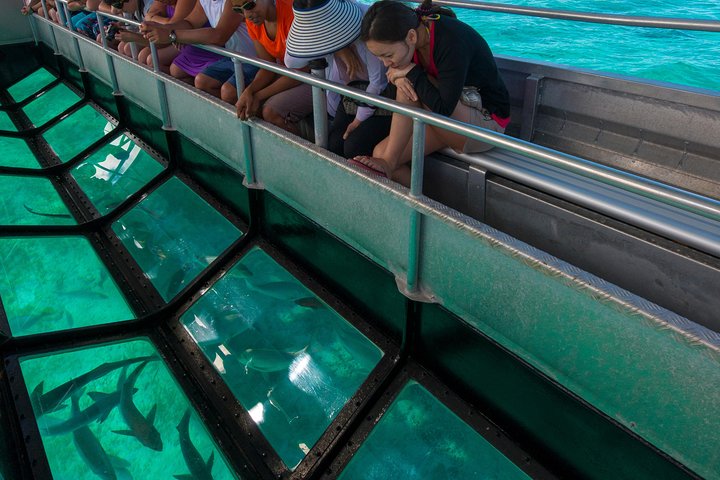
Water Taxi Signal Island Turtle Tour for cruisers
Amedee Lighthouse

Guided City Orientation Tour of Noumea
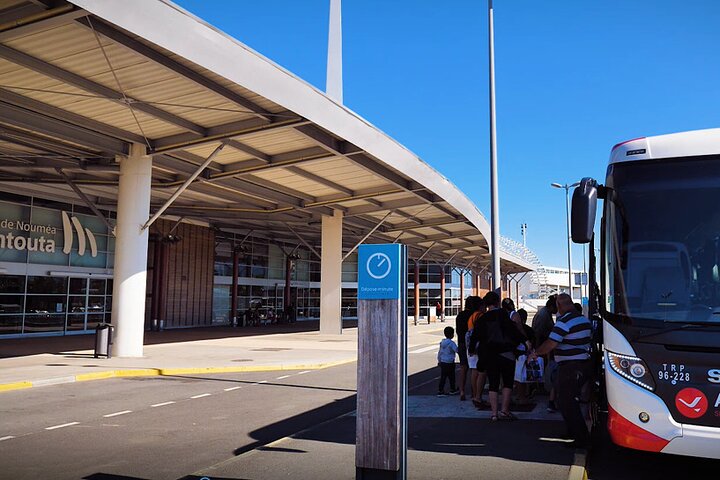
Airport Transfer: Noumea to La Tontouta International Airport

Transfer Tontouta International Airport (New Caledonia) - LYVAI

Aquarium Package in Nouméa's with Admission + HOHO with LYVAI

Tontouta Airport Transfers One-way Tontouta-Noumea / Noumea-Tontouta

The "French Touch" Tour

Master Island turtle tour for cruisers


 Best Backpacking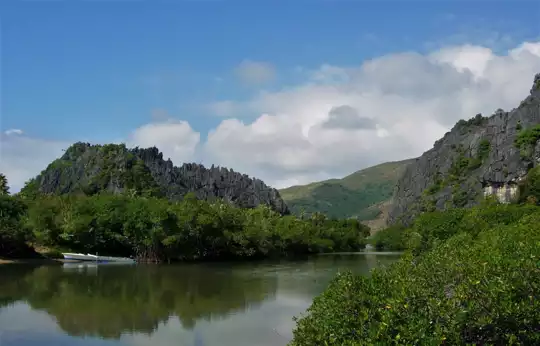
.jpg) Hi, I’m Johan (Netherlands 🇳🇱), the creator of TakeYourBackpack. Over the past 3 decades, I’ve backpacked through 90+ countries across six continents, gaining extensive experience with independent travel, long-term trips, and overland routes.
Hi, I’m Johan (Netherlands 🇳🇱), the creator of TakeYourBackpack. Over the past 3 decades, I’ve backpacked through 90+ countries across six continents, gaining extensive experience with independent travel, long-term trips, and overland routes.