
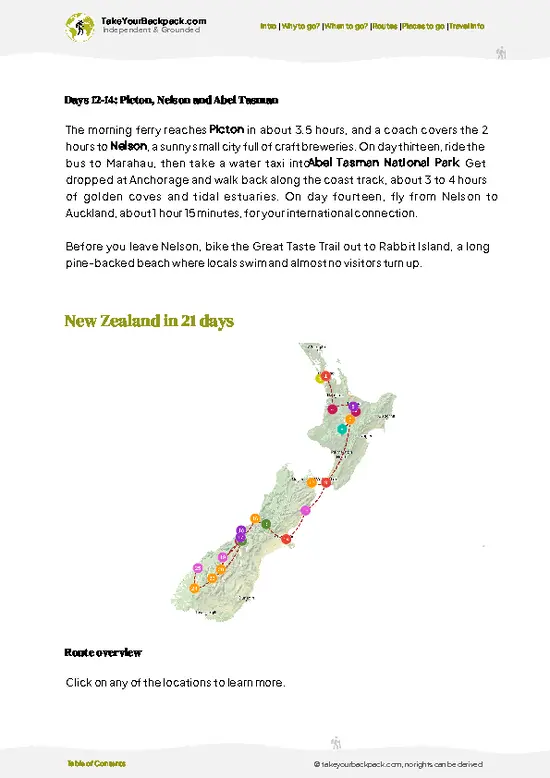
×

New Zealand🇳🇿 | beachesCathedral CoveLimestone arch, marine reserve, Te Hoho Rock, foot access | things to do and best time to go

Explore Castlepoint BeachExplore Hot Water Beach

Backpacking in Cathedral Cove
🏆 Top pickbeach ranked #1
By Johan Kruseman 🇳🇱 | Updated October 15, 2026

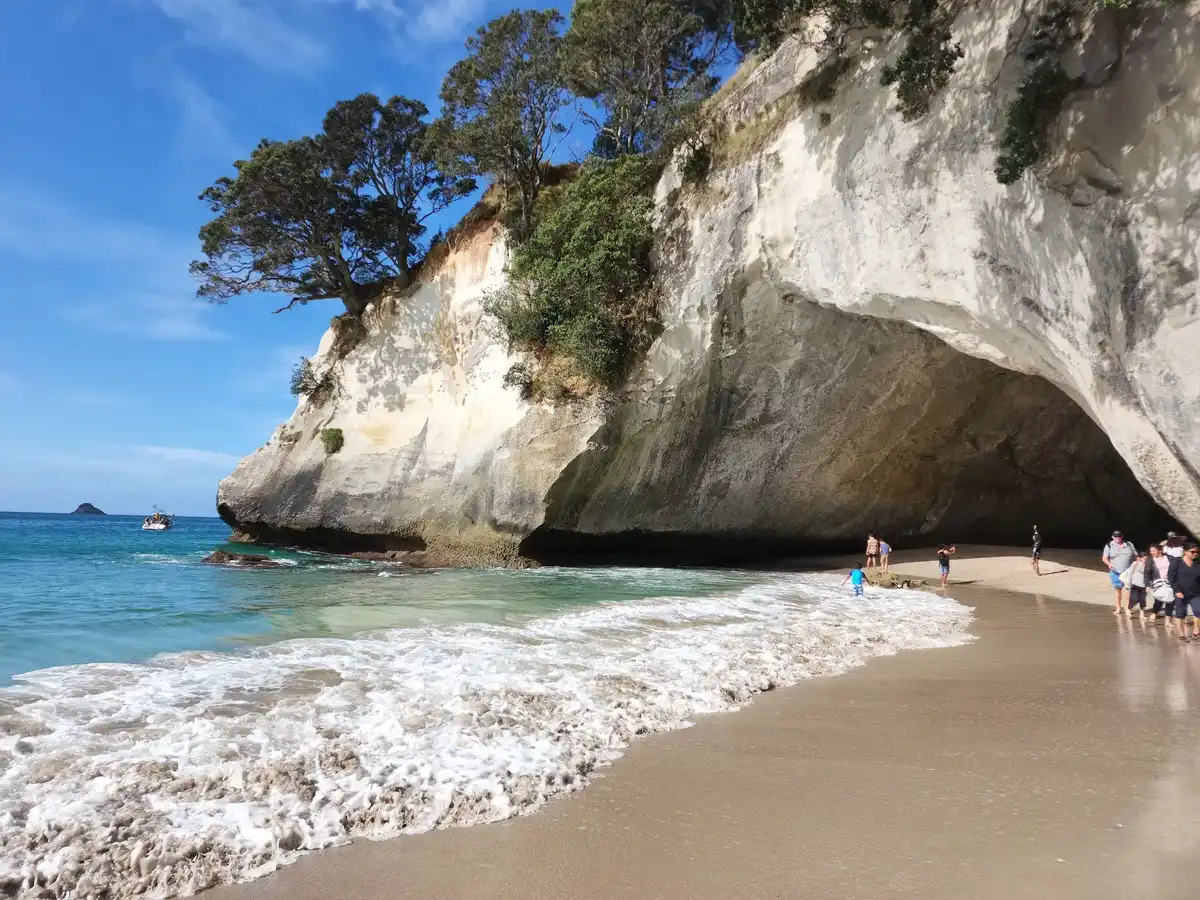
Cathedral Cove is reached only on foot, by kayak or by boat, because no road touches the sand. That surprises people who expect a drive-up beach. It sits on the Coromandel Peninsula in the north of New Zealand, inside a marine reserve, which is why the water is clear and the sand is clean. The trade-off is crowds: the arch is one of the most photographed spots in the country, and midday brings a steady stream of walkers. The track climbs and dips along the coast, and each headland opens another view of islands and pale cliffs. My mistake was arriving near high tide without checking, so the passage through the arch was full of knee-deep surge and I soaked my shoes and half my bag. Now I read the tide table first, because low tide is when the arch gives you dry passage to both coves. There is no food on the beach, so bring water. Rock Te Hoho stands offshore like a shark fin.

Discover everything you want to know in the 📖 New Zealand Travel Guide.


example page 0 from our offline Travel Guide for New Zealand
example page 1 from our offline Travel Guide for New Zealand
example page 2 from our offline Travel Guide for New Zealand
example page 3 from our offline Travel Guide for New Zealand
example page 4 from our offline Travel Guide for New Zealand
example page 5 from our offline Travel Guide for New Zealand
example page 6 from our offline Travel Guide for New Zealand
example page 7 from our offline Travel Guide for New Zealand
Loading the map 🌍
CLICK TO FILTER
cities
towns
villages
landmarks
national parks
hikes
beaches
attractions
festivals
regions
SHOW COUNTRY’S BESTSHOW ALL

✨ Why go?
Ranked #1 beach in New Zealand
Why visitors keep coming back

Backpackers stop here because the place is a marker on the Coromandel loop that justifies the detour. The headline draw is the pale limestone arch linking two coves, which you walk through at low tide, with a cave roof that sometimes drips onto the sand. It is the kind of sight a photo only half explains. Beyond that, the reserve water makes this one of the easier spots on the North Island to snorkel without a boat, since fishing is banned and fish have lost much of their fear. The social side is quiet. You meet people on the trail and swap tide tips rather than party, and the nearby village of Hahei has a relaxed surf-town feel, with a café and beach bar rhythm that suits a slow couple of nights. It also pairs naturally with Hot Water Beach, a short drive south, so one base covers two of … read more 👉
Backpackers stop here because the place is a marker on the Coromandel loop that justifies the detour. The headline draw is the pale limestone arch linking two coves, which you walk through at low tide, with a cave roof that sometimes drips onto the sand. It is the kind of sight a photo only half explains. Beyond that, the reserve water makes this one of the easier spots on the North Island to snorkel without a boat, since fishing is banned and fish have lost much of their fear. The social side is quiet. You meet people on the trail and swap tide tips rather than party, and the nearby village of Hahei has a relaxed surf-town feel, with a café and beach bar rhythm that suits a slow couple of nights. It also pairs naturally with Hot Water Beach, a short drive south, so one base covers two of the peninsula’s signature experiences without constant packing and moving.

💡 HighlightsTop highlights of Cathedral Cove

  1. The Cathedral Cove arch: The limestone arch, tall enough to walk through without ducking, is the reason everyone comes. It connects the two coves, and the cave floor stays damp and cool even on warm days. Visit around low tide to walk through freely. The arch was also used as a filming location for The Chronicles of Narnia: Prince Caspian, so you may recognize the shape.
  2. Swimming in the main cove: The beach itself is a pale curve of sand with clear, usually calm water protected by the surrounding headlands. Entry is free and there is no shop on site, so pack your own water and snacks. Swell can pick up, so check conditions before you wade in far.
  3. Snorkeling in Te Whanganui-A-Hei Marine Reserve: The whole bay is a protected reserve, so snapper and other reef fish gather around the rocks. Bring
… read more 👉
  1. The Cathedral Cove arch: The limestone arch, tall enough to walk through without ducking, is the reason everyone comes. It connects the two coves, and the cave floor stays damp and cool even on warm days. Visit around low tide to walk through freely. The arch was also used as a filming location for The Chronicles of Narnia: Prince Caspian, so you may recognize the shape.
  2. Swimming in the main cove: The beach itself is a pale curve of sand with clear, usually calm water protected by the surrounding headlands. Entry is free and there is no shop on site, so pack your own water and snacks. Swell can pick up, so check conditions before you wade in far.
  3. Snorkeling in Te Whanganui-A-Hei Marine Reserve: The whole bay is a protected reserve, so snapper and other reef fish gather around the rocks. Bring your own mask if you can, since there is no rental at the cove.
  4. Te Hoho Rock and Mares Leg Cove: Look from the beach to the offshore pinnacle of Te Hoho Rock, a tall rock that resembles a shark fin. The neighboring cove is quieter than the main beach and a good place to eat lunch with a view of the cliffs once the tide is low enough to walk across.
  5. Sea kayak tours from Hahei: Paddling in is the best way to see the arch and its caves from the water. The tours pass through sea caves and around islands, and you can often see the cliffs without the trail crowds. Guides run tours through the day, and the early departures tend to have the calmest water and fewer people on the sand.
Snorkel the main cove early in the morning, when the water is calmest, then walk through the arch at low tide for dry passage.
Spotted a mistake or missing something? Contact us.

Things to do around Cathedral Cove

Ratings based on Tripadvisor reviews. When you book through this link, you support our work at no extra cost to you.

🌤️ When to go?Best time to visit Cathedral Cove

  • Summer (December to February): Days run 14 to 15 hours, air temperatures sit around 20 to 25°C (68 to 77°F) and the sea reaches roughly 19 to 21°C (66 to 70°F). The Hahei car park fills by mid-morning and the walk down is shoulder to shoulder around the arch. Beds and campsites cost the most, and January is the peak.
  • Autumn (March to May): Highs of 17 to 22°C (63 to 72°F), calmer seas and the warmest water of the year in March. Crowds thin out after Easter and prices ease.
  • Winter (June to August): Days shrink to about 10 hours of light, highs of 12 to 15°C (54 to 59°F) and sea temperatures near 14 to 15°C (57 to 59°F). Rain and swell bring the odd track or beach closure, but you can have the arch almost to yourself and rooms are cheapest.
  • Spring (September to November): Highs of 15 to 20°C (59
… read more 👉
  • Summer (December to February): Days run 14 to 15 hours, air temperatures sit around 20 to 25°C (68 to 77°F) and the sea reaches roughly 19 to 21°C (66 to 70°F). The Hahei car park fills by mid-morning and the walk down is shoulder to shoulder around the arch. Beds and campsites cost the most, and January is the peak.
  • Autumn (March to May): Highs of 17 to 22°C (63 to 72°F), calmer seas and the warmest water of the year in March. Crowds thin out after Easter and prices ease.
  • Winter (June to August): Days shrink to about 10 hours of light, highs of 12 to 15°C (54 to 59°F) and sea temperatures near 14 to 15°C (57 to 59°F). Rain and swell bring the odd track or beach closure, but you can have the arch almost to yourself and rooms are cheapest.
  • Spring (September to November): Highs of 15 to 20°C (59 to 68°F), variable wind and a steady increase in visitors. Water is still chilly, so swimming is for the hardy.
Arrive before 9 a.m. or after 4 p.m. for emptier sand and softer light, and check low tide times, since the cave is passable on foot mostly around low tide.


source: climatestotravel.comJANJanuary: excellent for travelingFEBFebruary: excellent for travelingMARMarch: highly recommended for travelingAPRApril: highly recommended for travelingMAYMay: good for travelingJUNJune: fair for travelingJULJuly: below average for travelingAUGAugust: fair for travelingSEPSeptember: good for travelingOCTOctober: highly recommended for travelingNOVNovember: highly recommended for travelingDECDecember: excellent for traveling
new-zealand-beach-cathedral-cove
© Google | Brian Baird

✈️ The backpacker research shortcutNew Zealand Travel Guide

An offline-friendly backpacking guide with optimized travel routes, ranked highlights, transport advice, and the best areas to stay.
example page 0 from our offline Travel Guide for New Zealand
example page 1 from our offline Travel Guide for New Zealand
example page 2 from our offline Travel Guide for New Zealand
example page 3 from our offline Travel Guide for New Zealand
example page 4 from our offline Travel Guide for New Zealand
example page 5 from our offline Travel Guide for New Zealand
example page 6 from our offline Travel Guide for New Zealand
example page 7 from our offline Travel Guide for New Zealand
The digital guide (327 pages) contains:
✅ 110 highlights, ranked by travel appeal
✅ Optimized 7, 14 & 21-day travel routes
✅ Cities, national parks, landmarks, beaches
✅ How to get around
✅ Offline-friendly for travel without Wi-Fi
👉 Click to see all 30+ guide features

📅 Plan smarter in minutes, not weeks
✅ Month by month travel advice
✅ Festivals & national holidays
✅ Budget expectations

🗺️ Go to the right places, skip the overrated ones
✅ Honest pros & cons of destinations
✅ Top hikes, parks & viewpoints
✅ Lesser-known places most travelers miss
✅ Clear “worth it vs skip it” guidance

🛏️ Travel smoothly without rookie mistakes
✅ Best areas to stay
✅ Transport systems explained simply
✅ Common scams & safety advice
✅ SIM cards, money & practical tips

🌍 Understand the country, not just visit it
✅ Culture & traditions
✅ Local customs
✅ Festivals worth planning around
✅ Traveler-friendly historical context
✅ Insights that make places more meaningful

📱 Built for real travel conditions
✅ Fully downloadable PDF
✅ Works completely offline
✅ Optimized for phone use
✅ Useful in remote areas & buses
✅ Everything in one place
Stop searching, start planning
Get instant access to your full guide. 30‑day money-back guarantee.
+ Add another guide for just

By proceeding you agree to our terms.
Sent to your inbox immediately after payment • 100% Secure Checkout
Best Backpacking Travel Advisor 2025 tourism awardBest Backpacking
Travel Advisor
2025
What others say about Take Your Backpack Guides:
⭐⭐⭐⭐⭐
Fantastic, amazing amount of information!
⭐⭐⭐⭐⭐
My goodness this is amazing, it's what I've been looking for hats off too you!
⭐⭐⭐⭐⭐
I think this is absolutely BRILLIANT
⭐⭐⭐⭐
Very complete and informative. It's still missing places, but I gotta to commend you
⭐⭐⭐⭐⭐
This is truly amazing, thank you, can't wait to explore it with my kids!
⭐⭐⭐⭐⭐
Awesome resource, thank you!
⭐⭐⭐⭐⭐
This is amazing! Can't wait to explore the ones I haven't seen
⭐⭐⭐⭐
I love this! Well done, great idea.
⭐⭐⭐⭐⭐
Thanks for taking the time to make this gem!
⭐⭐⭐⭐⭐
This might be the best website I've ever seen.
⭐⭐⭐⭐⭐
Congratulations, and thank you so much for your work; it's incredibly valuable.
⭐⭐⭐⭐
In all seriousness I think you did a great job pointing out the important spots
⭐⭐⭐⭐⭐
10/10 very good
⭐⭐⭐⭐⭐
As someone who's only just starting to visit regularly this is awesome, thank you.
⭐⭐⭐⭐
Thank you very much! I'm going to visit my dad, it's going to be very useful!
⭐⭐⭐⭐⭐
This is really cool! We'll be travelling for the first time and this definitely come in handy.
⭐⭐⭐⭐⭐
You are now our minister of culture, congratulations 👨‍💼
⭐⭐⭐⭐⭐
Just wanted to tell you that this is a pearl! Going to follow your recommendations.
⭐⭐⭐⭐⭐
This is so cool. I'll definitely be using the resource for my travels soon.
⭐⭐⭐⭐⭐
This is very impressive! Good work.
⭐⭐⭐⭐⭐
This is an amazing and informative site. Very well done!

🛏️ Where to stay?How to pick the right area

Hahei is the place to stay, and it is the only sensible base for a backpacker, since it sits at the trailhead for the Cathedral Cove walk, about 45 minutes each way on foot. The village is tiny, with a general store, a few cafes and a surf-lifesaving beach of its own, so you can walk everywhere without a car. Budget beds are limited and book out fast from December through February, so reserve weeks ahead. Hahei is where solo travelers get the most social atmosphere, with shared kitchens, communal evenings and people comparing tide times for the walk. Campgrounds and holiday parks near the beach … read more 👉
Hahei is the place to stay, and it is the only sensible base for a backpacker, since it sits at the trailhead for the Cathedral Cove walk, about 45 minutes each way on foot. The village is tiny, with a general store, a few cafes and a surf-lifesaving beach of its own, so you can walk everywhere without a car. Budget beds are limited and book out fast from December through February, so reserve weeks ahead. Hahei is where solo travelers get the most social atmosphere, with shared kitchens, communal evenings and people comparing tide times for the walk. Campgrounds and holiday parks near the beach give the best value for anyone with a tent or campervan, and they have the same easy access to the track. The neighboring settlement of Hot Water Beach, a short drive south, is the second option, with a smaller selection of beds and a quieter feel, though you will want transport to reach the cove from there. Whitianga, about 40 minutes by road across the harbor from Hahei, has the largest choice of cheaper hostels, bars and supermarkets. It suits you if you are watching your budget, but you will need an early start to beat the day trippers.

🛡️ SafetyScams, Hazards, and Annoyances

Cathedral Cove is a calm, well-used beach, and the main hazard is the track rather than the sea. The walk from Hahei involves steep steps and uneven sections, so wear shoes, not flip-flops. Swimming is usually gentle in the sheltered bay on summer mornings, but there are no lifeguards. Swell and rips can build after storms, and the surf at the arch shifts with the tide, so stay near the shore and skip the water on rough days. Check tide times before you go, because high tide and big swells make passing through the arch awkward and wet. Rockfall has closed sections of the cliff track in the past, so obey signs and heed any closure notices. Snorkelers will see reef fish and the occasional ray in the shallows, none of it a concern if you give animals space. The sun is strong and there is little … read more 👉
Cathedral Cove is a calm, well-used beach, and the main hazard is the track rather than the sea. The walk from Hahei involves steep steps and uneven sections, so wear shoes, not flip-flops. Swimming is usually gentle in the sheltered bay on summer mornings, but there are no lifeguards. Swell and rips can build after storms, and the surf at the arch shifts with the tide, so stay near the shore and skip the water on rough days. Check tide times before you go, because high tide and big swells make passing through the arch awkward and wet. Rockfall has closed sections of the cliff track in the past, so obey signs and heed any closure notices. Snorkelers will see reef fish and the occasional ray in the shallows, none of it a concern if you give animals space. The sun is strong and there is little shade on the sand, so bring sunscreen and water. Petty theft from cars at the Hahei car parks does occur, so leave nothing visible and carry valuables with you.

FAQTraveler FAQ

Drive or walk from Hahei, which is the access point and sits about 40 minutes by road from Whitianga and roughly 2.5 to 3 hours from Auckland on the Coromandel Peninsula. Parking at the Hahei end is limited and the cove itself has no road access, so the track is how you get there. Walk the Cathedral Cove Track in about 45 minutes each way, or catch a seasonal shuttle from the village in busy months. You can also join a boat or kayak tour from Hahei or Whitianga that lands you at the beach.
Swimming and snorkeling are the real draws here, with calm, clear shallows and a protected marine reserve around Te Whanganui-A-Hei offering reef fish and kelp beds. Surfing is not the reason to come, as the cove has little reliable wave quality, and Hahei Beach or Whangamata suit surfers better. Water temperatures range from about 14°C in winter to 21°C in late summer, so a wetsuit helps outside summer. Guided kayak and snorkel trips from Hahei usually cost about NZ$100 to 150 (US$60 to 90).
Yes, there is no entry charge for the beach or the walking track. Costs come from getting there, such as a Hahei car park or shuttle fee in peak summer (typically a few NZ dollars each way, or roughly NZ$5 to 10 for the shuttle), and from optional boat or kayak tours. The track is open daily, although parts may close after storms or for maintenance, so check the Department of Conservation website before you set out.
⚠️ Things can change over time, so always validate details locally before you go.

Other New Zealander beaches near Cathedral Cove

Explore more nearby:

  • Hot Water Beach—Dig-your-own hot pool, low-tide springs, spade hire, Pacific rips| 7 km away
  • New Chums Beach—Walk-in only, pohutukawa shade, tidal rocks, no facilities| 22 km away
  • Mount Maunganui Main Beach—Mauao summit, learner surf, Moturiki blowhole, bakery dinners| 100 km away

💡 Not sure where to go next?
Create a personalized itinerary for New Zealand including Cathedral Cove and the places that fit your trip.

Generate my itinerary

👉 Discover all beaches

Or checkout all New Zealand has to offer (think cities, towns, villages, national parks, hikes, beaches, festivals)
Country photo of New Zealand

We 💚 feedbackParting advice and final tips

Go early on a weekday morning, ideally when low tide lines up with sunrise. You get the arch nearly to yourself, the water is at its calmest for snorkeling, and the light turns the cliffs pale gold. By midday the sand fills up and the magic thins. I would plan around the tide table and leave by noon.

✈️ When did I visit New Zealand?
All the way back in high school I have been visiting the North Island of New Zealand (1993).

✍️ Help improve this page!
The information on this page is based on my own backpacking experience in New Zealand, supplemented with up-to-date research and feedback from other travelers. Travel details can change, so if you notice anything outdated or incomplete, feel free to let me know.


🙋‍♂️ Give feedback

👋 Meet the founderWho’s Behind Take Your Backpack?

Johan, backpacker and founder of TakeYourBackpackHi, I’m Johan (Netherlands 🇳🇱), the creator of TakeYourBackpack. Over the past 3 decades, I’ve backpacked through 90+ countries across six continents, gaining extensive experience with independent travel, long-term trips, and overland routes.

This site is built on a combination of firsthand travel experience and carefully curated insights from other backpackers. Many guides are based on places I’ve personally visited, while others bring together tips, observations, and practical advice shared by trusted travelers I’ve met along the way.

The goal is to provide realistic, experience-driven guidance — not generic itineraries — so you can explore destinations with better context, clearer expectations, and more confidence.