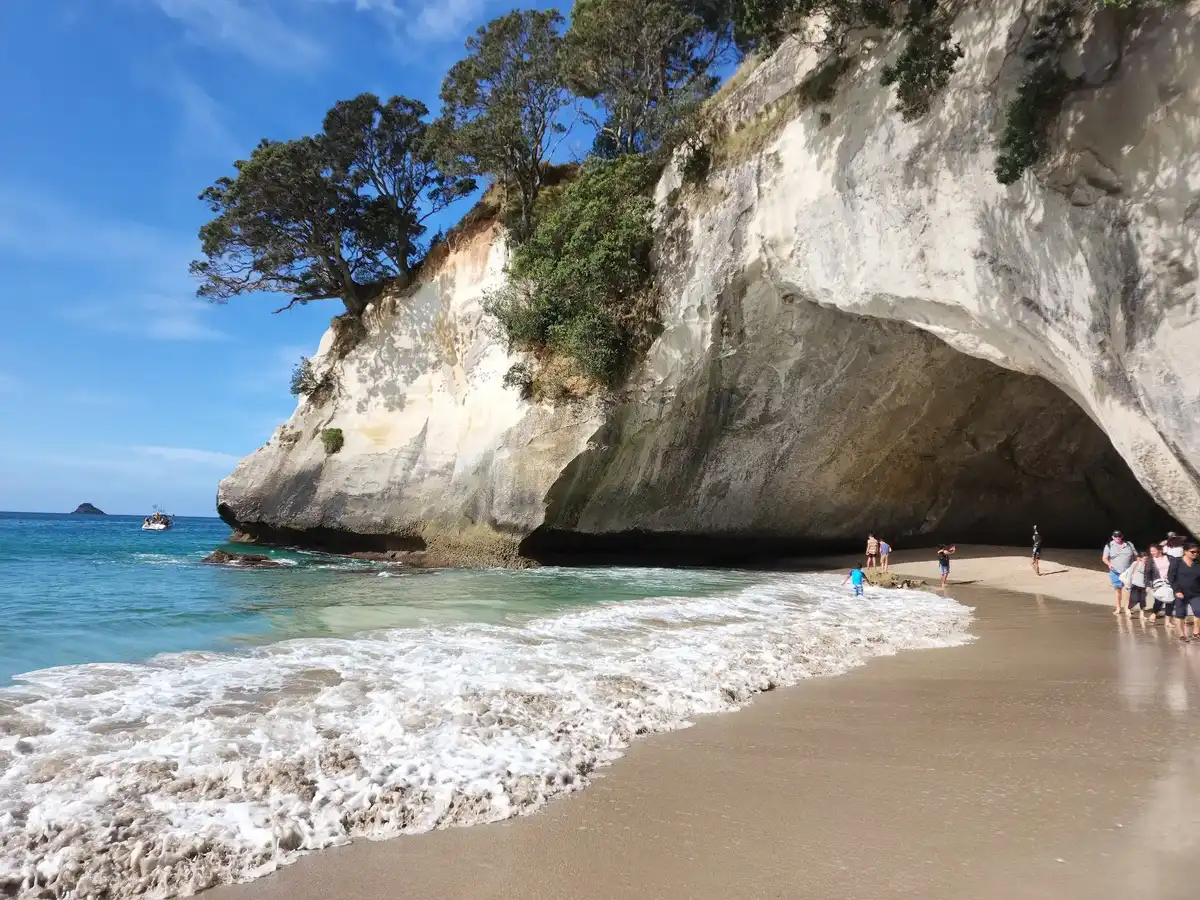
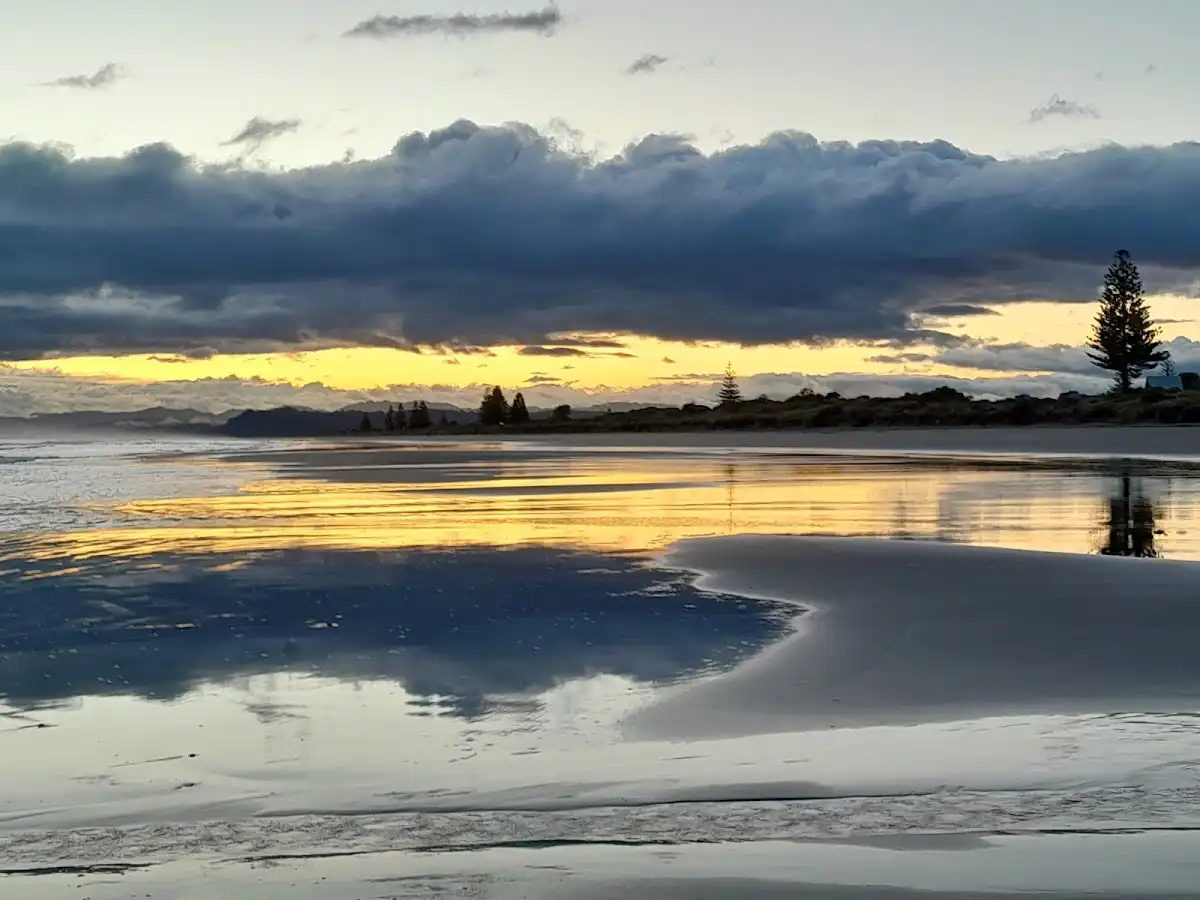
How many beaches to visit: Plan on 5 to 8 beach stops across a trip, rather than chasing a long list. Distances are large, weather changes quickly, and the best days often come unplanned. A smaller number lets you stay a full day at each, which matters because tides, wind and cloud can ruin a short visit. Experienced travelers keep a flexible shortlist and move toward the coast with the best forecast.
Prioritizing by travel style: If you want swimming and sunbathing, favor the northern and Nelson-Tasman coasts, where water reaches 20 to 23°C in summer. If you like walking and photography, choose the exposed west and south, where the sand is darker and the shoreline rougher. Surfers should look at the east and west coast breaks, but check local conditions first. Wildlife enthusiasts do best …
read more 👉 How many beaches to visit: Plan on 5 to 8 beach stops across a trip, rather than chasing a long list. Distances are large, weather changes quickly, and the best days often come unplanned. A smaller number lets you stay a full day at each, which matters because tides, wind and cloud can ruin a short visit. Experienced travelers keep a flexible shortlist and move toward the coast with the best forecast.
Prioritizing by travel style: If you want swimming and sunbathing, favor the northern and Nelson-Tasman coasts, where water reaches 20 to 23°C in summer. If you like walking and photography, choose the exposed west and south, where the sand is darker and the shoreline rougher. Surfers should look at the east and west coast breaks, but check local conditions first. Wildlife enthusiasts do best on southern shores, where seals and penguins use the coast, and that is also why access rules there are stricter. The smarter approach is to mix one warm, easy beach with one wild one, so you get both comfort and character.
Costs: Most beaches charge no entry. Budget US$40 to 80 a day for a backpacker using hostels or campsites, self-catering and a shared vehicle. Dorm beds cost NZ$35 to 60 (US$20 to 35), and basic campsites NZ$10 to 25 (US$6 to 15) a night. Free camping is limited to designated areas, and fines of NZ$200 (about US$120) apply to illegal camping, so a certified self-contained vehicle or a paid site is cheaper in the end. Parking is free at most beaches, though a few busy coastal spots charge NZ$5 to 10 (US$3 to 6). Fuel adds up, at roughly NZ$20 to 40 (US$12 to 24) per day of driving. Guided activities such as kayak tours cost NZ$80 to 150 (US$50 to 90), while a surf lesson runs NZ$70 to 100 (US$40 to 60).
Safety: Rips cause most beach drownings in New Zealand, because many beaches shelve steeply and face open ocean. Swim between the red and yellow flags where lifeguards patrol, usually in summer weekends and holidays. Where there are none, ask locally, avoid swimming alone and stay out when waves are large. An experienced traveler checks the tide table too, because high tide can cut off rocky headlands and trap walkers.
Sun exposure is strong, so wear SPF 50, a hat and a long-sleeved top between 11 am and 3 pm. Sandflies, small biting insects, are common on the west and south coasts, and repellent is cheap and effective. Leave valuables out of parked cars, as theft from vehicles at remote car parks is a known problem. Never leave bags visible, and carry only what you need.
Cultural considerations: Many beaches carry significance for Māori, and some have a rāhui, a temporary ban on fishing, swimming or gathering shellfish after a drowning or to let resources recover. Signs mark them, and respecting them is expected. Collecting shellfish also follows strict limits, so check rules with the Ministry for Primary Industries before taking anything. Take all rubbish with you, since few remote beaches have bins. Keep at least 10 meters from seals and give penguins space, because disturbing wildlife can bring fines. Treat dunes as protected, staying on boardwalks and tracks, and travel quietly in campsites after dark.
v2.webp)




 Best Backpacking
.jpg) Hi, I’m Johan (Netherlands 🇳🇱), the creator of TakeYourBackpack. Over the past 3 decades, I’ve backpacked through 90+ countries across six continents, gaining extensive experience with independent travel, long-term trips, and overland routes.
Hi, I’m Johan (Netherlands 🇳🇱), the creator of TakeYourBackpack. Over the past 3 decades, I’ve backpacked through 90+ countries across six continents, gaining extensive experience with independent travel, long-term trips, and overland routes.