
×

New Zealand🇳🇿 | beachesPiha BeachLion Rock, flagged surf, Kitekite Falls, The Gap | things to do and best time to go

Explore Ninety Mile BeachExplore Tapotupotu Bay

Backpacking in Piha Beach
🏆 Top pickbeach ranked #4
By Johan Kruseman 🇳🇱 | Updated October 15, 2026

Lion Rock, a 101-meter volcanic plug, splits the beach into North and South Piha. Piha Beach is on the wild west coast of the north of New Zealand, west of Auckland, with black iron-rich sand that scorches in summer and Tasman swells that explain both the surf culture and the rips. Swimming is only sensible between the red and yellow flags, since the patrolled stretch is the sole safe zone. The beach is clean, the scenery is huge, and crowds thin out on weekdays, but the road in is winding and food and beds are limited, so plan ahead. A first day could mean a flag-side swim at low tide, then the Kitekite Falls walk, then a sunset on the sand.

Discover everything you want to know in the 📖 New Zealand Travel Guide.


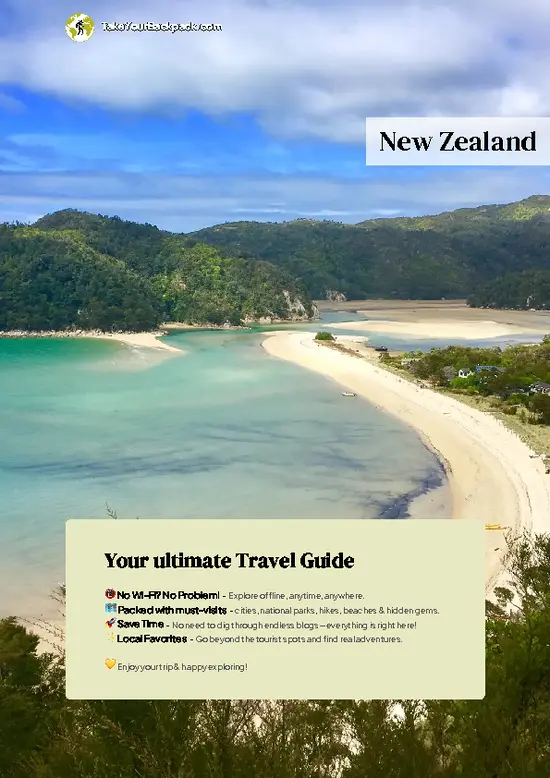
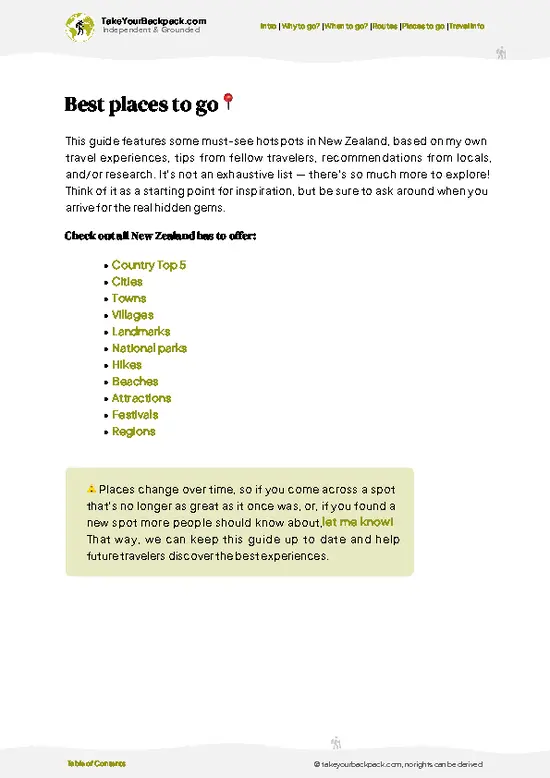
example page 0 from our offline Travel Guide for New Zealand
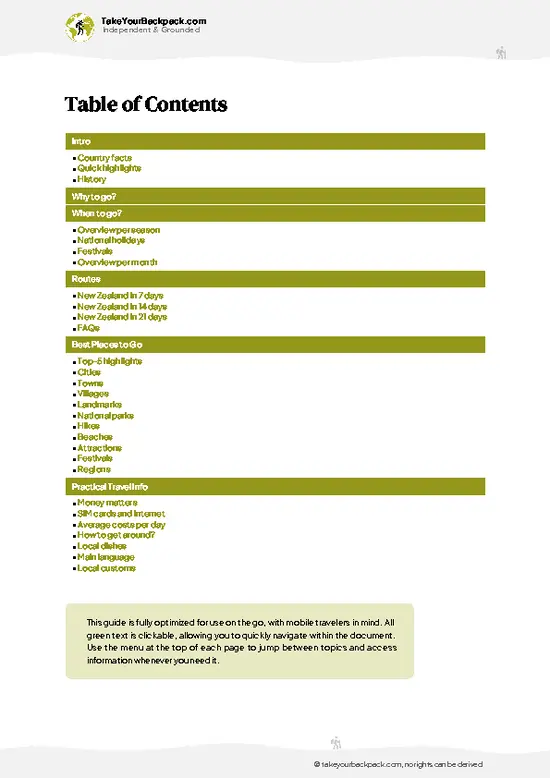
example page 1 from our offline Travel Guide for New Zealand
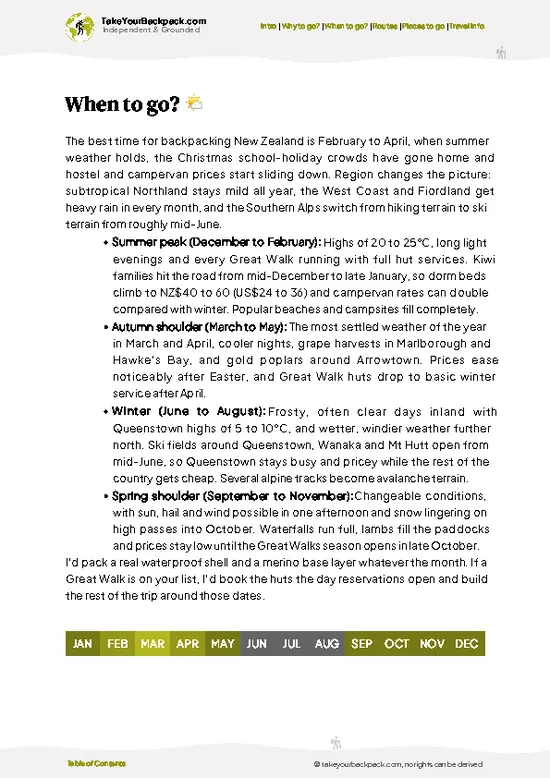
example page 2 from our offline Travel Guide for New Zealand
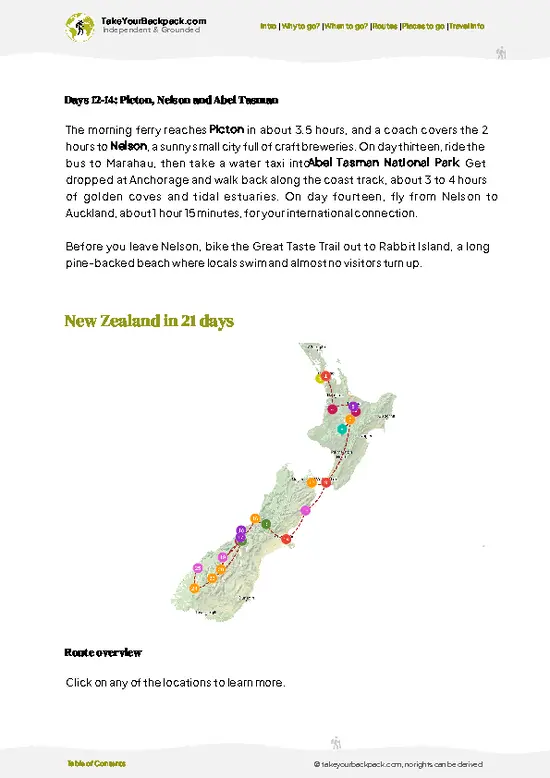
example page 3 from our offline Travel Guide for New Zealand
example page 4 from our offline Travel Guide for New Zealand
example page 5 from our offline Travel Guide for New Zealand
example page 6 from our offline Travel Guide for New Zealand
example page 7 from our offline Travel Guide for New Zealand
Loading the map 🌍
CLICK TO FILTER
cities
towns
villages
landmarks
national parks
hikes
beaches
attractions
festivals
regions
SHOW COUNTRY’S BESTSHOW ALL

✨ Why go?
Ranked #4 beach in New Zealand
What makes this beach worth visiting

Backpackers come to Piha for the Lion Rock backdrop and the surf, which is raw West Coast Tasman water rather than a gentle bay. Learners rent a board and take lessons on the patrolled stretch, while experienced surfers chase the left-hand break at the north end. The village is small, so the social scene is easy: hostel-style stays, a few cafes and a shared campground mean you fall into conversation fast.

Piha also works as a break from city life. It is a short ride from Auckland, yet it feels remote, with bush-covered Waitakere Ranges walls behind the village. Waterfall walks such as Kitekite Falls sit minutes away, so a rainy or flat-surf day still has a plan. Cheap eating usually means fish and chips or self-catering, so bringing groceries from town makes sense.

💡 HighlightsPlaces and moments you shouldn't skip

  1. Lion Rock: The volcanic remnant that defines Piha. The track to the lookout on its flank is closed because of unstable land, so view it from the sand.
  2. Surfing the main break: Piha is one of Auckland’s best-known surf beaches. Rentals and lessons are available in summer, and the patrolled flags give beginners a safer starting point.
  3. Kitekite Falls: A bush walk of about an hour return through Waitakere forest ends at a roughly 40-meter waterfall with a swimming pool at its base. The track has steps and can be slippery after rain.
  4. The Gap and Taitomo Island: At the north end, a rocky channel funnels waves into dramatic surges. The walk around the headland gives views of the island and the coast, best at low to mid tide.
  5. Sunset on the black sand: The iron-rich sand and the sun dropping into the Tasman
… read more 👉
  1. Lion Rock: The volcanic remnant that defines Piha. The track to the lookout on its flank is closed because of unstable land, so view it from the sand.
  2. Surfing the main break: Piha is one of Auckland’s best-known surf beaches. Rentals and lessons are available in summer, and the patrolled flags give beginners a safer starting point.
  3. Kitekite Falls: A bush walk of about an hour return through Waitakere forest ends at a roughly 40-meter waterfall with a swimming pool at its base. The track has steps and can be slippery after rain.
  4. The Gap and Taitomo Island: At the north end, a rocky channel funnels waves into dramatic surges. The walk around the headland gives views of the island and the coast, best at low to mid tide.
  5. Sunset on the black sand: The iron-rich sand and the sun dropping into the Tasman give the beach a deep, moody light. Sit near Lion Rock as the shadow stretches across the bay.
If time is short, skip the Gap walk and spend it at Kitekite Falls instead.
Spotted a mistake or missing something? Contact us.

Things to do around Piha Beach

Ratings based on Tripadvisor reviews. When you book through this link, you support our work at no extra cost to you.

🌤️ When to go?Weather, crowds, and seasonal trade-offs

  • Summer (December to February): Piha is at its liveliest, with highs of 22 to 25°C (72 to 77°F), roughly 14.5 hours of daylight and sunset near 8:45 pm. Weekends bring day-trippers from Auckland, parking along Seaview Road fills by late morning, and beds cost the most.
  • Autumn (March to May): Highs of 17 to 22°C (63 to 72°F), warm water left over from summer and far fewer people. Swells start building, which surfers like.
  • Winter (June to August): Highs of 12 to 15°C (54 to 59°F), around 9.5 hours of daylight and regular rain. The black sand looks moody under cloud, bush tracks get muddy, and accommodation is cheapest.
  • Spring (September to November): Highs of 15 to 20°C (59 to 68°F), changeable weather, wind and green waterfalls in the Waitakere Ranges.
Book summer weekends early, or come midweek … read more 👉
  • Summer (December to February): Piha is at its liveliest, with highs of 22 to 25°C (72 to 77°F), roughly 14.5 hours of daylight and sunset near 8:45 pm. Weekends bring day-trippers from Auckland, parking along Seaview Road fills by late morning, and beds cost the most.
  • Autumn (March to May): Highs of 17 to 22°C (63 to 72°F), warm water left over from summer and far fewer people. Swells start building, which surfers like.
  • Winter (June to August): Highs of 12 to 15°C (54 to 59°F), around 9.5 hours of daylight and regular rain. The black sand looks moody under cloud, bush tracks get muddy, and accommodation is cheapest.
  • Spring (September to November): Highs of 15 to 20°C (59 to 68°F), changeable weather, wind and green waterfalls in the Waitakere Ranges.
Book summer weekends early, or come midweek when beds are easier to find and the sand is quiet.


source: climatestotravel.comJANJanuary: excellent for travelingFEBFebruary: excellent for travelingMARMarch: highly recommended for travelingAPRApril: highly recommended for travelingMAYMay: good for travelingJUNJune: fair for travelingJULJuly: fair for travelingAUGAugust: fair for travelingSEPSeptember: good for travelingOCTOctober: highly recommended for travelingNOVNovember: highly recommended for travelingDECDecember: excellent for traveling
when-to-go

✈️ The backpacker research shortcutNew Zealand Travel Guide

An offline-friendly backpacking guide with optimized travel routes, ranked highlights, transport advice, and the best areas to stay.
example page 0 from our offline Travel Guide for New Zealand
example page 1 from our offline Travel Guide for New Zealand
example page 2 from our offline Travel Guide for New Zealand
example page 3 from our offline Travel Guide for New Zealand
example page 4 from our offline Travel Guide for New Zealand
example page 5 from our offline Travel Guide for New Zealand
example page 6 from our offline Travel Guide for New Zealand
example page 7 from our offline Travel Guide for New Zealand
The digital guide (327 pages) contains:
✅ 110 highlights, ranked by travel appeal
✅ Optimized 7, 14 & 21-day travel routes
✅ Cities, national parks, landmarks, beaches
✅ How to get around
✅ Offline-friendly for travel without Wi-Fi
👉 Click to see all 30+ guide features

📅 Plan smarter in minutes, not weeks
✅ Month by month travel advice
✅ Festivals & national holidays
✅ Budget expectations

🗺️ Go to the right places, skip the overrated ones
✅ Honest pros & cons of destinations
✅ Top hikes, parks & viewpoints
✅ Lesser-known places most travelers miss
✅ Clear “worth it vs skip it” guidance

🛏️ Travel smoothly without rookie mistakes
✅ Best areas to stay
✅ Transport systems explained simply
✅ Common scams & safety advice
✅ SIM cards, money & practical tips

🌍 Understand the country, not just visit it
✅ Culture & traditions
✅ Local customs
✅ Festivals worth planning around
✅ Traveler-friendly historical context
✅ Insights that make places more meaningful

📱 Built for real travel conditions
✅ Fully downloadable PDF
✅ Works completely offline
✅ Optimized for phone use
✅ Useful in remote areas & buses
✅ Everything in one place
Stop searching, start planning
Get instant access to your full guide. 30‑day money-back guarantee.
+ Add another guide for just

By proceeding you agree to our terms.
Sent to your inbox immediately after payment • 100% Secure Checkout
Best Backpacking Travel Advisor 2025 tourism awardBest Backpacking
Travel Advisor
2025
What others say about Take Your Backpack Guides:
⭐⭐⭐⭐⭐
Fantastic, amazing amount of information!
⭐⭐⭐⭐⭐
My goodness this is amazing, it's what I've been looking for hats off too you!
⭐⭐⭐⭐⭐
I think this is absolutely BRILLIANT
⭐⭐⭐⭐
Very complete and informative. It's still missing places, but I gotta to commend you
⭐⭐⭐⭐⭐
This is truly amazing, thank you, can't wait to explore it with my kids!
⭐⭐⭐⭐⭐
Awesome resource, thank you!
⭐⭐⭐⭐⭐
This is amazing! Can't wait to explore the ones I haven't seen
⭐⭐⭐⭐
I love this! Well done, great idea.
⭐⭐⭐⭐⭐
Thanks for taking the time to make this gem!
⭐⭐⭐⭐⭐
This might be the best website I've ever seen.
⭐⭐⭐⭐⭐
Congratulations, and thank you so much for your work; it's incredibly valuable.
⭐⭐⭐⭐
In all seriousness I think you did a great job pointing out the important spots
⭐⭐⭐⭐⭐
10/10 very good
⭐⭐⭐⭐⭐
As someone who's only just starting to visit regularly this is awesome, thank you.
⭐⭐⭐⭐
Thank you very much! I'm going to visit my dad, it's going to be very useful!
⭐⭐⭐⭐⭐
This is really cool! We'll be travelling for the first time and this definitely come in handy.
⭐⭐⭐⭐⭐
You are now our minister of culture, congratulations 👨‍💼
⭐⭐⭐⭐⭐
Just wanted to tell you that this is a pearl! Going to follow your recommendations.
⭐⭐⭐⭐⭐
This is so cool. I'll definitely be using the resource for my travels soon.
⭐⭐⭐⭐⭐
This is very impressive! Good work.
⭐⭐⭐⭐⭐
This is an amazing and informative site. Very well done!

🛏️ Where to stay?Best areas to stay in New Zealand

The best base is Piha village itself, the strip of houses and shops along Seaview Road and Marine Parade, because everything a backpacker needs sits within a 10 to 15 minute walk of the sand. Staying here means you can walk to the surf, the small general store, the cafes and Lion Rock without a car, which matters since public transport does not reach the village. Budget beds here are limited, so dorm rooms and small lodges fill quickly in summer. Expect roughly NZ$35 to 60 (US$21 to 36) for a dorm bed and more for private rooms. The area closest to the main beach is the most social, with surfers, … read more 👉
The best base is Piha village itself, the strip of houses and shops along Seaview Road and Marine Parade, because everything a backpacker needs sits within a 10 to 15 minute walk of the sand. Staying here means you can walk to the surf, the small general store, the cafes and Lion Rock without a car, which matters since public transport does not reach the village. Budget beds here are limited, so dorm rooms and small lodges fill quickly in summer. Expect roughly NZ$35 to 60 (US$21 to 36) for a dorm bed and more for private rooms. The area closest to the main beach is the most social, with surfers, hikers and campers swapping tips over dinner. Quieter pockets sit toward North Piha, a short drive or a 30 to 40 minute beach walk away, which suit those wanting calm and big sunsets. The nearby Piha Domain campground offers a cheaper option if you carry a tent or campervan. Cheap accommodation is also possible in Auckland if you need a backup, though that means a drive of about 45 minutes to an hour.

🛡️ SafetyScams, Hazards, and Annoyances

Piha is a beautiful beach with a serious surf reputation, and the main rule is simple: swim between the red and yellow flags. Volunteer surf lifeguards patrol the central beach on weekends and daily through the summer holidays, roughly late October to Easter. Strong rips are common, especially around the creek mouth and the rocks near Lion Rock, and the waves are powerful on the black Tasman sand. If you are unsure, ask the lifeguards where the safest spot is that day. Stay out of the water when the beach is unpatrolled and the swell is large. Low tide gives the most room for walking, while rocks and tidal pools near the rock formations can become cut off as the tide rises. The sand turns hot enough to burn bare feet in summer, and the New Zealand sun is strong, so bring sunscreen and a hat. … read more 👉
Piha is a beautiful beach with a serious surf reputation, and the main rule is simple: swim between the red and yellow flags. Volunteer surf lifeguards patrol the central beach on weekends and daily through the summer holidays, roughly late October to Easter. Strong rips are common, especially around the creek mouth and the rocks near Lion Rock, and the waves are powerful on the black Tasman sand. If you are unsure, ask the lifeguards where the safest spot is that day. Stay out of the water when the beach is unpatrolled and the swell is large. Low tide gives the most room for walking, while rocks and tidal pools near the rock formations can become cut off as the tide rises. The sand turns hot enough to burn bare feet in summer, and the New Zealand sun is strong, so bring sunscreen and a hat. Do not leave valuables in parked cars, since break-ins at the car parks around Piha and the walking tracks happen.

FAQTraveler FAQ

Piha is about 40 km west of central Auckland, and you need a car or a ride to reach it. The drive takes around 45 to 60 minutes via Titirangi and the winding Piha Road through the Waitakere Ranges. No regular public bus runs to the village, so most backpackers rent a car, join a day tour from Auckland (roughly NZ$100 to 150) or share a ride.
Surfing and swimming are the main draws, though snorkeling is not. Piha is a well-known surf beach with consistent waves for intermediate to advanced surfers, and lessons and board rentals are available in the village for about NZ$80 to 120 for a lesson. Swim only between the flags, as rips are strong. Water is murky and the surf rough, so snorkeling is better at calmer beaches elsewhere around the Auckland region.
Yes, visiting Piha Beach costs nothing, and access to the sand, the open bush tracks nearby is free for everyone. Parking along the street and in the main car parks is generally free as well. The costs come from fuel or a tour, the roughly NZ$35 to 60 dorm beds in the area, and any surf lessons or food you buy in the village.
⚠️ Things can change over time, so always validate details locally before you go.

Other New Zealander beaches near Piha Beach

Explore more nearby:

  • Karekare Beach—Waitakere bush road, black sand, 30-meter falls, no shop| 4 km away
  • Bethells Beach—Black sand, Tasman surf, Lake Wainamu, Ihumoana Rock| 7 km away
  • Raglan Beach—Ngarunui surf, iron sand, Mt Karioi, west-facing sunset| 100 km away

💡 Not sure where to go next?
Create a personalized itinerary for New Zealand including Piha Beach and the places that fit your trip.

Generate my itinerary

👉 Discover all beaches

Or checkout all New Zealand has to offer (think cities, towns, villages, national parks, hikes, beaches, festivals)
Country photo of New Zealand

We 💚 feedbackFinal thoughts on visiting Piha Beach

Go for the late afternoon, when the day-trippers drive back to Auckland and the light turns copper on the sand. I would stay for the sunset, swim earlier between the flags, and pack a headlamp for the walk back. Piha is wild, so respect the rips.

✈️ When did I visit New Zealand?
All the way back in high school I have been visiting the North Island of New Zealand (1993).

✍️ Help improve this page!
The information on this page is based on my own backpacking experience in New Zealand, supplemented with up-to-date research and feedback from other travelers. Travel details can change, so if you notice anything outdated or incomplete, feel free to let me know.


🙋‍♂️ Give feedback

👋 Meet the founderWho’s Behind Take Your Backpack?

Johan, backpacker and founder of TakeYourBackpackHi, I’m Johan (Netherlands 🇳🇱), the creator of TakeYourBackpack. Over the past 3 decades, I’ve backpacked through 90+ countries across six continents, gaining extensive experience with independent travel, long-term trips, and overland routes.

This site is built on a combination of firsthand travel experience and carefully curated insights from other backpackers. Many guides are based on places I’ve personally visited, while others bring together tips, observations, and practical advice shared by trusted travelers I’ve met along the way.

The goal is to provide realistic, experience-driven guidance — not generic itineraries — so you can explore destinations with better context, clearer expectations, and more confidence.