×

New Zealand🇳🇿 | beachesKarekare BeachWaitakere bush road, black sand, 30-meter falls, no shop | things to do and best time to go

Explore Hot Water BeachExplore Ninety Mile Beach

Backpacking in Karekare Beach
👍 Recommendedbeach ranked #12
By Johan Kruseman 🇳🇱 | Updated October 15, 2026

Karekare’s black sand gets hot enough in summer to burn bare feet, and the beach has no shop, no cafe and no reliable phone signal. It sits on the wild west coast of the Waitakere Ranges in the north of New Zealand, west of Auckland. The road in is a winding, narrow descent through dense bush, which keeps crowds thin on weekdays and rewards you with a wide, empty-feeling beach. I reached it by shared car, and halfway down a tui started up from a roadside kauri, loud enough that we stopped the engine just to listen. Rips are strong and swimming is only safe between the patrol flags. Unlike nearby Piha, it has no budget food or beds.

Discover everything you want to know in the 📖 New Zealand Travel Guide.


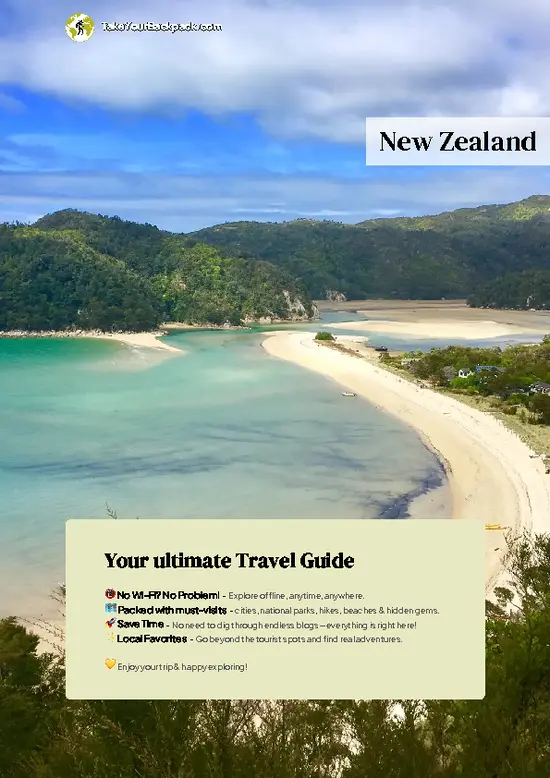
example page 0 from our offline Travel Guide for New Zealand
example page 1 from our offline Travel Guide for New Zealand
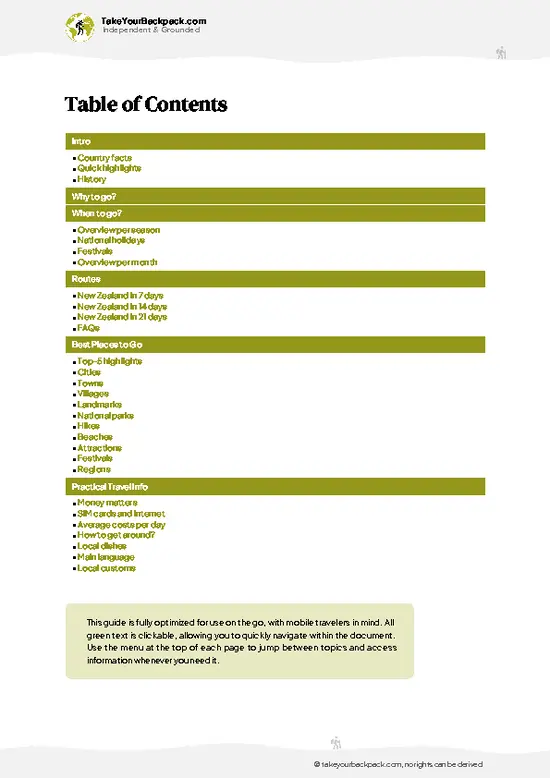
example page 2 from our offline Travel Guide for New Zealand
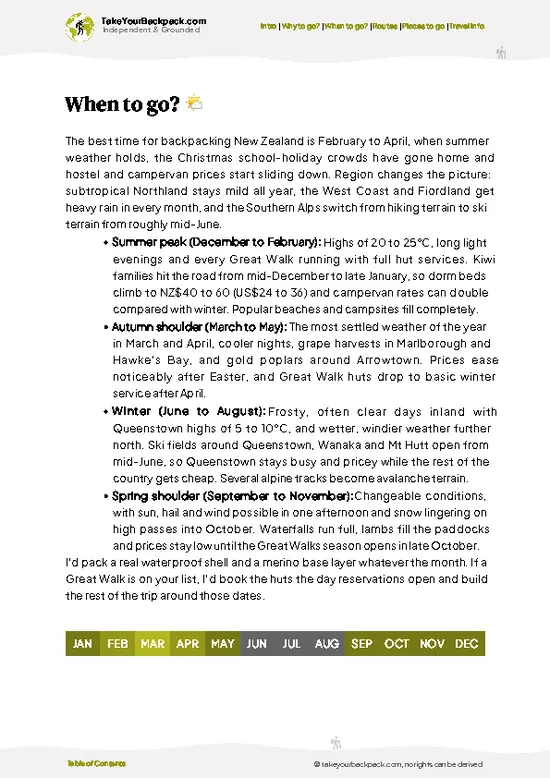
example page 3 from our offline Travel Guide for New Zealand
example page 4 from our offline Travel Guide for New Zealand
example page 5 from our offline Travel Guide for New Zealand
example page 6 from our offline Travel Guide for New Zealand
example page 7 from our offline Travel Guide for New Zealand
Loading the map 🌍
CLICK TO FILTER
cities
towns
villages
landmarks
national parks
hikes
beaches
attractions
festivals
regions
SHOW COUNTRY’S BESTSHOW ALL

✨ Why go?
Ranked #12 beach in New Zealand
Why visitors keep coming back

Backpackers stop here because Karekare is the wild-coast hit you can get without a multi-day trek. The Karekare Falls walk starts a few minutes from the parking area, and the surf-battered sand is framed by cliffs and bush, so a half-day delivers more drama than most beaches with proper facilities. It also works as a cheap reset. You bring your own picnic, pay nothing to enter, and spend hours walking the shoreline or scrambling along Zion Hill for the sweep of the coast. Film fans come too, since The Piano was shot on this sand, and the story adds a talking point to a beach that otherwise asks very little of you except decent shoes and a full water bottle.

💡 HighlightsWhat this place is best known for

  1. The Piano Beach Walk: The wide black-sand stretch where Jane Campion filmed The Piano is the reason many visitors come. Walk the full length at low tide, when hard-packed sand makes it easy and the surf lines the cliffs in white.
  2. Karekare Falls: A short, well-marked bush track leads to a 30-meter waterfall dropping into a pool framed by ferns. It takes around 10 minutes each way and is free.
  3. Zion Hill Track: A steeper climb above the beach gives sweeping views over the sea stacks and the surf. It suits late afternoon, when the light turns the sand almost metallic.
  4. Surfing and Flag-Zone Swimming: The waves are powerful and the beach has rips, so only experienced surfers should paddle out. Everyone else can wade or swim between the patrol flags during the lifeguarded summer season.
  5. Pohutukawa Glen
… read more 👉
  1. The Piano Beach Walk: The wide black-sand stretch where Jane Campion filmed The Piano is the reason many visitors come. Walk the full length at low tide, when hard-packed sand makes it easy and the surf lines the cliffs in white.
  2. Karekare Falls: A short, well-marked bush track leads to a 30-meter waterfall dropping into a pool framed by ferns. It takes around 10 minutes each way and is free.
  3. Zion Hill Track: A steeper climb above the beach gives sweeping views over the sea stacks and the surf. It suits late afternoon, when the light turns the sand almost metallic.
  4. Surfing and Flag-Zone Swimming: The waves are powerful and the beach has rips, so only experienced surfers should paddle out. Everyone else can wade or swim between the patrol flags during the lifeguarded summer season.
  5. Pohutukawa Glen Walk: A quieter bush track climbs through native forest with birdsong and the occasional glimpse of the coast. It is an easy way to see the Waitakere bush without a long hike.
Most visitors skip Pohutukawa Glen and head straight to the sand, yet its shaded track is the best place to hear native birds.
Spotted a mistake or missing something? Contact us.

Things to do near Karekare Beach

Ratings based on Tripadvisor reviews. When you book through this link, you support our work at no extra cost to you.

🌤️ When to go?Best time to visit Karekare Beach

  • Summer (December to February): Days run 20 to 24°C (68 to 75°F) with daylight until about 9 pm, and the black sand gets hot enough to hurt bare feet by midday. Weekends bring the heaviest crowds and a full car park.
  • Autumn (March to May): Highs of 17 to 21°C (63 to 70°F), calmer weekdays and golden evening light on the cliffs.
  • Winter (June to August): 11 to 15°C (52 to 59°F), dark by 5:15 pm, and big surf that suits watching more than swimming. Waterfall tracks get muddy.
  • Spring (September to November): 14 to 18°C (57 to 64°F), changeable and windy, with swollen waterfalls.
Karekare has no accommodation of its own, so prices barely shift here; aim for a weekday to find parking.

source: climatestotravel.comJANJanuary: excellent for travelingFEBFebruary: excellent for travelingMARMarch: highly recommended for travelingAPRApril: highly recommended for travelingMAYMay: good for travelingJUNJune: fair for travelingJULJuly: fair for travelingAUGAugust: fair for travelingSEPSeptember: good for travelingOCTOctober: highly recommended for travelingNOVNovember: highly recommended for travelingDECDecember: excellent for traveling
new-zealand-beach-karekare-beach
© Google | Dominic Franso

✈️ The backpacker research shortcutNew Zealand Travel Guide

An offline-friendly backpacking guide with optimized travel routes, ranked highlights, transport advice, and the best areas to stay.
example page 0 from our offline Travel Guide for New Zealand
example page 1 from our offline Travel Guide for New Zealand
example page 2 from our offline Travel Guide for New Zealand
example page 3 from our offline Travel Guide for New Zealand
example page 4 from our offline Travel Guide for New Zealand
example page 5 from our offline Travel Guide for New Zealand
example page 6 from our offline Travel Guide for New Zealand
example page 7 from our offline Travel Guide for New Zealand
The digital guide (327 pages) contains:
✅ 110 highlights, ranked by travel appeal
✅ Optimized 7, 14 & 21-day travel routes
✅ Cities, national parks, landmarks, beaches
✅ How to get around
✅ Offline-friendly for travel without Wi-Fi
👉 Click to see all 30+ guide features

📅 Plan smarter in minutes, not weeks
✅ Month by month travel advice
✅ Festivals & national holidays
✅ Budget expectations

🗺️ Go to the right places, skip the overrated ones
✅ Honest pros & cons of destinations
✅ Top hikes, parks & viewpoints
✅ Lesser-known places most travelers miss
✅ Clear “worth it vs skip it” guidance

🛏️ Travel smoothly without rookie mistakes
✅ Best areas to stay
✅ Transport systems explained simply
✅ Common scams & safety advice
✅ SIM cards, money & practical tips

🌍 Understand the country, not just visit it
✅ Culture & traditions
✅ Local customs
✅ Festivals worth planning around
✅ Traveler-friendly historical context
✅ Insights that make places more meaningful

📱 Built for real travel conditions
✅ Fully downloadable PDF
✅ Works completely offline
✅ Optimized for phone use
✅ Useful in remote areas & buses
✅ Everything in one place
Stop searching, start planning
Get instant access to your full guide. 30‑day money-back guarantee.
+ Add another guide for just

By proceeding you agree to our terms.
Sent to your inbox immediately after payment • 100% Secure Checkout
Best Backpacking Travel Advisor 2025 tourism awardBest Backpacking
Travel Advisor
2025
What others say about Take Your Backpack Guides:
⭐⭐⭐⭐⭐
Fantastic, amazing amount of information!
⭐⭐⭐⭐⭐
My goodness this is amazing, it's what I've been looking for hats off too you!
⭐⭐⭐⭐⭐
I think this is absolutely BRILLIANT
⭐⭐⭐⭐
Very complete and informative. It's still missing places, but I gotta to commend you
⭐⭐⭐⭐⭐
This is truly amazing, thank you, can't wait to explore it with my kids!
⭐⭐⭐⭐⭐
Awesome resource, thank you!
⭐⭐⭐⭐⭐
This is amazing! Can't wait to explore the ones I haven't seen
⭐⭐⭐⭐
I love this! Well done, great idea.
⭐⭐⭐⭐⭐
Thanks for taking the time to make this gem!
⭐⭐⭐⭐⭐
This might be the best website I've ever seen.
⭐⭐⭐⭐⭐
Congratulations, and thank you so much for your work; it's incredibly valuable.
⭐⭐⭐⭐
In all seriousness I think you did a great job pointing out the important spots
⭐⭐⭐⭐⭐
10/10 very good
⭐⭐⭐⭐⭐
As someone who's only just starting to visit regularly this is awesome, thank you.
⭐⭐⭐⭐
Thank you very much! I'm going to visit my dad, it's going to be very useful!
⭐⭐⭐⭐⭐
This is really cool! We'll be travelling for the first time and this definitely come in handy.
⭐⭐⭐⭐⭐
You are now our minister of culture, congratulations 👨‍💼
⭐⭐⭐⭐⭐
Just wanted to tell you that this is a pearl! Going to follow your recommendations.
⭐⭐⭐⭐⭐
This is so cool. I'll definitely be using the resource for my travels soon.
⭐⭐⭐⭐⭐
This is very impressive! Good work.
⭐⭐⭐⭐⭐
This is an amazing and informative site. Very well done!

🛏️ Where to stay?Best areas and accommodation options

Karekare itself has almost no places to sleep, so most backpackers stay in Auckland and come out for the day. Ponsonby and Grey Lynn are the most useful bases: social, full of cafes, and roughly 45 to 60 minutes by car from the beach. Central Auckland near Queen Street and K Road has the largest choice of dorm beds (about NZ$35 to 60 a night) and the best bus and airport links, though it is a long way from the surf. For a quieter coastal feel, Piha, about 15 minutes north by road, has holiday rentals, a small backpacker scene and a surf community, with a general store for supplies. Titirangi, … read more 👉
Karekare itself has almost no places to sleep, so most backpackers stay in Auckland and come out for the day. Ponsonby and Grey Lynn are the most useful bases: social, full of cafes, and roughly 45 to 60 minutes by car from the beach. Central Auckland near Queen Street and K Road has the largest choice of dorm beds (about NZ$35 to 60 a night) and the best bus and airport links, though it is a long way from the surf. For a quieter coastal feel, Piha, about 15 minutes north by road, has holiday rentals, a small backpacker scene and a surf community, with a general store for supplies. Titirangi, on the way out, suits people with a car who want bush on the doorstep. Nobody sleeps at Karekare without a booking, and overnight parking is not allowed.

🛡️ SafetyTraveler Safety Guide

Karekare is a wild west coast surf beach, and the main hazard is the water itself. Strong rips and heavy shore-break are normal, and the beach has no permanent lifeguard patrol outside summer weekends, so swim only between the flags if they are up. Locals often stay in the shallows or by the creek mouth at the southern end. Low tide gives the safest, widest sand. Sun is intense in summer and the black sand burns feet, so bring sandals. Break-ins at the car park happen, so leave nothing visible in the vehicle. Mobile coverage is patchy.

FAQTraveler FAQ

Karekare is about 45 to 60 minutes by car from central Auckland, via Titirangi and the winding Karekare Road, which is narrow. No public transport reaches the beach, so a rental car, rideshare (roughly NZ$80 to 120 one way) or shared lift is needed. The nearest bus ends at Titirangi, still about 12 km away. Parking is limited, so go early on summer weekends.
It is better for surf-watching and walking than for casual swimming. Rips and heavy waves mean you should swim only on calm days and when flags are up, and the beach has patrols only occasionally in summer. Experienced surfers use the beach break, usually at mid to high tide, while snorkeling is poor because of the surf and murky water. The Karekare Falls pool, a 10-minute walk away, is a calmer spot to cool off.
Yes, there is no entry fee and no charge for the car park. Public toilets are at the main car park, and the track to Karekare Falls (about 10 minutes each way) is also free. Some tracks in the Waitākere Ranges have been closed in recent years to protect kauri from dieback, so check Auckland Council signs before heading into the bush. Budget only for fuel or rideshare costs.
⚠️ Things can change over time, so always validate details locally before you go.

Other New Zealander beaches near Karekare Beach

Explore more nearby:

  • Piha Beach—Lion Rock, flagged surf, Kitekite Falls, The Gap| 4 km away
  • Bethells Beach—Black sand, Tasman surf, Lake Wainamu, Ihumoana Rock| 11 km away
  • Raglan Beach—Ngarunui surf, iron sand, Mt Karioi, west-facing sunset| 97 km away

💡 Not sure where to go next?
Create a personalized itinerary for New Zealand including Karekare Beach and the places that fit your trip.

Generate my itinerary

👉 Discover all beaches

Or checkout all New Zealand has to offer (think cities, towns, villages, national parks, hikes, beaches, festivals)
Country photo of New Zealand

We 💚 feedbackParting advice and final tips

Give Karekare half a day, and a full day only if you plan to link the falls and Zion Hill with a long beach walk. I would bring all food and water, arrive early for parking, and leave before dusk, since the access road is slow and unlit.

✈️ When did I visit New Zealand?
All the way back in high school I have been visiting the North Island of New Zealand (1993).

✍️ Help improve this page!
The information on this page is based on my own backpacking experience in New Zealand, supplemented with up-to-date research and feedback from other travelers. Travel details can change, so if you notice anything outdated or incomplete, feel free to let me know.


🙋‍♂️ Give feedback

👋 Meet the founderWho’s Behind Take Your Backpack?

Johan, backpacker and founder of TakeYourBackpackHi, I’m Johan (Netherlands 🇳🇱), the creator of TakeYourBackpack. Over the past 3 decades, I’ve backpacked through 90+ countries across six continents, gaining extensive experience with independent travel, long-term trips, and overland routes.

This site is built on a combination of firsthand travel experience and carefully curated insights from other backpackers. Many guides are based on places I’ve personally visited, while others bring together tips, observations, and practical advice shared by trusted travelers I’ve met along the way.

The goal is to provide realistic, experience-driven guidance — not generic itineraries — so you can explore destinations with better context, clearer expectations, and more confidence.