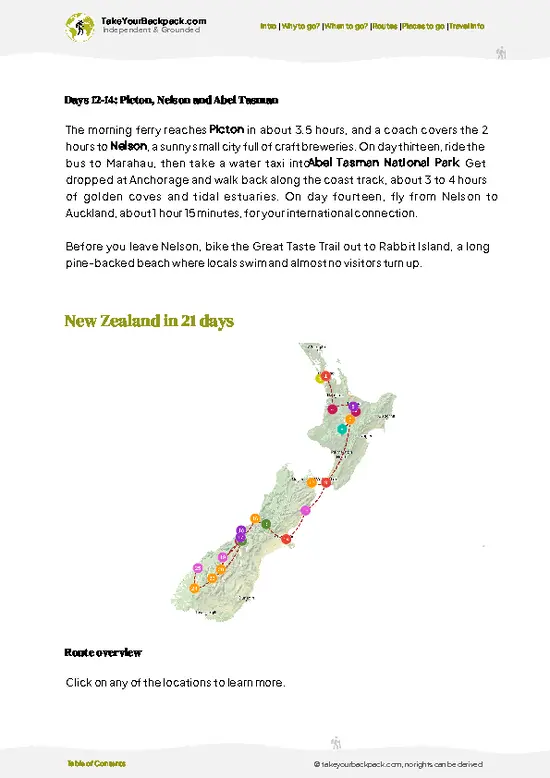
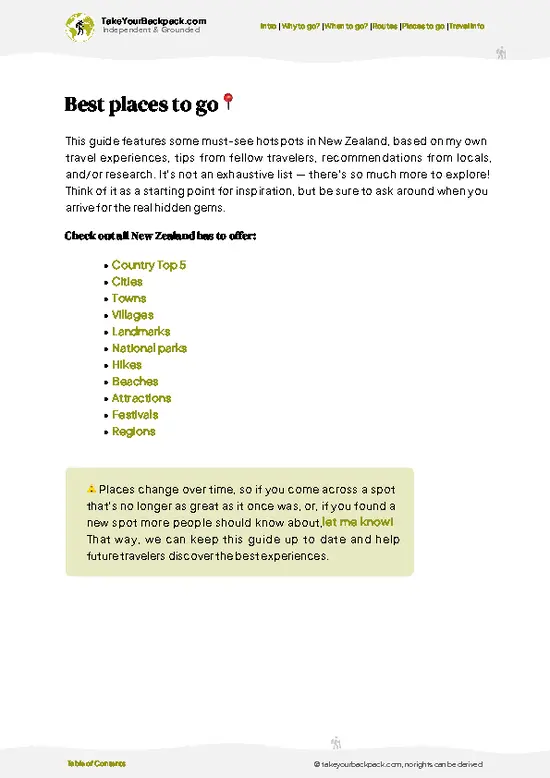
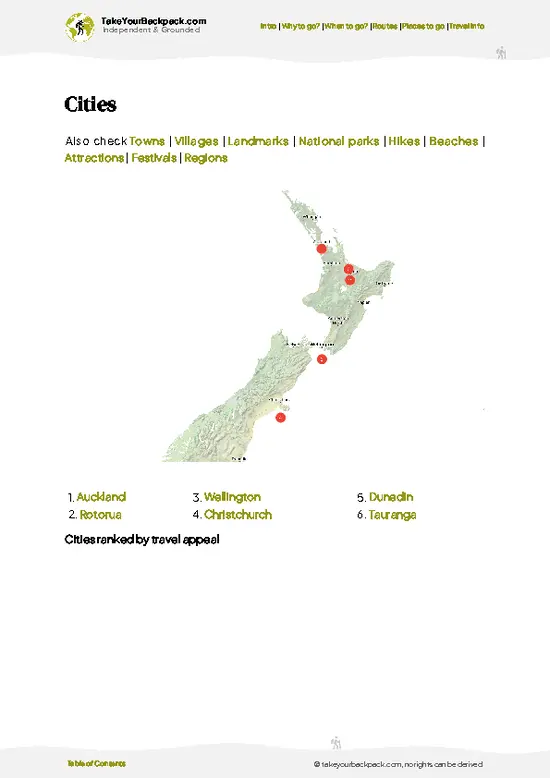
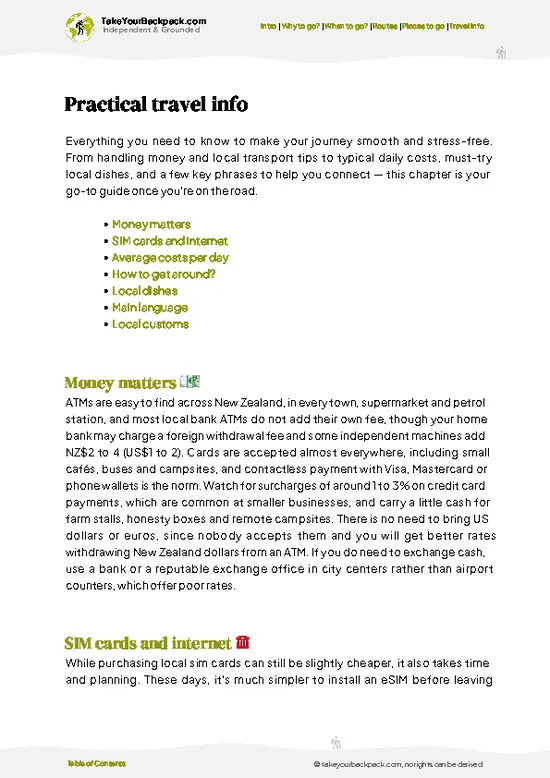
×

New Zealand🇳🇿 | beachesNinety Mile BeachBeach highway, Te Paki dunes, Cape Reinga, tide-timed tours | things to do and best time to go

Explore Karekare BeachExplore Piha Beach

Backpacking in Ninety Mile Beach
🌟 Highlightbeach ranked #10
By Johan Kruseman 🇳🇱 | Updated October 15, 2026

Tour buses drive the hard-packed sand at low tide, and the beach is legally a public highway, so road rules apply. Ninety Mile Beach runs along the west coast of the Far North in New Zealand, and it is actually about 88 kilometers long. The sand is wide, pale and nearly empty, and the dunes at the southern end are worth your time. The swimming is not: rips and heavy surf make it a place to look at, not to wade in. Facilities are thin, so plan your food. I bought a hot meat pie at a roadside café near Waipapakauri for about NZ$7 (US$4), and eating it on the tailgate beat any sit-down lunch. Skip driving your rental car on the sand, since most agreements forbid it. A first day could mean a morning tour to Te Paki, sandboarding, then a late-afternoon walk as the tide drops.

Discover everything you want to know in the 📖 New Zealand Travel Guide.


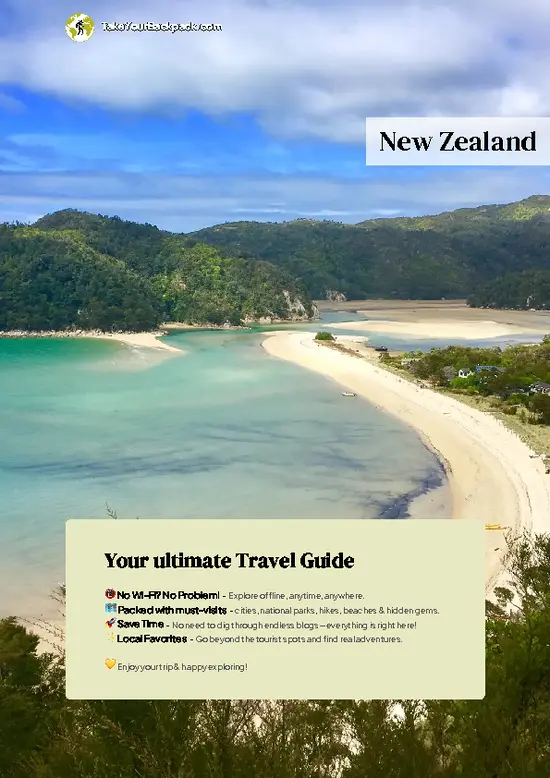
example page 0 from our offline Travel Guide for New Zealand
example page 1 from our offline Travel Guide for New Zealand
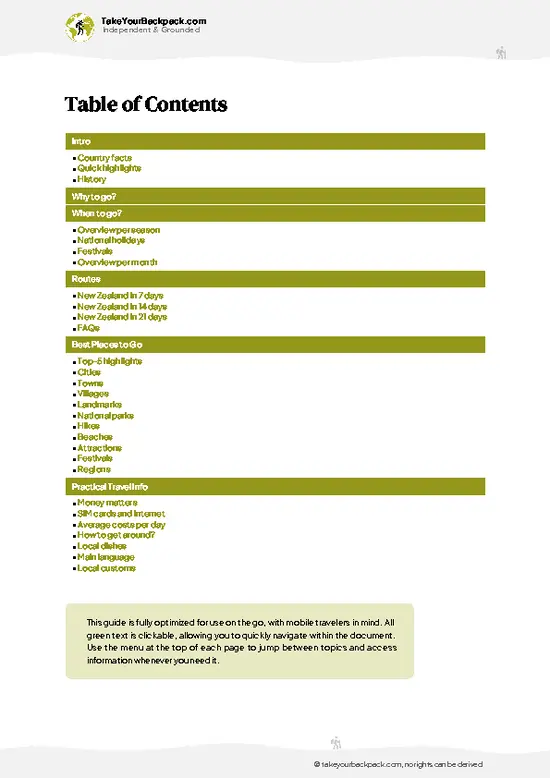
example page 2 from our offline Travel Guide for New Zealand
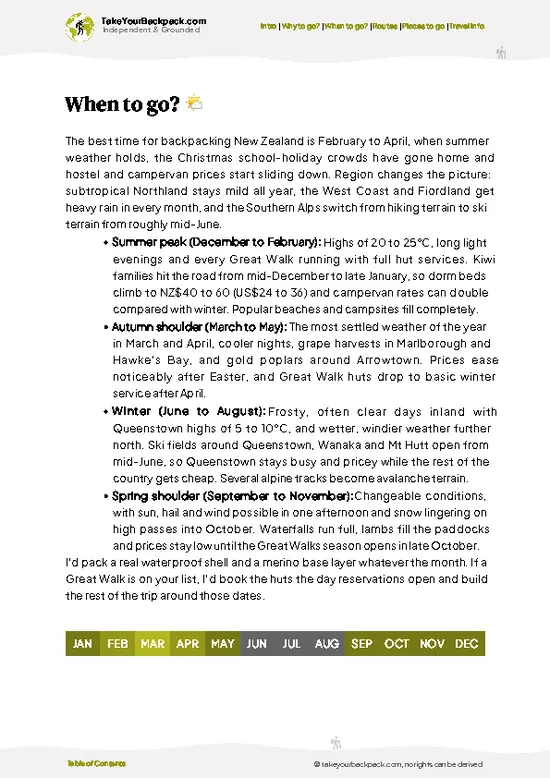
example page 3 from our offline Travel Guide for New Zealand
example page 4 from our offline Travel Guide for New Zealand
example page 5 from our offline Travel Guide for New Zealand
example page 6 from our offline Travel Guide for New Zealand
example page 7 from our offline Travel Guide for New Zealand
Loading the map 🌍
CLICK TO FILTER
cities
towns
villages
landmarks
national parks
hikes
beaches
attractions
festivals
regions
SHOW COUNTRY’S BESTSHOW ALL

✨ Why go?
Ranked #10 beach in New Zealand
What makes it a must-see beach

Backpackers stop here mainly for the Te Paki Stream dunes, where you can ride a boogie board down steep sand slopes that run to the stream bed. Rental boards are cheap and the climb back up is the real workout, so expect burning thighs and a lot of laughing. The second reason is the road north. Ninety Mile Beach is the long, wild approach to Cape Reinga, and the most budget-friendly way to cover it is a bus tour that drives the sand one way and returns on the highway. That gives you the dunes, the lighthouse and the beach in one long day without a car. Sleeping options sit at the southern end near Ahipara and in the small settlements along the highway, so you can use the beach as a break between the Bay of Islands and the tip of the country. Bring your own groceries, because shops are sparse.

💡 HighlightsWhat this place is best known for

  1. Driving or riding the beach at low tide: This is the famous experience. A gazetted highway of firm, wet sand stretches ahead for kilometers, and a guided bus is the safe way to do it because the driver reads the tides and the soft patches.
  2. Te Paki sand dunes: Giant dunes rise beside Te Paki Stream. Rent a board, climb for several minutes, then slide down in seconds. Rental is usually around NZ$15 to 20 (US$9 to 12).
  3. Cape Reinga Lighthouse: At the northern end of the route, a short, easy walk leads to a white lighthouse on a headland where the Tasman Sea and Pacific Ocean meet. Māori believe spirits depart from here.
  4. Ahipara and the southern end: The beach starts here with long views north, surf, and a walk along the sand. It is a calmer, more local start than the tour stops.
  5. Toheroa and shellfish
… read more 👉
  1. Driving or riding the beach at low tide: This is the famous experience. A gazetted highway of firm, wet sand stretches ahead for kilometers, and a guided bus is the safe way to do it because the driver reads the tides and the soft patches.
  2. Te Paki sand dunes: Giant dunes rise beside Te Paki Stream. Rent a board, climb for several minutes, then slide down in seconds. Rental is usually around NZ$15 to 20 (US$9 to 12).
  3. Cape Reinga Lighthouse: At the northern end of the route, a short, easy walk leads to a white lighthouse on a headland where the Tasman Sea and Pacific Ocean meet. Māori believe spirits depart from here.
  4. Ahipara and the southern end: The beach starts here with long views north, surf, and a walk along the sand. It is a calmer, more local start than the tour stops.
  5. Toheroa and shellfish tradition: The beach has a long history of harvesting shellfish, though toheroa are protected, so look at the shoreline life and the bird flocks rather than gathering anything.
For a first visit, the Te Paki sand dunes are the one stop to prioritize, because they give you the most fun for little money.
Spotted a mistake or missing something? Contact us.

🌤️ When to go?Seasonal considerations and timing

  • Summer (December to February): Days run 20 to 25°C (68 to 77°F) with light until about 9 pm, and this is when the tour buses and campervans fill Ahipara and Waipapakauri. Accommodation costs the most and needs booking ahead around Christmas.
  • Autumn (March to May): Highs of 18 to 22°C (64 to 72°F), settled spells, calmer roads and lower prices.
  • Winter (June to August): 12 to 16°C (54 to 61°F), regular rain and wind, daylight from roughly 7:15 am to 5 pm. The sand is empty and beds are cheapest, but tide-dependent driving feels gloomier.
  • Spring (September to November): 15 to 20°C (59 to 68°F), gusty, with prices climbing again.
Check the tide table first: low tide, ideally two hours either side, decides when you can use the sand.

source: climatestotravel.comJANJanuary: highly recommended for travelingFEBFebruary: highly recommended for travelingMARMarch: highly recommended for travelingAPRApril: good for travelingMAYMay: fair for travelingJUNJune: below average for travelingJULJuly: below average for travelingAUGAugust: fair for travelingSEPSeptember: good for travelingOCTOctober: highly recommended for travelingNOVNovember: highly recommended for travelingDECDecember: highly recommended for traveling
new-zealand-beach-ninety-mile-beach
© Google | Fanny L.

✈️ The backpacker research shortcutNew Zealand Travel Guide

An offline-friendly backpacking guide with optimized travel routes, ranked highlights, transport advice, and the best areas to stay.
example page 0 from our offline Travel Guide for New Zealand
example page 1 from our offline Travel Guide for New Zealand
example page 2 from our offline Travel Guide for New Zealand
example page 3 from our offline Travel Guide for New Zealand
example page 4 from our offline Travel Guide for New Zealand
example page 5 from our offline Travel Guide for New Zealand
example page 6 from our offline Travel Guide for New Zealand
example page 7 from our offline Travel Guide for New Zealand
The digital guide (327 pages) contains:
✅ 110 highlights, ranked by travel appeal
✅ Optimized 7, 14 & 21-day travel routes
✅ Cities, national parks, landmarks, beaches
✅ How to get around
✅ Offline-friendly for travel without Wi-Fi
👉 Click to see all 30+ guide features

📅 Plan smarter in minutes, not weeks
✅ Month by month travel advice
✅ Festivals & national holidays
✅ Budget expectations

🗺️ Go to the right places, skip the overrated ones
✅ Honest pros & cons of destinations
✅ Top hikes, parks & viewpoints
✅ Lesser-known places most travelers miss
✅ Clear “worth it vs skip it” guidance

🛏️ Travel smoothly without rookie mistakes
✅ Best areas to stay
✅ Transport systems explained simply
✅ Common scams & safety advice
✅ SIM cards, money & practical tips

🌍 Understand the country, not just visit it
✅ Culture & traditions
✅ Local customs
✅ Festivals worth planning around
✅ Traveler-friendly historical context
✅ Insights that make places more meaningful

📱 Built for real travel conditions
✅ Fully downloadable PDF
✅ Works completely offline
✅ Optimized for phone use
✅ Useful in remote areas & buses
✅ Everything in one place
Stop searching, start planning
Get instant access to your full guide. 30‑day money-back guarantee.
+ Add another guide for just

By proceeding you agree to our terms.
Sent to your inbox immediately after payment • 100% Secure Checkout
Best Backpacking Travel Advisor 2025 tourism awardBest Backpacking
Travel Advisor
2025
What others say about Take Your Backpack Guides:
⭐⭐⭐⭐⭐
Fantastic, amazing amount of information!
⭐⭐⭐⭐⭐
My goodness this is amazing, it's what I've been looking for hats off too you!
⭐⭐⭐⭐⭐
I think this is absolutely BRILLIANT
⭐⭐⭐⭐
Very complete and informative. It's still missing places, but I gotta to commend you
⭐⭐⭐⭐⭐
This is truly amazing, thank you, can't wait to explore it with my kids!
⭐⭐⭐⭐⭐
Awesome resource, thank you!
⭐⭐⭐⭐⭐
This is amazing! Can't wait to explore the ones I haven't seen
⭐⭐⭐⭐
I love this! Well done, great idea.
⭐⭐⭐⭐⭐
Thanks for taking the time to make this gem!
⭐⭐⭐⭐⭐
This might be the best website I've ever seen.
⭐⭐⭐⭐⭐
Congratulations, and thank you so much for your work; it's incredibly valuable.
⭐⭐⭐⭐
In all seriousness I think you did a great job pointing out the important spots
⭐⭐⭐⭐⭐
10/10 very good
⭐⭐⭐⭐⭐
As someone who's only just starting to visit regularly this is awesome, thank you.
⭐⭐⭐⭐
Thank you very much! I'm going to visit my dad, it's going to be very useful!
⭐⭐⭐⭐⭐
This is really cool! We'll be travelling for the first time and this definitely come in handy.
⭐⭐⭐⭐⭐
You are now our minister of culture, congratulations 👨‍💼
⭐⭐⭐⭐⭐
Just wanted to tell you that this is a pearl! Going to follow your recommendations.
⭐⭐⭐⭐⭐
This is so cool. I'll definitely be using the resource for my travels soon.
⭐⭐⭐⭐⭐
This is very impressive! Good work.
⭐⭐⭐⭐⭐
This is an amazing and informative site. Very well done!

🛏️ Where to stay?Choosing the right base

Ahipara at the southern end is the best base for backpackers, with a surf-town feel, a small cluster of hostels and holiday parks, a shop, a cafe and a takeaway, and sandy access to the start of the beach. Expect dorm beds around NZ$35 to 50 and camping or campervan sites around NZ$20 to 35 per person. It is also where the sunset dune and surf lessons are easiest to arrange. Kaitaia, about 15 minutes inland, has supermarkets, buses to Auckland and Paihia, a handful of budget lodgings and the best chance to meet other travelers heading north. Just north of Kaitaia, Waipapakauri and Awanui have … read more 👉
Ahipara at the southern end is the best base for backpackers, with a surf-town feel, a small cluster of hostels and holiday parks, a shop, a cafe and a takeaway, and sandy access to the start of the beach. Expect dorm beds around NZ$35 to 50 and camping or campervan sites around NZ$20 to 35 per person. It is also where the sunset dune and surf lessons are easiest to arrange. Kaitaia, about 15 minutes inland, has supermarkets, buses to Auckland and Paihia, a handful of budget lodgings and the best chance to meet other travelers heading north. Just north of Kaitaia, Waipapakauri and Awanui have motels and holiday parks along the highway, mainly useful if you have a vehicle and want a quiet night. Further north, Houhora and Pukenui suit anglers and campers. Book ahead from late December to January, since the small towns have few beds, and fill up on food and fuel before settling in.

🛡️ SafetySafety Tips and Common Scams in Ninety Mile Beach

The main danger here is the road-like sand, not the surf. Ninety Mile Beach is legally a public highway, so cars drive at speed and tourist rental vehicles are not permitted to be driven on it. Walk on the dry side, stay alert and never park near the tide line, since soft wet sand and incoming tides swallow vehicles every year. Swimming is risky: the surf is heavy, rips are common and there are no patrols along most of the beach, so swim only where locals do, close to Ahipara or Waipapakauri, at low to mid tide. Sun exposure is strong with little shade, and the wind picks up in the afternoon. Leave nothing visible in a parked car at beach access points.

FAQCommon questions from travelers

Ninety Mile Beach is reached by road from Kaitaia, which is about 15 minutes from Ahipara at the southern end and about 10 minutes from Waipapakauri Beach access. Kaitaia is roughly 5 to 6 hours by car from Auckland, and InterCity buses run daily. Many travelers take a bus tour from Paihia or Kerikeri, about 6 to 10 hours round trip, which includes sand driving to Cape Reinga.
Swimming is possible but not recommended in most places because of strong rips, heavy surf and no lifeguards, so stay close to Ahipara and Waipapakauri at low tide. Surfing is the better use of the water, with Ahipara known for its long left-hand break at Shipwreck Bay and lessons available for around NZ$100 to 140. Snorkeling is poor because the water is churned up, though rock pools near Ahipara are more sheltered.
Yes, there is no charge to walk or drive onto the beach, and parking at access points is free. Costs come from tours, which typically run NZ$150 to 250 per person, or from fuel and accommodation nearby. Rental cars are almost always prohibited from driving on the sand, so use a tour or walk.
⚠️ Things can change over time, so always validate details locally before you go.

Other New Zealander beaches near Ninety Mile Beach

Explore more nearby:

  • Tapotupotu Bay—Stream-crossed sand, grassy campground, Cape Reinga trail, dark sky| 37 km away
  • Maitai Bay—Free DOC camping, reef snorkeling, headland track, pā earthworks| 46 km away
  • Bethells Beach—Black sand, Tasman surf, Lake Wainamu, Ihumoana Rock| 278 km away

💡 Not sure where to go next?
Create a personalized itinerary for New Zealand including Ninety Mile Beach and the places that fit your trip.

Generate my itinerary

👉 Discover all beaches

Or checkout all New Zealand has to offer (think cities, towns, villages, national parks, hikes, beaches, festivals)
Country photo of New Zealand

We 💚 feedbackFinal thoughts on visiting Ninety Mile Beach

Go on a clear day in summer and time your sand stretch for the two hours either side of low tide, when the surface is firm and the light turns golden late in the afternoon. I would book a guided trip and skip the rental car. Bring snacks and sunscreen.

✈️ When did I visit New Zealand?
All the way back in high school I have been visiting the North Island of New Zealand (1993).

✍️ Help improve this page!
The information on this page is based on my own backpacking experience in New Zealand, supplemented with up-to-date research and feedback from other travelers. Travel details can change, so if you notice anything outdated or incomplete, feel free to let me know.


🙋‍♂️ Give feedback

👋 Meet the founderWho’s Behind Take Your Backpack?

Johan, backpacker and founder of TakeYourBackpackHi, I’m Johan (Netherlands 🇳🇱), the creator of TakeYourBackpack. Over the past 3 decades, I’ve backpacked through 90+ countries across six continents, gaining extensive experience with independent travel, long-term trips, and overland routes.

This site is built on a combination of firsthand travel experience and carefully curated insights from other backpackers. Many guides are based on places I’ve personally visited, while others bring together tips, observations, and practical advice shared by trusted travelers I’ve met along the way.

The goal is to provide realistic, experience-driven guidance — not generic itineraries — so you can explore destinations with better context, clearer expectations, and more confidence.