×

New Zealand🇳🇿 | citiesWellingtonHarbour hills, creative precincts, national museum, wind-swept waterfront | things to do and best time to go

Explore ChristchurchExplore Dunedin

Backpacking in Wellington
🌟 Highlightcity ranked #3
By Johan Kruseman 🇳🇱 | Updated June 5, 2026

You land in Wellington and hit your first real fork: do you burn half a day and a chunk of cash riding the cable car, lingering in Te Papa, and bar-hopping on Courtenay Place… or sprint through the city in a few hours to catch that cheaper afternoon ferry to the South Island? That choice matters because Wellington, at the bottom of New Zealand’s North Island, is both a transit hub and a destination, and how you treat it changes your whole route. I like Wellington for backpackers: compact, walkable, easy buses, and a social core around Cuba Street where it’s simple to meet people over craft beer or hostel kitchen pasta. It’s pricier than smaller North Island towns but safer and more relaxed than Auckland’s chaos, with real culture: Te Papa, Parliament, the waterfront, and a creative, slightly nerdy vibe that rewards anyone who slows down for 24–48 hours.

Discover everything you want to know in the 📖 New Zealand Travel Guide.
Loading the map 🌍
CLICK TO FILTER
cities
towns
villages
landmarks
national parks
hikes
beaches
attractions
festivals
regions
SHOW COUNTRY’S BESTSHOW ALL

✨ Why go?
Ranked #3 city in New Zealand
Why visitors keep coming back

Wellington is a backpacker’s paradise that offers a unique blend of highlights and practicality. First off, it’s a basecamp for day trips to stunning landscapes, making it easy to explore beyond the city. The walkability of Wellington means you can easily navigate its vibrant streets, from the waterfront to the bustling Cuba Street, all while soaking in the local culture.

When it comes to accommodation, hostels here are not just affordable; they’re social hubs where you can meet fellow travelers and share stories over a cup of coffee. The food scene is diverse and budget-friendly, with plenty of options that won’t break the bank.

As for nightlife, the city pulses with energy, offering everything from cozy pubs to lively bars, perfect for unwinding after a day of exploration. Plus, Wellington’s … read more 👉
Wellington is a backpacker’s paradise that offers a unique blend of highlights and practicality. First off, it’s a basecamp for day trips to stunning landscapes, making it easy to explore beyond the city. The walkability of Wellington means you can easily navigate its vibrant streets, from the waterfront to the bustling Cuba Street, all while soaking in the local culture.

When it comes to accommodation, hostels here are not just affordable; they’re social hubs where you can meet fellow travelers and share stories over a cup of coffee. The food scene is diverse and budget-friendly, with plenty of options that won’t break the bank.

As for nightlife, the city pulses with energy, offering everything from cozy pubs to lively bars, perfect for unwinding after a day of exploration. Plus, Wellington’s transport links make onward travel a breeze, whether you’re heading to the South Island or other parts of New Zealand.

In short, if you’re looking for a city that balances adventure with comfort, Wellington is more than just a stop; it’s a strategic part of your backpacking journey.
Want to include Wellington in your New Zealand route?
Create a personalized New Zealand itinerary that includes Wellington and the places that fit your trip — based on your travel style, budget, and available time. Get your route in seconds.

Generate my trip

💡 HighlightsPlaces and moments you shouldn't skip

  • Te Papa Tongarewa (Museum of New Zealand) — A hands-on national museum that fuses Māori taonga, natural history and contemporary Kiwi stories; the interactive exhibits (and the earthquake house) make it worth more than one visit.
  • Wellington Cable Car & Kelburn Lookout — The short, charming funicular ride climbs from Lambton Quay to leafy Kelburn for instant skyline and harbour views, a small museum about the car, and easy access to walking tracks into the Botanic Garden.
  • Wellington Botanic Garden — A peaceful mix of native forest, formal gardens and the Victorian Begonia House; perfect for a picnic, a wander, and spotting tui and bellbirds in the city.
  • Mount Victoria Lookout — A short walk up from the CBD delivers sweeping views over the harbour and city; great at sunrise or sunset and
read more 👉
  • Te Papa Tongarewa (Museum of New Zealand) — A hands-on national museum that fuses Māori taonga, natural history and contemporary Kiwi stories; the interactive exhibits (and the earthquake house) make it worth more than one visit.
  • Wellington Cable Car & Kelburn Lookout — The short, charming funicular ride climbs from Lambton Quay to leafy Kelburn for instant skyline and harbour views, a small museum about the car, and easy access to walking tracks into the Botanic Garden.
  • Wellington Botanic Garden — A peaceful mix of native forest, formal gardens and the Victorian Begonia House; perfect for a picnic, a wander, and spotting tui and bellbirds in the city.
  • Mount Victoria Lookout — A short walk up from the CBD delivers sweeping views over the harbour and city; great at sunrise or sunset and you can explore the surrounding bush tracks once you’ve soaked in the panorama.
  • Zealandia (Karori Wildlife Sanctuary) — A predator-proof ecosanctuary inside the city boundaries where you can see rare native birds (kākā, kākāriki, takahē on special tours) and experience restored native bush — night tours are a highlight.
  • Weta Workshop (Weta Cave & Tours) — Hands-on, behind-the-scenes tours of the practical-effects studio that worked on many international films; the displays and demonstrations are fascinating even if you’re not a movie buff.
  • Cuba Street & Cuba Mall — The city’s creative, slightly anarchic heart: thrift shops, indie cafés, street performers and the famous Bucket Fountain — pure Wellington character and great people-watching.
  • Old St Paul’s — A beautifully preserved 19th-century wooden church with intricate timberwork and stained glass; it’s surprisingly intimate and atmospheric compared to more modern civic spaces nearby.
  • Parliament Buildings & The Beehive — Walk the grounds, see the distinctive Beehive architecture and join a free tour of New Zealand’s political heart to get a feel for the country’s democratic traditions.
  • Wellington Waterfront (Frank Kitts Park, Queens Wharf, promenades) — A lively stretch for walking, public art, markets, cafés and occasional festivals; it’s the city’s meeting place where harbour life and urban culture collide.
Nearby day-trip highlights include Kapiti Island Nature Reserve for wildlife and guided walks, the Martinborough wine region for vineyards and tasting rooms, and the rugged south coast around Red Rocks/Pencarrow Lighthouse for coastal walks and seal spotting.
Spotted a mistake or missing something? Contact us.

Things to do in Wellington

Ratings based on Tripadvisor reviews. When you book through this link, you support our work at no extra cost to you.

🏘️ NeighborhoodsKey areas and districts to know

Wellington is a compact city that packs a punch, making it a playground for backpackers. Each neighborhood has its own flavor, so let’s break down where to land based on your priorities.

Te Aro: This is the heart of Wellington’s cultural scene. You’ll find a mix of cafes, street art, and the famous Cuba Street. It’s walkable, buzzing with nightlife, and perfect for short stays. Expect mid-range prices, but the energy is worth it.

Mount Victoria: If you crave stunning views and a quieter vibe, this is your spot. It’s a residential area with easy access to trails and parks. While it’s a bit removed from the nightlife, you can still walk to the city center. Ideal for longer stays, with a more relaxed pace and lower accommodation costs.

Wellington Waterfront: This area is all about the scenic … read more 👉
Wellington is a compact city that packs a punch, making it a playground for backpackers. Each neighborhood has its own flavor, so let’s break down where to land based on your priorities.

Te Aro: This is the heart of Wellington’s cultural scene. You’ll find a mix of cafes, street art, and the famous Cuba Street. It’s walkable, buzzing with nightlife, and perfect for short stays. Expect mid-range prices, but the energy is worth it.

Mount Victoria: If you crave stunning views and a quieter vibe, this is your spot. It’s a residential area with easy access to trails and parks. While it’s a bit removed from the nightlife, you can still walk to the city center. Ideal for longer stays, with a more relaxed pace and lower accommodation costs.

Wellington Waterfront: This area is all about the scenic strolls and waterfront dining. It’s tourist-friendly, with plenty of transport options. The vibe is lively during the day, but it quiets down at night. Great for short visits, especially if you want to soak up the sun and enjoy local eateries.

Thorndon: A historic neighborhood with a mix of charm and practicality. It’s close to the Parliament buildings and offers a quieter atmosphere. Accommodation can be pricier, but it’s walkable to the city center. Perfect for those who appreciate a blend of culture and comfort, making it suitable for longer stays.

Each area has its trade-offs, so choose wisely based on what fuels your adventure!

⌛️ 1 dayHow to make the most of one day

Wellington, the capital of New Zealand, is a city that thrives on its unique blend of culture, coffee, and coastal charm. Nestled between rolling hills and a stunning harbor, it’s a place where art meets nature, and every corner has a story to tell.

Start your day in the vibrant Cuba Street, known for its eclectic vibe and colorful shops. Grab a flat white at one of the local cafés—Wellingtonians take their coffee seriously. I once stumbled into a tiny spot called “The Hangar,” where the barista not only served a mean brew but also shared tales of the city’s quirky history. After your caffeine fix, wander through the nearby Te Aro Park, where you can soak in the morning sun and watch the city wake up.

As the day unfolds, make your way to the waterfront. The Te Papa Tongarewa museum is a … read more 👉
Wellington, the capital of New Zealand, is a city that thrives on its unique blend of culture, coffee, and coastal charm. Nestled between rolling hills and a stunning harbor, it’s a place where art meets nature, and every corner has a story to tell.

Start your day in the vibrant Cuba Street, known for its eclectic vibe and colorful shops. Grab a flat white at one of the local cafés—Wellingtonians take their coffee seriously. I once stumbled into a tiny spot called “The Hangar,” where the barista not only served a mean brew but also shared tales of the city’s quirky history. After your caffeine fix, wander through the nearby Te Aro Park, where you can soak in the morning sun and watch the city wake up.

As the day unfolds, make your way to the waterfront. The Te Papa Tongarewa museum is a must-visit, showcasing New Zealand’s rich heritage. It’s free, which is a bonus, and you can easily lose track of time exploring its interactive exhibits. If you’re feeling adventurous, take a short walk to the Oriental Bay. The beach is perfect for a leisurely stroll, and you might even spot some locals jogging or cycling along the path.

For lunch, head to the less touristy yet charming neighborhood of Newtown. Here, you’ll find a variety of eateries, from vegan delights to hearty meat pies. I recommend “The Ramen Shop” for a quick, satisfying bowl that’ll fuel your afternoon explorations.

As evening approaches, return to the city center and take the cable car up to the Kelburn lookout. The panoramic views of the city at sunset are breathtaking. Afterward, descend into the vibrant nightlife of Courtenay Place, where you can find everything from cozy pubs to lively bars.

Wellington is a city that invites you to linger, and even in just one day, you can experience its heart and soul. Embrace the rhythm of the city, and you’ll leave with memories that linger long after your visit.
Turn your Wellington visit into an New Zealand adventure
Build a complete New Zealand route with Wellington, hidden gems, must-see destinations, and realistic travel times included.

Generate my trip

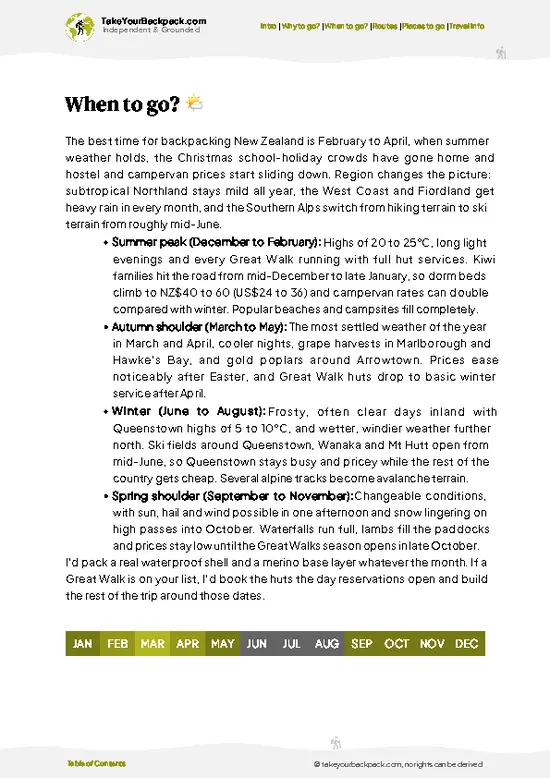
🌤️ When to go?Seasonal considerations and timing


  • Weather: Wellington’s weather is famously changeable, but the best window is late spring to early autumn (November to March). Expect mild, often sunny days with temperatures ranging from 15°C to 25°C (59°F to 77°F). Winter months (June to August) bring chillier temps and more rain, which can dampen outdoor plans.

  • Temperature: Summer peaks around 22-25°C (72-77°F), perfect for hiking and waterfront strolls. Spring and autumn hover around 15-20°C (59-68°F), comfortable but with a jacket handy for the wind. Winter dips to 6-12°C (43-54°F), less ideal for backpackers craving warmth.

  • Daylight Hours: Long summer days stretch up to 15 hours, giving you more daylight to explore. Winter shrinks daylight to about 9 hours, which can compress your sightseeing and hiking time.

  • Crowds: Peak tourist
read more 👉

  • Weather: Wellington’s weather is famously changeable, but the best window is late spring to early autumn (November to March). Expect mild, often sunny days with temperatures ranging from 15°C to 25°C (59°F to 77°F). Winter months (June to August) bring chillier temps and more rain, which can dampen outdoor plans.

  • Temperature: Summer peaks around 22-25°C (72-77°F), perfect for hiking and waterfront strolls. Spring and autumn hover around 15-20°C (59-68°F), comfortable but with a jacket handy for the wind. Winter dips to 6-12°C (43-54°F), less ideal for backpackers craving warmth.

  • Daylight Hours: Long summer days stretch up to 15 hours, giving you more daylight to explore. Winter shrinks daylight to about 9 hours, which can compress your sightseeing and hiking time.

  • Crowds: Peak tourist season hits in December and January, especially around the holidays. If you want fewer people, aim for shoulder seasons—late spring (November) or early autumn (March)—when the vibe is lively but not packed.

  • Seasonal Activities: Summer brings outdoor festivals, beach days, and vibrant nightlife. Spring and autumn offer wildflower blooms and quieter trails. Winter is great for indoor cultural experiences but less so for outdoor adventures.

  • Price Fluctuations: Accommodation and flights spike in summer and around Christmas/New Year. Shoulder seasons offer better deals without sacrificing too much on weather or activities.


Pro-tip: Target November or March for the smartest balance—pleasant weather, manageable crowds, and wallet-friendly prices. You’ll feel like you cracked Wellington’s code.


source: climatestotravel.comJANJanuary: highly recommended for travelingFEBFebruary: highly recommended for travelingMARMarch: excellent for travelingAPRApril: good for travelingMAYMay: good for travelingJUNJune: fair for travelingJULJuly: fair for travelingAUGAugust: fair for travelingSEPSeptember: good for travelingOCTOctober: good for travelingNOVNovember: excellent for travelingDECDecember: highly recommended for traveling
new-zealand-city-wellington
© Google | Tom Huthwaite

✈️ The backpacker research shortcutNew Zealand Travel Guide

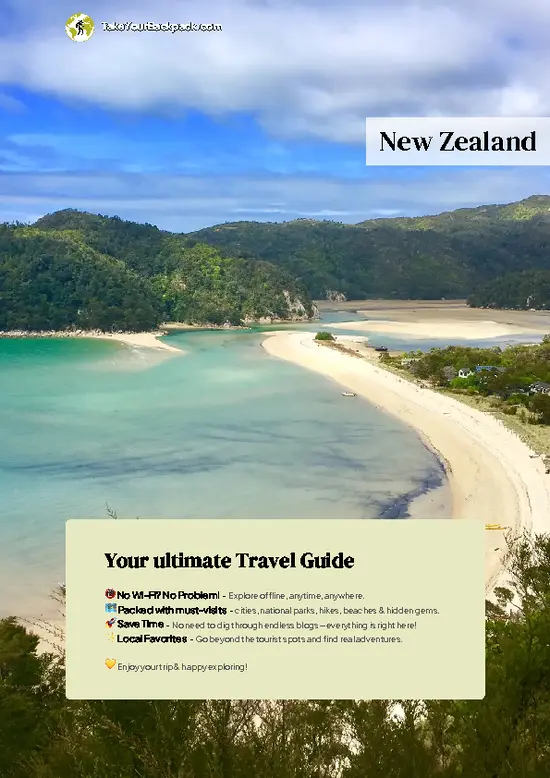
An offline-friendly backpacking guide with optimized travel routes, ranked highlights, transport advice, and the best areas to stay.
example page 0 from our offline Travel Guide for New Zealand
example page 1 from our offline Travel Guide for New Zealand
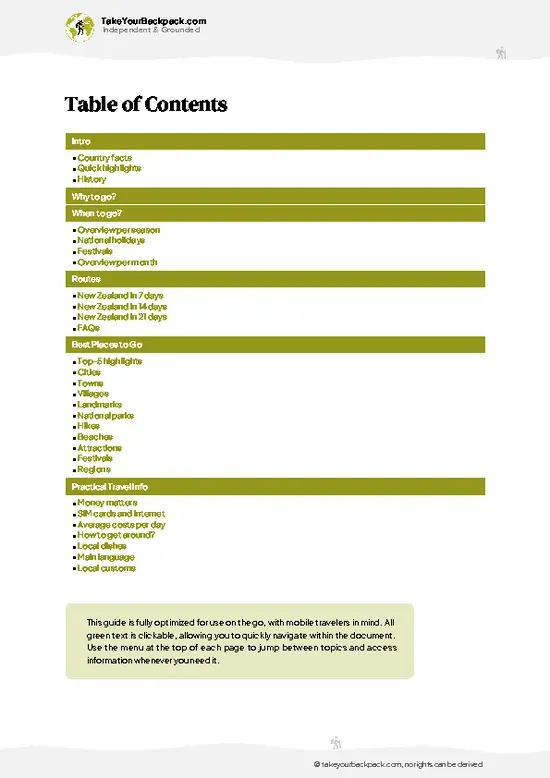
example page 2 from our offline Travel Guide for New Zealand
example page 3 from our offline Travel Guide for New Zealand
example page 4 from our offline Travel Guide for New Zealand
example page 5 from our offline Travel Guide for New Zealand
example page 6 from our offline Travel Guide for New Zealand
example page 7 from our offline Travel Guide for New Zealand
The digital guide (412 pages) contains:
113 highlights, ranked by travel appeal
Optimized 7, 14 & 21-day travel routes
Cities, national parks, landmarks, beaches
How to get around
Offline-friendly for travel without Wi-Fi
👉 Click to see all 30+ guide features

📅 Plan smarter in minutes, not weeks
Month by month travel advice
Festivals & national holidays
Budget expectations

🗺️ Go to the right places, skip the overrated ones
Honest pros & cons of destinations
Top hikes, parks & viewpoints
Lesser-known places most travelers miss
Clear “worth it vs skip it” guidance

🛏️ Travel smoothly without rookie mistakes
Best areas to stay
Transport systems explained simply
Common scams & safety advice
SIM cards, money & practical tips

🌍 Understand the country, not just visit it
Culture & traditions
Local customs
Festivals worth planning around
Traveler-friendly historical context
Insights that make places more meaningful

📱 Built for real travel conditions
Fully downloadable PDF
Works completely offline
Optimized for phone use
Useful in remote areas & buses
Everything in one place
Save weeks of stressful planning
Get instant access to your full guide. 30‑day money-back guarantee.


By proceeding you agree to our terms.
Sent to your inbox immediately after payment • 100% Secure Checkout
Best Backpacking Travel Advisor 2025 tourism awardBest Backpacking
Travel Advisor
2025
What others say about Take Your Backpack Guides:
⭐⭐⭐⭐⭐
Fantastic, amazing amount of information!
⭐⭐⭐⭐⭐
My goodness this is amazing, it's what I've been looking for hats off too you!
⭐⭐⭐⭐⭐
I think this is absolutely BRILLIANT
⭐⭐⭐⭐
Very complete and informative. It's still missing places, but I gotta to commend you
⭐⭐⭐⭐⭐
This is truly amazing, thank you, can't wait to explore it with my kids!
⭐⭐⭐⭐⭐
Awesome resource, thank you!
⭐⭐⭐⭐⭐
This is amazing! Can't wait to explore the ones I haven't seen
⭐⭐⭐⭐
I love this! Well done, great idea.
⭐⭐⭐⭐⭐
Thanks for taking the time to make this gem!
⭐⭐⭐⭐⭐
This might be the best website I've ever seen.
⭐⭐⭐⭐⭐
Congratulations, and thank you so much for your work; it's incredibly valuable.
⭐⭐⭐⭐
In all seriousness I think you did a great job pointing out the important spots
⭐⭐⭐⭐⭐
10/10 very good
⭐⭐⭐⭐⭐
As someone who's only just starting to visit regularly this is awesome, thank you.
⭐⭐⭐⭐
Thank you very much! I'm going to visit my dad, it's going to be very useful!
⭐⭐⭐⭐⭐
This is really cool! We'll be travelling for the first time and this definitely come in handy.
⭐⭐⭐⭐⭐
You are now our minister of culture, congratulations 👨‍💼
⭐⭐⭐⭐⭐
Just wanted to tell you that this is a pearl! Going to follow your recommendations.
⭐⭐⭐⭐⭐
This is so cool. I'll definitely be using the resource for my travels soon.
⭐⭐⭐⭐⭐
This is very impressive! Good work.
⭐⭐⭐⭐⭐
This is an amazing and informative site. Very well done!

🛏️ Where to stay?Best areas to stay in New Zealand

Wellington’s backpacker sweet spot is the central city, especially around Te Aro. This neighborhood nails the balance between safety, social buzz, and budget options. It’s where you’ll find a cluster of hostels packed with solo travelers and small groups, making it easy to plug into the city’s pulse without breaking the bank. The vibe here is lively but not overwhelming—think street art, indie cafes, and late-night eateries that keep the energy going after dark.

Compared to the quieter, more residential Kelburn or the upscale vibes of Thorndon, Te Aro puts you right in the thick of things. You’re … read more 👉
Wellington’s backpacker sweet spot is the central city, especially around Te Aro. This neighborhood nails the balance between safety, social buzz, and budget options. It’s where you’ll find a cluster of hostels packed with solo travelers and small groups, making it easy to plug into the city’s pulse without breaking the bank. The vibe here is lively but not overwhelming—think street art, indie cafes, and late-night eateries that keep the energy going after dark.

Compared to the quieter, more residential Kelburn or the upscale vibes of Thorndon, Te Aro puts you right in the thick of things. You’re a short walk from the waterfront, the main bus hub, and the nightlife, which means less time and money spent on transport. That’s a big win if you want to maximize your experience without sacrificing comfort or safety.

If you push a little east toward Mount Victoria, you get a more laid-back feel with great views and green spaces, but fewer budget stays and less nightlife. For backpackers, that’s a trade-off: quieter comfort versus social convenience. In Wellington, the smartest move is to base yourself where the city’s energy and your budget intersect—Te Aro nails that sweet spot every time.

🚌 Getting aroundHow to get around Wellington

Wellington moves with a rhythm that’s part clockwork, part improvisation. The city’s pulse is shaped by a blend of punctual public transport and the unpredictable charm of its steep hills and windy streets. You’ll find that timing here isn’t just about catching a bus or train on the dot—it’s about reading the flow of people, the weather, and the city’s compact layout. The trade-off between time, money, and comfort is a puzzle you’ll quickly learn to solve, turning every trip into a strategic win rather than a frustrating scramble.


  • Walking: Wellington’s downtown is remarkably walkable, with most attractions clustered within a 20-30 minute stroll. It costs nothing, offers maximum flexibility, and lets you soak in the city’s quirky street art and waterfront views. The trade-off? You’ll expend
read more 👉
Wellington moves with a rhythm that’s part clockwork, part improvisation. The city’s pulse is shaped by a blend of punctual public transport and the unpredictable charm of its steep hills and windy streets. You’ll find that timing here isn’t just about catching a bus or train on the dot—it’s about reading the flow of people, the weather, and the city’s compact layout. The trade-off between time, money, and comfort is a puzzle you’ll quickly learn to solve, turning every trip into a strategic win rather than a frustrating scramble.


  • Walking: Wellington’s downtown is remarkably walkable, with most attractions clustered within a 20-30 minute stroll. It costs nothing, offers maximum flexibility, and lets you soak in the city’s quirky street art and waterfront views. The trade-off? You’ll expend more energy and time, especially if you’re tackling the city’s notorious hills.


  • Metlink Buses: The backbone of Wellington’s public transit, these buses run frequently from early morning (around 5:30 AM) until about midnight. A single trip costs NZD 2.50 to 4.00 with a Snapper card, which you’ll want for convenience and discounts. Buses are generally reliable but can slow down during peak hours or in bad weather. Comfort is basic—expect standard seating and occasional crowding—but the network covers the entire metro area, making it the best budget option for longer distances.


  • Wellington Cable Car: More than just a tourist attraction, the cable car is a practical connector between Lambton Quay and the hilltop suburb of Kelburn. It runs every 10-15 minutes from 7 AM to 10 PM. Tickets cost about NZD 5 one way, which is pricier than a bus but offers a unique, scenic ride and saves you a steep uphill walk. Comfort is high, and the speed is brisk for the short distance it covers.


  • Electric Scooters: Scooters have become a popular, flexible way to zip around the central city. They’re available 24/7 via app rental, with costs around NZD 1 to unlock plus NZD 0.30 per minute. Scooters offer a sweet spot between walking and public transit—faster than your feet, cheaper than a taxi, and more fun than a bus. The catch is safety and weather; Wellington’s wind and hills can make scootering a bit of an adventure.


  • InterCity Coaches: For budget travelers planning day trips or arrivals/departures outside the metro area, InterCity buses connect Wellington to other parts of New Zealand. Prices vary widely, but early booking can snag deals as low as NZD 10-15. These coaches prioritize comfort and space over speed, so expect longer travel times but a relaxed ride with onboard amenities like Wi-Fi and toilets.

👛 Costs (as of 21 February 2025)Travel costs and budget guide for Wellington

Backpacking in Wellington, New Zealand, demands a clear-eyed look at where your money goes. Understanding the trade-offs between time, money, and comfort here means knowing the real costs behind each choice.
  • Dorm Accommodation (High Season): Expect to pay around $25 to $40 USD per night in popular hostels during peak months (December to February). These spots fill fast, so booking early can save you both money and stress.
  • Dorm Accommodation (Off-Season): From March to November, prices drop to about $18 to $30 USD. The vibe is quieter, and you might snag a better bed or a hostel with more character for less.
  • Meals: Budget roughly $10 to $20 USD per day if you stick to groceries and occasional street food or casual cafes. Wellington’s food scene is lively but eating out regularly pushes your
read more 👉
Backpacking in Wellington, New Zealand, demands a clear-eyed look at where your money goes. Understanding the trade-offs between time, money, and comfort here means knowing the real costs behind each choice.
  • Dorm Accommodation (High Season): Expect to pay around $25 to $40 USD per night in popular hostels during peak months (December to February). These spots fill fast, so booking early can save you both money and stress.
  • Dorm Accommodation (Off-Season): From March to November, prices drop to about $18 to $30 USD. The vibe is quieter, and you might snag a better bed or a hostel with more character for less.
  • Meals: Budget roughly $10 to $20 USD per day if you stick to groceries and occasional street food or casual cafes. Wellington’s food scene is lively but eating out regularly pushes your budget higher, especially in central areas.
  • Local Transport: Single bus fares hover around $2.50 to $3.50 USD. If you’re hopping on and off, this adds up quickly, so consider your options carefully.
  • City Transport Pass: A daily bus pass costs about $8 to $10 USD, which is a smart move if you plan multiple trips around town. It saves time fumbling for change and gives you freedom to explore without watching the clock.
  • Basic Activities/Entry Fees: Many museums and galleries in Wellington are free or ask for a small donation, but budget $5 to $15 USD for special exhibitions or entry to places like Zealandia or the cable car museum.
  • Miscellaneous Expenses: Factor in around $5 to $10 USD daily for essentials like bottled water, occasional coffee, or small souvenirs. These little costs sneak up if you’re not paying attention.

Add it all up, and you’re looking at a daily budget between $65 and $110 USD for a backpacker who balances comfort with cost. The key trade-off here is between spending more on accommodation during high season or saving on transport with a pass. Knowing these numbers lets you pick your battles—whether that’s splurging on a cozy bed or stretching your legs and wallet with public transport.
⚠️ Prices can change and everyone travels differently, so take this as a rough guide. Hope it helps you plan your adventure!

🚌 Day tripsExploring the surroundings

Wellington is a fantastic launchpad for day trips that pack a punch without draining your wallet or time. Here are some standout options that deliver genuine experiences.

Kapiti Island
Just a 90-minute ferry ride from Wellington, Kapiti Island is a wildlife sanctuary that feels worlds away. You’ll encounter native birds like the kiwi and the takahē, all while soaking in stunning coastal views. The island has a modest entry fee, usually around NZD 20, and you can easily do this trip in a day. Spring and early summer are ideal for birdwatching, but be mindful of ferry schedules—missing one can mean a long wait. Many first-timers underestimate how much time they’ll spend exploring the island’s trails, so plan accordingly.


Martinborough Wine Region
A mere hour’s drive from Wellington, … read more 👉
Wellington is a fantastic launchpad for day trips that pack a punch without draining your wallet or time. Here are some standout options that deliver genuine experiences.

Kapiti Island
Just a 90-minute ferry ride from Wellington, Kapiti Island is a wildlife sanctuary that feels worlds away. You’ll encounter native birds like the kiwi and the takahē, all while soaking in stunning coastal views. The island has a modest entry fee, usually around NZD 20, and you can easily do this trip in a day. Spring and early summer are ideal for birdwatching, but be mindful of ferry schedules—missing one can mean a long wait. Many first-timers underestimate how much time they’ll spend exploring the island’s trails, so plan accordingly.


Martinborough Wine Region
A mere hour’s drive from Wellington, Martinborough is a charming wine village known for its pinot noir. You can rent a bike for about NZD 40 and pedal through vineyards, tasting some of the best wines New Zealand has to offer. The experience is not just about the wine; the scenery is picturesque, with rolling hills and quaint cellar doors. Aim for autumn when the vineyards are ablaze with color. A common mistake is trying to visit too many wineries in one day; pace yourself to truly savor each stop.


Rimutaka Cycle Trail
For those who crave a bit of adventure, the Rimutaka Cycle Trail is a thrilling option. This 115-kilometer trail can be tackled in sections, with the most popular being the ride from Cross Creek to Featherston, taking about 3-4 hours. The trail features stunning views and a mix of terrain, making it a rewarding challenge. Bike rentals are around NZD 50 for the day. Spring and summer are prime times to hit the trail, but be cautious of sudden weather changes in the region. Many first-timers underestimate the trail’s difficulty, so ensure you’re prepared for some uphill stretches.


Castlepoint Beach
About a two-hour drive from Wellington, Castlepoint Beach is a slice of coastal paradise. The iconic lighthouse and rugged cliffs offer fantastic photo ops, and the beach is perfect for a swim or a picnic. The trip costs little more than fuel and snacks, making it budget-friendly. Summer is the best time to visit, but be wary of the strong currents if you plan to swim. A common pitfall is underestimating the time needed to explore the area fully; don’t rush your visit.
👉 Explore Castlepoint Beach

Each of these trips offers a unique taste of New Zealand’s diverse landscapes and experiences, all while keeping your base in Wellington. Choose wisely, and you’ll create memories that last long after the trip is over.
Want to know what more New Zealand offers?
The New Zealand Travel Guide describes 113 highlights, from cities to national parks, from beaches to hikes

Get the Travel Guide -

🍲 FoodLocal Cuisine & Drinks

Wellington’s food scene is a delightful maze of flavors and experiences. Start with the signature dish: the iconic Pie. These flaky pastries, filled with everything from savory lamb to sweet fruit, are a staple. Grab one from a local bakery and enjoy it on the go, soaking in the vibrant street life.

For a taste of the sea, don’t miss Fish and Chips. Freshly caught, crispy, and often served with a side of tangy tartar sauce, it’s a must-try. Head to the waterfront for a casual meal with a view of the harbor.

Wellington is also known for its coffee culture. The city boasts a plethora of cafés where baristas take their craft seriously. Order a flat white, a local favorite, and savor the rich, creamy texture.

When it comes to drinks, the craft beer scene is thriving. Many bars offer a rotating … read more 👉
Wellington’s food scene is a delightful maze of flavors and experiences. Start with the signature dish: the iconic Pie. These flaky pastries, filled with everything from savory lamb to sweet fruit, are a staple. Grab one from a local bakery and enjoy it on the go, soaking in the vibrant street life.

For a taste of the sea, don’t miss Fish and Chips. Freshly caught, crispy, and often served with a side of tangy tartar sauce, it’s a must-try. Head to the waterfront for a casual meal with a view of the harbor.

Wellington is also known for its coffee culture. The city boasts a plethora of cafés where baristas take their craft seriously. Order a flat white, a local favorite, and savor the rich, creamy texture.

When it comes to drinks, the craft beer scene is thriving. Many bars offer a rotating selection of local brews, so don’t hesitate to ask for recommendations. Tasting flights are common, allowing you to sample a variety of flavors.

Etiquette here is relaxed. Feel free to chat with locals; they’re often eager to share their favorite spots. Just remember, in this city, food is more than sustenance—it’s a social experience.

🛡️ SafetyStaying Safe: What Travelers Should Know

Wellington is generally a safe city, but like any urban area, it has its quirks. Stay aware in the central business district after dark, especially around quieter streets. The waterfront is lovely, but it can feel isolated late at night. If you’re solo, consider sticking to well-lit areas and popular spots.

Scams are rare, but be cautious of overly friendly strangers asking for money or help. They might not have malicious intent, but it’s best to keep your distance. Everyday annoyances include the occasional busker who can be a bit persistent. A polite “no, thank you” usually does the trick.

When it comes to carrying yourself, confidence is key. Walk with purpose and keep your belongings secure. A crossbody bag can deter pickpockets, and being aware of your surroundings will help you navigate … read more 👉
Wellington is generally a safe city, but like any urban area, it has its quirks. Stay aware in the central business district after dark, especially around quieter streets. The waterfront is lovely, but it can feel isolated late at night. If you’re solo, consider sticking to well-lit areas and popular spots.

Scams are rare, but be cautious of overly friendly strangers asking for money or help. They might not have malicious intent, but it’s best to keep your distance. Everyday annoyances include the occasional busker who can be a bit persistent. A polite “no, thank you” usually does the trick.

When it comes to carrying yourself, confidence is key. Walk with purpose and keep your belongings secure. A crossbody bag can deter pickpockets, and being aware of your surroundings will help you navigate smoothly. Overall, Wellington is welcoming, and with a little mindfulness, you can enjoy its vibrant culture without a hitch.

Other New Zealander cities near Wellington

Explore more nearby:

  • Christchurch—Botanic gardens, transitional art, riverside parks, post-quake rebuild| 305 km away
  • Tauranga—Harbourfront, Mount Maunganui, subtropical gardens, Māori heritage| 418 km away
  • Auckland—Skyline harbours, volcanic cones, multicultural food, urban islands| 494 km away

💡 Not sure where to go next?
Create a personalized itinerary for New Zealand including Wellington and the places that fit your trip.

Generate my itinerary

👉 Discover all cities

Or checkout all New Zealand has to offer (think cities, towns, villages, national parks, hikes, beaches, festivals)
Country photo of New Zealand

We 💚 feedbackWhat to keep in mind

Wellington’s vibrant coffee culture is a must-experience. You’ll find cafes that serve brews crafted with passion, each sip a little adventure. But here’s the catch: the weather can be unpredictable. One minute it’s sunny, the next, you’re dodging rain. Pack layers and embrace the chaos. It’s all part of the charm. This city rewards those who dive in, even if it means getting a little wet.

✈️ When did I visit New Zealand?
All the way back in high school I have been visiting the Northern Island of New Zealand (1993).

✍️ Help improve this page!
The information on this page is based on my own backpacking experience in New Zealand, supplemented with up-to-date research and feedback from other travelers. Travel details can change, so if you notice anything outdated or incomplete, feel free to let me know.


🙋‍♂️ Give feedback

👋 Meet the founderWho’s Behind Take Your Backpack?

Johan, backpacker and founder of TakeYourBackpackHi, I’m Johan (Netherlands 🇳🇱), the creator of TakeYourBackpack. Over the past decade, I’ve backpacked through 80+ countries across six continents, gaining extensive experience with independent travel, long-term trips, and overland routes.

This site is built on a combination of firsthand travel experience and carefully curated insights from other backpackers. Many guides are based on places I’ve personally visited, while others bring together tips, observations, and practical advice shared by trusted travelers I’ve met along the way.

The goal is to provide realistic, experience-driven guidance — not generic itineraries — so you can explore destinations with better context, clearer expectations, and more confidence.

Get full country guide •
Instant download • 113 highlights • Full Offline guide