v2.webp)
1. The Pre-Columbian Ceramics Collection
Let’s cut through the travel-brochure haze: this is not a warehouse of dusty pots. The ceramics here are raw, sometimes wild, and always deeply human. You’ll see jaguar effigies, ceremonial urns, and figurines that look like they could have been sculpted yesterday by someone with a sense of humor and a taste for the surreal. These pieces aren’t just artifacts—they’re a direct line to the people who lived, loved, and fought on this land long before the Spanish showed up. If you want to feel the pulse of ancient Nicaragua, this is your ticket.
2. The Indigenous Goldwork
Gold in Nicaragua isn’t about bling; it’s about belief. The museum’s small but punchy collection of indigenous goldwork is a lesson in how precious metal can be transformed into objects … read more 👉
Let’s cut through the travel-brochure haze: this is not a warehouse of dusty pots. The ceramics here are raw, sometimes wild, and always deeply human. You’ll see jaguar effigies, ceremonial urns, and figurines that look like they could have been sculpted yesterday by someone with a sense of humor and a taste for the surreal. These pieces aren’t just artifacts—they’re a direct line to the people who lived, loved, and fought on this land long before the Spanish showed up. If you want to feel the pulse of ancient Nicaragua, this is your ticket.
2. The Indigenous Goldwork
Gold in Nicaragua isn’t about bling; it’s about belief. The museum’s small but punchy collection of indigenous goldwork is a lesson in how precious metal can be transformed into objects … read more 👉
1. The Pre-Columbian Ceramics Collection
Let’s cut through the travel-brochure haze: this is not a warehouse of dusty pots. The ceramics here are raw, sometimes wild, and always deeply human. You’ll see jaguar effigies, ceremonial urns, and figurines that look like they could have been sculpted yesterday by someone with a sense of humor and a taste for the surreal. These pieces aren’t just artifacts—they’re a direct line to the people who lived, loved, and fought on this land long before the Spanish showed up. If you want to feel the pulse of ancient Nicaragua, this is your ticket.
2. The Indigenous Goldwork
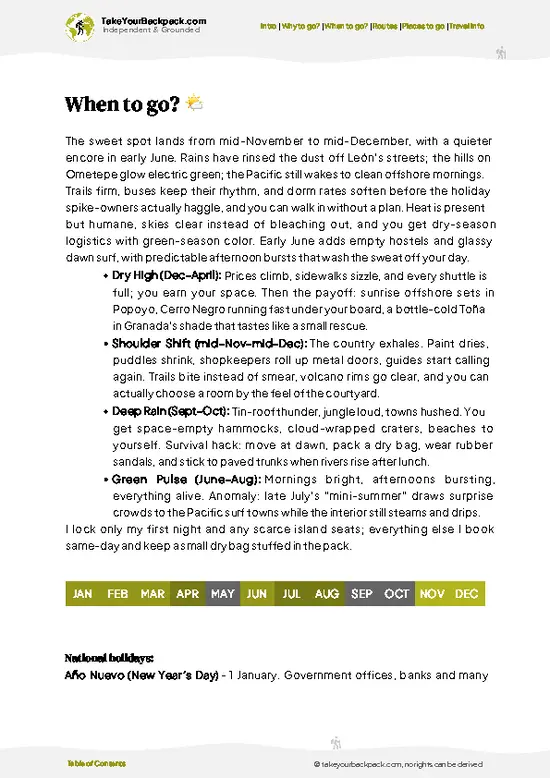
Gold in Nicaragua isn’t about bling; it’s about belief. The museum’s small but punchy collection of indigenous goldwork is a lesson in how precious metal can be transformed into objects of power and meaning. Expect to see pendants and ceremonial pieces that were never meant for showy display, but for ritual and reverence. The craftsmanship is precise, but what really lands is the sense of mystery—these are objects that were meant to be worn by shamans, not kings.
3. The Colonial-Era Weaponry
If you’re tired of sanitized history, this room will wake you up. The colonial weaponry isn’t just a parade of swords and muskets; it’s a crash course in the brutal, improvisational nature of conquest. You’ll see machetes that look like they’ve seen real action, and firearms that are more rust than metal. The display doesn’t glorify violence, but it doesn’t flinch from it either. It’s a reminder that Nicaragua’s story is one of resistance as much as it is of colonization.
4. The Diocleciano Chaves Archive
This is my personal favorite. Diocleciano Chaves was a relentless collector, and his archive is a glorious mess of letters, photographs, and personal effects. It’s the closest you’ll get to time travel in this building. There’s something electric about reading a century-old letter or seeing a faded photograph and realizing that history isn’t just a series of dates—it’s a collection of lived moments, some mundane, some monumental. If you’re the kind of traveler who likes to dig beneath the surface, this room is pure gold.
5. The Courtyard and Building Itself
Here’s the real magic: the museum is housed in a colonial mansion that’s as much a part of the experience as the exhibits. The courtyard is a patchwork of shade and sunlight, with the kind of battered elegance that Instagram can’t quite capture. You’ll hear the echo of your own footsteps on tile, smell the old wood, and feel the weight of centuries in the thick, cool air. This isn’t a sterile gallery—it’s a living, breathing piece of Nicaragua’s soul.
Crowds? Not really. You’ll share the space with a handful of locals and the occasional school group, not a swarm of selfie sticks. Costs? Modest. The real price of admission is your willingness to slow down and pay attention. That’s where the magic is—always.
Let’s cut through the travel-brochure haze: this is not a warehouse of dusty pots. The ceramics here are raw, sometimes wild, and always deeply human. You’ll see jaguar effigies, ceremonial urns, and figurines that look like they could have been sculpted yesterday by someone with a sense of humor and a taste for the surreal. These pieces aren’t just artifacts—they’re a direct line to the people who lived, loved, and fought on this land long before the Spanish showed up. If you want to feel the pulse of ancient Nicaragua, this is your ticket.
2. The Indigenous Goldwork
Gold in Nicaragua isn’t about bling; it’s about belief. The museum’s small but punchy collection of indigenous goldwork is a lesson in how precious metal can be transformed into objects of power and meaning. Expect to see pendants and ceremonial pieces that were never meant for showy display, but for ritual and reverence. The craftsmanship is precise, but what really lands is the sense of mystery—these are objects that were meant to be worn by shamans, not kings.
3. The Colonial-Era Weaponry
If you’re tired of sanitized history, this room will wake you up. The colonial weaponry isn’t just a parade of swords and muskets; it’s a crash course in the brutal, improvisational nature of conquest. You’ll see machetes that look like they’ve seen real action, and firearms that are more rust than metal. The display doesn’t glorify violence, but it doesn’t flinch from it either. It’s a reminder that Nicaragua’s story is one of resistance as much as it is of colonization.
4. The Diocleciano Chaves Archive
This is my personal favorite. Diocleciano Chaves was a relentless collector, and his archive is a glorious mess of letters, photographs, and personal effects. It’s the closest you’ll get to time travel in this building. There’s something electric about reading a century-old letter or seeing a faded photograph and realizing that history isn’t just a series of dates—it’s a collection of lived moments, some mundane, some monumental. If you’re the kind of traveler who likes to dig beneath the surface, this room is pure gold.
5. The Courtyard and Building Itself
Here’s the real magic: the museum is housed in a colonial mansion that’s as much a part of the experience as the exhibits. The courtyard is a patchwork of shade and sunlight, with the kind of battered elegance that Instagram can’t quite capture. You’ll hear the echo of your own footsteps on tile, smell the old wood, and feel the weight of centuries in the thick, cool air. This isn’t a sterile gallery—it’s a living, breathing piece of Nicaragua’s soul.
Crowds? Not really. You’ll share the space with a handful of locals and the occasional school group, not a swarm of selfie sticks. Costs? Modest. The real price of admission is your willingness to slow down and pay attention. That’s where the magic is—always.
Spotted a mistake or missing something? Contact us.
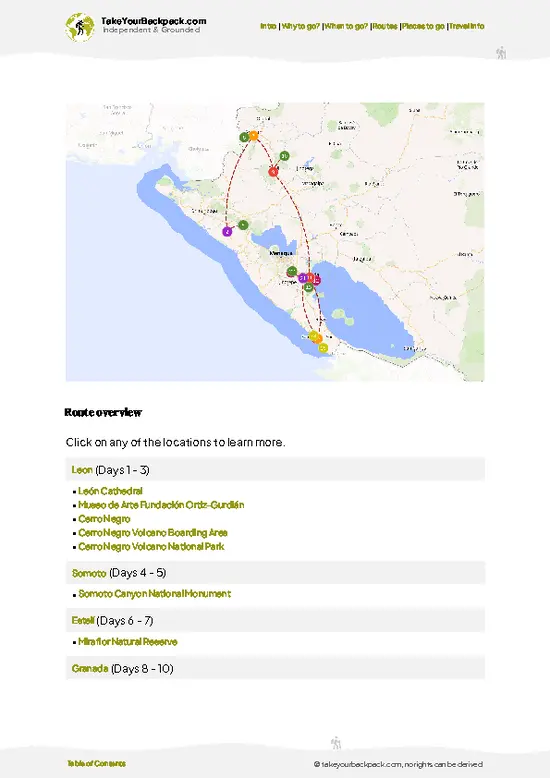

 Best Backpacking
.jpg) Hi, I’m Johan (Netherlands 🇳🇱), the creator of TakeYourBackpack. Over the past decade, I’ve backpacked through 80+ countries across six continents, gaining extensive experience with independent travel, long-term trips, and overland routes.
Hi, I’m Johan (Netherlands 🇳🇱), the creator of TakeYourBackpack. Over the past decade, I’ve backpacked through 80+ countries across six continents, gaining extensive experience with independent travel, long-term trips, and overland routes.