×

Nicaragua🇳🇮 | attractionsMuseo Nacional de NicaraguaChorotega ceramics, basalt statues, ancient footprints, neoclassical palace | things to do and best time to go

Explore Teatro Nacional Rubén DaríoExplore ChocoMuseo Granada

Backpacking in Museo Nacional de Nicaragua
👍 Recommendedattraction ranked #11
By Johan Kruseman 🇳🇱 | Updated October 22, 2026

Despite the name, the Museo Nacional de Nicaragua is not a big institution in a grand hall; it occupies the old Palacio Nacional complex on Managua’s Plaza de la Revolución, facing the cathedral ruins, in Nicaragua’s capital. It is a compact, calm place that smells of old stone and wax polish. The ceramics and stone figures are the draw, history is delivered in Spanish labels, and the center of town is exposed and hot. Go early, since mornings are cooler, and the exhibits are better with a guide. Afterward I bought a cold fresco de cacao from a cart outside for about US$0.60, thick and slightly gritty. Archaeology lovers will enjoy it most; anyone wanting interactive spectacle will not.

Discover everything you want to know in the 📖 Nicaragua Travel Guide.


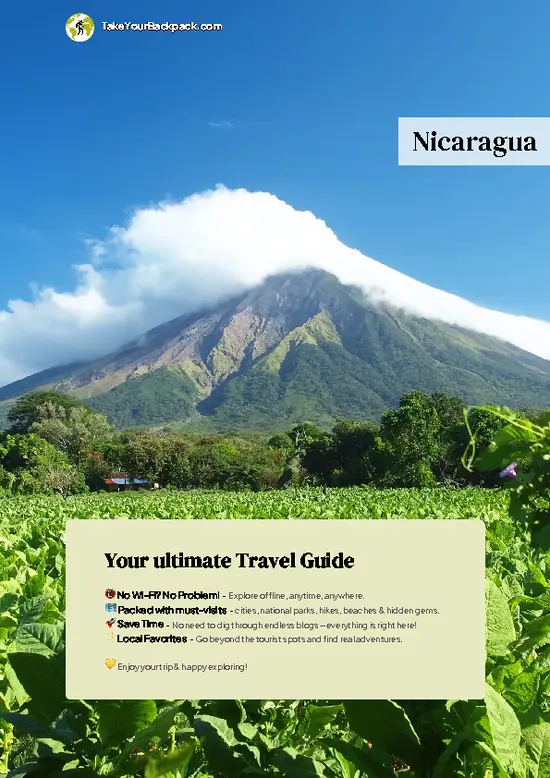
example page 0 from our offline Travel Guide for Nicaragua
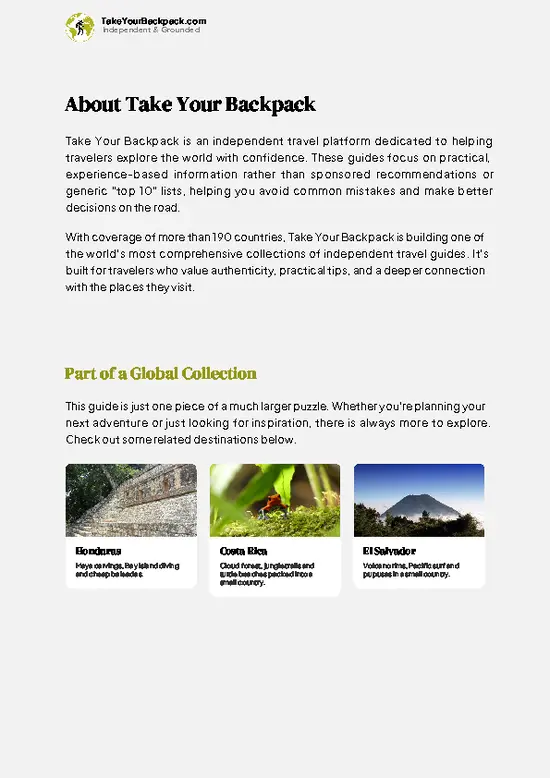
example page 1 from our offline Travel Guide for Nicaragua
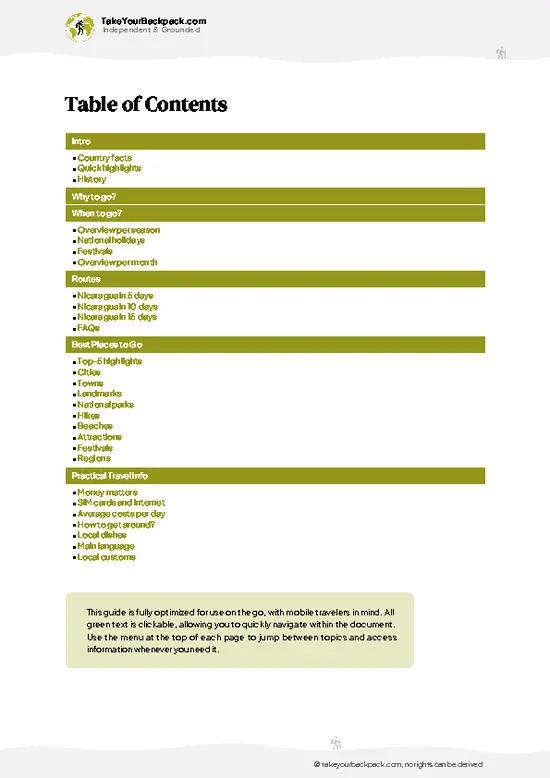
example page 2 from our offline Travel Guide for Nicaragua
example page 3 from our offline Travel Guide for Nicaragua
example page 4 from our offline Travel Guide for Nicaragua
example page 5 from our offline Travel Guide for Nicaragua
example page 6 from our offline Travel Guide for Nicaragua
example page 7 from our offline Travel Guide for Nicaragua
Loading the map 🌍
CLICK TO FILTER
cities
towns
landmarks
national parks
hikes
beaches
attractions
festivals
regions
SHOW COUNTRY’S BESTSHOW ALL

✨ Why go?
Ranked #11 attraction in Nicaragua
What makes this attraction worth visiting

Museo Nacional de Nicaragua gives you the country’s deep past in a single morning, which is hard to get elsewhere in a nation where many sites are scattered and unmarked. The collection tracks the pre-Columbian peoples of the Pacific side, with Chorotega and Nicarao pottery and carved basalt pieces that explain why the lakes and volcanoes mattered so long before the Spanish arrived. Standing in the old Palacio Nacional, you also read the building itself as history, since it housed government for generations and survived the earthquake that flattened the neighborhood. Pair it with the plaza outside and you have the best orientation to Managua before heading to Granada, León or Ometepe. It suits a rainy hour or a hot noon, and a first-timer leaves able to read what they see later at ruins and island petroglyph sites.

💡 HighlightsThe experiences that define the visit

  1. Pre-Columbian ceramics hall: Painted Chorotega and Nicarao vessels, some with animal and human forms, show everyday ritual life on the Pacific side.
  2. Stone sculptures: Carved basalt figures and metates from the lakes region are the museum’s most photographed pieces and give a sense of scale.
  3. Acahualinca footprint story: Displays related to the ancient human footprints preserved in volcanic ash near the lake put a very human face on early settlement.
  4. Palacio Nacional architecture: The neoclassical building with its courtyards and columns is a sight in itself and one of few structures that stood through Managua’s disasters.
  5. Colonial and independence rooms: Objects and documents chart the Spanish period and the road to the republic.
  6. Plaza de la Revolución views: Step outside to see the cathedral ruins
… read more 👉
  1. Pre-Columbian ceramics hall: Painted Chorotega and Nicarao vessels, some with animal and human forms, show everyday ritual life on the Pacific side.
  2. Stone sculptures: Carved basalt figures and metates from the lakes region are the museum’s most photographed pieces and give a sense of scale.
  3. Acahualinca footprint story: Displays related to the ancient human footprints preserved in volcanic ash near the lake put a very human face on early settlement.
  4. Palacio Nacional architecture: The neoclassical building with its courtyards and columns is a sight in itself and one of few structures that stood through Managua’s disasters.
  5. Colonial and independence rooms: Objects and documents chart the Spanish period and the road to the republic.
  6. Plaza de la Revolución views: Step outside to see the cathedral ruins and the surrounding civic buildings in the open air.
Museo Nacional de Nicaragua asks for a small entry fee at the door, and no advance booking is needed for individuals.
Spotted a mistake or missing something? Contact us.

Things to do around Museo Nacional de Nicaragua

Ratings based on Tripadvisor reviews. When you book through this link, you support our work at no extra cost to you.

🌤️ When to go?Choosing the right time of year

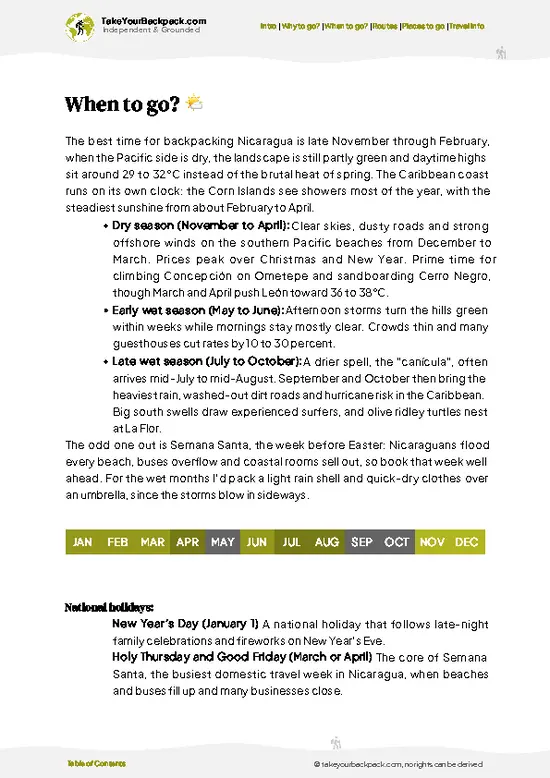
  • Dry Season (December to April): Mornings are the easiest time for the museum, which sits inside the old Palacio Nacional on Managua’s Plaza de la Revolución. Highs reach 32 to 35°C (90 to 95°F), lows 22 to 24°C (72 to 75°F). Daylight lasts about 11 to 12 hours.
  • Green Season (May to October): Afternoon downpours are common, but mornings are often dry. Highs run 30 to 33°C (86 to 91°F), and humidity is thick. Crowds are thin and prices stay flat.
  • Holidays (Semana Santa, late December): Many Nicaraguans travel, so hostels outside Managua fill, while the city itself empties and opening hours can change.
Arrive when the doors open on a weekday morning, before the heat builds and while the galleries are quiet.

source: climatestotravel.comJANJanuary: highly recommended for travelingFEBFebruary: highly recommended for travelingMARMarch: highly recommended for travelingAPRApril: highly recommended for travelingMAYMay: fair for travelingJUNJune: fair for travelingJULJuly: fair for travelingAUGAugust: fair for travelingSEPSeptember: fair for travelingOCTOctober: fair for travelingNOVNovember: highly recommended for travelingDECDecember: excellent for traveling
when-to-go

✈️ The backpacker research shortcutNicaragua Travel Guide

An offline-friendly backpacking guide with optimized travel routes, ranked highlights, transport advice, and the best areas to stay.
example page 0 from our offline Travel Guide for Nicaragua
example page 1 from our offline Travel Guide for Nicaragua
example page 2 from our offline Travel Guide for Nicaragua
example page 3 from our offline Travel Guide for Nicaragua
example page 4 from our offline Travel Guide for Nicaragua
example page 5 from our offline Travel Guide for Nicaragua
example page 6 from our offline Travel Guide for Nicaragua
example page 7 from our offline Travel Guide for Nicaragua
The digital guide (256 pages) contains:
✅ 71 highlights, ranked by travel appeal
✅ Optimized 5, 10 & 15-day travel routes
✅ Cities, national parks, landmarks, beaches
✅ How to get around
✅ Offline-friendly for travel without Wi-Fi
👉 Click to see all 30+ guide features

📅 Plan smarter in minutes, not weeks
✅ Month by month travel advice
✅ Festivals & national holidays
✅ Budget expectations

🗺️ Go to the right places, skip the overrated ones
✅ Honest pros & cons of destinations
✅ Top hikes, parks & viewpoints
✅ Lesser-known places most travelers miss
✅ Clear “worth it vs skip it” guidance

🛏️ Travel smoothly without rookie mistakes
✅ Best areas to stay
✅ Transport systems explained simply
✅ Common scams & safety advice
✅ SIM cards, money & practical tips

🌍 Understand the country, not just visit it
✅ Culture & traditions
✅ 52 Essential phrases & customs
✅ Festivals worth planning around
✅ Traveler-friendly historical context
✅ Insights that make places more meaningful

📱 Built for real travel conditions
✅ Fully downloadable PDF
✅ Works completely offline
✅ Optimized for phone use
✅ Useful in remote areas & buses
✅ Everything in one place
Stop searching, start planning
Get instant access to your full guide. 30‑day money-back guarantee.
+ Add another guide for just

By proceeding you agree to our terms.
Sent to your inbox immediately after payment • 100% Secure Checkout
Best Backpacking Travel Advisor 2025 tourism awardBest Backpacking
Travel Advisor
2025
What others say about Take Your Backpack Guides:
⭐⭐⭐⭐⭐
Fantastic, amazing amount of information!
⭐⭐⭐⭐⭐
My goodness this is amazing, it's what I've been looking for hats off too you!
⭐⭐⭐⭐⭐
I think this is absolutely BRILLIANT
⭐⭐⭐⭐
Very complete and informative. It's still missing places, but I gotta to commend you
⭐⭐⭐⭐⭐
This is truly amazing, thank you, can't wait to explore it with my kids!
⭐⭐⭐⭐⭐
Awesome resource, thank you!
⭐⭐⭐⭐⭐
This is amazing! Can't wait to explore the ones I haven't seen
⭐⭐⭐⭐
I love this! Well done, great idea.
⭐⭐⭐⭐⭐
Thanks for taking the time to make this gem!
⭐⭐⭐⭐⭐
This might be the best website I've ever seen.
⭐⭐⭐⭐⭐
Congratulations, and thank you so much for your work; it's incredibly valuable.
⭐⭐⭐⭐
In all seriousness I think you did a great job pointing out the important spots
⭐⭐⭐⭐⭐
10/10 very good
⭐⭐⭐⭐⭐
As someone who's only just starting to visit regularly this is awesome, thank you.
⭐⭐⭐⭐
Thank you very much! I'm going to visit my dad, it's going to be very useful!
⭐⭐⭐⭐⭐
This is really cool! We'll be travelling for the first time and this definitely come in handy.
⭐⭐⭐⭐⭐
You are now our minister of culture, congratulations 👨‍💼
⭐⭐⭐⭐⭐
Just wanted to tell you that this is a pearl! Going to follow your recommendations.
⭐⭐⭐⭐⭐
This is so cool. I'll definitely be using the resource for my travels soon.
⭐⭐⭐⭐⭐
This is very impressive! Good work.
⭐⭐⭐⭐⭐
This is an amazing and informative site. Very well done!

🛏️ Where to stay?Where staying makes the most sense

Most backpackers sleep in Granada or León rather than Managua, and both are easy to combine with a museum visit. Granada, roughly an hour southeast by shuttle or chicken bus, has the densest cluster of social hostels, walkable streets around Calle La Calzada, and plenty of tour desks. It is the safest, most sociable pick for solo travelers. León, about 1.5 to 2 hours northwest, suits travelers who like street art, volcano boarding and a younger, university-town feel. Both let you reach the museum on a long day trip.

If you want to be in Managua itself, look at the Barrio Martha Quezada area, … read more 👉
Most backpackers sleep in Granada or León rather than Managua, and both are easy to combine with a museum visit. Granada, roughly an hour southeast by shuttle or chicken bus, has the densest cluster of social hostels, walkable streets around Calle La Calzada, and plenty of tour desks. It is the safest, most sociable pick for solo travelers. León, about 1.5 to 2 hours northwest, suits travelers who like street art, volcano boarding and a younger, university-town feel. Both let you reach the museum on a long day trip.

If you want to be in Managua itself, look at the Barrio Martha Quezada area, long the budget traveler zone near the Ticabus terminal, or the quieter Altamira and Los Robles districts, which feel calmer after dark. Take taxis at night in Managua rather than walking, and book ahead since options are limited.

👛 Costs (as of 22 October 2026)Travel costs and budget guide for Museo Nacional de Nicaragua

A visit to the Museo Nacional de Nicaragua fits a daily budget of about US$23 to 57, mostly spent on beds, food and getting to Managua. Entry itself is small.
CategoryBudget RangeLocal Reality
Museum entryUS$1 to 3Foreigners pay a little more than locals, in cash in córdobas.
Accommodation (high season)US$10 to 25Dorm beds in Granada or León, or basic private rooms in Managua.
FoodUS$6 to 12Set lunches (comida corriente) and fritanga plates are the cheapest meals.
Transport to ManaguaUS$2 to 6Chicken buses and shared shuttles from Granada or León.
Local transportUS$3 to 8Short taxis around central Managua, best used after dark.
ExtrasUS$1 to 3Water, snacks and an optional guide.
Total Daily BudgetUS$23 to 57Per person, per day, in high season.


source: museonacional.inc.gob.ni
⚠️ Prices can change and everyone travels differently, so take this as a rough guide. Hope it helps you plan your adventure!

FAQTraveler FAQ

Plan on 1.5 to 2 hours at the Museo Nacional de Nicaragua, which is enough for the archaeology, colonial and revolution-era galleries. Add time if you want to browse the neighboring Plaza de la Revolución and the old cathedral ruins. Most backpackers fit it into a half day from Managua or a full day from Granada or León.
Yes, the Museo Nacional de Nicaragua is worth the small entry fee of roughly US$1 to 3. You get pre-Columbian ceramics, volcanic-region artifacts and the Huellas de Acahualinca-related history in one cheap stop. For the price of a coffee it is among the best-value cultural visits in Managua.
Reach the Museo Nacional de Nicaragua by getting to Managua first. Shuttles and chicken buses run from Granada (about 1 hour, US$2 to 5) and León (about 1.5 to 2 hours, US$3 to 6). From central Managua, a taxi to the Plaza de la Revolución costs about US$2 to 5.
⚠️ Things can change over time, so always validate details locally before you go.

Other Nicaraguan attractions near Museo Nacional de Nicaragua

Explore more nearby:


💡 Not sure where to go next?
Create a personalized itinerary for Nicaragua including Museo Nacional de Nicaragua and the places that fit your trip.

Generate my itinerary

👉 Discover all attractions

Or checkout all Nicaragua has to offer (think cities, towns, villages, national parks, hikes, beaches, festivals)
Country photo of Nicaragua

We 💚 feedbackKey takeaways before you go

Museo Nacional de Nicaragua is easy to skip in favor of Managua’s malls or a quick bus onward, and that is the usual mistake. I would give it an unhurried morning, bring water and a little cash for the door, and read the ceramic labels slowly before stepping out into the plaza heat.

✈️ When did I visit Nicaragua?
Nicaragua I visited during my half year trip through South and Central America back in 2003

✍️ Help improve this page!
The information on this page is based on my own backpacking experience in Nicaragua, supplemented with up-to-date research and feedback from other travelers. Travel details can change, so if you notice anything outdated or incomplete, feel free to let me know.


🙋‍♂️ Give feedback

👋 Meet the founderWho’s Behind Take Your Backpack?

Johan, backpacker and founder of TakeYourBackpackHi, I’m Johan (Netherlands 🇳🇱), the creator of TakeYourBackpack. Over the past 3 decades, I’ve backpacked through 90+ countries across six continents, gaining extensive experience with independent travel, long-term trips, and overland routes.

This site is built on a combination of firsthand travel experience and carefully curated insights from other backpackers. Many guides are based on places I’ve personally visited, while others bring together tips, observations, and practical advice shared by trusted travelers I’ve met along the way.

The goal is to provide realistic, experience-driven guidance — not generic itineraries — so you can explore destinations with better context, clearer expectations, and more confidence.