×

Niger🇳🇪 | citiesIllélalivestock markets, Hausa villages, rural plateau | things to do and best time to go

Explore DossoExplore Keita

Backpacking in Illéla
👀 For curious travelerscity ranked #13
By Johan Kruseman 🇳🇱 | Updated September 3, 2026

If you crave nightlife, polished cafés, or a parade of hostels, Illéla will frustrate you. But if you want to feel Niger’s dry wind on your face and see daily life unfiltered, this small town in the southwest—north of Birni-N’Konni, close to the Nigerian border—offers a rare pause. Illéla is more crossroads than destination: a practical stopover for overland routes, with a market that hums on market days and a pace that’s slow even by Sahel standards. You’ll need patience for transport—bush taxis, not buses—and expect basic guesthouses, not backpacker hubs. Costs are low, safety is typical for rural Niger (caution, but not paranoia), and the social scene is what you make of it; you’ll likely be the only foreigner, which can feel isolating or quietly thrilling. Compared to busier Birni-N’Konni, Illéla is less hectic, more honest, and best for those who find meaning in the margins.

Discover everything you want to know in the 📖 Niger Travel Guide.
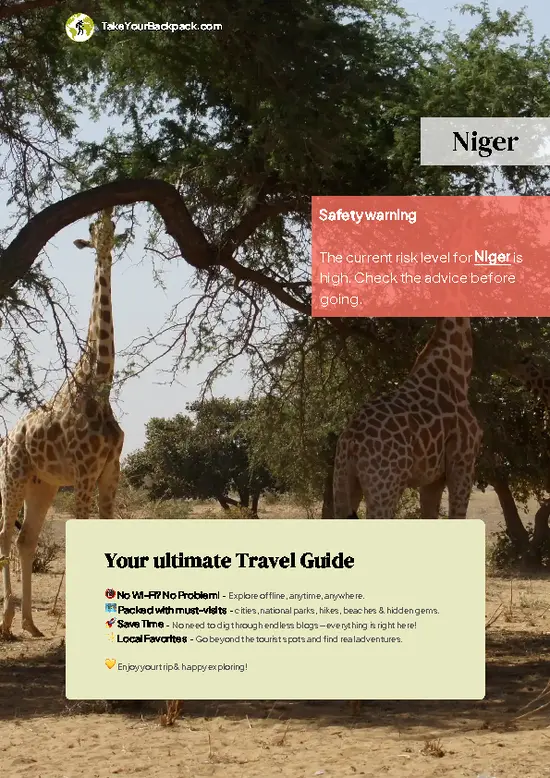
Safety warning

The current risk level for Niger is high. Check the advice before going.


Get your Niger guide
67 ranked highlights, routes & tips, works offline (284 pages)
Loading the map 🌍
CLICK TO FILTER
cities
towns
villages
landmarks
national parks
hikes
attractions
festivals
regions
SHOW COUNTRY’S BESTSHOW ALL

✨ Why go?
Ranked #13 city in Niger
Why visitors keep coming back

Illéla serves as a gateway for backpackers seeking the rugged beauty of Niger. Its convenient location makes it a perfect base for nearby hikes in the stunning Aïr Mountains, where the air is crisp and the views stretch endlessly. The walkable streets invite exploration, with small-scale guesthouses offering a cozy place to rest your head after a day of adventure. Here, you can savor local dishes that burst with flavor, from spicy stews to fresh bread, all while mingling with friendly locals who share stories and smiles. Most travelers stay a few days, soaking in the social atmosphere that encourages connection among solo adventurers and small groups alike. If you’re a slow traveler or a hiker, Illéla’s charm and convenience will resonate, making it more than just a stopover.
Want to include Illéla in your Niger route?
Create a personalized Niger itinerary that includes Illéla and the places that fit your trip — based on your travel style, budget, and available time. Get your route in seconds.

Generate my trip

💡 HighlightsTop highlights of Illéla

  • Marché Central d’Illéla — The town’s everyday marketplace where farmers, traders, and families shop; best place to see local produce, spices, textiles and street food, and to soak up everyday life and bargaining rhythm.
  • Marché aux Bestiaux (weekly livestock market) — A lively early-morning scene when herders bring cattle, goats and camels for trade; excellent for photography, witnessing pastoral trade practices, and meeting Fulani and Hausa herders.
  • Grande Mosquée d’Illéla (Friday Mosque) — The central prayer mosque and civic landmark; visit outside prayer times to appreciate Sahelian mosque architecture and the mosque’s role as a community hub.
  • Artisan quarter and leatherworkers’ workshops — Clusters of small workshops where leatherworkers, dyers and weavers craft goods by hand; buying
read more 👉
  • Marché Central d’Illéla — The town’s everyday marketplace where farmers, traders, and families shop; best place to see local produce, spices, textiles and street food, and to soak up everyday life and bargaining rhythm.
  • Marché aux Bestiaux (weekly livestock market) — A lively early-morning scene when herders bring cattle, goats and camels for trade; excellent for photography, witnessing pastoral trade practices, and meeting Fulani and Hausa herders.
  • Grande Mosquée d’Illéla (Friday Mosque) — The central prayer mosque and civic landmark; visit outside prayer times to appreciate Sahelian mosque architecture and the mosque’s role as a community hub.
  • Artisan quarter and leatherworkers’ workshops — Clusters of small workshops where leatherworkers, dyers and weavers craft goods by hand; buying directly from makers supports local families and gives an authentic behind-the-scenes look at traditional skills.
Nearby day-trip highlights include the surrounding Sahel villages and grazing plains where pastoral life is on display, and the larger regional market towns in the area that host bigger weekly markets and cross-border trade.
Spotted a mistake or missing something? Contact us.
🏘️ NeighborhoodsHow different areas shape the experience

Illéla offers a unique blend of culture and community, perfect for backpackers seeking an authentic experience. Here’s how to navigate its neighborhoods:

Centre Ville: This is the heartbeat of Illéla. Bustling markets and street vendors fill the air with the scent of spices and grilled meats. It’s walkable, with plenty of budget-friendly accommodations. Nightlife is low-key, perfect for those who want to unwind after a day of exploration. Ideal for short stays, you can easily access transport to other regions.

Quartier des Artisans: A creative hub where artisans showcase their crafts. The vibe is vibrant yet relaxed, making it a great spot to soak in local culture. Prices here are reasonable, and you can stroll through workshops and galleries. It’s quieter at night, so perfect for longer … read more 👉
Illéla offers a unique blend of culture and community, perfect for backpackers seeking an authentic experience. Here’s how to navigate its neighborhoods:

Centre Ville: This is the heartbeat of Illéla. Bustling markets and street vendors fill the air with the scent of spices and grilled meats. It’s walkable, with plenty of budget-friendly accommodations. Nightlife is low-key, perfect for those who want to unwind after a day of exploration. Ideal for short stays, you can easily access transport to other regions.

Quartier des Artisans: A creative hub where artisans showcase their crafts. The vibe is vibrant yet relaxed, making it a great spot to soak in local culture. Prices here are reasonable, and you can stroll through workshops and galleries. It’s quieter at night, so perfect for longer stays if you want to immerse yourself in the local scene.

Zone Résidentielle: This area is more suburban, offering a peaceful retreat from the hustle. Accommodations are slightly pricier but provide a more comfortable experience. It’s less walkable, so having a bike or using local transport is advisable. Great for longer stays, especially if you’re looking for a home base while exploring the surrounding countryside.

⌛️ 1 dayWhat you can realistically do in a day

Illéla, Niger, is a tapestry of vibrant culture and resilient spirit, where the rhythm of daily life unfolds against a backdrop of stunning landscapes. This town, often overlooked by travelers, offers a genuine glimpse into the heart of Nigerien life.

Start your morning with a stroll through the bustling market in the heart of Illéla. The air is thick with the scent of spices and fresh produce, and the sounds of bargaining fill the space. Grab a breakfast of *fura*—a traditional millet dough ball served with yogurt. It’s a local favorite that will fuel your adventures ahead.

In the afternoon, head to the nearby hills for a hike. The terrain is rugged but rewarding, with panoramic views that stretch for miles. As you ascend, take in the earthy aroma of the dry landscape and the occasional … read more 👉
Illéla, Niger, is a tapestry of vibrant culture and resilient spirit, where the rhythm of daily life unfolds against a backdrop of stunning landscapes. This town, often overlooked by travelers, offers a genuine glimpse into the heart of Nigerien life.

Start your morning with a stroll through the bustling market in the heart of Illéla. The air is thick with the scent of spices and fresh produce, and the sounds of bargaining fill the space. Grab a breakfast of *fura*—a traditional millet dough ball served with yogurt. It’s a local favorite that will fuel your adventures ahead.

In the afternoon, head to the nearby hills for a hike. The terrain is rugged but rewarding, with panoramic views that stretch for miles. As you ascend, take in the earthy aroma of the dry landscape and the occasional burst of wildflowers. This is a spot where few tourists tread, making it feel like your own secret escape.

As the sun begins to set, return to town and visit the local artisans in the *Quartier des Artisans*. Here, you can watch craftsmen at work, creating intricate pottery and textiles. Engage with them; their stories add depth to your experience.

Wrap up your day at a small eatery, savoring a plate of *tô*—a staple dish made from millet or sorghum. The warmth of the community and the flavors of the food will linger long after you leave. In Illéla, every moment feels earned, and the connections you make will enrich your journey.
Turn your Illéla visit into an Niger adventure
Build a complete Niger route with Illéla, hidden gems, must-see destinations, and realistic travel times included.

Generate my trip

🌤️ When to go?Choosing the right time of year


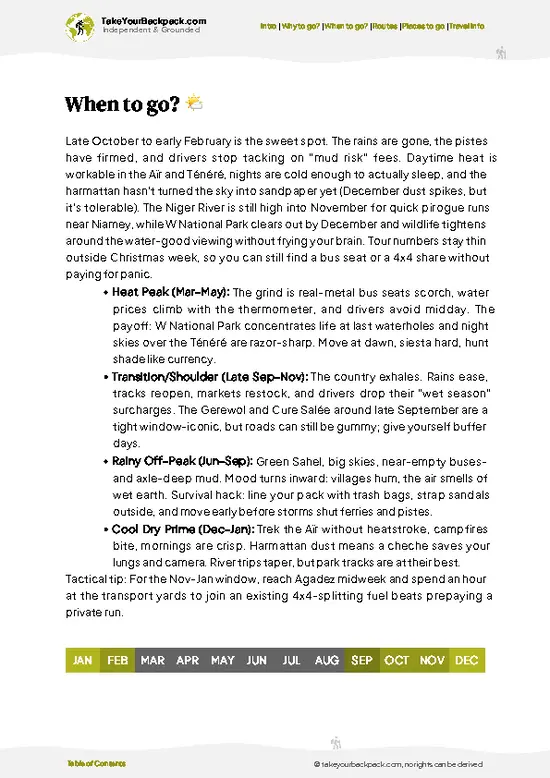
  • Weather: Illéla’s dry season, from November to February, offers clear skies and minimal dust—ideal for trekking without the oppressive heat or sudden storms.

  • Temperature: Expect daytime highs around 30°C (86°F) in the dry season, dropping to a cool 15°C (59°F) at night, making layers essential for comfort.

  • Daylight Hours: Days stretch about 11 to 12 hours, giving you ample time to explore before dusk settles in with a soft, golden light.

  • Crowds: Tourist traffic is low year-round, but the dry season draws a few more visitors, so you’ll find a balance between solitude and social energy.

  • Seasonal Activities: The dry months coincide with local markets and festivals, where the scent of spices and sounds of traditional music fill the air.

  • Price Fluctuations: Accommodation and transport
read more 👉

  • Weather: Illéla’s dry season, from November to February, offers clear skies and minimal dust—ideal for trekking without the oppressive heat or sudden storms.

  • Temperature: Expect daytime highs around 30°C (86°F) in the dry season, dropping to a cool 15°C (59°F) at night, making layers essential for comfort.

  • Daylight Hours: Days stretch about 11 to 12 hours, giving you ample time to explore before dusk settles in with a soft, golden light.

  • Crowds: Tourist traffic is low year-round, but the dry season draws a few more visitors, so you’ll find a balance between solitude and social energy.

  • Seasonal Activities: The dry months coincide with local markets and festivals, where the scent of spices and sounds of traditional music fill the air.

  • Price Fluctuations: Accommodation and transport costs rise slightly in the dry season but remain reasonable—worth it for the comfort and cultural access.


Pro-tip: Aim for late November to early December to catch the best weather and vibrant local life before prices and crowds pick up.


source: climatestotravel.comJANJanuary: excellent for travelingFEBFebruary: excellent for travelingMARMarch: fair for travelingAPRApril: below average for travelingMAYMay: below average for travelingJUNJune: below average for travelingJULJuly: below average for travelingAUGAugust: below average for travelingSEPSeptember: fair for travelingOCTOctober: good for travelingNOVNovember: highly recommended for travelingDECDecember: excellent for traveling
when-to-go

✈️ The backpacker research shortcutNiger Travel Guide

An offline-friendly backpacking guide with optimized travel routes, ranked highlights, transport advice, and the best areas to stay.
example page 0 from our offline Travel Guide for Niger
example page 1 from our offline Travel Guide for Niger
example page 2 from our offline Travel Guide for Niger
example page 3 from our offline Travel Guide for Niger
example page 4 from our offline Travel Guide for Niger
example page 5 from our offline Travel Guide for Niger
example page 6 from our offline Travel Guide for Niger
example page 7 from our offline Travel Guide for Niger
The digital guide (284 pages) contains:
67 highlights, ranked by travel appeal
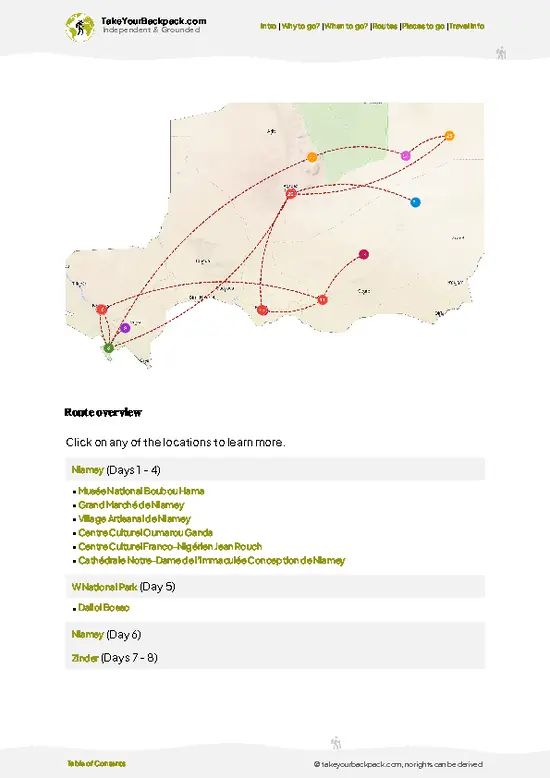
Optimized 5, 10 & 15-day travel routes
Cities, national parks, landmarks, beaches
How to get around
Offline-friendly for travel without Wi-Fi
👉 Click to see all 30+ guide features

📅 Plan smarter in minutes, not weeks
Month by month travel advice
Festivals & national holidays
Budget expectations

🗺️ Go to the right places, skip the overrated ones
Honest pros & cons of destinations
Top hikes, parks & viewpoints
Lesser-known places most travelers miss
Clear “worth it vs skip it” guidance

🛏️ Travel smoothly without rookie mistakes
Best areas to stay
Transport systems explained simply
Common scams & safety advice
SIM cards, money & practical tips

🌍 Understand the country, not just visit it
Culture & traditions
52 Essential phrases & customs
Festivals worth planning around
Traveler-friendly historical context
Insights that make places more meaningful

📱 Built for real travel conditions
Fully downloadable PDF
Works completely offline
Optimized for phone use
Useful in remote areas & buses
Everything in one place
Save weeks of stressful planning
Get instant access to your full guide. 30‑day money-back guarantee.
+ Add another guide for just US$7.80

By proceeding you agree to our terms.
Sent to your inbox immediately after payment • 100% Secure Checkout
Best Backpacking Travel Advisor 2025 tourism awardBest Backpacking
Travel Advisor
2025
What others say about Take Your Backpack Guides:
⭐⭐⭐⭐⭐
Fantastic, amazing amount of information!
⭐⭐⭐⭐⭐
My goodness this is amazing, it's what I've been looking for hats off too you!
⭐⭐⭐⭐⭐
I think this is absolutely BRILLIANT
⭐⭐⭐⭐
Very complete and informative. It's still missing places, but I gotta to commend you
⭐⭐⭐⭐⭐
This is truly amazing, thank you, can't wait to explore it with my kids!
⭐⭐⭐⭐⭐
Awesome resource, thank you!
⭐⭐⭐⭐⭐
This is amazing! Can't wait to explore the ones I haven't seen
⭐⭐⭐⭐
I love this! Well done, great idea.
⭐⭐⭐⭐⭐
Thanks for taking the time to make this gem!
⭐⭐⭐⭐⭐
This might be the best website I've ever seen.
⭐⭐⭐⭐⭐
Congratulations, and thank you so much for your work; it's incredibly valuable.
⭐⭐⭐⭐
In all seriousness I think you did a great job pointing out the important spots
⭐⭐⭐⭐⭐
10/10 very good
⭐⭐⭐⭐⭐
As someone who's only just starting to visit regularly this is awesome, thank you.
⭐⭐⭐⭐
Thank you very much! I'm going to visit my dad, it's going to be very useful!
⭐⭐⭐⭐⭐
This is really cool! We'll be travelling for the first time and this definitely come in handy.
⭐⭐⭐⭐⭐
You are now our minister of culture, congratulations 👨‍💼
⭐⭐⭐⭐⭐
Just wanted to tell you that this is a pearl! Going to follow your recommendations.
⭐⭐⭐⭐⭐
This is so cool. I'll definitely be using the resource for my travels soon.
⭐⭐⭐⭐⭐
This is very impressive! Good work.
⭐⭐⭐⭐⭐
This is an amazing and informative site. Very well done!

🛏️ Where to stay?Best areas and accommodation options

In Illéla, the heart of the town near the central market is where backpackers find their rhythm. This area hums with life from dawn, the scent of fresh spices and grilled meat weaving through the air. It’s safe enough to wander after dark, thanks to steady foot traffic and local vendors who know every face. Budget travelers and solo adventurers gravitate here because it’s social without being overwhelming—streets lined with small guesthouses and informal hostels offer a chance to meet others without the tourist bubble. Compared to quieter residential zones, this neighborhood pulses with authentic … read more 👉
In Illéla, the heart of the town near the central market is where backpackers find their rhythm. This area hums with life from dawn, the scent of fresh spices and grilled meat weaving through the air. It’s safe enough to wander after dark, thanks to steady foot traffic and local vendors who know every face. Budget travelers and solo adventurers gravitate here because it’s social without being overwhelming—streets lined with small guesthouses and informal hostels offer a chance to meet others without the tourist bubble. Compared to quieter residential zones, this neighborhood pulses with authentic daily life, making it easier to slip into local routines and stories. The vibe is raw, real, and welcoming—perfect for those who want to feel the town’s pulse rather than just pass through.

🚌 Getting aroundMoving around without the hassle

Illéla moves at its own rhythm—less a clockwork town and more a pulse you feel in the dust and chatter. The sun slants low, casting long shadows over cracked sidewalks where vendors call out with a mix of urgency and ease. Time here isn’t about strict schedules but about reading the flow: when the market buzzes, when the buses fill, when the heat softens enough to walk without wilting. This is a place where patience pays off, and knowing when to move is as important as knowing where.


  • Walking: The heart of Illéla is compact enough to explore on foot, especially early morning or late afternoon when the sun’s gentler. Walking lets you catch the scent of spices from street stalls and the hum of daily life—free and flexible, but avoid midday heat.

  • Shared Minibuses: These are the budget traveler’s
read more 👉
Illéla moves at its own rhythm—less a clockwork town and more a pulse you feel in the dust and chatter. The sun slants low, casting long shadows over cracked sidewalks where vendors call out with a mix of urgency and ease. Time here isn’t about strict schedules but about reading the flow: when the market buzzes, when the buses fill, when the heat softens enough to walk without wilting. This is a place where patience pays off, and knowing when to move is as important as knowing where.


  • Walking: The heart of Illéla is compact enough to explore on foot, especially early morning or late afternoon when the sun’s gentler. Walking lets you catch the scent of spices from street stalls and the hum of daily life—free and flexible, but avoid midday heat.

  • Shared Minibuses: These are the budget traveler’s lifeline, running from dawn until dusk. Expect a crowded, lively ride for about 200 CFA francs, weaving through the main roads with unpredictable stops. They’re slow but immersive, perfect for soaking in local rhythms.

  • Motorcycle Taxis (Zémidjans): Quick and nimble, these dart through traffic and cost around 300-500 CFA francs for short hops. They’re best for tight schedules or when the sun dips and you want to avoid walking in the dark.

  • Regular Buses: Larger buses connect Illéla to nearby towns, leaving mostly in the morning and early afternoon. Tickets run about 500-1000 CFA francs. They’re more comfortable than minibuses but less frequent, so plan ahead.

👛 Costs (as of 3 September 2026)Money, prices, and spending tips

Backpacking in Illéla, Niger, means embracing a raw, unfiltered slice of Sahel life where every franc spent feels like a direct investment in local rhythms and realities.
  • Dorm Accommodation: Options here are extremely limited and basic. Expect to pay around €5-€10 per night for a simple guesthouse or shared room. These places often lack modern amenities, but they offer a roof and a chance to connect with locals in a no-frills setting.
  • Meals: Street food and small local eateries dominate. A filling meal of millet or rice with sauce, sometimes accompanied by grilled meat or fish, costs about €1-€3. Fresh fruit and snacks are cheaper but less common. Water is a must-buy; bottled water runs about €0.50 per liter.
  • Local Transport: Illéla’s transport scene is sparse. Shared taxis or bush taxis
read more 👉
Backpacking in Illéla, Niger, means embracing a raw, unfiltered slice of Sahel life where every franc spent feels like a direct investment in local rhythms and realities.
  • Dorm Accommodation: Options here are extremely limited and basic. Expect to pay around €5-€10 per night for a simple guesthouse or shared room. These places often lack modern amenities, but they offer a roof and a chance to connect with locals in a no-frills setting.
  • Meals: Street food and small local eateries dominate. A filling meal of millet or rice with sauce, sometimes accompanied by grilled meat or fish, costs about €1-€3. Fresh fruit and snacks are cheaper but less common. Water is a must-buy; bottled water runs about €0.50 per liter.
  • Local Transport: Illéla’s transport scene is sparse. Shared taxis or bush taxis are the norm, with short rides costing around €0.50-€1. Walking is often the best way to soak in the town’s atmosphere, but for longer trips, budget about €2-€4 per day if you plan to move around frequently.
  • Basic Activities/Entry Fees: Tourist infrastructure is minimal. Entry fees for any local sites or markets are either nonexistent or symbolic, usually under €1. The real cost here is time and curiosity rather than money.
  • Miscellaneous Expenses: This includes essentials like SIM cards, snacks, or occasional bottled drinks. Budget around €1-€2 daily to cover these small but necessary extras.

Illéla’s daily backpacking budget hovers between €8 and €20, depending on how much you lean into local simplicity versus occasional convenience splurges. This town rewards patience and a willingness to engage with its straightforward pace, making every euro stretch into an authentic experience.
⚠️ Prices can change and everyone travels differently, so take this as a rough guide. Hope it helps you plan your adventure!

🚌 Day tripsShort trips worth adding

Illéla, Niger, is a fantastic base for exploring the rugged beauty and rich culture of the region. With its vibrant local life and proximity to stunning landscapes, you can easily dive into unforgettable day trips.

Agadez
A trip to Agadez is like stepping into a living history book. The ancient architecture, especially the iconic Grand Mosque, tells tales of a time when this was a bustling trade hub. It’s about a three-hour drive from Illéla, so leave early to soak in the morning light over the desert. Expect to spend around 2,000 CFA for transport. The best time to visit is during the cooler months, from November to February. A common mistake? Rushing through the market without taking time to chat with local artisans. Their stories are as rich as the textiles they sell.
👉 Explore Agadez
read more 👉
Illéla, Niger, is a fantastic base for exploring the rugged beauty and rich culture of the region. With its vibrant local life and proximity to stunning landscapes, you can easily dive into unforgettable day trips.

Agadez
A trip to Agadez is like stepping into a living history book. The ancient architecture, especially the iconic Grand Mosque, tells tales of a time when this was a bustling trade hub. It’s about a three-hour drive from Illéla, so leave early to soak in the morning light over the desert. Expect to spend around 2,000 CFA for transport. The best time to visit is during the cooler months, from November to February. A common mistake? Rushing through the market without taking time to chat with local artisans. Their stories are as rich as the textiles they sell.
👉 Explore Agadez

Tenere Desert
The Tenere Desert is a vast expanse of golden dunes and surreal landscapes. A day trip here is about adventure and tranquility. It takes roughly two hours to reach the edge of the desert, where you can wander among the dunes or simply sit and absorb the silence. Budget around 3,000 CFA for transport. The ideal time is during the cooler mornings or late afternoons. Many first-timers underestimate the desert’s vastness and forget to bring enough water. Trust me, hydration is key!


Lake Chad
Visiting Lake Chad offers a unique glimpse into the local ecosystem. It’s about a two-and-a-half-hour drive, and you’ll find yourself surrounded by vibrant birdlife and fishermen in traditional canoes. The cost is around 2,500 CFA for transport. The best time to go is during the dry season, from November to April. A common oversight is not bringing binoculars for birdwatching; the lake is a paradise for enthusiasts.


Wadi Tchad
Wadi Tchad is a stunning canyon that feels like nature’s own amphitheater. It’s a bit of a trek, about three hours from Illéla, but the views are worth every bump in the road. Expect to spend around 3,500 CFA for transport. The best time to visit is during the cooler months. Many travelers miss the chance to hike down into the canyon; don’t skip this! The perspective from below is breathtaking.
Want to know what more Niger offers?
The Niger Travel Guide describes 67 highlights, from cities to national parks, from beaches to hikes

Get the Travel Guide -

🍲 FoodLocal Flavors for Backpackers

Illéla’s food scene is a lively dive into Sahelian flavors. Don’t miss trying fari masa, a dense millet cake that’s both filling and subtly sweet, often paired with spicy sauces that wake up your palate. The city’s markets are the heartbeat of eating here—vibrant stalls offer freshly grilled meats and thick, aromatic stews served with soft, hand-pulled flatbreads.

Backpackers will find themselves drawn to these bustling spots, where the air hums with chatter and the scent of smoky firewood. Drinking is simple but social—sharing a calabash of zobo (hibiscus tea) or a locally brewed millet beer is a ritual that breaks down barriers and invites conversation. Expect to eat with your right hand, and don’t rush; meals are as much about connection as consumption.

🛡️ SafetyScams, Hazards, and Annoyances

Illéla is generally safe, but staying aware enhances your experience. The market area can get crowded, so keep your belongings close. When wandering solo, especially at dusk, stick to well-lit paths and avoid empty streets.

Scams are rare, but some vendors might inflate prices for tourists. A friendly smile and a bit of bargaining can go a long way. Expect the occasional persistent seller; a polite but firm “no, thank you” usually does the trick.

Annoyances like dust and heat are part of the charm. Hydrate often and embrace the slower pace. By being mindful and engaging with locals, you’ll find that the little challenges only deepen your connection to this vibrant town.

FAQTraveler FAQ

2 to 3 days are sufficient to explore Illéla. This allows time to visit local markets, experience traditional crafts, and explore nearby rural areas. Illéla is a small town, so extended stays are usually unnecessary unless using it as a base for regional travel.
No, Illéla is not considered very safe for solo backpackers due to limited infrastructure and occasional security concerns in the region. Travelers should exercise caution, avoid traveling at night, and stay informed about local conditions. Group travel or hiring a local guide is recommended.
Illéla is known for its traditional Hausa culture and vibrant weekly markets. It is also recognized for local crafts such as leatherwork and pottery. The town serves as a cultural hub in the Tahoua region of Niger.
⚠️ Things can change over time, so always validate details locally before you go.

Other Nigerien cities near Illéla

Explore more nearby:

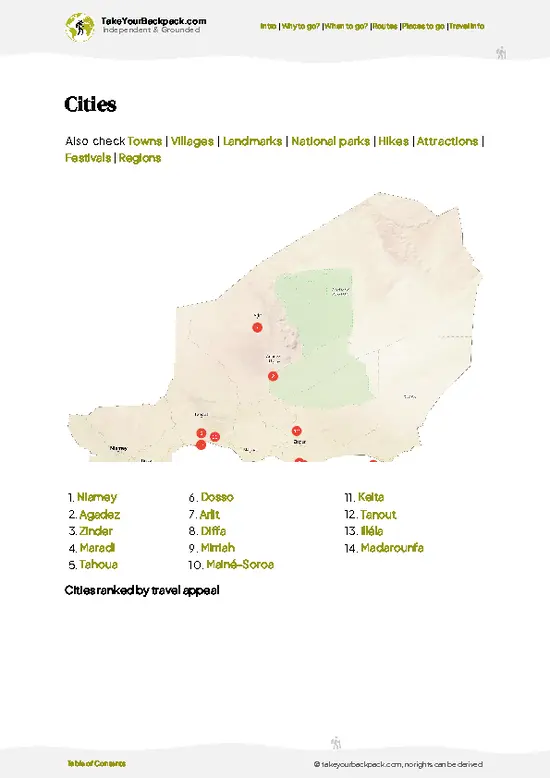
  • Tahoua—market town, Hausa architecture, regional crossroads| 47 km away
  • Keita—reforestation projects, hillside villages, dry valleys| 65 km away
  • Maradi—Hausa markets, agricultural hub, regional crossroads| 227 km away

💡 Not sure where to go next?
Create a personalized itinerary for Niger including Illéla and the places that fit your trip.

Generate my itinerary

👉 Discover all cities

Or checkout all Niger has to offer (think cities, towns, villages, national parks, hikes, beaches, festivals)
Country photo of Niger

We 💚 feedbackIs it worth it?

Illéla has a raw, unfiltered charm that grabs you. The air is thick with the scent of spices, and the laughter of locals fills the streets. Don’t miss the bustling market; it’s a sensory overload in the best way. Just be prepared for the heat—it can be relentless. Embrace it, and you’ll find moments of connection that make the journey worthwhile.

✍️ Help improve this page!
The information on this page is based on in-depth research, insights shared by experienced travelers, and feedback from the local travel community in Niger. While every effort is made to keep the information accurate and current, conditions can change — so if you spot anything incorrect or outdated, please get in touch.


🙋‍♂️ Give feedback

👋 Meet the founderWho’s Behind Take Your Backpack?

Johan, backpacker and founder of TakeYourBackpackHi, I’m Johan (Netherlands 🇳🇱), the creator of TakeYourBackpack. Over the past decade, I’ve backpacked through 80+ countries across six continents, gaining extensive experience with independent travel, long-term trips, and overland routes.

This site is built on a combination of firsthand travel experience and carefully curated insights from other backpackers. Many guides are based on places I’ve personally visited, while others bring together tips, observations, and practical advice shared by trusted travelers I’ve met along the way.

The goal is to provide realistic, experience-driven guidance — not generic itineraries — so you can explore destinations with better context, clearer expectations, and more confidence.

Get full Niger guide •
Instant download • 67 highlights • Full Offline guide