×

Niger🇳🇪 | citiesMaradiHausa markets, agricultural hub, regional crossroads | things to do and best time to go

Explore MadarounfaExplore Niamey

Backpacking in Maradi
🌟 Highlightcity ranked #4
By Johan Kruseman 🇳🇱 | Updated June 8, 2026

If you crave polished tourist infrastructure, bustling hostels, or a city that caters to Western comforts, Maradi will frustrate you. But that’s exactly why it’s a goldmine for backpackers who want to see Niger’s real pulse. Maradi sits in south-central Niger, close to the Nigerian border—a crossroads city where Sahelian grit meets lively Hausa culture. There’s no checklist of must-see monuments, but the city’s central market is a sensory overload, and the old colonial buildings still bear the scars and stories of the past. You won’t find nightlife or curated museums, but you will find street food, open-air tea stalls, and a rhythm that’s both chaotic and welcoming. It’s cheaper than Niamey, safer than Zinder, and less touristy than Agadez. Meeting other travelers is rare, but that’s the point: Maradi is for those who want to trade comfort for authenticity and walk away with stories no guidebook can script.

Discover everything you want to know in the 📖 Niger Travel Guide.
Safety warning

The current risk level for Niger is high. Check the advice before going.


Get your Niger guide
69 ranked highlights, routes & tips, works offline (292 pages)
Loading the map 🌍
CLICK TO FILTER
cities
towns
villages
landmarks
national parks
hikes
attractions
festivals
regions
SHOW COUNTRY’S BESTSHOW ALL

✨ Why go?
Ranked #4 city in Niger
Why Maradi should be on your travel list

Maradi, Niger, is a strategic stop for backpackers weaving through West Africa. It’s not just a place to pass through; it’s a basecamp for adventure. The city offers a blend of affordable hostels and local eateries that keep your budget in check while providing a taste of authentic Nigerien culture.

You’ll find the walkability here refreshing. Stroll through bustling markets, where the sights and sounds pulse with life. This city is a gateway to nearby attractions, making it easy to plan day trips without the hassle of long travel times.

Nightlife? It’s low-key but vibrant, with local spots where you can unwind after a day of exploration. The ease of onward travel from Maradi means you can seamlessly continue your journey, whether heading to the Sahara or deeper into Niger.

If you’re … read more 👉
Maradi, Niger, is a strategic stop for backpackers weaving through West Africa. It’s not just a place to pass through; it’s a basecamp for adventure. The city offers a blend of affordable hostels and local eateries that keep your budget in check while providing a taste of authentic Nigerien culture.

You’ll find the walkability here refreshing. Stroll through bustling markets, where the sights and sounds pulse with life. This city is a gateway to nearby attractions, making it easy to plan day trips without the hassle of long travel times.

Nightlife? It’s low-key but vibrant, with local spots where you can unwind after a day of exploration. The ease of onward travel from Maradi means you can seamlessly continue your journey, whether heading to the Sahara or deeper into Niger.

If you’re after a place that balances comfort and value, Maradi fits the bill. It’s not just a stopover; it’s a chance to immerse yourself in the local rhythm before moving on.
Want to include Maradi in your Niger route?
Create a personalized Niger itinerary that includes Maradi and the places that fit your trip — based on your travel style, budget, and available time. Get your route in seconds.

Generate my trip

💡 HighlightsMust-see experiences and standout moments

  • Grande Mosquée de Maradi: The city’s main mosque is a striking focal point — impressive Hausa-inspired shapes, constant ritual life and the best place to feel the city’s spiritual rhythm (visit outside prayer times if you want to look around respectfully).
  • Grand Marché (Marché central): A sprawling, chaotic market where textiles, spices, phone credit and groundnuts meet. Great for bargaining, people-watching and seeing the trade that makes Maradi tick.
  • Marché aux Bestiaux (livestock market): If you can get there early, this is raw, unforgettable Sahelian commerce — herders, traders, goats and cattle, all conducted with practiced speed and local ritual.
  • Vieux Quartier / Old Hausa Quarter: Narrow lanes, mud-brick houses and carved doors. Walk slowly, talk to shopkeepers, and you’ll see
read more 👉
  • Grande Mosquée de Maradi: The city’s main mosque is a striking focal point — impressive Hausa-inspired shapes, constant ritual life and the best place to feel the city’s spiritual rhythm (visit outside prayer times if you want to look around respectfully).
  • Grand Marché (Marché central): A sprawling, chaotic market where textiles, spices, phone credit and groundnuts meet. Great for bargaining, people-watching and seeing the trade that makes Maradi tick.
  • Marché aux Bestiaux (livestock market): If you can get there early, this is raw, unforgettable Sahelian commerce — herders, traders, goats and cattle, all conducted with practiced speed and local ritual.
  • Vieux Quartier / Old Hausa Quarter: Narrow lanes, mud-brick houses and carved doors. Walk slowly, talk to shopkeepers, and you’ll see everyday life and traditional architecture that most guidebooks skip.
  • Goulbi N’Maradi riverbed and market gardens: The seasonal river creates a green ribbon through a dry region — market gardens, irrigation channels and early-morning activity make this a good place to see local farming up close.
  • Artisan workshops (leatherworkers & dyers): Small workshops around the markets where tanners, leatherworkers and indigo dyers work by hand. Not flashy, but excellent for watching craftspeople and buying honest souvenirs.
  • Université Dan Dicko Dankoulodo (campus): The local university is more than classrooms — it’s a youthful quarter with cafés, book stalls and occasional public lectures or performances. Good for a different slice of Maradi life.
  • Traditional chief’s compound / ceremonial palace: The seat of local traditional authority — visit (with permission) to see ceremonies, court life and the way customary leadership still shapes the city.
  • Peanut (groundnut) trading and processing areas: Maradi is a groundnut hub. Watching sacks swap hands, small presses extracting oil and traders sorting peanuts is a real lesson in the region’s economy.
  • Stade régional & evening promenade: Local football matches and the surrounding food stalls are where people unwind. Come in the evening for a lively, social atmosphere and street food that locals love.
A few easy day trips from Maradi: the nearby market town of Guidan Roumdji, the rural market and landscapes around Dakoro, and the stretch of Goulbi gardens toward Mayahi are all visitable and show the wider region beyond the city.
Spotted a mistake or missing something? Contact us.

🏘️ NeighborhoodsHow different areas shape the experience

Maradi, Niger, is a vibrant hub that offers a unique blend of culture and practicality for backpackers. Here’s how to navigate its neighborhoods effectively.

Centre Ville: This is the heart of Maradi. Expect a lively atmosphere filled with local markets and street vendors. It’s budget-friendly, with plenty of affordable eateries. Walkability is high, making it easy to explore on foot. Nightlife is minimal, but the daytime buzz is infectious. Ideal for short stays to soak in the local vibe.

Gare Routière: Close to the bus station, this area is perfect for those on the move. It’s a bit chaotic, but that’s part of the charm. Costs are low, and you’ll find basic accommodations. While it’s not the quietest spot, it’s convenient for transport access. Great for short stays, especially if you’re … read more 👉
Maradi, Niger, is a vibrant hub that offers a unique blend of culture and practicality for backpackers. Here’s how to navigate its neighborhoods effectively.

Centre Ville: This is the heart of Maradi. Expect a lively atmosphere filled with local markets and street vendors. It’s budget-friendly, with plenty of affordable eateries. Walkability is high, making it easy to explore on foot. Nightlife is minimal, but the daytime buzz is infectious. Ideal for short stays to soak in the local vibe.

Gare Routière: Close to the bus station, this area is perfect for those on the move. It’s a bit chaotic, but that’s part of the charm. Costs are low, and you’ll find basic accommodations. While it’s not the quietest spot, it’s convenient for transport access. Great for short stays, especially if you’re heading to other destinations.

Quartier 10: A quieter residential area, Quartier 10 offers a more laid-back experience. It’s less touristy, which means you’ll get a genuine feel for local life. Costs are moderate, and you can find guesthouses that cater to longer stays. Walkability is decent, but you might need to rely on taxis for longer distances.

Maradi Souk: This area is all about the market experience. The vibrant colors and sounds create a sensory overload. Prices are low, and you can find unique local crafts. It’s walkable, but be prepared for crowds. Best for short visits to pick up souvenirs and enjoy the local culture.

⌛️ 1 dayA smart one-day plan

Maradi, Niger, is a vibrant hub of culture and commerce, where the pulse of daily life beats strong. Known for its bustling markets and rich traditions, this city offers a unique glimpse into the heart of Nigerien life. Spend a day here, and you’ll find that every corner has a story to tell.

Start your morning at the lively Maradi Market, a sensory overload of colors and sounds. Vendors hawk everything from fresh produce to handmade crafts. Grab a breakfast of *fura* (millet balls) and *kunu* (a refreshing millet drink) from a local stall. The energy is infectious, and you’ll feel the warmth of the community as you mingle with locals.

After soaking in the market’s atmosphere, head to the nearby Grand Mosque, an architectural gem that showcases traditional Nigerien design. Spend some time … read more 👉
Maradi, Niger, is a vibrant hub of culture and commerce, where the pulse of daily life beats strong. Known for its bustling markets and rich traditions, this city offers a unique glimpse into the heart of Nigerien life. Spend a day here, and you’ll find that every corner has a story to tell.

Start your morning at the lively Maradi Market, a sensory overload of colors and sounds. Vendors hawk everything from fresh produce to handmade crafts. Grab a breakfast of *fura* (millet balls) and *kunu* (a refreshing millet drink) from a local stall. The energy is infectious, and you’ll feel the warmth of the community as you mingle with locals.

After soaking in the market’s atmosphere, head to the nearby Grand Mosque, an architectural gem that showcases traditional Nigerien design. Spend some time admiring its intricate details and the peaceful ambiance. This is a perfect spot for reflection before diving into the afternoon.

For lunch, venture to the neighborhood of Kouré, known for its local eateries. Try a plate of *riz au gras*, a flavorful rice dish that’s a staple here. Afterward, take a short walk to the outskirts of the city to visit the lesser-known but fascinating *Musée de Maradi*. This small museum offers insights into the region’s history and culture, often overlooked by tourists but well worth the visit.

As the sun begins to set, return to the city center and find a spot at a local café. Sip on some sweet mint tea while watching the world go by. The evening is perfect for strolling through the streets, where you can catch a glimpse of traditional music and dance performances that often pop up in the plazas.

In just one day, Maradi reveals its layers, blending the everyday with the extraordinary. Embrace the rhythm of the city, and you’ll leave with memories that linger long after you’ve departed.
Turn your Maradi visit into an Niger adventure
Build a complete Niger route with Maradi, hidden gems, must-see destinations, and realistic travel times included.

Generate my trip

🌤️ When to go?Seasonal considerations and timing


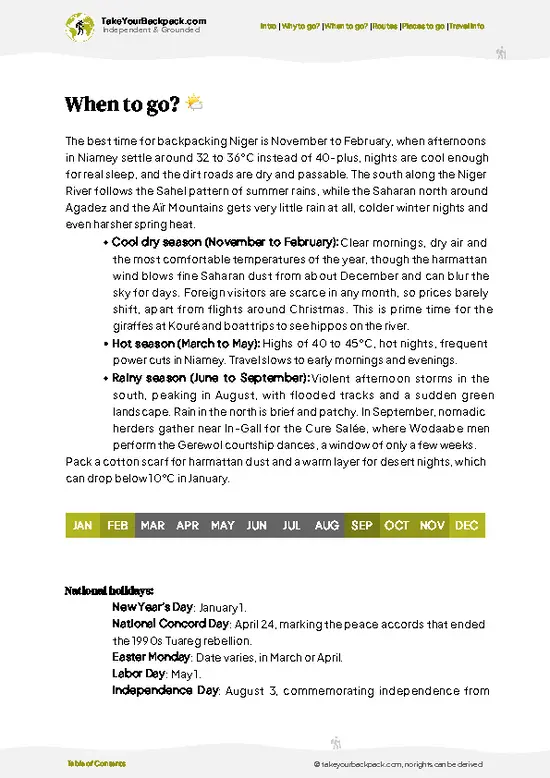
  • Topic: Weather and Temperature — Maradi’s climate is hot and semi-arid. The best window is during the cooler dry season, roughly November to February, when daytime highs hover around 28-32°C (82-90°F) and nights drop to a comfortable 15-20°C (59-68°F). Avoid the scorching hot season from March to May, where temps can soar above 40°C (104°F), making trekking exhausting.

  • Topic: Daylight Hours — Near the equator, Maradi enjoys fairly consistent daylight year-round, about 11-12 hours daily. This steadiness means you don’t have to juggle your schedule around shifting sunrise or sunset times, giving you reliable windows for hiking and exploring.

  • Topic: Crowds — Maradi isn’t a tourist hotspot, so crowds are minimal year-round. However, the dry season sees a slight uptick in local and regional
read more 👉

  • Topic: Weather and Temperature — Maradi’s climate is hot and semi-arid. The best window is during the cooler dry season, roughly November to February, when daytime highs hover around 28-32°C (82-90°F) and nights drop to a comfortable 15-20°C (59-68°F). Avoid the scorching hot season from March to May, where temps can soar above 40°C (104°F), making trekking exhausting.

  • Topic: Daylight Hours — Near the equator, Maradi enjoys fairly consistent daylight year-round, about 11-12 hours daily. This steadiness means you don’t have to juggle your schedule around shifting sunrise or sunset times, giving you reliable windows for hiking and exploring.

  • Topic: Crowds — Maradi isn’t a tourist hotspot, so crowds are minimal year-round. However, the dry season sees a slight uptick in local and regional visitors, especially during festivals, which can add cultural richness without overwhelming the experience.

  • Topic: Seasonal Activities — The dry season aligns with key cultural events and markets, offering authentic encounters. Conversely, the rainy season (June to September) brings lush landscapes but also muddy trails and limited access, which can slow your pace and increase costs.

  • Topic: Price Fluctuations — Prices for accommodation and transport tend to rise modestly during the dry season due to increased demand. The rainy season offers lower prices but at the expense of comfort and accessibility, so weigh savings against potential hassles.


Pro-tip: Target the early dry season—November to December—for the best balance of cool temps, cultural buzz, and manageable prices. It’s when Maradi’s rhythm feels most inviting without the extremes.


source: climatestotravel.comJANJanuary: excellent for travelingFEBFebruary: excellent for travelingMARMarch: fair for travelingAPRApril: fair for travelingMAYMay: fair for travelingJUNJune: good for travelingJULJuly: good for travelingAUGAugust: good for travelingSEPSeptember: good for travelingOCTOctober: highly recommended for travelingNOVNovember: excellent for travelingDECDecember: excellent for traveling
when-to-go

✈️ The backpacker research shortcutNiger Travel Guide

An offline-friendly backpacking guide with optimized travel routes, ranked highlights, transport advice, and the best areas to stay.
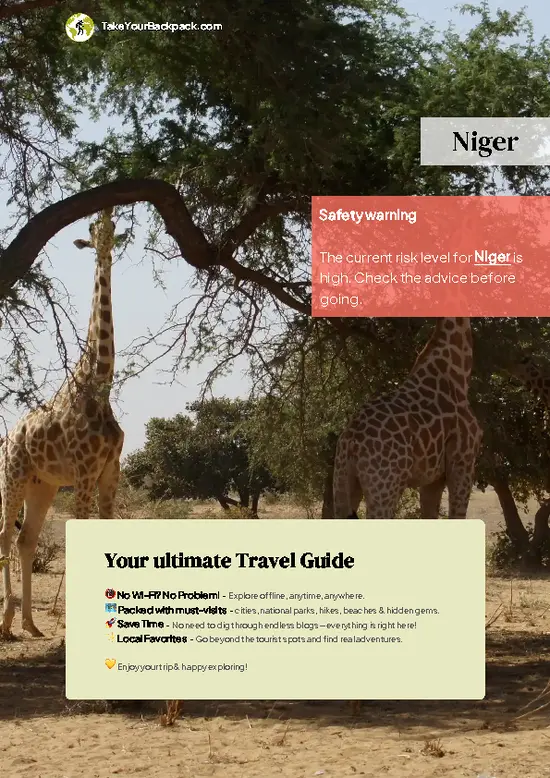
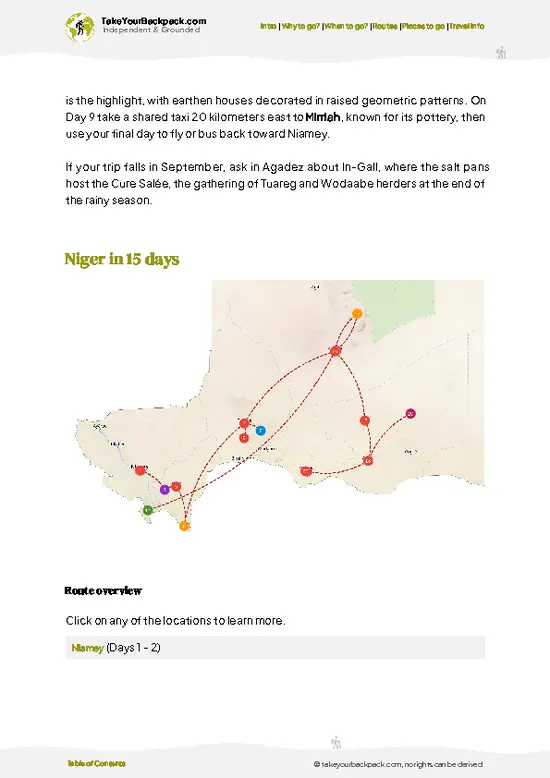
example page 0 from our offline Travel Guide for Nigerexample page 1 from our offline Travel Guide for Nigerexample page 2 from our offline Travel Guide for Nigerexample page 3 from our offline Travel Guide for Nigerexample page 4 from our offline Travel Guide for Nigerexample page 5 from our offline Travel Guide for Nigerexample page 6 from our offline Travel Guide for Nigerexample page 7 from our offline Travel Guide for Niger
The digital guide (292 pages) contains:
69 highlights, ranked by travel appeal
Optimized 5, 10 & 15-day travel routes
Cities, national parks, landmarks, beaches
How to get around
Offline-friendly for travel without Wi-Fi
👉 Click to see all 30+ guide features

📅 Plan smarter in minutes, not weeks
Month by month travel advice
Festivals & national holidays
Budget expectations

🗺️ Go to the right places, skip the overrated ones
Honest pros & cons of destinations
Top hikes, parks & viewpoints
Lesser-known places most travelers miss
Clear “worth it vs skip it” guidance

🛏️ Travel smoothly without rookie mistakes
Best areas to stay
Transport systems explained simply
Common scams & safety advice
SIM cards, money & practical tips

🌍 Understand the country, not just visit it
Culture & traditions
52 Essential phrases & customs
Festivals worth planning around
Traveler-friendly historical context
Insights that make places more meaningful

📱 Built for real travel conditions
Fully downloadable PDF
Works completely offline
Optimized for phone use
Useful in remote areas & buses
Everything in one place
Save weeks of stressful planning
Get instant access to your full guide. 30‑day money-back guarantee.


By proceeding you agree to our terms.
Sent to your inbox immediately after payment • 100% Secure Checkout
Best Backpacking Travel Advisor 2025 tourism awardBest Backpacking
Travel Advisor
2025
What others say about Take Your Backpack Guides:
⭐⭐⭐⭐⭐
Fantastic, amazing amount of information!
⭐⭐⭐⭐⭐
My goodness this is amazing, it's what I've been looking for hats off too you!
⭐⭐⭐⭐⭐
I think this is absolutely BRILLIANT
⭐⭐⭐⭐
Very complete and informative. It's still missing places, but I gotta to commend you
⭐⭐⭐⭐⭐
This is truly amazing, thank you, can't wait to explore it with my kids!
⭐⭐⭐⭐⭐
Awesome resource, thank you!
⭐⭐⭐⭐⭐
This is amazing! Can't wait to explore the ones I haven't seen
⭐⭐⭐⭐
I love this! Well done, great idea.
⭐⭐⭐⭐⭐
Thanks for taking the time to make this gem!
⭐⭐⭐⭐⭐
This might be the best website I've ever seen.
⭐⭐⭐⭐⭐
Congratulations, and thank you so much for your work; it's incredibly valuable.
⭐⭐⭐⭐
In all seriousness I think you did a great job pointing out the important spots
⭐⭐⭐⭐⭐
10/10 very good
⭐⭐⭐⭐⭐
As someone who's only just starting to visit regularly this is awesome, thank you.
⭐⭐⭐⭐
Thank you very much! I'm going to visit my dad, it's going to be very useful!
⭐⭐⭐⭐⭐
This is really cool! We'll be travelling for the first time and this definitely come in handy.
⭐⭐⭐⭐⭐
You are now our minister of culture, congratulations 👨‍💼
⭐⭐⭐⭐⭐
Just wanted to tell you that this is a pearl! Going to follow your recommendations.
⭐⭐⭐⭐⭐
This is so cool. I'll definitely be using the resource for my travels soon.
⭐⭐⭐⭐⭐
This is very impressive! Good work.
⭐⭐⭐⭐⭐
This is an amazing and informative site. Very well done!

🛏️ Where to stay?Best areas and accommodation options

Maradi’s backpacker scene is tightly focused around its central districts, where safety, social energy, and budget options intersect. The heart of the city, near the main market and administrative offices, is your best bet. This area hums with daily life, offering a steady flow of locals and travelers alike, which means you’re never far from a conversation or a shared meal. It’s not flashy, but it’s authentic and practical—exactly what you want when you’re balancing cost and comfort.

Compared to the outskirts, which can feel isolated and less secure after dark, the central neighborhoods provide … read more 👉
Maradi’s backpacker scene is tightly focused around its central districts, where safety, social energy, and budget options intersect. The heart of the city, near the main market and administrative offices, is your best bet. This area hums with daily life, offering a steady flow of locals and travelers alike, which means you’re never far from a conversation or a shared meal. It’s not flashy, but it’s authentic and practical—exactly what you want when you’re balancing cost and comfort.

Compared to the outskirts, which can feel isolated and less secure after dark, the central neighborhoods provide a natural safety net through constant activity. You’ll find modest guesthouses and a handful of hostels that cater to solo travelers and small groups, emphasizing communal spaces over luxury. This setup encourages interaction, making it easier to swap stories or plan your next move with fellow backpackers.

If you stray too far into residential or industrial zones, you lose that social pulse and risk higher transport costs. So, the trade-off is clear: stay central for connection and convenience, sacrificing a bit of quiet for the buzz that makes Maradi’s backpacker experience both manageable and memorable.

🚌 Getting aroundHow to get from A to B

Maradi moves at its own rhythm—a blend of deliberate pace and bursts of spontaneous energy. It’s not a city where you’ll find strict timetables etched in stone, but rather a pulse guided by local intuition and the ebb and flow of daily life. The streets hum with informal networks of transport, where knowing when to hop on or off can save you time or money, depending on your priorities. Here, the trade-offs between time, money, and comfort aren’t just abstract concepts; they’re decisions you make with every step and every ride. Mastering Maradi’s transit is about reading the subtle cues, spotting the right vehicle, and choosing your battles between speed and budget.


  • Walking: The ultimate budget option and the best way to soak in Maradi’s street-level life. It costs nothing and offers total
read more 👉
Maradi moves at its own rhythm—a blend of deliberate pace and bursts of spontaneous energy. It’s not a city where you’ll find strict timetables etched in stone, but rather a pulse guided by local intuition and the ebb and flow of daily life. The streets hum with informal networks of transport, where knowing when to hop on or off can save you time or money, depending on your priorities. Here, the trade-offs between time, money, and comfort aren’t just abstract concepts; they’re decisions you make with every step and every ride. Mastering Maradi’s transit is about reading the subtle cues, spotting the right vehicle, and choosing your battles between speed and budget.


  • Walking: The ultimate budget option and the best way to soak in Maradi’s street-level life. It costs nothing and offers total freedom, but expect the heat and dust to slow you down—plan for 30-45 minutes between major points downtown.


  • Shared Minibuses (Bush Taxis): These are the workhorses of Maradi’s transit scene. They run from dawn until dusk, roughly 6 AM to 7 PM, charging around 200-300 CFA francs per ride. They’re cheap and relatively quick, but comfort is minimal—expect cramped seating and frequent stops. Great if you want to cover distance fast without breaking the bank.


  • Motorcycle Taxis (Zémidjans): The fastest way through traffic and narrow alleys, zémidjans are available 24/7 and cost about 300-500 CFA francs for short trips. They offer a thrilling, if bumpy, ride and can shave off significant time, but comfort and safety take a backseat. Perfect for when you’re in a hurry and traveling light.


  • Private Taxis: More expensive, with fares starting around 1,500 CFA francs for short trips, private taxis offer a more comfortable and direct ride. They’re less common and usually require negotiation or pre-arrangement. Use these when comfort and reliability outweigh cost concerns, especially during off-hours.


  • Bicycle Rentals: A middle ground between walking and motorized transport. Renting a bike costs about 1,000 CFA francs per day, giving you speed and flexibility without the noise or fumes. It requires some stamina and local traffic savvy but is a rewarding way to explore at your own pace.

👛 Costs (as of 23 October 2025)How expensive it really is

Backpacking in Maradi, Niger, demands a clear-eyed view of what your money buys in this less-traveled West African city. Here’s the breakdown of daily costs you can expect, based on recent estimates:
  • Dorm Accommodation (High Season): Around €8-12 per night. Options are limited but functional, often basic guesthouses with shared rooms. Expect simple bedding and minimal amenities.
  • Dorm Accommodation (Off-Season): Drops to about €5-8 per night. Fewer travelers mean better bargaining power, but also fewer choices. Comfort remains modest.
  • Meals: Budget about €3-6 per day if you stick to local street food and small eateries. Staples include millet-based dishes, grilled meats, and fresh produce. Western-style meals or restaurants will push this higher.
  • Local Transport: Around €0.30-0.50 per short
read more 👉
Backpacking in Maradi, Niger, demands a clear-eyed view of what your money buys in this less-traveled West African city. Here’s the breakdown of daily costs you can expect, based on recent estimates:
  • Dorm Accommodation (High Season): Around €8-12 per night. Options are limited but functional, often basic guesthouses with shared rooms. Expect simple bedding and minimal amenities.
  • Dorm Accommodation (Off-Season): Drops to about €5-8 per night. Fewer travelers mean better bargaining power, but also fewer choices. Comfort remains modest.
  • Meals: Budget about €3-6 per day if you stick to local street food and small eateries. Staples include millet-based dishes, grilled meats, and fresh produce. Western-style meals or restaurants will push this higher.
  • Local Transport: Around €0.30-0.50 per short trip using shared taxis or minibuses. These are the lifeblood of getting around town but can be crowded and unpredictable.
  • City Transport Pass: Not commonly available. Most travelers rely on pay-per-ride options. If you find a local pass, it’s likely under €5 for a week, but this is rare.
  • Basic Activities/Entry Fees: Minimal to none for most local markets and cultural sites. If you visit a museum or special site, budget €1-3. Organized tours are scarce and usually pricier.
  • Miscellaneous Expenses: Set aside €1-3 for things like bottled water, phone credit, or small tips. These add up but stay manageable with careful spending.

In sum, a daily budget for backpacking in Maradi ranges roughly from €10 to €25. This covers the essentials without luxury, giving you a solid grip on your spending while navigating the city’s practical realities. The trade-off here is clear: modest comfort and simple meals in exchange for deep immersion and low costs.


source: niger-tourisme.com
⚠️ Prices can change and everyone travels differently, so take this as a rough guide. Hope it helps you plan your adventure!

🚌 Day tripsEasy escapes and nearby places

Maradi, Niger, is a fantastic base for day trips that offer a taste of the region’s rich culture and stunning landscapes. Here are some worthwhile excursions that will elevate your backpacking experience.

Waza National Park
Just a few hours from Maradi, Waza National Park is a wildlife haven. You’ll encounter elephants, lions, and a variety of bird species in their natural habitat. The park is best visited during the dry season, from November to April, when animals congregate around water sources. Expect to spend around 5,000 CFA for entry and a bit more for a local guide. A common mistake is underestimating the time needed for travel; plan for a full day to soak it all in.


Zinder
Zinder, the historical capital of Niger, is a vibrant city that showcases the country’s cultural heritage. … read more 👉
Maradi, Niger, is a fantastic base for day trips that offer a taste of the region’s rich culture and stunning landscapes. Here are some worthwhile excursions that will elevate your backpacking experience.

Waza National Park
Just a few hours from Maradi, Waza National Park is a wildlife haven. You’ll encounter elephants, lions, and a variety of bird species in their natural habitat. The park is best visited during the dry season, from November to April, when animals congregate around water sources. Expect to spend around 5,000 CFA for entry and a bit more for a local guide. A common mistake is underestimating the time needed for travel; plan for a full day to soak it all in.


Zinder
Zinder, the historical capital of Niger, is a vibrant city that showcases the country’s cultural heritage. The trip takes about an hour and a half by bus, costing around 1,000 CFA. Explore the ancient Sultan’s Palace and the bustling markets filled with local crafts. The best time to visit is in the cooler months, from November to February. Many first-timers miss the chance to engage with locals; don’t hesitate to strike up a conversation.
👉 Explore Zinder

The Aïr Mountains
For those craving adventure, the Aïr Mountains are a must. A day trip involves a 2-3 hour drive, costing around 3,000 CFA for transport. The rugged terrain offers stunning views and opportunities for hiking. The best time to visit is during the cooler months, but be prepared for varying weather conditions. A common pitfall is not bringing enough water; hydration is key in this arid landscape.
👉 Explore Aïr Mountains

Maradi’s Local Markets
If you prefer to stay closer to home, dive into Maradi’s local markets. Spend a few hours exploring the vibrant stalls filled with textiles, spices, and local delicacies. This is a budget-friendly option, costing little more than what you spend on snacks. The markets are most lively in the morning, so aim to arrive early. First-timers often overlook the chance to bargain; don’t be shy—haggling is part of the experience!


Kandadji Dam
A bit further afield, Kandadji Dam is an engineering marvel and a beautiful spot for a day trip. It’s about a 3-hour drive from Maradi, costing around 4,000 CFA for transport. The dam area offers scenic views and opportunities for picnicking. The best time to visit is during the dry season when the water levels are stable. Many travelers forget to bring a camera; the landscapes are worth capturing.
Want to know what more Niger offers?
The Niger Travel Guide describes 69 highlights, from cities to national parks, from beaches to hikes

Get the Travel Guide -

🍲 FoodLocal Cuisine & Drinks

In Maradi, food is a vibrant tapestry of flavors that tells the story of its people. Start with jollof rice, a staple that’s often served with grilled chicken or fish. The spices dance on your palate, making each bite a celebration. Don’t miss out on fufu, a starchy side that pairs perfectly with rich stews, soaking up every drop of flavor.

Street food is where the magic happens. Vendors line the bustling markets, offering suya, skewered meat seasoned with fiery spices. The aroma wafts through the air, drawing you in. Grab a plate and enjoy it with a side of kuli-kuli, a crunchy peanut snack that’s both savory and satisfying.

When it comes to drinks, zobo is a must-try. This hibiscus tea is refreshing and slightly tart, perfect for cooling off in the heat. You’ll find it at local stalls, … read more 👉
In Maradi, food is a vibrant tapestry of flavors that tells the story of its people. Start with jollof rice, a staple that’s often served with grilled chicken or fish. The spices dance on your palate, making each bite a celebration. Don’t miss out on fufu, a starchy side that pairs perfectly with rich stews, soaking up every drop of flavor.

Street food is where the magic happens. Vendors line the bustling markets, offering suya, skewered meat seasoned with fiery spices. The aroma wafts through the air, drawing you in. Grab a plate and enjoy it with a side of kuli-kuli, a crunchy peanut snack that’s both savory and satisfying.

When it comes to drinks, zobo is a must-try. This hibiscus tea is refreshing and slightly tart, perfect for cooling off in the heat. You’ll find it at local stalls, often served chilled with a sprinkle of sugar.

Etiquette is straightforward: share your food and enjoy communal meals. It’s a way to bond and connect. So, dive into the local scene, savor the flavors, and let the warmth of Maradi’s culinary culture envelop you.

🛡️ SafetyStaying Safe: What Travelers Should Know

Maradi, Niger, is generally safe for backpackers, but a few practical tips can enhance your experience. Stay aware in crowded markets, especially around the bustling central area. Pickpocketing can happen, so keep your valuables close and consider using a money belt.

If you’re traveling solo, avoid wandering too far after dark. The streets can be quiet, and it’s best to stick to well-lit areas. Local transportation is reliable, but always negotiate fares upfront to avoid misunderstandings.

Scams are rare, but some vendors may inflate prices for tourists. A friendly smile and a firm, polite response can often defuse any awkwardness.

Annoyances like persistent street vendors can test your patience. A simple “no, thank you” usually suffices. Carry yourself with confidence, and you’ll navigate … read more 👉
Maradi, Niger, is generally safe for backpackers, but a few practical tips can enhance your experience. Stay aware in crowded markets, especially around the bustling central area. Pickpocketing can happen, so keep your valuables close and consider using a money belt.

If you’re traveling solo, avoid wandering too far after dark. The streets can be quiet, and it’s best to stick to well-lit areas. Local transportation is reliable, but always negotiate fares upfront to avoid misunderstandings.

Scams are rare, but some vendors may inflate prices for tourists. A friendly smile and a firm, polite response can often defuse any awkwardness.

Annoyances like persistent street vendors can test your patience. A simple “no, thank you” usually suffices. Carry yourself with confidence, and you’ll navigate Maradi’s vibrant streets with ease. Enjoy the local culture, and remember that a little awareness goes a long way.

Other Nigerien cities near Maradi

Explore more nearby:

  • Madarounfa—sacred lake, baobab groves, Fulani settlements| 19 km away
  • Tchirozerine—uranium mining, desert plateau, industrial outskirts| 101 km away
  • Keita—reforestation projects, hillside villages, dry valleys| 200 km away

💡 Not sure where to go next?
Create a personalized itinerary for Niger including Maradi and the places that fit your trip.

Generate my itinerary

👉 Discover all cities

Or checkout all Niger has to offer (think cities, towns, villages, national parks, hikes, beaches, festivals)
Country photo of Niger

We 💚 feedbackWhat to keep in mind

Maradi has a pulse that’s hard to ignore. The market buzzes with life, where you can taste the local flavors and feel the warmth of genuine smiles. The best surprise? The vibrant textiles that seem to dance in the sunlight—perfect for a keepsake. Just a heads-up: the heat can be relentless, so plan your outings early or late in the day. Embrace the chaos, and you’ll find moments that stick with you long after you leave.

✍️ Help improve this page!
The information on this page is based on in-depth research, insights shared by experienced travelers, and feedback from the local travel community in Niger. While every effort is made to keep the information accurate and current, conditions can change — so if you spot anything incorrect or outdated, please get in touch.


🙋‍♂️ Give feedback

👋 Meet the founderWho’s Behind Take Your Backpack?

Johan, backpacker and founder of TakeYourBackpackHi, I’m Johan (Netherlands 🇳🇱), the creator of TakeYourBackpack. Over the past decade, I’ve backpacked through 80+ countries across six continents, gaining extensive experience with independent travel, long-term trips, and overland routes.

This site is built on a combination of firsthand travel experience and carefully curated insights from other backpackers. Many guides are based on places I’ve personally visited, while others bring together tips, observations, and practical advice shared by trusted travelers I’ve met along the way.

The goal is to provide realistic, experience-driven guidance — not generic itineraries — so you can explore destinations with better context, clearer expectations, and more confidence.

Get full Niger guide •
Instant download • 69 highlights • Full Offline guide