v2.webp)
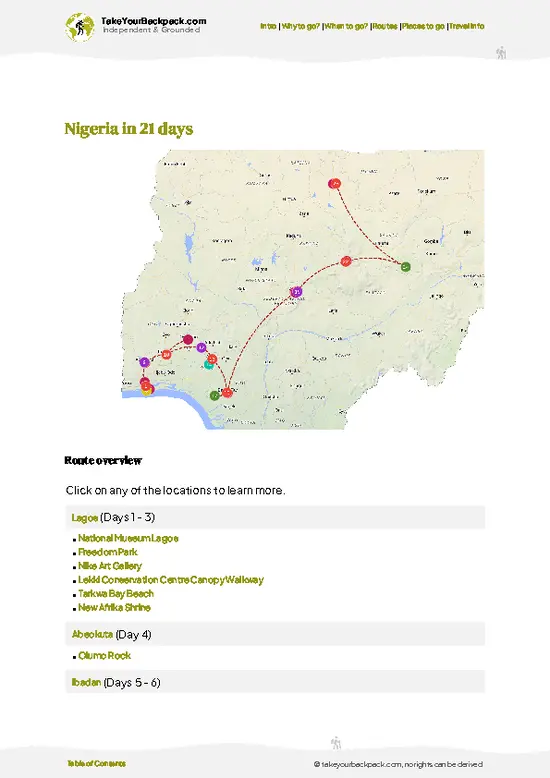
1. The Open-Air Maze of Artisan Stalls
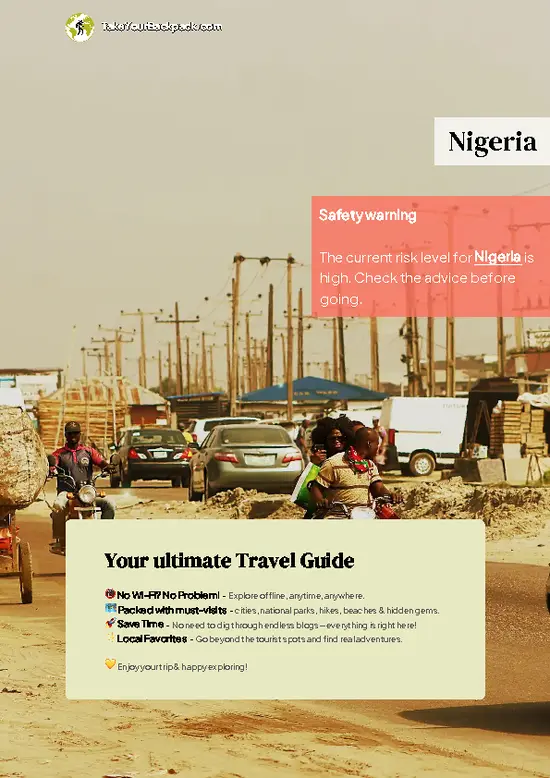
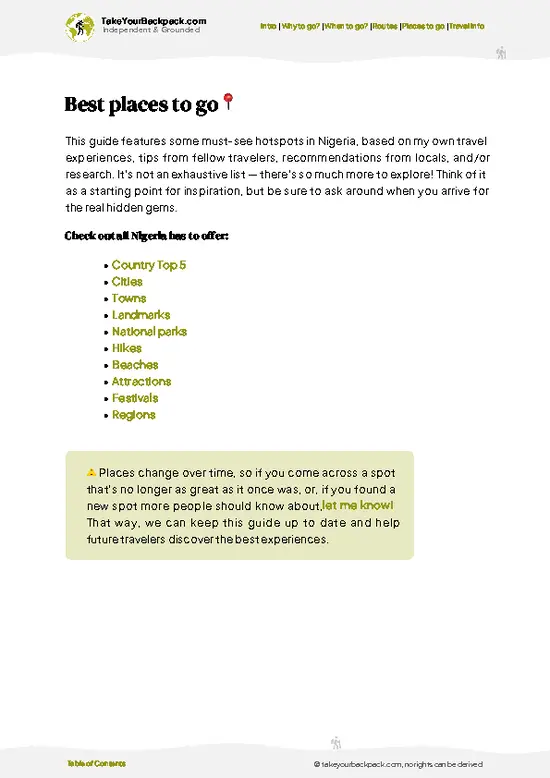
Forget the Instagram fantasy of a quaint, empty village. The real Abuja Arts and Crafts Village is a living, breathing bazaar—sometimes chaotic, always electric. You’ll weave through a patchwork of corrugated iron roofs and sun-bleached tarps, each sheltering a microcosm of West African creativity. This isn’t a sanitized gallery; it’s a sensory overload. Expect the air to be thick with woodsmoke, the clatter of chisels, and the low hum of bargaining. If you want to see the raw, unfiltered engine of Nigerian craft, this is it.
2. Live Demonstrations: Artists at Work
Here’s the magic the travel brochures skip: you’re not just buying souvenirs, you’re watching them come to life. Woodcarvers, bead-stringers, and batik artists work right in front of you, … read more 👉
Forget the Instagram fantasy of a quaint, empty village. The real Abuja Arts and Crafts Village is a living, breathing bazaar—sometimes chaotic, always electric. You’ll weave through a patchwork of corrugated iron roofs and sun-bleached tarps, each sheltering a microcosm of West African creativity. This isn’t a sanitized gallery; it’s a sensory overload. Expect the air to be thick with woodsmoke, the clatter of chisels, and the low hum of bargaining. If you want to see the raw, unfiltered engine of Nigerian craft, this is it.
2. Live Demonstrations: Artists at Work
Here’s the magic the travel brochures skip: you’re not just buying souvenirs, you’re watching them come to life. Woodcarvers, bead-stringers, and batik artists work right in front of you, … read more 👉
1. The Open-Air Maze of Artisan Stalls
Forget the Instagram fantasy of a quaint, empty village. The real Abuja Arts and Crafts Village is a living, breathing bazaar—sometimes chaotic, always electric. You’ll weave through a patchwork of corrugated iron roofs and sun-bleached tarps, each sheltering a microcosm of West African creativity. This isn’t a sanitized gallery; it’s a sensory overload. Expect the air to be thick with woodsmoke, the clatter of chisels, and the low hum of bargaining. If you want to see the raw, unfiltered engine of Nigerian craft, this is it.
2. Live Demonstrations: Artists at Work
Here’s the magic the travel brochures skip: you’re not just buying souvenirs, you’re watching them come to life. Woodcarvers, bead-stringers, and batik artists work right in front of you, often happy to explain their process if you show genuine interest. There’s no velvet rope. You’ll see hands stained with dye, hear the scrape of carving tools, and maybe even get a quick lesson in how a calabash is hollowed or a mask is shaped. It’s messy, imperfect, and absolutely real.
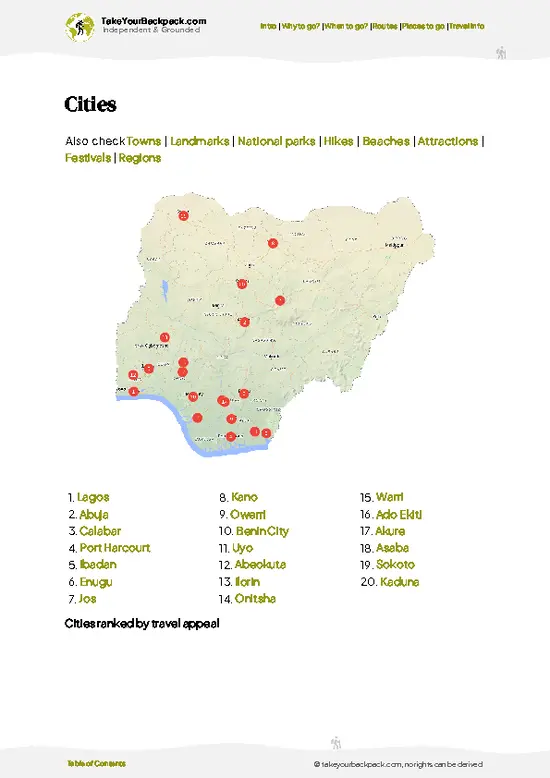
3. The Mask Wall
There’s a wall—part fence, part display—where dozens of carved masks stare back at you. Some are traditional, some are wild improvisations, all are for sale. This isn’t a curated museum; it’s a riot of faces, each with its own story. The sheer variety is dizzying, and if you’re lucky, the vendor will launch into the myth behind a particularly fierce-looking mask. This is where you realize that art here isn’t just decoration—it’s history, protest, and pride, all carved into wood.
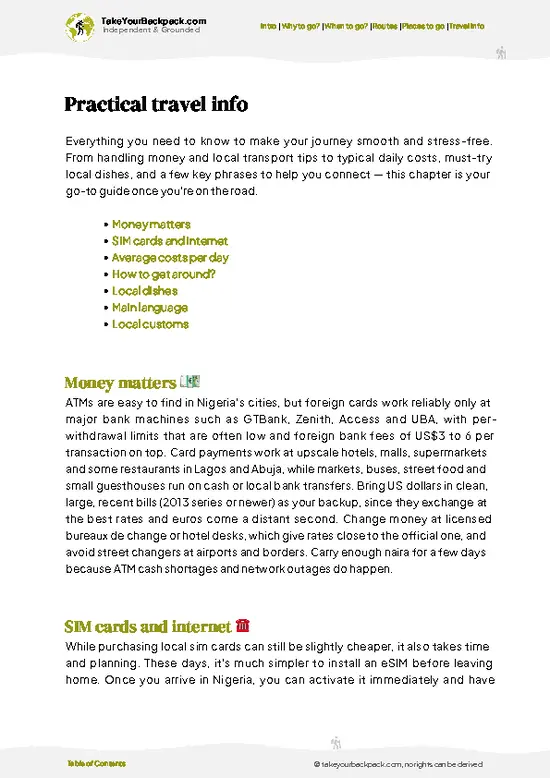
4. The Bargaining Ritual
If you’re allergic to haggling, brace yourself. Prices here are fluid, and the negotiation is half the entertainment. Vendors expect you to bargain, and the back-and-forth is part theater, part sport. Don’t be shy—smile, counter-offer, and enjoy the dance. You’ll walk away with a better deal and a story to tell. Just remember: respect is the currency that matters most.
5. The Unexpected Finds: Beyond the Usual Souvenirs
Sure, you’ll see the usual suspects—beaded necklaces, woven baskets, Ankara fabrics. But the real thrill is stumbling on something you didn’t know you wanted: a hand-carved chess set, a painting on recycled metal, a drum that still smells of fresh leather. The inventory shifts with the artists’ moods and the season. If you’re hunting for something truly one-of-a-kind, this is where you’ll find it—often buried under a pile of the ordinary.
6. The Human Connection
This isn’t a place for passive browsing. The best moments come from the conversations—sometimes playful, sometimes philosophical—that happen when you linger. Ask about a technique, compliment a piece, or just listen. You’ll get stories about village life, politics, or the struggle to keep traditional crafts alive in a world obsessed with imports. It’s these unscripted exchanges that turn a shopping trip into a genuine cultural encounter.
Forget the Instagram fantasy of a quaint, empty village. The real Abuja Arts and Crafts Village is a living, breathing bazaar—sometimes chaotic, always electric. You’ll weave through a patchwork of corrugated iron roofs and sun-bleached tarps, each sheltering a microcosm of West African creativity. This isn’t a sanitized gallery; it’s a sensory overload. Expect the air to be thick with woodsmoke, the clatter of chisels, and the low hum of bargaining. If you want to see the raw, unfiltered engine of Nigerian craft, this is it.
2. Live Demonstrations: Artists at Work
Here’s the magic the travel brochures skip: you’re not just buying souvenirs, you’re watching them come to life. Woodcarvers, bead-stringers, and batik artists work right in front of you, often happy to explain their process if you show genuine interest. There’s no velvet rope. You’ll see hands stained with dye, hear the scrape of carving tools, and maybe even get a quick lesson in how a calabash is hollowed or a mask is shaped. It’s messy, imperfect, and absolutely real.
3. The Mask Wall
There’s a wall—part fence, part display—where dozens of carved masks stare back at you. Some are traditional, some are wild improvisations, all are for sale. This isn’t a curated museum; it’s a riot of faces, each with its own story. The sheer variety is dizzying, and if you’re lucky, the vendor will launch into the myth behind a particularly fierce-looking mask. This is where you realize that art here isn’t just decoration—it’s history, protest, and pride, all carved into wood.
4. The Bargaining Ritual
If you’re allergic to haggling, brace yourself. Prices here are fluid, and the negotiation is half the entertainment. Vendors expect you to bargain, and the back-and-forth is part theater, part sport. Don’t be shy—smile, counter-offer, and enjoy the dance. You’ll walk away with a better deal and a story to tell. Just remember: respect is the currency that matters most.
5. The Unexpected Finds: Beyond the Usual Souvenirs
Sure, you’ll see the usual suspects—beaded necklaces, woven baskets, Ankara fabrics. But the real thrill is stumbling on something you didn’t know you wanted: a hand-carved chess set, a painting on recycled metal, a drum that still smells of fresh leather. The inventory shifts with the artists’ moods and the season. If you’re hunting for something truly one-of-a-kind, this is where you’ll find it—often buried under a pile of the ordinary.
6. The Human Connection
This isn’t a place for passive browsing. The best moments come from the conversations—sometimes playful, sometimes philosophical—that happen when you linger. Ask about a technique, compliment a piece, or just listen. You’ll get stories about village life, politics, or the struggle to keep traditional crafts alive in a world obsessed with imports. It’s these unscripted exchanges that turn a shopping trip into a genuine cultural encounter.
Spotted a mistake or missing something? Contact us.

Abuja Wonderland Mountain Hike & Authentic Nigerian Breakfast

Gurara Waterfall

2 Days Safari Tour

Abuja City Tour–Explore Nigeria’s History, Art,Culture &Landmarks

Guided Lagos Markets Tours

Experience Abuja Tour, All Inclusive

6-Day Nigeria Discovery Tour:Abuja,Enugu & Obudu(3-City Adventure

Abuja Nature And Parks Tour

Farin Ruwa Waterfall - Chasing waterfall (Breathtaking Adventure)


 Best Backpacking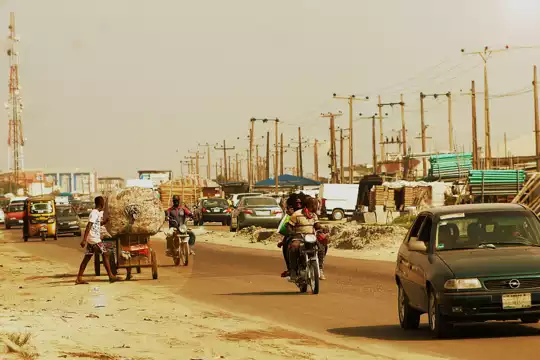
.jpg) Hi, I’m Johan (Netherlands 🇳🇱), the creator of TakeYourBackpack. Over the past 3 decades, I’ve backpacked through 90+ countries across six continents, gaining extensive experience with independent travel, long-term trips, and overland routes.
Hi, I’m Johan (Netherlands 🇳🇱), the creator of TakeYourBackpack. Over the past 3 decades, I’ve backpacked through 90+ countries across six continents, gaining extensive experience with independent travel, long-term trips, and overland routes.