v2.webp)


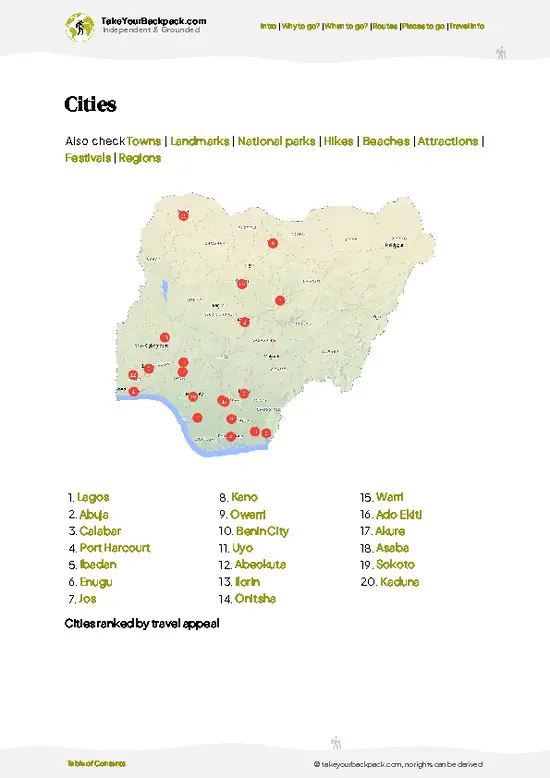
Main Auditorium Performances
Let’s cut through the hype: the National Theatre’s main auditorium is not some Instagrammable backdrop—it’s a living, breathing stage for Nigeria’s most ambitious productions. This is where you catch the real pulse of Lagos’ performing arts. The space itself is a 5,000-seater, spaceship-shaped relic of 1970s optimism, and when it fills up for a major play, dance, or music event, the energy is undeniable. You’re not just watching a show; you’re swept into a communal experience that’s loud, proud, and utterly Nigerian. The acoustics are surprisingly sharp, and the crowd is never shy about showing love (or critique). If you want to see the best of Nigerian theatre—think Wole Soyinka plays, Afrobeats concerts, or Yoruba folk storytelling—this is the only stage that … read more 👉
Let’s cut through the hype: the National Theatre’s main auditorium is not some Instagrammable backdrop—it’s a living, breathing stage for Nigeria’s most ambitious productions. This is where you catch the real pulse of Lagos’ performing arts. The space itself is a 5,000-seater, spaceship-shaped relic of 1970s optimism, and when it fills up for a major play, dance, or music event, the energy is undeniable. You’re not just watching a show; you’re swept into a communal experience that’s loud, proud, and utterly Nigerian. The acoustics are surprisingly sharp, and the crowd is never shy about showing love (or critique). If you want to see the best of Nigerian theatre—think Wole Soyinka plays, Afrobeats concerts, or Yoruba folk storytelling—this is the only stage that … read more 👉
Main Auditorium Performances
Let’s cut through the hype: the National Theatre’s main auditorium is not some Instagrammable backdrop—it’s a living, breathing stage for Nigeria’s most ambitious productions. This is where you catch the real pulse of Lagos’ performing arts. The space itself is a 5,000-seater, spaceship-shaped relic of 1970s optimism, and when it fills up for a major play, dance, or music event, the energy is undeniable. You’re not just watching a show; you’re swept into a communal experience that’s loud, proud, and utterly Nigerian. The acoustics are surprisingly sharp, and the crowd is never shy about showing love (or critique). If you want to see the best of Nigerian theatre—think Wole Soyinka plays, Afrobeats concerts, or Yoruba folk storytelling—this is the only stage that matters.
Open-Air Amphitheatre
Forget velvet ropes and velvet seats. The amphitheatre is where the National Theatre drops its guard and lets the city in. On weekends, you’ll find everything from open-mic poetry to highlife bands and impromptu dance battles. The vibe is raw, unpredictable, and refreshingly unfiltered. You’re as likely to see a rising star as you are a local legend just showing off for the fun of it. There’s no air of exclusivity—just Lagosians doing what they do best: turning any patch of concrete into a party. If you want to feel the city’s creative heartbeat, skip the main hall and hang out here.
Art Exhibitions in the Exhibition Hall
The National Theatre isn’t just about what happens on stage. The exhibition hall hosts rotating displays of contemporary Nigerian art, photography, and sculpture. This isn’t a white-cube gallery with hushed tones; it’s a space where artists experiment and audiences actually talk back. You’ll see bold, sometimes confrontational work—political cartoons, protest art, and pieces that wrestle with Nigeria’s contradictions. It’s a crash course in the country’s visual culture, and it’s refreshingly free of the pretension you’ll find in more commercial galleries.
Film Screenings and Festivals
Nollywood is the world’s second-largest film industry, and the National Theatre is one of its spiritual homes. The cinema spaces here host film festivals, indie screenings, and retrospectives that you won’t find on Netflix or at the mall. The crowd is a mix of filmmakers, students, and die-hard fans who aren’t afraid to shout at the screen or debate plot twists in the lobby. If you want to understand why Nigerian cinema is a global phenomenon, this is where you see it in its rawest, most communal form.
Backstage Tours (When Available)
If you get the chance—and it’s not always on offer—take a backstage tour. The architecture is a time capsule of 1970s ambition, with cavernous corridors and dressing rooms that have hosted everyone from masked dancers to presidential guests. You’ll see the grit behind the glamour: battered props, graffiti from past productions, and the real hustle that keeps the place running. It’s not polished, but it’s honest—and that’s the real magic of the National Theatre.
Let’s cut through the hype: the National Theatre’s main auditorium is not some Instagrammable backdrop—it’s a living, breathing stage for Nigeria’s most ambitious productions. This is where you catch the real pulse of Lagos’ performing arts. The space itself is a 5,000-seater, spaceship-shaped relic of 1970s optimism, and when it fills up for a major play, dance, or music event, the energy is undeniable. You’re not just watching a show; you’re swept into a communal experience that’s loud, proud, and utterly Nigerian. The acoustics are surprisingly sharp, and the crowd is never shy about showing love (or critique). If you want to see the best of Nigerian theatre—think Wole Soyinka plays, Afrobeats concerts, or Yoruba folk storytelling—this is the only stage that matters.
Open-Air Amphitheatre
Forget velvet ropes and velvet seats. The amphitheatre is where the National Theatre drops its guard and lets the city in. On weekends, you’ll find everything from open-mic poetry to highlife bands and impromptu dance battles. The vibe is raw, unpredictable, and refreshingly unfiltered. You’re as likely to see a rising star as you are a local legend just showing off for the fun of it. There’s no air of exclusivity—just Lagosians doing what they do best: turning any patch of concrete into a party. If you want to feel the city’s creative heartbeat, skip the main hall and hang out here.
Art Exhibitions in the Exhibition Hall
The National Theatre isn’t just about what happens on stage. The exhibition hall hosts rotating displays of contemporary Nigerian art, photography, and sculpture. This isn’t a white-cube gallery with hushed tones; it’s a space where artists experiment and audiences actually talk back. You’ll see bold, sometimes confrontational work—political cartoons, protest art, and pieces that wrestle with Nigeria’s contradictions. It’s a crash course in the country’s visual culture, and it’s refreshingly free of the pretension you’ll find in more commercial galleries.
Film Screenings and Festivals
Nollywood is the world’s second-largest film industry, and the National Theatre is one of its spiritual homes. The cinema spaces here host film festivals, indie screenings, and retrospectives that you won’t find on Netflix or at the mall. The crowd is a mix of filmmakers, students, and die-hard fans who aren’t afraid to shout at the screen or debate plot twists in the lobby. If you want to understand why Nigerian cinema is a global phenomenon, this is where you see it in its rawest, most communal form.
Backstage Tours (When Available)
If you get the chance—and it’s not always on offer—take a backstage tour. The architecture is a time capsule of 1970s ambition, with cavernous corridors and dressing rooms that have hosted everyone from masked dancers to presidential guests. You’ll see the grit behind the glamour: battered props, graffiti from past productions, and the real hustle that keeps the place running. It’s not polished, but it’s honest—and that’s the real magic of the National Theatre.
Spotted a mistake or missing something? Contact us.

Makoko Floating Community Tour

Experience Lagos Nigeria Ghana Togo and Benin with Confidence

Badagry Slave Trade & Black Heritage Historical Tour

Lagos City Tour

7 Hours Journey Through The Best Of Lagos

Explore Nigeria And Ghana 9 Days

14 Days Exploring Nigeria, Benin, Togo, Ghana and Cote d'ivoire

Lekki Conservation Center Extraordinary Tour

9 Days Four Country Tour Nigeria, Benin, Togo and Ghana


 Best Backpacking
.jpg) Hi, I’m Johan (Netherlands 🇳🇱), the creator of TakeYourBackpack. Over the past 3 decades, I’ve backpacked through 90+ countries across six continents, gaining extensive experience with independent travel, long-term trips, and overland routes.
Hi, I’m Johan (Netherlands 🇳🇱), the creator of TakeYourBackpack. Over the past 3 decades, I’ve backpacked through 90+ countries across six continents, gaining extensive experience with independent travel, long-term trips, and overland routes.