v2.webp)
The Observation Deck (The Elevator Ride to the Top)
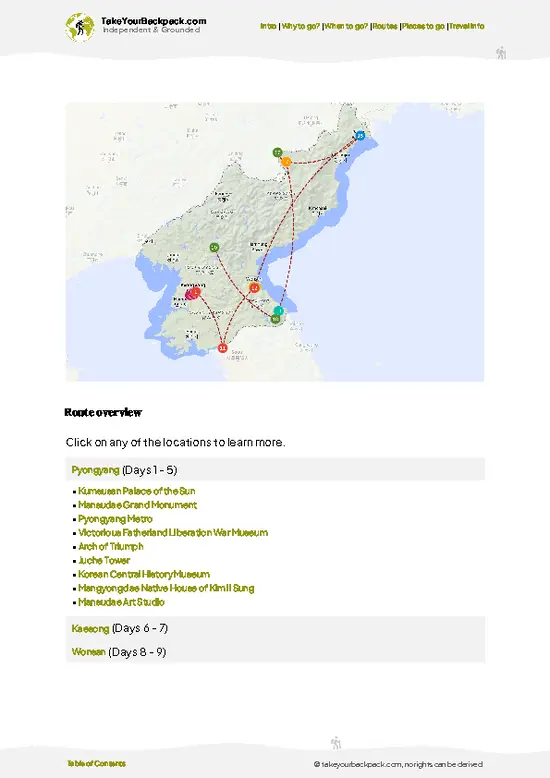
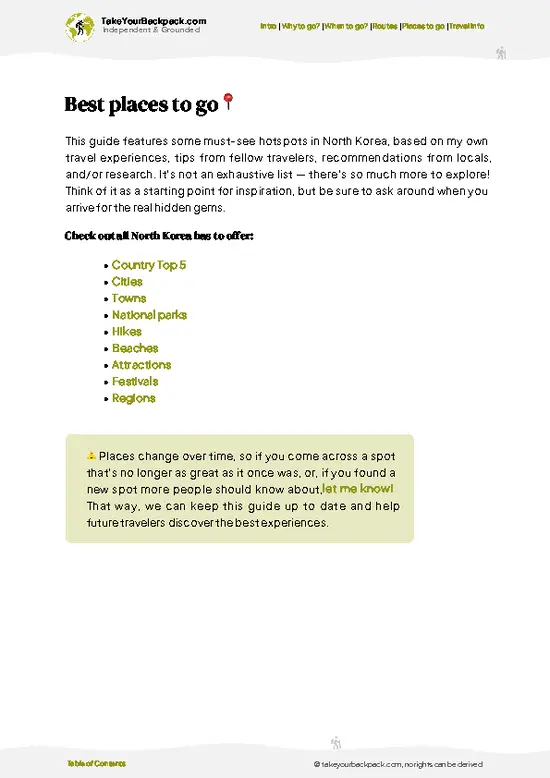
Let’s get real: most people come for the view, and it’s not oversold. After a ride in a rickety elevator that feels like a Cold War time capsule, you’re spat out onto a platform 150 meters above Pyongyang. The city below is a living diorama—wide boulevards, regimented apartment blocks, the Taedong River snaking through it all. It’s not “breathtaking” in the Instagram sense, but it’s a rare, unfiltered look at a city most of the world only glimpses through propaganda or satellite images. The silence up there is almost eerie, broken only by the wind and the distant hum of traffic. If you want to feel the weight of history and isolation, this is the spot.
The Torch Sculpture
The flame at the top isn’t just for show—it’s a 20-meter-tall slab of … read more 👉
Let’s get real: most people come for the view, and it’s not oversold. After a ride in a rickety elevator that feels like a Cold War time capsule, you’re spat out onto a platform 150 meters above Pyongyang. The city below is a living diorama—wide boulevards, regimented apartment blocks, the Taedong River snaking through it all. It’s not “breathtaking” in the Instagram sense, but it’s a rare, unfiltered look at a city most of the world only glimpses through propaganda or satellite images. The silence up there is almost eerie, broken only by the wind and the distant hum of traffic. If you want to feel the weight of history and isolation, this is the spot.
The Torch Sculpture
The flame at the top isn’t just for show—it’s a 20-meter-tall slab of … read more 👉
The Observation Deck (The Elevator Ride to the Top)
Let’s get real: most people come for the view, and it’s not oversold. After a ride in a rickety elevator that feels like a Cold War time capsule, you’re spat out onto a platform 150 meters above Pyongyang. The city below is a living diorama—wide boulevards, regimented apartment blocks, the Taedong River snaking through it all. It’s not “breathtaking” in the Instagram sense, but it’s a rare, unfiltered look at a city most of the world only glimpses through propaganda or satellite images. The silence up there is almost eerie, broken only by the wind and the distant hum of traffic. If you want to feel the weight of history and isolation, this is the spot.
The Torch Sculpture
The flame at the top isn’t just for show—it’s a 20-meter-tall slab of red glass, illuminated at night. Up close, it’s less “symbolic beacon” and more “retro-futurist fever dream.” The torch is visible from all over Pyongyang, but standing beneath it, you realize how much it dominates the city’s psyche. It’s a literal and figurative high point of North Korean iconography, and the craftsmanship is surprisingly intricate for something designed to be seen from miles away.
The Surrounding Statues and Reliefs
At the base, you’ll find a trio of giant bronze figures: a worker, a farmer, and an intellectual, each wielding their respective tools like they’re about to lead a parade. The scale is absurd, but the detail is impressive—look for the veins in the hands and the folds in the uniforms. These statues aren’t just decoration; they’re a crash course in North Korean ideology, distilled into metal and stone. The surrounding reliefs are equally dense with symbolism, and if you’re into political art, this is a goldmine.
The Juche Ideology Museum
Tucked beside the tower, this museum is a masterclass in state-sponsored storytelling. You’ll see dioramas, gifts from foreign dignitaries, and enough portraits of Kim Il Sung to last a lifetime. It’s not subtle, but it’s fascinating in its own right—part museum, part shrine, part fever dream. The guides are rehearsed to the syllable, but if you listen between the lines, you’ll catch glimpses of how the regime wants to be seen by outsiders. This is my personal favorite, because nowhere else in the world does propaganda feel so theatrical, so immersive, and so revealing.
The Nighttime Illumination
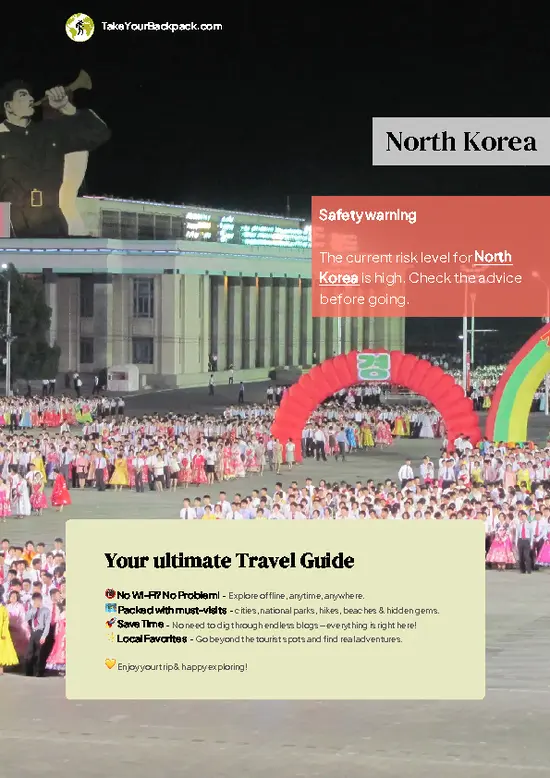
If you’re lucky enough to visit after dark, the tower transforms. The torch glows a radioactive red, and the whole structure stands out against Pyongyang’s otherwise dim skyline. It’s not subtle, but it’s strangely beautiful—less about grandeur, more about defiance. The city’s energy grid may be patchy, but the Juche Tower never goes dark. That says everything you need to know about priorities here.
Let’s get real: most people come for the view, and it’s not oversold. After a ride in a rickety elevator that feels like a Cold War time capsule, you’re spat out onto a platform 150 meters above Pyongyang. The city below is a living diorama—wide boulevards, regimented apartment blocks, the Taedong River snaking through it all. It’s not “breathtaking” in the Instagram sense, but it’s a rare, unfiltered look at a city most of the world only glimpses through propaganda or satellite images. The silence up there is almost eerie, broken only by the wind and the distant hum of traffic. If you want to feel the weight of history and isolation, this is the spot.
The Torch Sculpture
The flame at the top isn’t just for show—it’s a 20-meter-tall slab of red glass, illuminated at night. Up close, it’s less “symbolic beacon” and more “retro-futurist fever dream.” The torch is visible from all over Pyongyang, but standing beneath it, you realize how much it dominates the city’s psyche. It’s a literal and figurative high point of North Korean iconography, and the craftsmanship is surprisingly intricate for something designed to be seen from miles away.
The Surrounding Statues and Reliefs
At the base, you’ll find a trio of giant bronze figures: a worker, a farmer, and an intellectual, each wielding their respective tools like they’re about to lead a parade. The scale is absurd, but the detail is impressive—look for the veins in the hands and the folds in the uniforms. These statues aren’t just decoration; they’re a crash course in North Korean ideology, distilled into metal and stone. The surrounding reliefs are equally dense with symbolism, and if you’re into political art, this is a goldmine.
The Juche Ideology Museum
Tucked beside the tower, this museum is a masterclass in state-sponsored storytelling. You’ll see dioramas, gifts from foreign dignitaries, and enough portraits of Kim Il Sung to last a lifetime. It’s not subtle, but it’s fascinating in its own right—part museum, part shrine, part fever dream. The guides are rehearsed to the syllable, but if you listen between the lines, you’ll catch glimpses of how the regime wants to be seen by outsiders. This is my personal favorite, because nowhere else in the world does propaganda feel so theatrical, so immersive, and so revealing.
The Nighttime Illumination
If you’re lucky enough to visit after dark, the tower transforms. The torch glows a radioactive red, and the whole structure stands out against Pyongyang’s otherwise dim skyline. It’s not subtle, but it’s strangely beautiful—less about grandeur, more about defiance. The city’s energy grid may be patchy, but the Juche Tower never goes dark. That says everything you need to know about priorities here.
Spotted a mistake or missing something? Contact us.

 Best Backpacking
.jpg) Hi, I’m Johan (Netherlands 🇳🇱), the creator of TakeYourBackpack. Over the past decade, I’ve backpacked through 80+ countries across six continents, gaining extensive experience with independent travel, long-term trips, and overland routes.
Hi, I’m Johan (Netherlands 🇳🇱), the creator of TakeYourBackpack. Over the past decade, I’ve backpacked through 80+ countries across six continents, gaining extensive experience with independent travel, long-term trips, and overland routes.