
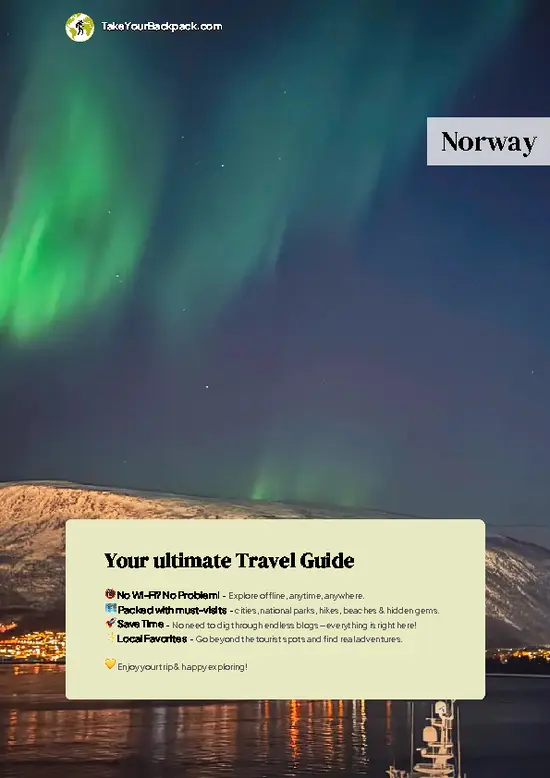




1. Haakon’s Hall
Let’s get real: most medieval halls are either gutted shells or over-restored theme parks. Haakon’s Hall is neither. This stone giant was built in the 13th century for King Haakon Haakonsson, and it’s still standing with its dignity intact. Walk inside and you’re hit with the kind of echo that only centuries of royal feasts, coronations, and a few accidental fires can create. The hall’s sheer volume—high, arched ceilings, thick walls, and that cold, slightly musty air—makes you feel like you’ve time-traveled to a Norse Game of Thrones episode, minus the dragons and with more sensible Scandinavian furniture. Skip the Instagram pose and just stand in the middle for a minute. You’ll get it.
2. Rosenkrantz Tower
If you’ve ever wanted to climb a real fortress tower without elbowing … read more 👉
1. Haakon’s Hall
Let’s get real: most medieval halls are either gutted shells or over-restored theme parks. Haakon’s Hall is neither. This stone giant was built in the 13th century for King Haakon Haakonsson, and it’s still standing with its dignity intact. Walk inside and you’re hit with the kind of echo that only centuries of royal feasts, coronations, and a few accidental fires can create. The hall’s sheer volume—high, arched ceilings, thick walls, and that cold, slightly musty air—makes you feel like you’ve time-traveled to a Norse Game of Thrones episode, minus the dragons and with more sensible Scandinavian furniture. Skip the Instagram pose and just stand in the middle for a minute. You’ll get it.
2. Rosenkrantz Tower
If you’ve ever wanted to climb a real fortress tower without elbowing through a mob of selfie sticks, this is your shot. Rosenkrantz Tower is a proper 16th-century fortification, not a Disney knockoff. The spiral staircases are narrow, the rooms are sparse, and the views from the top are the kind that make you forget about your phone. You’ll see Bergen’s harbor, the mountains, and—if the weather’s playing nice—the kind of moody Norwegian light that makes you understand why painters lose their minds here. The tower’s history is a mashup of royal residence, prison, and military stronghold, and you can feel every layer in the stone.
3. The Fortress Grounds
Here’s where the Instagram crowd gets it wrong: the best part of Bergenhus isn’t a single building, it’s the grounds themselves. Locals actually use this place. You’ll see joggers, dog walkers, and the occasional busker playing something haunting on a violin. The grass is real, the benches are worn, and the vibe is more “community backyard” than “museum under glass.” Bring a picnic or just wander—this is where you catch Bergen breathing, not posing.
4. The WWII Bunkers
Most visitors miss this, but the fortress hides a network of World War II bunkers and gun emplacements. They’re not polished or prettified for tourists—just raw concrete, rusted metal, and a heavy sense of history. If you want a jolt of reality, duck into one of these. You’ll get a visceral reminder that Norway’s story isn’t just medieval kings and fairy tales. It’s occupation, resistance, and survival. This is my personal favorite—there’s nothing like standing in a cold, echoing bunker to cut through the postcard version of Norway and connect with the real stakes of history.
5. Bergenhus Festning Museum
Skip the generic “city museum” and head straight for this one if you want context. The Bergenhus Festning Museum is packed with artifacts, uniforms, and stories from Bergen’s military past, especially the WWII era. It’s not flashy, but it’s honest, and the exhibits are curated with a kind of Norwegian understatement that makes you lean in and pay attention. If you’re the type who likes to know the “why” behind the “wow,” this is where you’ll find it.
Spotted a mistake or missing something? Contact us.

Private yacht Fjord and waterfalls cruise to Modal / Mostraumen

3-Hour Private Norwegian Hiking Experience with Local Guide

Paint Norwegian landscape with watercolor in Bergen

On Top of Bergen - Private Hike

From Witches to Trolls Bergens Crime and Myth Walk

Essential Bergen: 2-Hour Private Guided Walking Tour

Mostraumen Lux Pontoon Cruise Bergen Fjords

Private yacht evening cruise in Bergen, including champagne

PRIVATE GUIDED TOUR: Highlights of Norway – Trip to the Sognefjord – WINTER


 Best Backpacking
 Hi, I’m Johan (Netherlands 🇳🇱), the creator of TakeYourBackpack. Over the past 3 decades, I’ve backpacked through 90+ countries across six continents, gaining extensive experience with independent travel, long-term trips, and overland routes.