Time, Money, and Comfort: The Real Currency of Norway’s Attractions
Norway’s landscape demands respect—not just for its raw beauty but for the time and effort it takes to truly experience it. You won’t be ticking off a dozen attractions in a week without feeling rushed or missing the essence of what makes each place worth the journey. I recommend aiming for a handful of well-chosen sites, three to five at most, depending on your pace and priorities. This isn’t about quantity; it’s about savoring moments where the air smells of pine and salt, where the light shifts dramatically with the weather, and where the silence is punctuated only by distant waterfalls or the crunch of snow underfoot.
Time: The Slow Trade
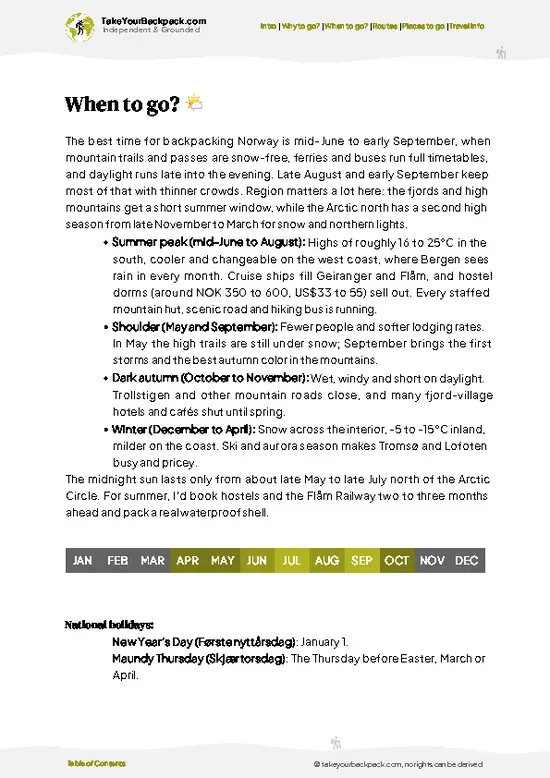
Norway’s geography is a stubborn gatekeeper. Distances that look short on a map …
read more 👉Time, Money, and Comfort: The Real Currency of Norway’s Attractions
Norway’s landscape demands respect—not just for its raw beauty but for the time and effort it takes to truly experience it. You won’t be ticking off a dozen attractions in a week without feeling rushed or missing the essence of what makes each place worth the journey. I recommend aiming for a handful of well-chosen sites, three to five at most, depending on your pace and priorities. This isn’t about quantity; it’s about savoring moments where the air smells of pine and salt, where the light shifts dramatically with the weather, and where the silence is punctuated only by distant waterfalls or the crunch of snow underfoot.
Time: The Slow Trade
Norway’s geography is a stubborn gatekeeper. Distances that look short on a map often translate into hours of winding roads or ferry rides. The trade-off here is clear: rushing through multiple attractions means sacrificing the immersive experience that justifies the trip. The light changes fast in the north, especially outside summer, so timing your visits to catch the golden hour or the northern lights requires patience and flexibility. Plan for travel days that feel like part of the adventure, not just a means to an end. If you’re pressed for time, prioritize fewer attractions and allow yourself to linger. The payoff is in the quiet moments—watching fjords reflect a brooding sky or feeling the chill of a glacier breeze—that no quick snapshot can capture.
Money: Where to Spend and Where to Save
Norway is famously expensive, but spending more doesn’t always guarantee a better experience. The real cost lies in transportation and accommodation, especially in remote areas where infrastructure is sparse. Budget travelers can still access incredible sights by embracing local transport options and simpler lodging, but this often means sacrificing some comfort and convenience. Conversely, splurging on guided tours or private transfers can save time and reduce logistical headaches, letting you focus on the sensory experience rather than the grind of planning. The key is to decide what you value more: the freedom to explore independently, which might mean roughing it a bit, or the ease of curated experiences that come at a premium.
Comfort: The Price of Authenticity
Comfort in Norway often means trading warmth and ease for authenticity and connection to the landscape. Many of the country’s best attractions require hiking, waiting in unpredictable weather, or staying in rustic cabins without modern amenities. This is where your tolerance for discomfort directly shapes your experience. If you’re after polished visitor centers and smooth access, you’ll find them—but they come at the cost of missing the raw edges that give Norway its character. On the other hand, embracing the chill of a fjord-side wind or the creak of a wooden cabin floor can deepen your appreciation for the place. Safety is generally high, but weather can turn quickly, so packing smart and respecting local advice is non-negotiable.
Planning with Regional Realities in Mind
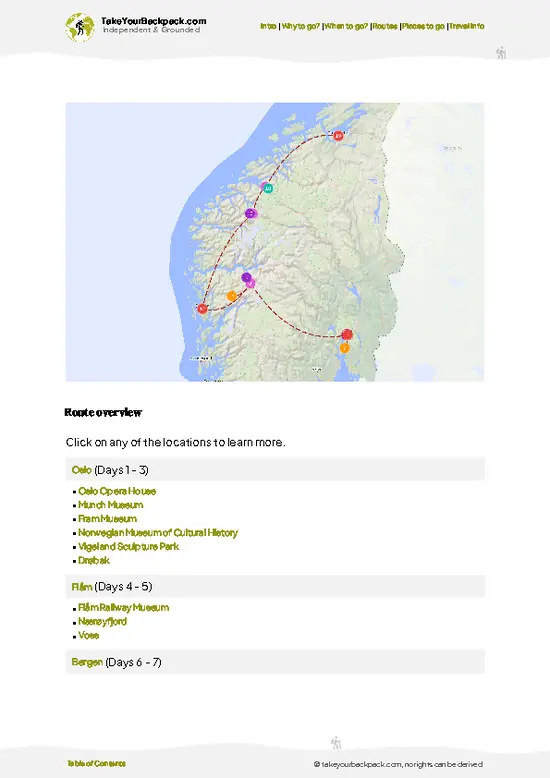
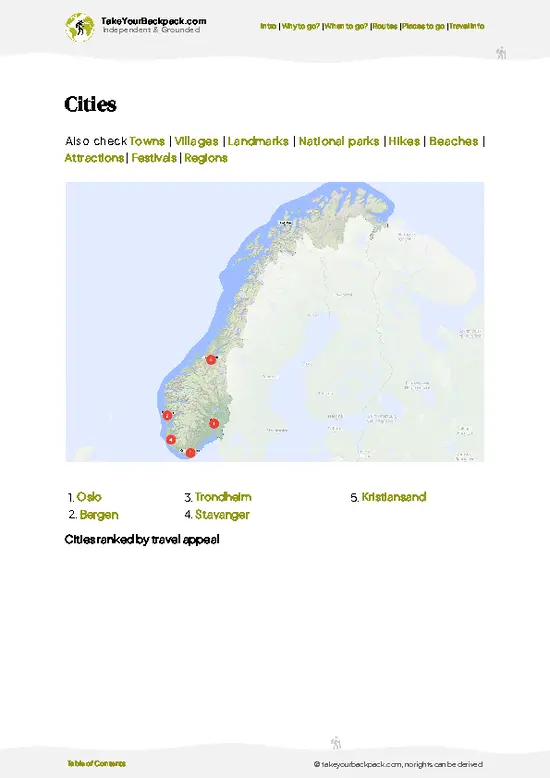
Norway’s attractions are spread across vastly different regions, each with its own rhythm and infrastructure. The south and west offer more developed transport networks and a higher density of accessible sites, making them easier for shorter trips or those prioritizing comfort. The north, while less accessible, rewards those willing to invest time and effort with experiences that feel untouched and elemental. Cultural nuances also matter—local customs around outdoor etiquette, respect for nature, and quietude shape how you engage with each place. Understanding these patterns helps you set realistic expectations and avoid the frustration of overambitious itineraries.
Safety and Cultural Considerations
Norway’s safety record is strong, but the environment demands vigilance. Weather shifts can be sudden and severe, especially in mountainous or coastal areas. Always prepare for changes, carry appropriate gear, and respect trail markings and local guidance. Culturally, Norwegians value privacy and quiet respect for nature. Loud behavior or leaving litter disrupts the delicate balance that sustains these places. Engaging with locals often means embracing a slower pace and a quieter presence, which in turn enriches your experience far beyond the surface.
Choosing Your Own Adventure
The real trade-off in Norway isn’t just time, money, or comfort—it’s how much you want to lean into the challenge of the landscape to unlock its rewards. Each choice shapes the texture of your trip. You might sacrifice a few creature comforts to watch the northern lights dance across a frozen sky, or spend more to cut travel time and gain extra hours in a fjord valley. Whatever you decide, make those trade-offs consciously. Norway’s best attractions don’t just hand themselves over; they require a bit of grit, a willingness to slow down, and an openness to the unexpected. That’s where the magic lives.