

×

Norway🇳🇴 | attractionsNorwegian Museum of Cultural Historyopen-air exhibits, stave church, folk traditions | things to do and best time to go

Explore Fram MuseumExplore Munch Museum

Backpacking in Norwegian Museum of Cultural History
👍 Recommendedattraction ranked #7
By Johan Kruseman 🇳🇱 | Updated October 15, 2026

Forget the Instagram myth: the Norwegian Museum of Cultural History isn’t some sleepy, open-air nostalgia park where you’ll have the place to yourself, skipping through empty meadows in a bunad. It’s on Bygdøy peninsula, a quick ferry or bus from central Oslo, and yes, you’ll share the turf with school groups, stroller brigades, and a steady stream of camera-wielding tourists—especially in summer. But here’s the real magic: this place is a time machine with mud on its boots. You wander between centuries-old farmhouses, a stave church that looks conjured from a saga, and Sami dwellings that finally get more than a footnote. It’s not cheap (Norway rarely is), but you get a crash course in the country’s soul for less than a night out in Oslo. The vibe? Lively, sometimes chaotic, but never sterile. Compared to the Viking Ship Museum or Munch’s Scream, this is where you actually feel Norway’s lived-in past under your feet.

Discover everything you want to know in the 📖 Norway Travel Guide.


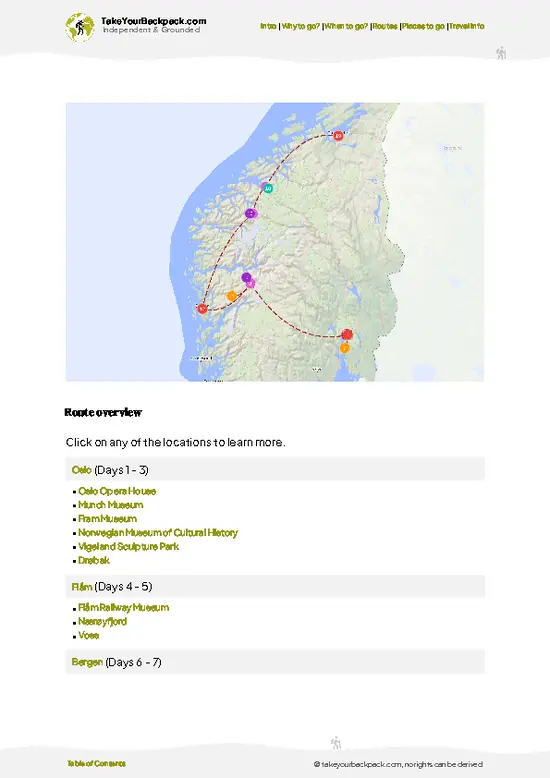
example page 0 from our offline Travel Guide for Norway
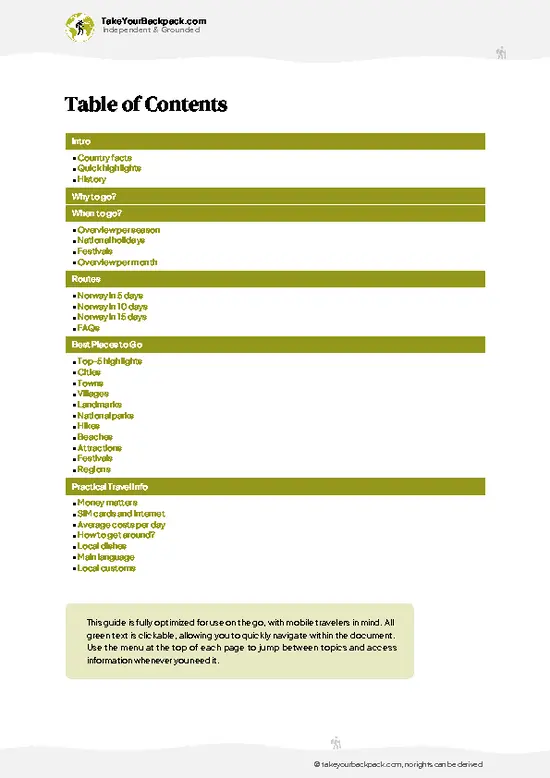
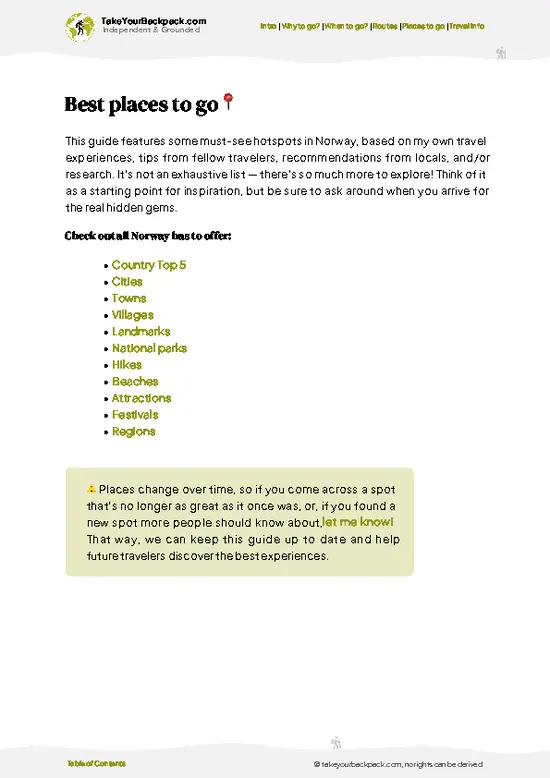
example page 1 from our offline Travel Guide for Norway
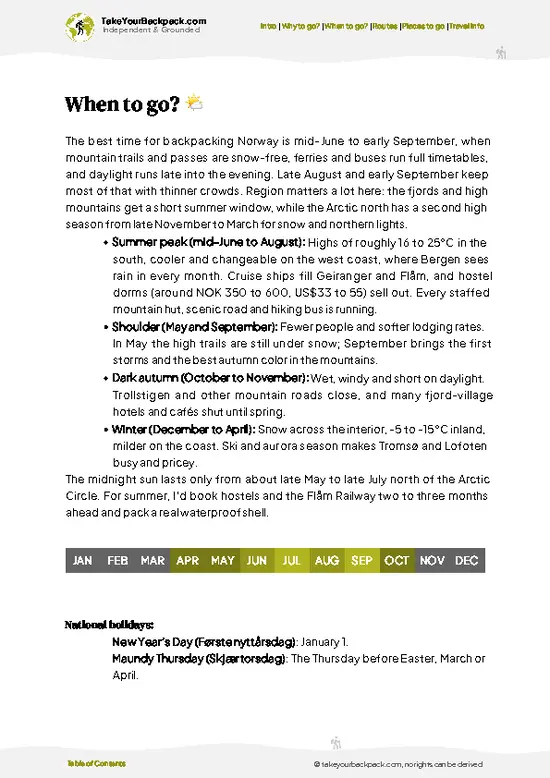
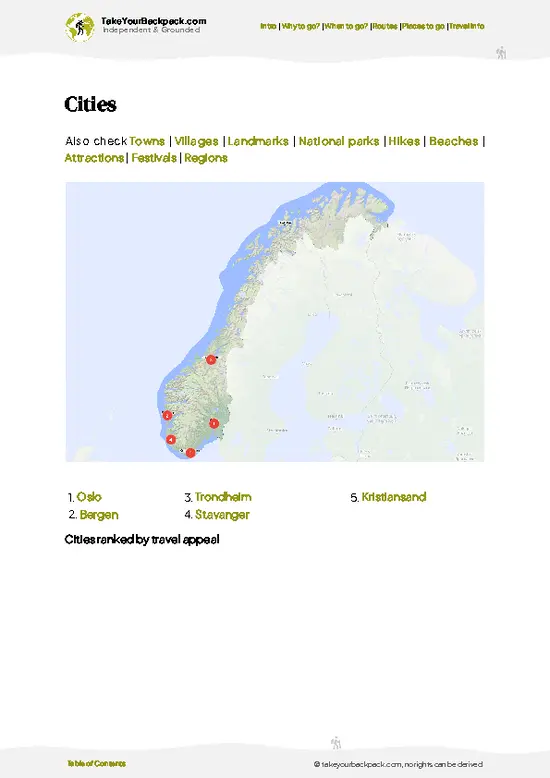
example page 2 from our offline Travel Guide for Norway
example page 3 from our offline Travel Guide for Norway
example page 4 from our offline Travel Guide for Norway
example page 5 from our offline Travel Guide for Norway
example page 6 from our offline Travel Guide for Norway
example page 7 from our offline Travel Guide for Norway
Loading the map 🌍
CLICK TO FILTER
cities
towns
villages
landmarks
national parks
hikes
beaches
attractions
festivals
regions
SHOW COUNTRY’S BESTSHOW ALL

✨ Why go?
Ranked #7 attraction in Norway
What sets this place apart

The Norwegian Museum of Cultural History isn’t just another stop on the Oslo itinerary—it’s a deep dive into Norway’s soul. Sure, it’s popular, so expect crowds, especially in summer. But here’s the kicker: this place isn’t about flashy Instagram moments. It’s about walking through centuries of real Norwegian life, from stave churches that survived the Viking Age to entire traditional villages reconstructed with painstaking detail. The museum’s open-air section is a living history lesson that no textbook can match. You get to see how Norwegians lived, worked, and celebrated long before modern tourism took over.

Backpackers who make time for this spot aren’t just ticking a box—they’re hitting a milestone on their Norway route. It’s a cultural anchor that grounds the entire trip, offering … read more 👉
The Norwegian Museum of Cultural History isn’t just another stop on the Oslo itinerary—it’s a deep dive into Norway’s soul. Sure, it’s popular, so expect crowds, especially in summer. But here’s the kicker: this place isn’t about flashy Instagram moments. It’s about walking through centuries of real Norwegian life, from stave churches that survived the Viking Age to entire traditional villages reconstructed with painstaking detail. The museum’s open-air section is a living history lesson that no textbook can match. You get to see how Norwegians lived, worked, and celebrated long before modern tourism took over.

Backpackers who make time for this spot aren’t just ticking a box—they’re hitting a milestone on their Norway route. It’s a cultural anchor that grounds the entire trip, offering context to the fjords, the mountains, and the urban buzz. The effort to get here pays off because it’s not just about artifacts behind glass; it’s about immersion. You can touch, smell, and even hear history in a way that’s rare in Europe’s more polished museums. If you want to understand Norway beyond the postcard, this is where the real magic happens.

💡 HighlightsKey sights and experiences for travelers

Gol Stave Church
Let’s get real: most people come for the stave church, and for once, the hype is justified. This isn’t a replica—it’s the real 13th-century deal, rescued from demolition and reassembled here, dark pine beams and all. Step inside and you’re hit with the scent of ancient tar and wood, a time capsule of medieval Norway. The carvings are wild: dragons, runes, and Christian iconography mashed together in a way that makes you question everything you thought you knew about “old churches.” It’s moody, atmospheric, and—if you catch it without a busload of tourists—downright mystical. This is my personal favorite, and not just because it looks good in photos; it feels like a portal.

Open-Air Village
Forget sterile museum glass. Here, you walk through a living patchwork of over 150 historic … read more 👉
Gol Stave Church
Let’s get real: most people come for the stave church, and for once, the hype is justified. This isn’t a replica—it’s the real 13th-century deal, rescued from demolition and reassembled here, dark pine beams and all. Step inside and you’re hit with the scent of ancient tar and wood, a time capsule of medieval Norway. The carvings are wild: dragons, runes, and Christian iconography mashed together in a way that makes you question everything you thought you knew about “old churches.” It’s moody, atmospheric, and—if you catch it without a busload of tourists—downright mystical. This is my personal favorite, and not just because it looks good in photos; it feels like a portal.

Open-Air Village
Forget sterile museum glass. Here, you walk through a living patchwork of over 150 historic buildings, each yanked from a different corner of Norway and plopped down on a hillside. There’s a 1950s gas station, a Sami turf hut, farmhouses with grass roofs, and even a full city block from old Oslo. You’re not just looking—you’re wandering, peeking into rooms, running your hands over rough timber, and sometimes even chatting with costumed interpreters who know their stuff. It’s a choose-your-own-adventure history lesson, minus the boredom.

Folk Dancing and Living History
If you time it right (especially in summer), you’ll stumble into live folk dancing on the green. This isn’t some awkward, forced performance for tourists; these dancers are locals who grew up with the music, and the energy is infectious. Kids get pulled into the circle, adults clap along, and suddenly you’re part of a centuries-old tradition. It’s sweaty, loud, and impossible to fake.

Traditional Norwegian Food Sampling
You can actually eat your way through history here. The on-site bakery churns out fresh lefse (think: Norwegian flatbread), and if you’re lucky, you’ll catch a demonstration of old-school butter-churning or cheese-making. The flavors are simple but honest—rye, cinnamon, tangy cheese—and they taste like someone’s grandmother is in the back, judging your technique.

Sami Culture Exhibits
Most museums give the indigenous Sami people a token display. Here, their turf huts, tools, and costumes get real estate and respect. You’ll see reindeer sleds, intricate beadwork, and hear stories that cut through the usual stereotypes. It’s a rare chance to get a glimpse of Norway’s north that isn’t filtered through a tourist brochure.

Seasonal Festivals and Markets
If you’re lucky enough to hit the museum during a festival—Christmas, midsummer, or autumn harvest—you’re in for a treat. The place transforms: stalls selling hand-knit wool, blacksmiths hammering away, kids running wild with wooden swords. It’s crowded, yes, but the energy is contagious and the crafts are the real deal, not airport gift shop knockoffs.
Spotted a mistake or missing something? Contact us.

Things to do around Norwegian Museum of Cultural History

Ratings based on Tripadvisor reviews. When you book through this link, you support our work at no extra cost to you.

🌤️ When to go?When to go for the best experience

  • Weather: The best weather hits between May and September, with temperatures ranging from 12°C to 20°C (54°F to 68°F). It’s mild but can still surprise you with a sudden rain shower, so pack layers.
  • Temperature: Winters (November to February) are cold, often below freezing (-5°C to -10°C / 23°F to 14°F), making outdoor exhibits less enjoyable. Spring and early autumn offer crisp, comfortable days perfect for wandering the open-air sections.
  • Daylight Hours: From June to August, expect up to 18 hours of daylight—ideal for squeezing in more museum time and exploring Oslo’s surroundings. In contrast, December and January bring only 6 hours of daylight, limiting your visit window.
  • Crowds: July and August are peak tourist months, meaning packed pathways and longer waits. If you want fewer people,
… read more 👉
  • Weather: The best weather hits between May and September, with temperatures ranging from 12°C to 20°C (54°F to 68°F). It’s mild but can still surprise you with a sudden rain shower, so pack layers.
  • Temperature: Winters (November to February) are cold, often below freezing (-5°C to -10°C / 23°F to 14°F), making outdoor exhibits less enjoyable. Spring and early autumn offer crisp, comfortable days perfect for wandering the open-air sections.
  • Daylight Hours: From June to August, expect up to 18 hours of daylight—ideal for squeezing in more museum time and exploring Oslo’s surroundings. In contrast, December and January bring only 6 hours of daylight, limiting your visit window.
  • Crowds: July and August are peak tourist months, meaning packed pathways and longer waits. If you want fewer people, aim for late May or early September when the weather is still decent but the hordes have thinned.
  • Seasonal Activities: Summer hosts traditional folk events and open-air concerts that add real cultural depth beyond the exhibits. Winter offers a quiet, introspective vibe but fewer live activities and some outdoor areas closed.
  • Price Fluctuations: Entrance fees stay fairly stable year-round, but accommodation and flights spike in summer. Visiting shoulder seasons like May or September can save you money without sacrificing much experience.
Pro-tip: Visit in late spring or early autumn to dodge the crowds, enjoy mild weather, and catch authentic cultural events without the tourist circus.


source: climatestotravel.comJANJanuary: below average for travelingFEBFebruary: below average for travelingMARMarch: fair for travelingAPRApril: good for travelingMAYMay: excellent for travelingJUNJune: highly recommended for travelingJULJuly: good for travelingAUGAugust: good for travelingSEPSeptember: excellent for travelingOCTOctober: highly recommended for travelingNOVNovember: fair for travelingDECDecember: below average for traveling
norway-attraction-norwegian-museum-of-cultural-history
© Google |

✈️ The backpacker research shortcutNorway Travel Guide

An offline-friendly backpacking guide with optimized travel routes, ranked highlights, transport advice, and the best areas to stay.
example page 0 from our offline Travel Guide for Norway
example page 1 from our offline Travel Guide for Norway
example page 2 from our offline Travel Guide for Norway
example page 3 from our offline Travel Guide for Norway
example page 4 from our offline Travel Guide for Norway
example page 5 from our offline Travel Guide for Norway
example page 6 from our offline Travel Guide for Norway
example page 7 from our offline Travel Guide for Norway
The digital guide (377 pages) contains:
✅ 101 highlights, ranked by travel appeal
✅ Optimized 5, 10 & 15-day travel routes
✅ Cities, national parks, landmarks, beaches
✅ How to get around
✅ Offline-friendly for travel without Wi-Fi
👉 Click to see all 30+ guide features

📅 Plan smarter in minutes, not weeks
✅ Month by month travel advice
✅ Festivals & national holidays
✅ Budget expectations

🗺️ Go to the right places, skip the overrated ones
✅ Honest pros & cons of destinations
✅ Top hikes, parks & viewpoints
✅ Lesser-known places most travelers miss
✅ Clear “worth it vs skip it” guidance

🛏️ Travel smoothly without rookie mistakes
✅ Best areas to stay
✅ Transport systems explained simply
✅ Common scams & safety advice
✅ SIM cards, money & practical tips

🌍 Understand the country, not just visit it
✅ Culture & traditions
✅ 52 Essential phrases & customs
✅ Festivals worth planning around
✅ Traveler-friendly historical context
✅ Insights that make places more meaningful

📱 Built for real travel conditions
✅ Fully downloadable PDF
✅ Works completely offline
✅ Optimized for phone use
✅ Useful in remote areas & buses
✅ Everything in one place
Stop searching, start planning
Get instant access to your full guide. 30‑day money-back guarantee.
+ Add another guide for just

By proceeding you agree to our terms.
Sent to your inbox immediately after payment • 100% Secure Checkout
Best Backpacking Travel Advisor 2025 tourism awardBest Backpacking
Travel Advisor
2025
What others say about Take Your Backpack Guides:
⭐⭐⭐⭐⭐
Fantastic, amazing amount of information!
⭐⭐⭐⭐⭐
My goodness this is amazing, it's what I've been looking for hats off too you!
⭐⭐⭐⭐⭐
I think this is absolutely BRILLIANT
⭐⭐⭐⭐
Very complete and informative. It's still missing places, but I gotta to commend you
⭐⭐⭐⭐⭐
This is truly amazing, thank you, can't wait to explore it with my kids!
⭐⭐⭐⭐⭐
Awesome resource, thank you!
⭐⭐⭐⭐⭐
This is amazing! Can't wait to explore the ones I haven't seen
⭐⭐⭐⭐
I love this! Well done, great idea.
⭐⭐⭐⭐⭐
Thanks for taking the time to make this gem!
⭐⭐⭐⭐⭐
This might be the best website I've ever seen.
⭐⭐⭐⭐⭐
Congratulations, and thank you so much for your work; it's incredibly valuable.
⭐⭐⭐⭐
In all seriousness I think you did a great job pointing out the important spots
⭐⭐⭐⭐⭐
10/10 very good
⭐⭐⭐⭐⭐
As someone who's only just starting to visit regularly this is awesome, thank you.
⭐⭐⭐⭐
Thank you very much! I'm going to visit my dad, it's going to be very useful!
⭐⭐⭐⭐⭐
This is really cool! We'll be travelling for the first time and this definitely come in handy.
⭐⭐⭐⭐⭐
You are now our minister of culture, congratulations 👨‍💼
⭐⭐⭐⭐⭐
Just wanted to tell you that this is a pearl! Going to follow your recommendations.
⭐⭐⭐⭐⭐
This is so cool. I'll definitely be using the resource for my travels soon.
⭐⭐⭐⭐⭐
This is very impressive! Good work.
⭐⭐⭐⭐⭐
This is an amazing and informative site. Very well done!

🛏️ Where to stay?Where staying makes the most sense

The Norwegian Museum of Cultural History sits in Bygdøy, a leafy peninsula that’s a bit removed from Oslo’s downtown buzz. Here’s the truth: Bygdøy itself isn’t a backpacker hub. It’s quiet, safe, and perfect for a day trip, but you won’t find the social vibe or budget options you want for evenings. Instead, aim for neighborhoods like Grünerløkka or Majorstuen. Grünerløkka is where Oslo’s young, creative crowd hangs out—think street art, indie cafes, and a lively nightlife that’s wallet-friendly. It’s safe, walkable, and packed with hostels and guesthouses that attract solo travelers looking to … read more 👉
The Norwegian Museum of Cultural History sits in Bygdøy, a leafy peninsula that’s a bit removed from Oslo’s downtown buzz. Here’s the truth: Bygdøy itself isn’t a backpacker hub. It’s quiet, safe, and perfect for a day trip, but you won’t find the social vibe or budget options you want for evenings. Instead, aim for neighborhoods like Grünerløkka or Majorstuen. Grünerløkka is where Oslo’s young, creative crowd hangs out—think street art, indie cafes, and a lively nightlife that’s wallet-friendly. It’s safe, walkable, and packed with hostels and guesthouses that attract solo travelers looking to connect. Majorstuen, on the other hand, is a transport nexus with easy tram access to Bygdøy and a solid mix of affordable stays. It’s quieter than Grünerløkka but still has enough bars and eateries to keep you entertained without breaking the bank. Both areas give you the best of Oslo’s real character, plus quick, reliable public transit to the museum. Skip the tourist bubble near the museum itself—go where the locals live and breathe.

👛 Costs (as of 15 October 2026)What things cost and how to budget

As of the most recent estimates, the Norwegian Museum of Cultural History in Oslo charges an adult admission fee of 200 NOK, with discounted rates for students and seniors at 140 NOK and 160 NOK respectively. Children under 18 years old receive free admission. Additional costs may include guided tours, special exhibitions, or activities, which are typically priced separately. For the most accurate and up-to-date information, please refer to the official museum website.

source: visitnorway.com
⚠️ Prices can change and everyone travels differently, so take this as a rough guide. Hope it helps you plan your adventure!

FAQFrequently asked questions about Norwegian Museum of Cultural History

3 to 4 hours is sufficient to explore the Norwegian Museum of Cultural History thoroughly, including the open-air exhibits and indoor galleries. Allocate extra time if you want to attend special exhibitions or guided tours. Visiting on a weekday can help avoid crowds and allow a more relaxed experience.
Yes, the Norwegian Museum of Cultural History is worth the entrance fee of around 140 NOK for adults. It offers a unique insight into Norwegian cultural heritage with authentic buildings, artifacts, and live demonstrations. The open-air museum and the Stave Church from the 1200s provide exceptional value for history and culture enthusiasts.
Take tram line 18 or 19 from Oslo city center to the 'Majorstuen' stop, then transfer to bus 30 or 31 towards Bygdøy. Get off at the 'Folkemuseet' stop, which is right at the museum entrance. The total travel time from central Oslo is about 20-30 minutes.
⚠️ Things can change over time, so always validate details locally before you go.

Other Norwegian attractions near Norwegian Museum of Cultural History

Explore more nearby:


💡 Not sure where to go next?
Create a personalized itinerary for Norway including Norwegian Museum of Cultural History and the places that fit your trip.

Generate my itinerary

👉 Discover all attractions

Or checkout all Norway has to offer (think cities, towns, villages, national parks, hikes, beaches, festivals)
Country photo of Norway

We 💚 feedbackIs it worth it?

The Norwegian Museum of Cultural History isn’t just another museum—it’s a sprawling outdoor time capsule that lets you walk through centuries of real Norwegian life, from stave churches to Sami tents. But heads up: it can feel like a tourist magnet, especially in summer, so expect crowds and a bit of sticker shock on entry. Still, if you want a genuine slice of Norway beyond fjord selfies, this place delivers in spades.

✈️ When did I visit Norway?
Having played floorball, a sport large in the nordic countries, I have visited Norway as well a couple of times from 1999 to 2008.

✍️ Help improve this page!
The information on this page is based on my own backpacking experience in Norway, supplemented with up-to-date research and feedback from other travelers. Travel details can change, so if you notice anything outdated or incomplete, feel free to let me know.


🙋‍♂️ Give feedback

👋 Meet the founderWho’s Behind Take Your Backpack?

Johan, backpacker and founder of TakeYourBackpackHi, I’m Johan (Netherlands 🇳🇱), the creator of TakeYourBackpack. Over the past 3 decades, I’ve backpacked through 90+ countries across six continents, gaining extensive experience with independent travel, long-term trips, and overland routes.

This site is built on a combination of firsthand travel experience and carefully curated insights from other backpackers. Many guides are based on places I’ve personally visited, while others bring together tips, observations, and practical advice shared by trusted travelers I’ve met along the way.

The goal is to provide realistic, experience-driven guidance — not generic itineraries — so you can explore destinations with better context, clearer expectations, and more confidence.