v2.webp)

1. Rooftop Walk: The Democratic Stage
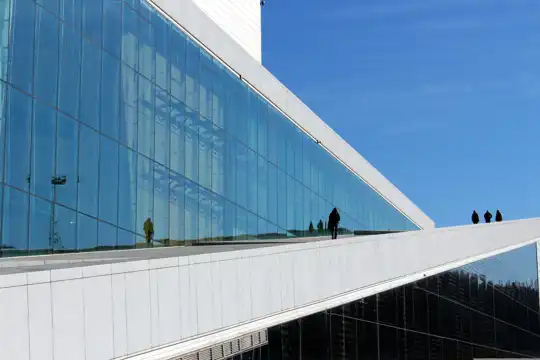
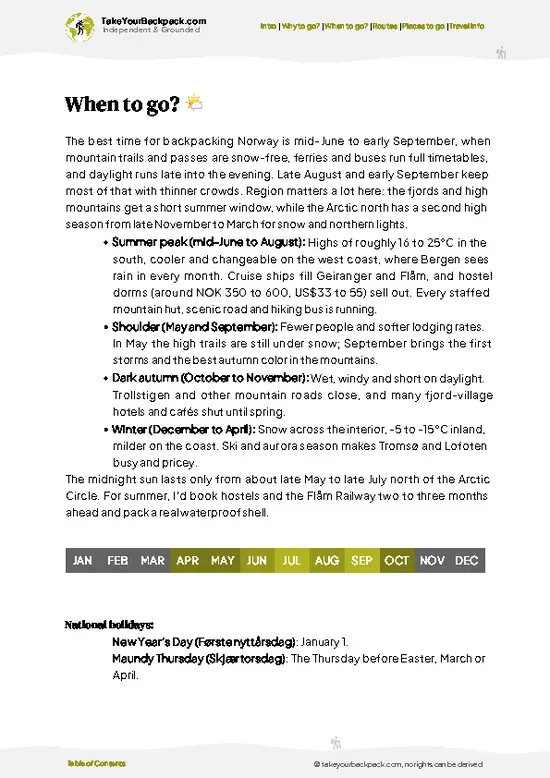
Forget the velvet ropes and ticket lines—Oslo Opera House’s roof is open to everyone, all day, all year. You literally walk up the angled marble and granite roof, no handrails, no barriers, just you and the city. It’s not just a view; it’s a statement. Oslo’s architects didn’t build a monument to be admired from afar—they built a public plaza that happens to be a world-class opera house. On a sunny day, you’ll see locals sunbathing, skateboarders testing their nerve, and tourists double-checking if this is actually allowed (it is). The cityscape, fjord, and sky merge here. It’s the rare “Instagram spot” that’s even better in real life, because you’re part of the scene, not just photographing it.
2. The Main Stage: Opera and Ballet, Up Close
If you think … read more 👉
Forget the velvet ropes and ticket lines—Oslo Opera House’s roof is open to everyone, all day, all year. You literally walk up the angled marble and granite roof, no handrails, no barriers, just you and the city. It’s not just a view; it’s a statement. Oslo’s architects didn’t build a monument to be admired from afar—they built a public plaza that happens to be a world-class opera house. On a sunny day, you’ll see locals sunbathing, skateboarders testing their nerve, and tourists double-checking if this is actually allowed (it is). The cityscape, fjord, and sky merge here. It’s the rare “Instagram spot” that’s even better in real life, because you’re part of the scene, not just photographing it.
2. The Main Stage: Opera and Ballet, Up Close
If you think … read more 👉
1. Rooftop Walk: The Democratic Stage
Forget the velvet ropes and ticket lines—Oslo Opera House’s roof is open to everyone, all day, all year. You literally walk up the angled marble and granite roof, no handrails, no barriers, just you and the city. It’s not just a view; it’s a statement. Oslo’s architects didn’t build a monument to be admired from afar—they built a public plaza that happens to be a world-class opera house. On a sunny day, you’ll see locals sunbathing, skateboarders testing their nerve, and tourists double-checking if this is actually allowed (it is). The cityscape, fjord, and sky merge here. It’s the rare “Instagram spot” that’s even better in real life, because you’re part of the scene, not just photographing it.
2. The Main Stage: Opera and Ballet, Up Close
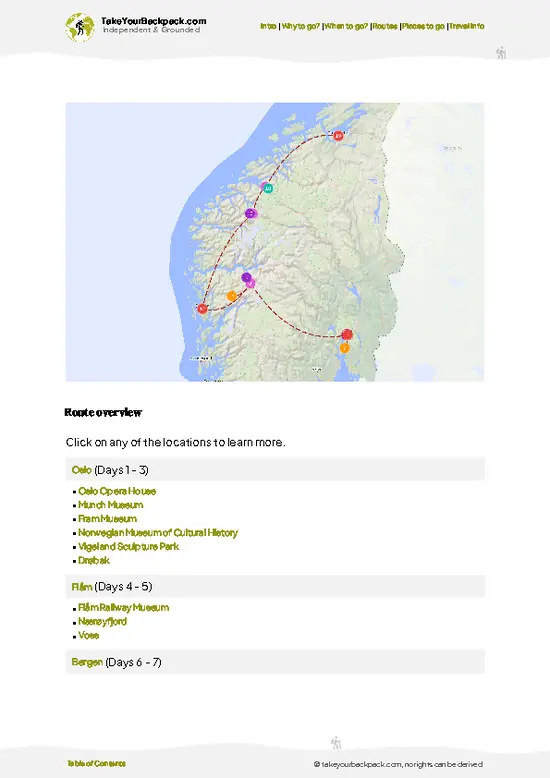
If you think opera is stuffy, you haven’t seen it here. The main auditorium is a masterclass in acoustics and Scandinavian design—oak, gold leaf, and a sense of intimacy that makes even the cheap seats feel close to the action. The Norwegian National Opera & Ballet doesn’t just play the classics; they take risks, commission new works, and sometimes throw in a wild card (I once saw a modern dance piece that involved a full-sized tree being hoisted on stage). Tickets aren’t cheap, but you’re getting world-class performance in a space that feels both grand and personal.
3. The Foyer: Glass, Light, and People-Watching
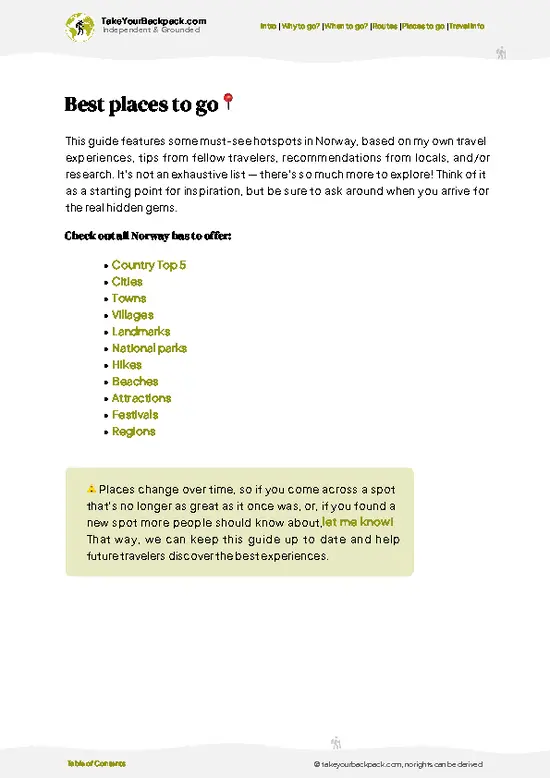
Most opera houses hide their lobbies behind ticketed doors. Not here. The foyer is a glass-walled, light-flooded space that’s open to the public. Locals use it as a shortcut, a meeting spot, or just a place to watch the world go by. The interplay of sunlight, water, and wood is pure Norwegian magic—no filter needed. Grab a coffee, sit by the windows, and watch the city’s pulse. This is my personal favorite: the foyer is where Oslo feels most itself, unpretentious and quietly beautiful.
4. Art in the Architecture: Details Worth the Detour
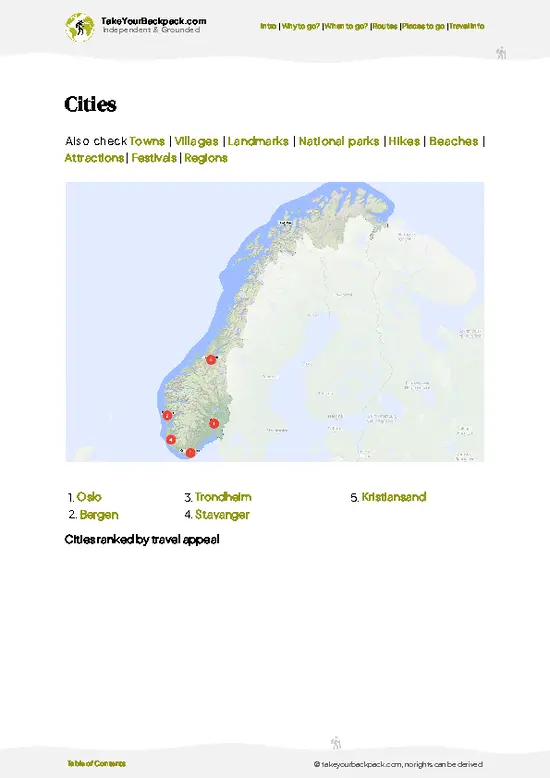
The Opera House is a sculpture as much as a building. Look for the subtle patterns etched into the marble, inspired by glaciers and ice floes. The main chandelier isn’t a chandelier at all, but a luminous oval of hand-blown glass and LEDs. Even the bathrooms are design statements. If you geek out on architecture, this place is a playground of details—nothing is accidental, and everything invites a closer look.
5. The Water’s Edge: Urban Fjord Life
Step off the marble and you’re at the edge of the Oslofjord. Locals fish, swim, or just dangle their feet in the water. In summer, the area buzzes with street performers and food trucks. In winter, it’s all about the sharp air and the crunch of snow underfoot. The Opera House isn’t just a building—it’s the anchor of a city that’s learning to love its waterfront again.
Forget the velvet ropes and ticket lines—Oslo Opera House’s roof is open to everyone, all day, all year. You literally walk up the angled marble and granite roof, no handrails, no barriers, just you and the city. It’s not just a view; it’s a statement. Oslo’s architects didn’t build a monument to be admired from afar—they built a public plaza that happens to be a world-class opera house. On a sunny day, you’ll see locals sunbathing, skateboarders testing their nerve, and tourists double-checking if this is actually allowed (it is). The cityscape, fjord, and sky merge here. It’s the rare “Instagram spot” that’s even better in real life, because you’re part of the scene, not just photographing it.
2. The Main Stage: Opera and Ballet, Up Close
If you think opera is stuffy, you haven’t seen it here. The main auditorium is a masterclass in acoustics and Scandinavian design—oak, gold leaf, and a sense of intimacy that makes even the cheap seats feel close to the action. The Norwegian National Opera & Ballet doesn’t just play the classics; they take risks, commission new works, and sometimes throw in a wild card (I once saw a modern dance piece that involved a full-sized tree being hoisted on stage). Tickets aren’t cheap, but you’re getting world-class performance in a space that feels both grand and personal.
3. The Foyer: Glass, Light, and People-Watching
Most opera houses hide their lobbies behind ticketed doors. Not here. The foyer is a glass-walled, light-flooded space that’s open to the public. Locals use it as a shortcut, a meeting spot, or just a place to watch the world go by. The interplay of sunlight, water, and wood is pure Norwegian magic—no filter needed. Grab a coffee, sit by the windows, and watch the city’s pulse. This is my personal favorite: the foyer is where Oslo feels most itself, unpretentious and quietly beautiful.
4. Art in the Architecture: Details Worth the Detour
The Opera House is a sculpture as much as a building. Look for the subtle patterns etched into the marble, inspired by glaciers and ice floes. The main chandelier isn’t a chandelier at all, but a luminous oval of hand-blown glass and LEDs. Even the bathrooms are design statements. If you geek out on architecture, this place is a playground of details—nothing is accidental, and everything invites a closer look.
5. The Water’s Edge: Urban Fjord Life
Step off the marble and you’re at the edge of the Oslofjord. Locals fish, swim, or just dangle their feet in the water. In summer, the area buzzes with street performers and food trucks. In winter, it’s all about the sharp air and the crunch of snow underfoot. The Opera House isn’t just a building—it’s the anchor of a city that’s learning to love its waterfront again.
Spotted a mistake or missing something? Contact us.

Oslo's Scenic Fjord Hike & Chef's Norwegian Forest Waffle

Oslo Fjord Private Cruise: Your Own Boat, Captain & Guide

Discover Oslo on foot

Private sightseeing in a Volvo XC 90 All inclusive museum/guiding

Oslo city center Tour

Oslo Beer and Culture Walk

Oslo Walking Tour with the Founder of Oslo By Heart (English)

The Ultimate Norwegian Skiing Experience

Oslo Nordic Food Tour: Camp Fire, Local Chef & Forest Feast

 Best Backpacking
.jpg) Hi, I’m Johan (Netherlands 🇳🇱), the creator of TakeYourBackpack. Over the past 3 decades, I’ve backpacked through 90+ countries across six continents, gaining extensive experience with independent travel, long-term trips, and overland routes.
Hi, I’m Johan (Netherlands 🇳🇱), the creator of TakeYourBackpack. Over the past 3 decades, I’ve backpacked through 90+ countries across six continents, gaining extensive experience with independent travel, long-term trips, and overland routes.