×

Norway🇳🇴 | attractionsMunch Museumexpressionist paintings, Edvard Munch, modern gallery | things to do and best time to go

Explore Norwegian Museum of Cultural HistoryExplore Nidaros Cathedral

Backpacking in Munch Museum
👌 Worth visitingattraction ranked #10
By Johan Kruseman 🇳🇱 | Updated October 15, 2026

Forget the fantasy that the Munch Museum is just a quiet room with “The Scream” and a few moody landscapes, ready for your solo selfie. The reality? This is Oslo’s modern temple to Edvard Munch, perched in Bjørvika, right on the city’s waterfront—impossible to miss, and rarely empty. For backpackers, the Munch Museum is a paradox: yes, it’s pricey (Norway rarely does cheap), and yes, you’ll share the space with a steady stream of art pilgrims and cruise-ship crowds. But here’s the kicker: the museum’s raw, immersive energy hits harder than any postcard. You get Munch’s angst, sure, but also his wild, experimental side—massive canvases, feverish colors, and a sense of creative rebellion that feels alive, not embalmed. Compared to Norway’s fjords or hiking trails, this is adrenaline for your brain. It’s not intimate, but it’s electric. If you want art that punches you in the gut, this is the place.

Discover everything you want to know in the 📖 Norway Travel Guide.


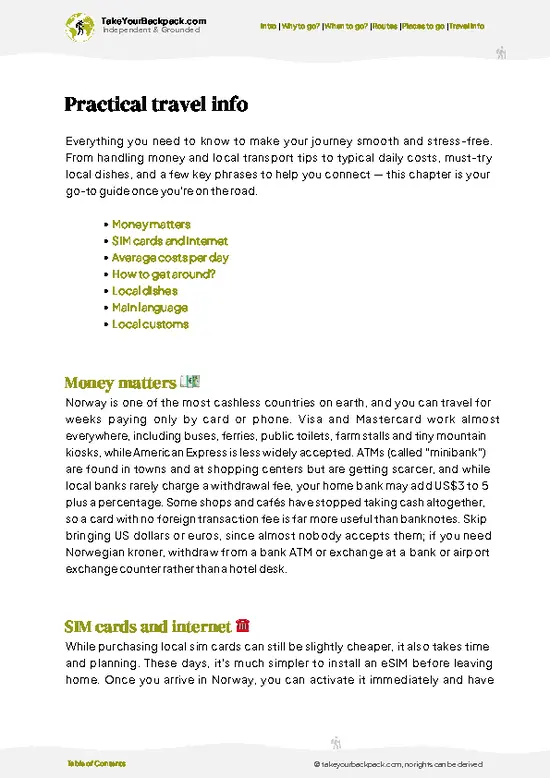
example page 0 from our offline Travel Guide for Norway
example page 1 from our offline Travel Guide for Norway
example page 2 from our offline Travel Guide for Norway
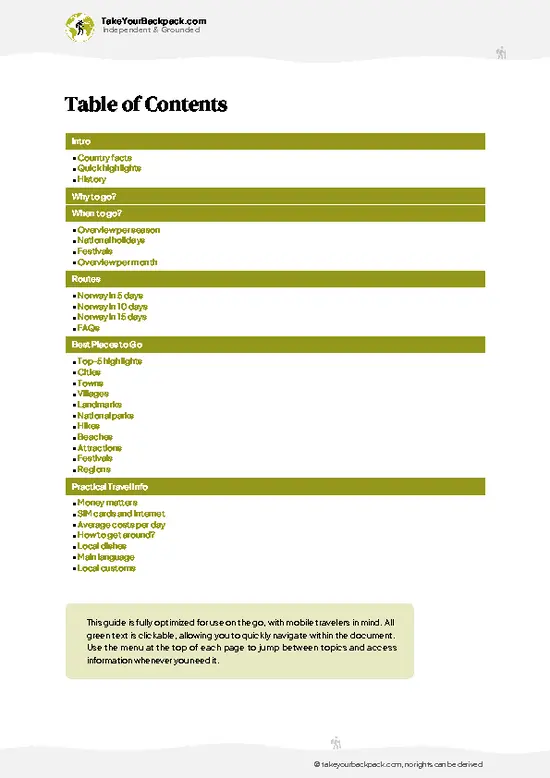
example page 3 from our offline Travel Guide for Norway
example page 4 from our offline Travel Guide for Norway
example page 5 from our offline Travel Guide for Norway
example page 6 from our offline Travel Guide for Norway
example page 7 from our offline Travel Guide for Norway
Loading the map 🌍
CLICK TO FILTER
cities
towns
villages
landmarks
national parks
hikes
beaches
attractions
festivals
regions
SHOW COUNTRY’S BESTSHOW ALL

✨ Why go?
Ranked #10 attraction in Norway
What makes it a must-see attraction

The Munch Museum in Oslo is not just another art stop on your Norway itinerary—it’s a cultural heavyweight that demands your time. Yes, it’s crowded, especially during peak season, and the entry fee isn’t pocket change for a backpacker. But here’s the deal: this museum houses the world’s largest collection of Edvard Munch’s work, including the iconic ”The Scream.” That alone makes it a pilgrimage site for anyone who respects art that punches you in the gut.

Beyond the crowds and cost, the museum offers a deep dive into Norway’s artistic soul and the turbulent mind of Munch himself. It’s not just about pretty pictures; it’s about raw emotion, mental health struggles, and the birth of modern expressionism. For backpackers trekking through Norway’s natural wonders, the Munch Museum is a crucial … read more 👉
The Munch Museum in Oslo is not just another art stop on your Norway itinerary—it’s a cultural heavyweight that demands your time. Yes, it’s crowded, especially during peak season, and the entry fee isn’t pocket change for a backpacker. But here’s the deal: this museum houses the world’s largest collection of Edvard Munch’s work, including the iconic ”The Scream.” That alone makes it a pilgrimage site for anyone who respects art that punches you in the gut.

Beyond the crowds and cost, the museum offers a deep dive into Norway’s artistic soul and the turbulent mind of Munch himself. It’s not just about pretty pictures; it’s about raw emotion, mental health struggles, and the birth of modern expressionism. For backpackers trekking through Norway’s natural wonders, the Munch Museum is a crucial cultural checkpoint—a moment to pause and absorb the country’s complex identity beyond fjords and forests.

The adrenaline here isn’t from physical exertion but from confronting art that challenges your perspective. It’s a milestone that balances effort and reward perfectly: a few hours inside will leave you with a richer understanding of Norway’s history and a story worth telling long after you’ve left.

💡 HighlightsMust-see experiences and standout moments

The Scream (Yes, the Real One—Sometimes)
Let’s get this out of the way: you want to see “The Scream.” So does everyone else. The Munch Museum rotates its versions for conservation, so you might catch the pastel, the tempera, or the lithograph. If you’re lucky, you’ll stand inches from the real deal—no velvet rope, just you and the existential howl of modern art. It’s smaller than you expect, and the glass is thick, but the raw anxiety in those brushstrokes is a gut punch. Don’t expect a quiet moment; expect elbows and selfie sticks. Still, it’s the kind of art that makes you forget the crowd for a second. That’s rare.

The Life Frieze—Munch’s Emotional Rollercoaster
This is where the museum flexes. The Life Frieze isn’t just a wall of paintings; it’s Munch’s lifelong therapy session, splashed … read more 👉
The Scream (Yes, the Real One—Sometimes)
Let’s get this out of the way: you want to see “The Scream.” So does everyone else. The Munch Museum rotates its versions for conservation, so you might catch the pastel, the tempera, or the lithograph. If you’re lucky, you’ll stand inches from the real deal—no velvet rope, just you and the existential howl of modern art. It’s smaller than you expect, and the glass is thick, but the raw anxiety in those brushstrokes is a gut punch. Don’t expect a quiet moment; expect elbows and selfie sticks. Still, it’s the kind of art that makes you forget the crowd for a second. That’s rare.

The Life Frieze—Munch’s Emotional Rollercoaster
This is where the museum flexes. The Life Frieze isn’t just a wall of paintings; it’s Munch’s lifelong therapy session, splashed in oil and heartbreak. “Madonna,” “Anxiety,” “The Dance of Life”—they’re all here, and they’re not just pretty pictures. Each one is a psychological gut-check, with colors that feel like they’re vibrating off the wall. The curation is sharp: you see the evolution of obsession, love, and loss, not just a parade of greatest hits.

The View from the Top Floor—Oslo’s Best Kept Secret
Here’s the anti-Instagram tip: the museum’s upper floors have floor-to-ceiling windows with a panoramic view of the Oslofjord and the city’s patchwork of rooftops. Most people are too busy chasing paintings to notice. Grab a seat, let your brain decompress, and watch the ferries cut across the water. It’s a rare moment of calm in a building buzzing with art pilgrims.

Immersive Installations—Munch Goes Digital
This isn’t your grandma’s art museum. The Munch Museum leans into tech, with immersive rooms that let you step inside Munch’s world. Think projections, soundscapes, and interactive screens that actually add to the experience, not just distract. It’s not a gimmick; it’s a way to feel the chaos and beauty of his mind. If you’re traveling with kids or art skeptics, this is the hook.

The Edvard Munch Archive—For the Deep Divers
If you want to go full art nerd, the museum’s archive is a goldmine. Letters, sketches, and personal effects—this is where you see Munch as a flawed, fascinating human, not just a tortured genius. It’s quieter here, and the staff actually know their stuff. You’ll leave with stories you won’t find on a postcard.

The Rooftop Bar—My Personal Favorite
Here’s where the museum drops the mic. The rooftop bar isn’t just a place to refuel; it’s where Oslo locals actually hang out. Order a coffee or a local beer, snag a seat by the glass, and soak up the view. The vibe is relaxed, the crowd is a mix of art lovers and people who just want a good drink with a killer view. It’s the kind of spot that makes you feel like you’ve cracked the code to the city. This is where I always linger too long, and I never regret it.
Spotted a mistake or missing something? Contact us.

Things to do around Munch Museum

Ratings based on Tripadvisor reviews. When you book through this link, you support our work at no extra cost to you.

🌤️ When to go?Choosing the right time of year

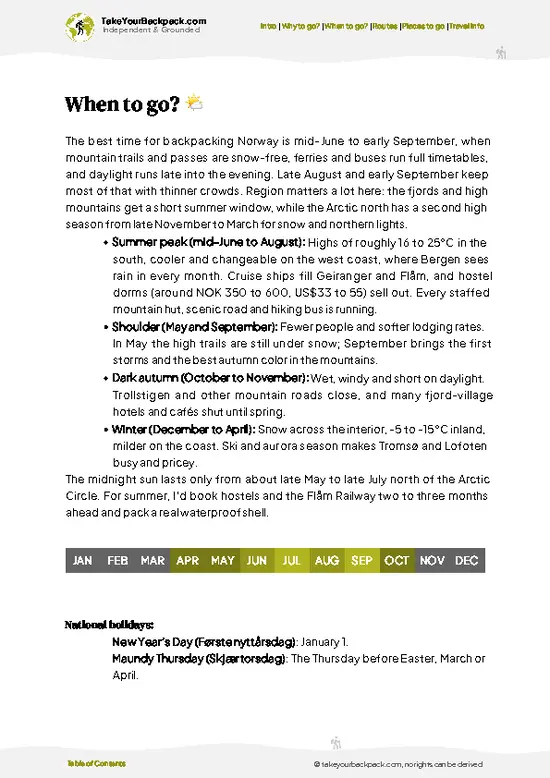
  • Weather: Norway’s weather swings hard. From November to March, expect cold, often below freezing (down to -10°C/14°F), which can make museum visits feel like a warm refuge. April to October brings milder temps, 10-20°C (50-68°F), but rain is common, so pack smart.
  • Temperature: Summer months (June-August) hover around 15-20°C (59-68°F), perfect for combining museum time with outdoor exploration. Winter months can be brutal, dipping below -5°C (23°F), but the museum’s indoors offer a cozy escape.
  • Daylight Hours: Winter means short days—sometimes only 6 hours of light in Oslo—so plan museum visits mid-day. Summer flips the script with nearly 18 hours of daylight in June, giving you plenty of time to soak in art and city life.
  • Crowds: Peak tourist season is June to August. The Munch Museum
… read more 👉
  • Weather: Norway’s weather swings hard. From November to March, expect cold, often below freezing (down to -10°C/14°F), which can make museum visits feel like a warm refuge. April to October brings milder temps, 10-20°C (50-68°F), but rain is common, so pack smart.
  • Temperature: Summer months (June-August) hover around 15-20°C (59-68°F), perfect for combining museum time with outdoor exploration. Winter months can be brutal, dipping below -5°C (23°F), but the museum’s indoors offer a cozy escape.
  • Daylight Hours: Winter means short days—sometimes only 6 hours of light in Oslo—so plan museum visits mid-day. Summer flips the script with nearly 18 hours of daylight in June, giving you plenty of time to soak in art and city life.
  • Crowds: Peak tourist season is June to August. The Munch Museum gets busy, especially weekends. For a quieter experience, aim for shoulder seasons like May or September when the crowds thin but the weather is still decent.
  • Seasonal Activities: Summer offers outdoor art events and festivals around Oslo, adding layers to your visit. Winter brings a different vibe—think cozy cafés and fewer tourists, which means more space to absorb Edvard Munch’s work without distractions.
  • Price Fluctuations: Expect higher accommodation and flight prices in summer. Museum entry stays fairly stable year-round, but budget travelers can save by visiting off-peak in late autumn or early spring when travel costs drop.
Pro-tip: Visit in late spring or early autumn—weather’s bearable, crowds manageable, and you get the best balance of city buzz and museum quiet.


source: climatestotravel.comJANJanuary: good for travelingFEBFebruary: good for travelingMARMarch: good for travelingAPRApril: highly recommended for travelingMAYMay: excellent for travelingJUNJune: highly recommended for travelingJULJuly: highly recommended for travelingAUGAugust: highly recommended for travelingSEPSeptember: excellent for travelingOCTOctober: highly recommended for travelingNOVNovember: good for travelingDECDecember: good for traveling
when-to-go

✈️ The backpacker research shortcutNorway Travel Guide

An offline-friendly backpacking guide with optimized travel routes, ranked highlights, transport advice, and the best areas to stay.
example page 0 from our offline Travel Guide for Norway
example page 1 from our offline Travel Guide for Norway
example page 2 from our offline Travel Guide for Norway
example page 3 from our offline Travel Guide for Norway
example page 4 from our offline Travel Guide for Norway
example page 5 from our offline Travel Guide for Norway
example page 6 from our offline Travel Guide for Norway
example page 7 from our offline Travel Guide for Norway
The digital guide (377 pages) contains:
✅ 101 highlights, ranked by travel appeal
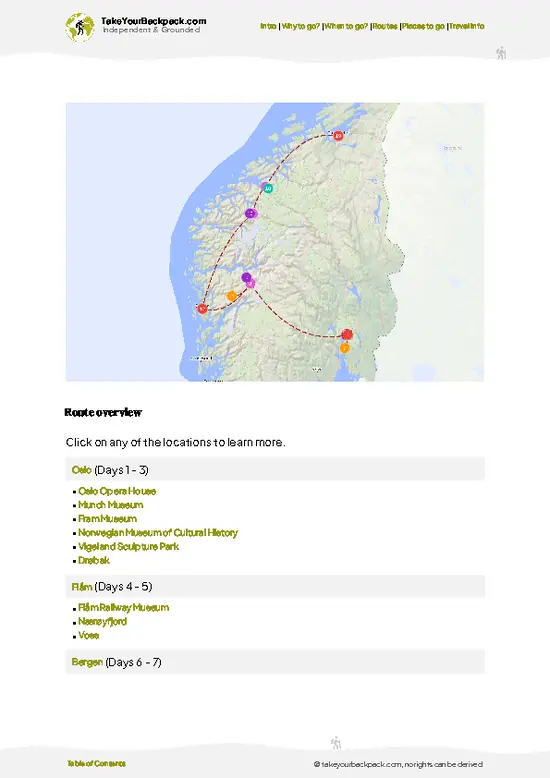
✅ Optimized 5, 10 & 15-day travel routes
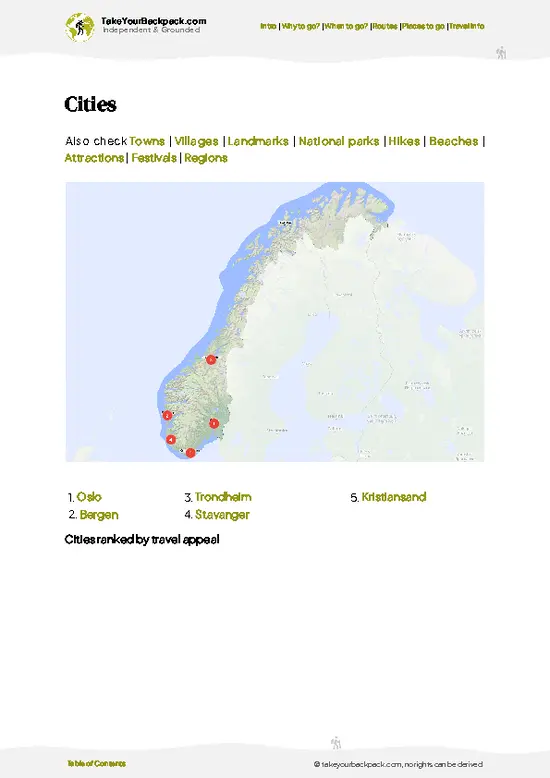
✅ Cities, national parks, landmarks, beaches
✅ How to get around
✅ Offline-friendly for travel without Wi-Fi
👉 Click to see all 30+ guide features

📅 Plan smarter in minutes, not weeks
✅ Month by month travel advice
✅ Festivals & national holidays
✅ Budget expectations

🗺️ Go to the right places, skip the overrated ones
✅ Honest pros & cons of destinations
✅ Top hikes, parks & viewpoints
✅ Lesser-known places most travelers miss
✅ Clear “worth it vs skip it” guidance

🛏️ Travel smoothly without rookie mistakes
✅ Best areas to stay
✅ Transport systems explained simply
✅ Common scams & safety advice
✅ SIM cards, money & practical tips

🌍 Understand the country, not just visit it
✅ Culture & traditions
✅ 52 Essential phrases & customs
✅ Festivals worth planning around
✅ Traveler-friendly historical context
✅ Insights that make places more meaningful

📱 Built for real travel conditions
✅ Fully downloadable PDF
✅ Works completely offline
✅ Optimized for phone use
✅ Useful in remote areas & buses
✅ Everything in one place
Stop searching, start planning
Get instant access to your full guide. 30‑day money-back guarantee.
+ Add another guide for just

By proceeding you agree to our terms.
Sent to your inbox immediately after payment • 100% Secure Checkout
Best Backpacking Travel Advisor 2025 tourism awardBest Backpacking
Travel Advisor
2025
What others say about Take Your Backpack Guides:
⭐⭐⭐⭐⭐
Fantastic, amazing amount of information!
⭐⭐⭐⭐⭐
My goodness this is amazing, it's what I've been looking for hats off too you!
⭐⭐⭐⭐⭐
I think this is absolutely BRILLIANT
⭐⭐⭐⭐
Very complete and informative. It's still missing places, but I gotta to commend you
⭐⭐⭐⭐⭐
This is truly amazing, thank you, can't wait to explore it with my kids!
⭐⭐⭐⭐⭐
Awesome resource, thank you!
⭐⭐⭐⭐⭐
This is amazing! Can't wait to explore the ones I haven't seen
⭐⭐⭐⭐
I love this! Well done, great idea.
⭐⭐⭐⭐⭐
Thanks for taking the time to make this gem!
⭐⭐⭐⭐⭐
This might be the best website I've ever seen.
⭐⭐⭐⭐⭐
Congratulations, and thank you so much for your work; it's incredibly valuable.
⭐⭐⭐⭐
In all seriousness I think you did a great job pointing out the important spots
⭐⭐⭐⭐⭐
10/10 very good
⭐⭐⭐⭐⭐
As someone who's only just starting to visit regularly this is awesome, thank you.
⭐⭐⭐⭐
Thank you very much! I'm going to visit my dad, it's going to be very useful!
⭐⭐⭐⭐⭐
This is really cool! We'll be travelling for the first time and this definitely come in handy.
⭐⭐⭐⭐⭐
You are now our minister of culture, congratulations 👨‍💼
⭐⭐⭐⭐⭐
Just wanted to tell you that this is a pearl! Going to follow your recommendations.
⭐⭐⭐⭐⭐
This is so cool. I'll definitely be using the resource for my travels soon.
⭐⭐⭐⭐⭐
This is very impressive! Good work.
⭐⭐⭐⭐⭐
This is an amazing and informative site. Very well done!

🛏️ Where to stay?Best areas and accommodation options

The Munch Museum sits in Oslo’s trendy Bjørvika district, a stone’s throw from the waterfront and the Opera House. This area is your best bet for backpackers who want to be close to the art without getting swallowed by tourist traps. It’s safe, modern, and buzzing with a mix of locals and travelers, so you won’t feel like you’re stuck in a sterile museum bubble.

Bjørvika has a handful of budget-friendly options, but more importantly, it offers a social vibe with cafes and bars where you can meet other solo travelers without the forced hostel party scene. Plus, it’s well connected by public transport, … read more 👉
The Munch Museum sits in Oslo’s trendy Bjørvika district, a stone’s throw from the waterfront and the Opera House. This area is your best bet for backpackers who want to be close to the art without getting swallowed by tourist traps. It’s safe, modern, and buzzing with a mix of locals and travelers, so you won’t feel like you’re stuck in a sterile museum bubble.

Bjørvika has a handful of budget-friendly options, but more importantly, it offers a social vibe with cafes and bars where you can meet other solo travelers without the forced hostel party scene. Plus, it’s well connected by public transport, so you can easily explore other parts of Oslo without hassle.

If you want to stretch your legs, the nearby Barcode district offers a glimpse of Oslo’s cutting-edge architecture and some chill spots to unwind after a day of soaking up Edvard Munch’s intense world. It’s not cheap, but the experience is worth every krone if you want to feel the city’s pulse beyond the museum walls.

👛 Costs (as of 15 October 2026)Typical daily expenses

The entrance ticket to the Munch Museum typically costs around USD20 for adults. Additional costs may include guided tours or special exhibitions, which can add approximately USD5 to USD10. Discounts are often available for students, seniors, and children.
⚠️ Prices can change and everyone travels differently, so take this as a rough guide. Hope it helps you plan your adventure!

FAQTraveler FAQ

2 to 3 hours is sufficient to visit the Munch Museum, allowing time to see the main exhibits and some temporary collections. The museum houses over 28,000 works by Edvard Munch, so more time can be spent if you are an art enthusiast. Plan accordingly if you want a deeper experience.
Yes, the Munch Museum is worth the entrance fee, which is around 160 NOK for adults. It offers a comprehensive view of Edvard Munch's life and work, including iconic pieces like The Scream. The museum's modern architecture and location in Oslo add to the overall value.
The Munch Museum is located in the Bjørvika neighborhood of Oslo, easily accessible by public transport. Take tram lines 12 or 13 to the 'Stenersen Museum' stop, which is a short walk from the museum. It is about 1.5 km from Oslo Central Station, making it walkable for those staying nearby.
⚠️ Things can change over time, so always validate details locally before you go.

Other Norwegian attractions near Munch Museum

Explore more nearby:

  • Oslo Opera House—marble roof, waterfront plaza, contemporary design| 0 km away
  • Fram Museum—polar exploration, historic ship, expedition artifacts| 3 km away
  • Kon-Tiki Museum—balsa raft, ocean crossing, Thor Heyerdahl| 3 km away

💡 Not sure where to go next?
Create a personalized itinerary for Norway including Munch Museum and the places that fit your trip.

Generate my itinerary

👉 Discover all attractions

Or checkout all Norway has to offer (think cities, towns, villages, national parks, hikes, beaches, festivals)
Country photo of Norway

We 💚 feedbackFinal thoughts on visiting Munch Museum

The Munch Museum isn’t just a shrine to a famous painter—it’s a raw dive into the psyche of Edvard Munch, where you can feel the tension behind “The Scream” in person. But brace yourself: it gets crowded, especially in peak season, and the entry fee isn’t exactly pocket change. Still, if you’re into art that grabs you by the throat and won’t let go, this place delivers in a way no postcard ever could.

✈️ When did I visit Norway?
Having played floorball, a sport large in the nordic countries, I have visited Norway as well a couple of times from 1999 to 2008.

✍️ Help improve this page!
The information on this page is based on my own backpacking experience in Norway, supplemented with up-to-date research and feedback from other travelers. Travel details can change, so if you notice anything outdated or incomplete, feel free to let me know.


🙋‍♂️ Give feedback

👋 Meet the founderWho’s Behind Take Your Backpack?

Johan, backpacker and founder of TakeYourBackpackHi, I’m Johan (Netherlands 🇳🇱), the creator of TakeYourBackpack. Over the past 3 decades, I’ve backpacked through 90+ countries across six continents, gaining extensive experience with independent travel, long-term trips, and overland routes.

This site is built on a combination of firsthand travel experience and carefully curated insights from other backpackers. Many guides are based on places I’ve personally visited, while others bring together tips, observations, and practical advice shared by trusted travelers I’ve met along the way.

The goal is to provide realistic, experience-driven guidance — not generic itineraries — so you can explore destinations with better context, clearer expectations, and more confidence.