




The Monolith
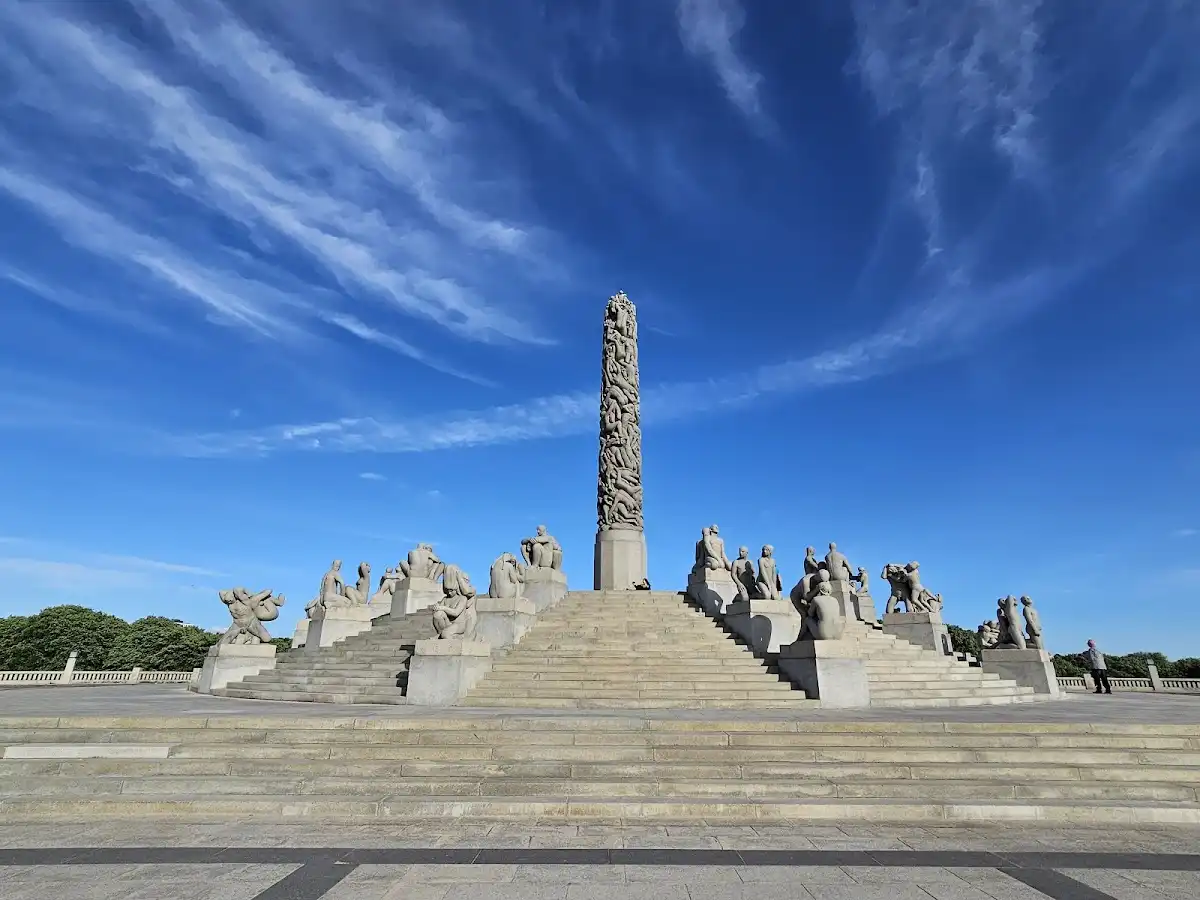
Let’s get real: you’ll see a wall of phones pointed at this 14-meter granite column, but don’t let the crowd fool you into thinking it’s just a photo op. The Monolith is a fever dream of 121 writhing human bodies, all carved from a single block of stone. Gustav Vigeland spent over a decade on this thing, and it shows. Stand close and you’ll feel the weight of every struggle, embrace, and existential crisis. It’s not pretty—it’s raw, almost uncomfortable. That’s the point. If you want a sculpture that actually makes you feel something, this is it.
The Angry Boy (Sinnataggen)
This little bronze kid, mid-tantrum, is the park’s unofficial mascot. Yes, you’ll have to elbow through a scrum of selfie-takers, but the real magic is in the details: the chubby fists, the scrunched-up face, … read more 👉
The Monolith
Let’s get real: you’ll see a wall of phones pointed at this 14-meter granite column, but don’t let the crowd fool you into thinking it’s just a photo op. The Monolith is a fever dream of 121 writhing human bodies, all carved from a single block of stone. Gustav Vigeland spent over a decade on this thing, and it shows. Stand close and you’ll feel the weight of every struggle, embrace, and existential crisis. It’s not pretty—it’s raw, almost uncomfortable. That’s the point. If you want a sculpture that actually makes you feel something, this is it.
The Angry Boy (Sinnataggen)
This little bronze kid, mid-tantrum, is the park’s unofficial mascot. Yes, you’ll have to elbow through a scrum of selfie-takers, but the real magic is in the details: the chubby fists, the scrunched-up face, the universal truth of toddler rage. It’s oddly liberating to see a world-famous artwork that’s not about heroism or beauty, but about being absolutely, unapologetically furious. Touch his hand if you want—everyone does. It’s polished to a shine, proof that sometimes the most honest art is also the most relatable.
The Wheel of Life
Ignore the Instagrammers posing like they’re in a perfume ad. This granite ring, entwined with human figures, is Vigeland’s take on the endless cycle of existence. It’s not subtle, but it is hypnotic. Walk around it. Notice how the figures morph from youth to old age, clinging and letting go. It’s a blunt reminder that we’re all spinning on the same wheel, whether we like it or not. If you want a dose of existential philosophy without the lecture, this is your spot.
The Bridge
Here’s where the park’s weirdness really kicks in. The bridge is lined with 58 bronze sculptures, each one a snapshot of human emotion—joy, grief, play, despair. Some are tender, some are downright bizarre (look for the man fighting off babies). This is the anti-museum: no velvet ropes, no hushed reverence. You can walk right up, touch, laugh, or just stare. It’s a playground for grown-ups who aren’t afraid to feel a little awkward.
The Fountain
My personal favorite. Not because it’s the biggest or the most famous, but because it’s the most alive. Water gushes over six giant men straining under a massive basin, surrounded by a ring of trees that morph into human forms. It’s a visual punch—equal parts myth, muscle, and melancholy. Stand here at dusk, when the crowds thin and the water catches the last light. You’ll get why Vigeland’s vision is more than just a tourist checklist. It’s a celebration of struggle and beauty, all tangled up together.
The Park at Night
Here’s the secret: come back after dark. The statues take on a whole new mood—eerie, contemplative, almost cinematic. No crowds, no noise, just you and a hundred silent stone figures. It’s the closest you’ll get to having the place to yourself, and it’s when Vigeland’s work feels the most honest. If you want the real magic, skip the midday rush and wander under the streetlights.
Spotted a mistake or missing something? Contact us.

Oslo Highlights Bike Tour

Oslo Discovery Tour

2hr Retro Motorcycle Sidecar Oslo Highlights Tour

Oslo Panorama Tour with Holmenkollen Ski Jump and Vigeland Park

Oslo City Highlights with Fjord Cruise

Oslo Highlights. Best Private Walking Tour of Oslo with a Local Guide.

Private Bike Tour (3 hours)

Oslo Shore Excursion: City Sightseeing Oslo Hop-On Hop-Off Bus Tour

Exclusive Guided & Customized Private Oslo City Tour in Limo

 Best Backpacking

 Hi, I’m Johan (Netherlands 🇳🇱), the creator of TakeYourBackpack. Over the past 3 decades, I’ve backpacked through 90+ countries across six continents, gaining extensive experience with independent travel, long-term trips, and overland routes.