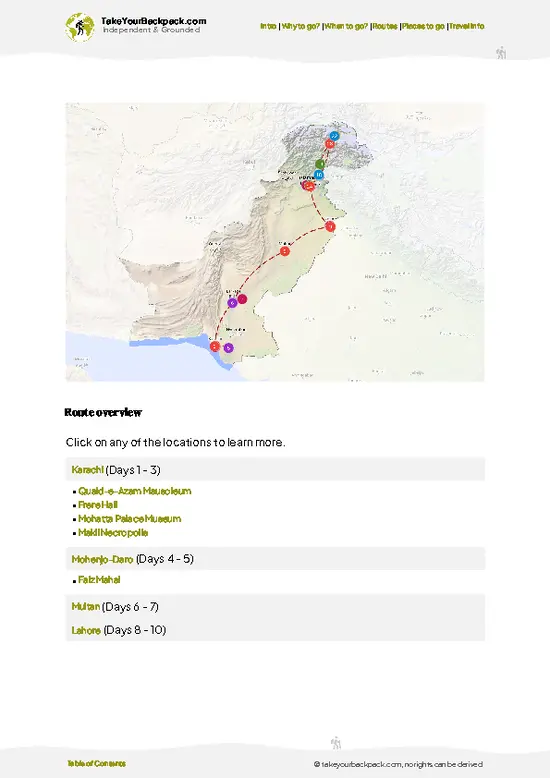
Bala Hisar Fort
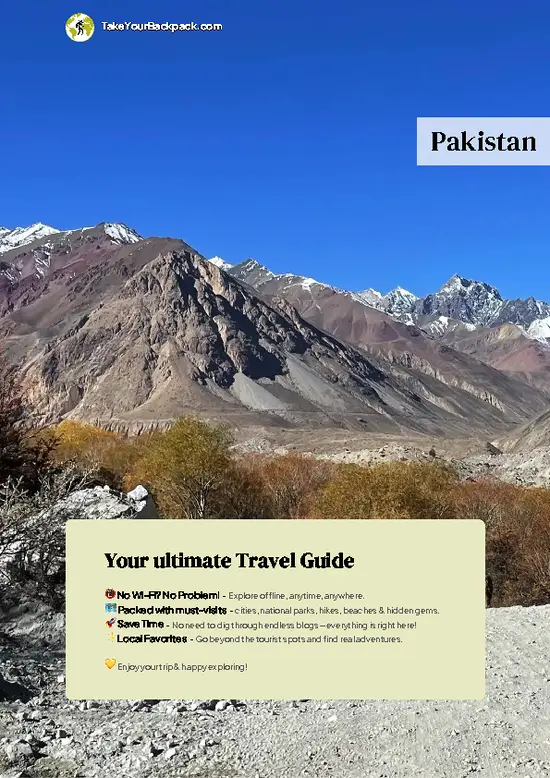
This is Peshawar’s heavyweight: a centuries-old fortress that’s seen everything from Mughal emperors to British officers pacing its ramparts. The views over the city are a reward for the climb, but the real payoff is the sense of history under your boots—thick walls, echoing courtyards, and the feeling you’re standing at the crossroads of empires. Security is tight, so bring ID and expect a bag check. Best in the morning before the sun turns the stone into a skillet. Entry is usually free or a nominal fee. Allow 1-2 hours if you want to linger and let the place sink in.
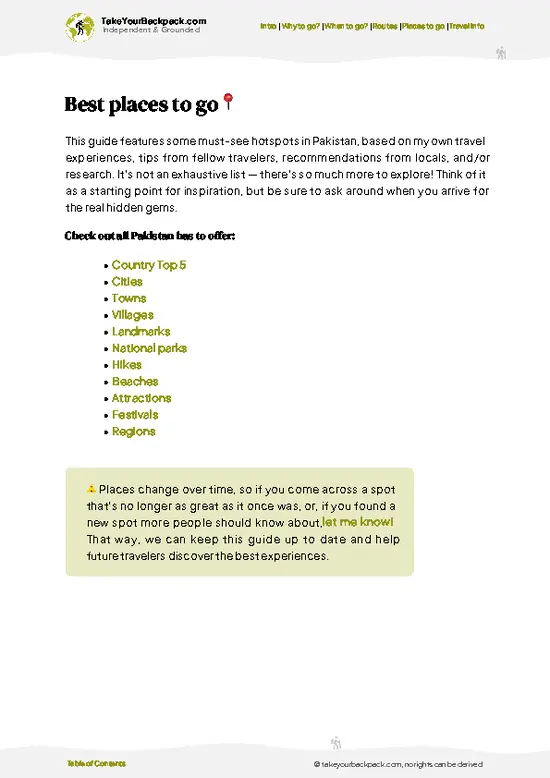
Qissa Khwani Bazaar
This is not a sanitized, Instagram-friendly market. It’s a living artery of Peshawar, where tea stalls, spice merchants, and storytellers (yes, the name means “Storytellers’ Market”) have … read more 👉
This is Peshawar’s heavyweight: a centuries-old fortress that’s seen everything from Mughal emperors to British officers pacing its ramparts. The views over the city are a reward for the climb, but the real payoff is the sense of history under your boots—thick walls, echoing courtyards, and the feeling you’re standing at the crossroads of empires. Security is tight, so bring ID and expect a bag check. Best in the morning before the sun turns the stone into a skillet. Entry is usually free or a nominal fee. Allow 1-2 hours if you want to linger and let the place sink in.
Qissa Khwani Bazaar
This is not a sanitized, Instagram-friendly market. It’s a living artery of Peshawar, where tea stalls, spice merchants, and storytellers (yes, the name means “Storytellers’ Market”) have … read more 👉
Bala Hisar Fort
This is Peshawar’s heavyweight: a centuries-old fortress that’s seen everything from Mughal emperors to British officers pacing its ramparts. The views over the city are a reward for the climb, but the real payoff is the sense of history under your boots—thick walls, echoing courtyards, and the feeling you’re standing at the crossroads of empires. Security is tight, so bring ID and expect a bag check. Best in the morning before the sun turns the stone into a skillet. Entry is usually free or a nominal fee. Allow 1-2 hours if you want to linger and let the place sink in.
Qissa Khwani Bazaar
This is not a sanitized, Instagram-friendly market. It’s a living artery of Peshawar, where tea stalls, spice merchants, and storytellers (yes, the name means “Storytellers’ Market”) have traded for centuries. The bazaar is loud, chaotic, and absolutely essential. The real value isn’t in buying souvenirs—it’s in watching the choreography of daily life. Go late afternoon when the energy peaks and the light gets cinematic. Free to wander, but bring small cash for tea or snacks. You’ll want at least an hour, but you could lose half a day if you let yourself drift.
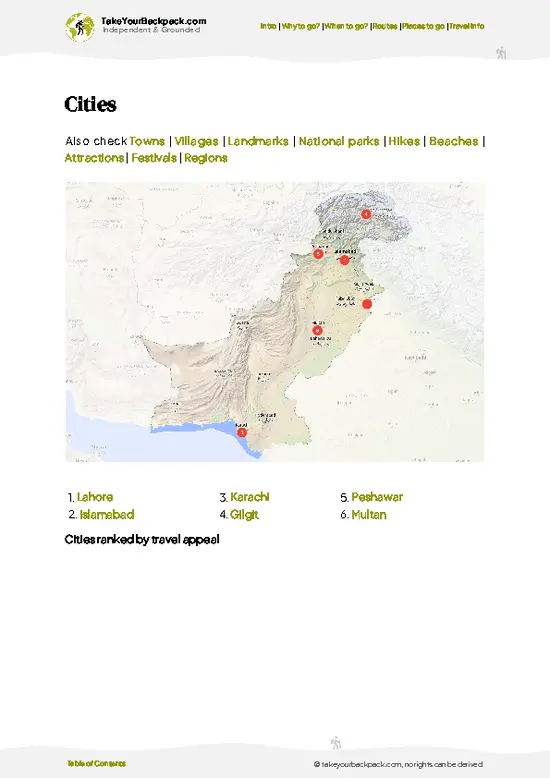
Peshawar Museum
If you want to understand why Peshawar is more than just a border town, this museum is your shortcut. The Gandharan Buddhist sculptures are world-class, and the Islamic art collection is a crash course in the region’s tangled history. The building itself is a colonial relic with a personality of its own. Visit mid-morning to dodge school groups. Entry is modest (expect a few hundred rupees). Two hours is enough for a focused visit, but history buffs will want more.
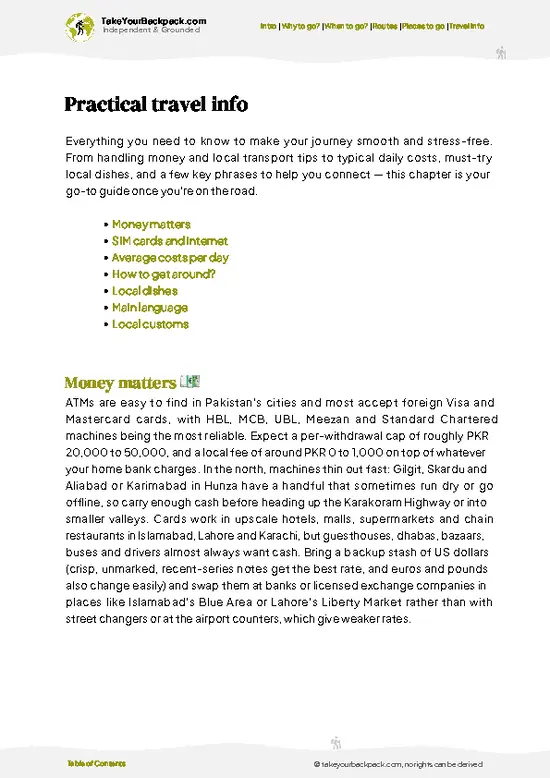
Mahabat Khan Mosque
Step off the street and into a 17th-century oasis of white marble and intricate tilework. This mosque is still very much in use, so dress respectfully and avoid prayer times. The courtyard is a masterclass in symmetry and calm—perfect for catching your breath after the bazaar. Free entry. Early morning or late afternoon is best for soft light and fewer crowds. Thirty minutes is enough unless you want to sketch or photograph.
Sethi House
Tucked inside the old city, this restored merchant mansion is a time capsule of 19th-century opulence. Think stained glass, carved wood, and secret courtyards. The guided tour is worth it for the stories alone. Visit mid-morning for the best light through the windows. Entry is a small fee. Plan for 45 minutes to an hour.
Chowk Yadgar
Not a tourist magnet, but a pulse point for the city’s memory. This central square is where locals gather for protests, celebrations, and chess games. The monument itself is modest, but the people-watching is top-tier. Free, always open. Ten minutes or an hour, depending on your appetite for street life.
For day trips, the Buddhist ruins at Takht-i-Bahi, the Khyber Pass, and Jamrud Fort are all within striking distance—Takht-i-Bahi is my personal favorite for its haunting hilltop views and sense of ancient grandeur.
This is Peshawar’s heavyweight: a centuries-old fortress that’s seen everything from Mughal emperors to British officers pacing its ramparts. The views over the city are a reward for the climb, but the real payoff is the sense of history under your boots—thick walls, echoing courtyards, and the feeling you’re standing at the crossroads of empires. Security is tight, so bring ID and expect a bag check. Best in the morning before the sun turns the stone into a skillet. Entry is usually free or a nominal fee. Allow 1-2 hours if you want to linger and let the place sink in.
Qissa Khwani Bazaar
This is not a sanitized, Instagram-friendly market. It’s a living artery of Peshawar, where tea stalls, spice merchants, and storytellers (yes, the name means “Storytellers’ Market”) have traded for centuries. The bazaar is loud, chaotic, and absolutely essential. The real value isn’t in buying souvenirs—it’s in watching the choreography of daily life. Go late afternoon when the energy peaks and the light gets cinematic. Free to wander, but bring small cash for tea or snacks. You’ll want at least an hour, but you could lose half a day if you let yourself drift.
Peshawar Museum
If you want to understand why Peshawar is more than just a border town, this museum is your shortcut. The Gandharan Buddhist sculptures are world-class, and the Islamic art collection is a crash course in the region’s tangled history. The building itself is a colonial relic with a personality of its own. Visit mid-morning to dodge school groups. Entry is modest (expect a few hundred rupees). Two hours is enough for a focused visit, but history buffs will want more.
Mahabat Khan Mosque
Step off the street and into a 17th-century oasis of white marble and intricate tilework. This mosque is still very much in use, so dress respectfully and avoid prayer times. The courtyard is a masterclass in symmetry and calm—perfect for catching your breath after the bazaar. Free entry. Early morning or late afternoon is best for soft light and fewer crowds. Thirty minutes is enough unless you want to sketch or photograph.
Sethi House
Tucked inside the old city, this restored merchant mansion is a time capsule of 19th-century opulence. Think stained glass, carved wood, and secret courtyards. The guided tour is worth it for the stories alone. Visit mid-morning for the best light through the windows. Entry is a small fee. Plan for 45 minutes to an hour.
Chowk Yadgar
Not a tourist magnet, but a pulse point for the city’s memory. This central square is where locals gather for protests, celebrations, and chess games. The monument itself is modest, but the people-watching is top-tier. Free, always open. Ten minutes or an hour, depending on your appetite for street life.
For day trips, the Buddhist ruins at Takht-i-Bahi, the Khyber Pass, and Jamrud Fort are all within striking distance—Takht-i-Bahi is my personal favorite for its haunting hilltop views and sense of ancient grandeur.
Spotted a mistake or missing something? Contact us.
v2.webp)

Best Backpacking
Hi, I’m Johan (Netherlands 🇳🇱), the creator of TakeYourBackpack. Over the past decade, I’ve backpacked through 80+ countries across six continents, gaining extensive experience with independent travel, long-term trips, and overland routes.