×

Pakistan🇵🇰 | citiesGilgitmountain valleys, trekking base, river crossings | things to do and best time to go

Explore PeshawarExplore Basant

Backpacking in Gilgit
👍 Recommendedcity ranked #4
By Johan Kruseman 🇳🇱 | Updated September 4, 2026

Your first real fork in Gilgit is simple on paper and huge in practice: do you burn a day and a chunk of cash on a private jeep up the valleys, or save money with shared vans and lose time, comfort, and flexibility. That trade-off matters because almost everything worthwhile here lies beyond the city itself. Gilgit sits in northern Pakistan’s Gilgit-Baltistan region, a hub on the Karakoram Highway linking you to Hunza, Skardu, and China.

Gilgit the city is scruffy, functional, and very real. Think riverfront walks, a busy bazaar, a small but interesting old suspension bridge, and a couple of low-key viewpoints rather than big-ticket sights. It’s cheaper and more conservative than Hunza, with fewer cafés and almost no nightlife, but it’s easier to find local transport and supplies. I’ve met more truck drivers and shopkeepers than backpackers here, which makes it less social but more “this is how the north actually works.” Safety-wise, it feels watchful but generally calm if you keep a low profile and respect local norms.

Discover everything you want to know in the 📖 Pakistan Travel Guide.


Get your Pakistan guide
98 ranked highlights, routes & tips, works offline (338 pages)
Loading the map 🌍
CLICK TO FILTER
cities
towns
villages
landmarks
national parks
hikes
beaches
attractions
festivals
regions
SHOW COUNTRY’S BESTSHOW ALL

✨ Why go?
Ranked #4 city in Pakistan
What sets this place apart

Gilgit is a strategic basecamp for backpackers diving into the stunning landscapes of northern Pakistan. It’s not just a stopover; it’s a hub where adventure meets convenience. The city offers a solid mix of highlights and activities that cater to various interests, making it easy to fill your days.

You’ll find a range of hostels that are both affordable and social, perfect for meeting fellow travelers. The local food scene is a treat, with hearty meals that fuel your explorations. Plus, the city is walkable, allowing you to soak in the local vibe without the hassle of transport.

When the sun sets, the nightlife offers a relaxed atmosphere, ideal for unwinding after a day of trekking. And if you’re looking to venture further, easy onward travel options connect you to breathtaking day trips … read more 👉
Gilgit is a strategic basecamp for backpackers diving into the stunning landscapes of northern Pakistan. It’s not just a stopover; it’s a hub where adventure meets convenience. The city offers a solid mix of highlights and activities that cater to various interests, making it easy to fill your days.

You’ll find a range of hostels that are both affordable and social, perfect for meeting fellow travelers. The local food scene is a treat, with hearty meals that fuel your explorations. Plus, the city is walkable, allowing you to soak in the local vibe without the hassle of transport.

When the sun sets, the nightlife offers a relaxed atmosphere, ideal for unwinding after a day of trekking. And if you’re looking to venture further, easy onward travel options connect you to breathtaking day trips and other destinations. Whether you choose to linger or use it as a quick stop, Gilgit fits seamlessly into your backpacking route, offering a blend of value and character that enhances your journey.
Want to include Gilgit in your Pakistan route?
Create a personalized Pakistan itinerary that includes Gilgit and the places that fit your trip — based on your travel style, budget, and available time. Get your route in seconds.

Generate my trip

💡 HighlightsTop highlights of Gilgit

  • Kargah Buddha (rock relief) — A 7th-8th century rock carving tucked into a riverside cliff; weathered and spray-painted in places, but seeing it in person connects you to the region’s Buddhist past in a way photos can’t.
  • Kharphocho Fort (Gilgit Fort) — The ruined fort high above the town where you climb narrow steps for a sweeping view of Gilgit city, the river and the Karakoram Highway; a compact slice of local history and great sunset photo angle.
  • Gilgit Regional/Archaeological Museum — Small but well-curated: Buddhist artifacts, local textiles, and ethnographic displays that explain how this crossroads shaped culture and trade in the valley.
  • Gilgit Main Bazaar (Old Bazaar) — The city’s beating heart: spice stalls, dried apricots, pashmina and carved wood vendors, chai corners and real
read more 👉
  • Kargah Buddha (rock relief) — A 7th-8th century rock carving tucked into a riverside cliff; weathered and spray-painted in places, but seeing it in person connects you to the region’s Buddhist past in a way photos can’t.
  • Kharphocho Fort (Gilgit Fort) — The ruined fort high above the town where you climb narrow steps for a sweeping view of Gilgit city, the river and the Karakoram Highway; a compact slice of local history and great sunset photo angle.
  • Gilgit Regional/Archaeological Museum — Small but well-curated: Buddhist artifacts, local textiles, and ethnographic displays that explain how this crossroads shaped culture and trade in the valley.
  • Gilgit Main Bazaar (Old Bazaar) — The city’s beating heart: spice stalls, dried apricots, pashmina and carved wood vendors, chai corners and real people watching. Great place to practice bargaining and pick up useful travel gear.
  • Shahi Polo Ground — Gilgit’s polo ground is classic Gilgit: open space, long-playing local polo games (often free to watch) and a social scene where locals gather, especially in the afternoons and on match days.
  • Central Jamia Mosque (Markazi Mosque) — A large community mosque that’s architecturally straightforward but socially central; visiting outside prayer times gives insight into daily religious life and local rhythms.
  • Gilgit Club (colonial-era building) — The old club/tea-house area still has that slow, colonial-era vibe; pop in for tea if you can, it’s a quiet way to absorb some of the town’s layered history and meet other travelers or locals.
  • Danyore Suspension Bridge — A dramatic pedestrian suspension bridge spanning the Gilgit River near the city’s edge; a short walk from town, it’s noisy, bouncy and offers epic close-up views of the gorge and cliffs.
  • Barmas Forest & Orchard area — A short drive from the centre, this small, green pocket with apple trees and shaded paths is a local picnic spot—nice for a relaxed walk, especially in spring and autumn.
  • Local handicraft and carpet workshops (Old Bazaar area) — Small, family-run workshops where you can watch pashmina dyeing, carpet-weaving or woodcarving up close; more meaningful than a shop window because you see how things are actually made.
A few excellent day trips just outside Gilgit: Karimabad in Hunza (Altit/Baltit forts and viewpoints), Naltar Valley (lakes and pine forests), and the Rakaposhi viewpoints in Nagar — Karimabad (Hunza) is my personal favorite for a day trip because the mountain views and old forts are compact, stunning and travel-easy from Gilgit.
Spotted a mistake or missing something? Contact us.

Things to do in Gilgit

Ratings based on Tripadvisor reviews. When you book through this link, you support our work at no extra cost to you.

🏘️ NeighborhoodsHow different areas shape the experience

Gilgit is a gateway to some of the most breathtaking landscapes in Pakistan, and each neighborhood offers a unique flavor for backpackers. Here’s how to navigate the city’s areas for the best experience.

**Gilgit City Center**
This is the heart of the action. You’ll find budget-friendly guesthouses, local eateries, and shops. The vibe is lively, with a mix of locals and travelers. Walkability is high, making it easy to explore on foot. Nightlife is limited, but you can find a few cafes that stay open late. Great for short stays, as everything is within reach.

**Karimabad**
Just a short drive from Gilgit, this area offers stunning views of Nanga Parbat. It’s more tranquil, perfect for those seeking a peaceful retreat. Accommodations range from basic to mid-range, and while it’s less walkable, … read more 👉
Gilgit is a gateway to some of the most breathtaking landscapes in Pakistan, and each neighborhood offers a unique flavor for backpackers. Here’s how to navigate the city’s areas for the best experience.

**Gilgit City Center**
This is the heart of the action. You’ll find budget-friendly guesthouses, local eateries, and shops. The vibe is lively, with a mix of locals and travelers. Walkability is high, making it easy to explore on foot. Nightlife is limited, but you can find a few cafes that stay open late. Great for short stays, as everything is within reach.

**Karimabad**
Just a short drive from Gilgit, this area offers stunning views of Nanga Parbat. It’s more tranquil, perfect for those seeking a peaceful retreat. Accommodations range from basic to mid-range, and while it’s less walkable, the scenery makes up for it. Ideal for longer stays if you want to soak in the beauty and explore nearby hikes.

**Naltar Valley**
A bit off the beaten path, Naltar is known for its vibrant lakes and lush landscapes. Access requires a jeep ride, but the journey is part of the adventure. Accommodations are limited, so plan ahead. This area is best for those looking to disconnect and immerse themselves in nature, making it suitable for longer stays.

**Chilam Joshi**
This neighborhood is quieter, with a more local feel. It’s less touristy, which means lower prices and a chance to interact with residents. Walkability is decent, but you’ll need to rely on local transport for longer distances. Perfect for backpackers wanting an authentic experience, whether for a short or extended visit.

⌛️ 1 dayWhat you can realistically do in a day

Gilgit, nestled in the heart of the Karakoram, is a vibrant hub for adventurers and culture seekers alike. Its stunning mountain backdrop and rich history make it a fascinating stop. You can dive into the local culture while soaking in breathtaking views, all within a single day.

Start your morning at the bustling Gilgit Bazaar. The aroma of freshly baked bread mingles with the chatter of locals. Grab a traditional breakfast of *balay* (a type of flatbread) and tea from a street vendor. This isn’t just food; it’s a slice of daily life. As you wander through the market, take in the colorful stalls selling everything from spices to handmade crafts. It’s a sensory overload in the best way.

In the afternoon, head to the serene Naltar Valley, just a short drive from the city. While it’s not on … read more 👉
Gilgit, nestled in the heart of the Karakoram, is a vibrant hub for adventurers and culture seekers alike. Its stunning mountain backdrop and rich history make it a fascinating stop. You can dive into the local culture while soaking in breathtaking views, all within a single day.

Start your morning at the bustling Gilgit Bazaar. The aroma of freshly baked bread mingles with the chatter of locals. Grab a traditional breakfast of *balay* (a type of flatbread) and tea from a street vendor. This isn’t just food; it’s a slice of daily life. As you wander through the market, take in the colorful stalls selling everything from spices to handmade crafts. It’s a sensory overload in the best way.

In the afternoon, head to the serene Naltar Valley, just a short drive from the city. While it’s not on every tourist’s radar, the vibrant blue lakes and lush meadows are worth the trip. Spend a few hours hiking the trails, soaking in the tranquility, and snapping photos of the stunning landscapes. The locals are friendly and often eager to share stories about their way of life.

As evening approaches, return to Gilgit and visit the historic Kargil War Memorial. It’s a poignant reminder of the region’s complex history. The sunset casts a golden hue over the mountains, creating a perfect backdrop for reflection.

Wrap up your day at a local eatery in the Jutial neighborhood, where you can savor *pulao* and *kebabs*. The warmth of the locals and the delicious food will leave you feeling connected to this remarkable place. In just one day, you’ve tasted the essence of Gilgit, balancing time, money, and comfort for a truly enriching experience.
Turn your Gilgit visit into an Pakistan adventure
Build a complete Pakistan route with Gilgit, hidden gems, must-see destinations, and realistic travel times included.

Generate my trip

🌤️ When to go?Seasonal considerations and timing


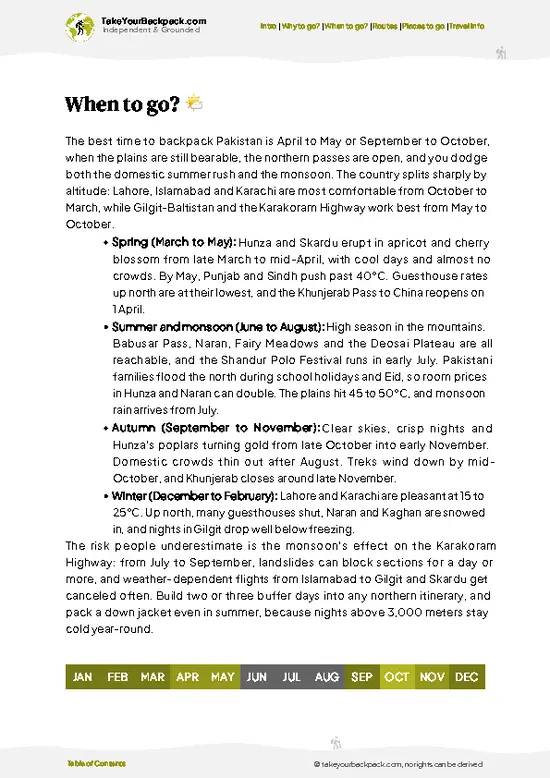
  • Weather: Gilgit’s prime backpacking window is late spring through early autumn, roughly May to September. This period avoids the harsh winter chill and heavy snowfall that can shut down trails and roads. Expect dry, clear skies ideal for trekking and sightseeing.

  • Temperature: Daytime highs hover between 15°C to 25°C (59°F to 77°F) in summer, comfortable for long hikes without overheating. Nights can dip to 5°C (41°F), so pack layers. Winter temperatures plunge below freezing, making outdoor activities tough.

  • Daylight Hours: Summer offers long days, with up to 14-15 hours of daylight. This extends your trekking window, letting you cover more ground without rushing or relying on headlamps.

  • Crowds: Peak season sees a moderate influx of tourists, mostly local and regional. It’s not overwhelming,
read more 👉

  • Weather: Gilgit’s prime backpacking window is late spring through early autumn, roughly May to September. This period avoids the harsh winter chill and heavy snowfall that can shut down trails and roads. Expect dry, clear skies ideal for trekking and sightseeing.

  • Temperature: Daytime highs hover between 15°C to 25°C (59°F to 77°F) in summer, comfortable for long hikes without overheating. Nights can dip to 5°C (41°F), so pack layers. Winter temperatures plunge below freezing, making outdoor activities tough.

  • Daylight Hours: Summer offers long days, with up to 14-15 hours of daylight. This extends your trekking window, letting you cover more ground without rushing or relying on headlamps.

  • Crowds: Peak season sees a moderate influx of tourists, mostly local and regional. It’s not overwhelming, but expect more fellow trekkers and busier guesthouses. Off-season means solitude but at the cost of accessibility and comfort.

  • Seasonal Activities: Summer is when mountain passes open, enabling multi-day treks and river rafting. Spring brings blooming wildflowers, while autumn offers crisp air and clear mountain views, perfect for photography.

  • Price Fluctuations: Accommodation and transport costs rise during peak months due to demand. Booking early can lock in better rates. Off-season travel is cheaper but comes with the risk of limited services and harsher conditions.


Pro-tip: Aim for late May or early September to balance pleasant weather, manageable crowds, and better prices—this sweet spot turns logistics into your advantage.


source: climatestotravel.comJANJanuary: below average for travelingFEBFebruary: below average for travelingMARMarch: fair for travelingAPRApril: good for travelingMAYMay: excellent for travelingJUNJune: excellent for travelingJULJuly: excellent for travelingAUGAugust: excellent for travelingSEPSeptember: highly recommended for travelingOCTOctober: good for travelingNOVNovember: fair for travelingDECDecember: below average for traveling
when-to-go

✈️ The backpacker research shortcutPakistan Travel Guide

An offline-friendly backpacking guide with optimized travel routes, ranked highlights, transport advice, and the best areas to stay.
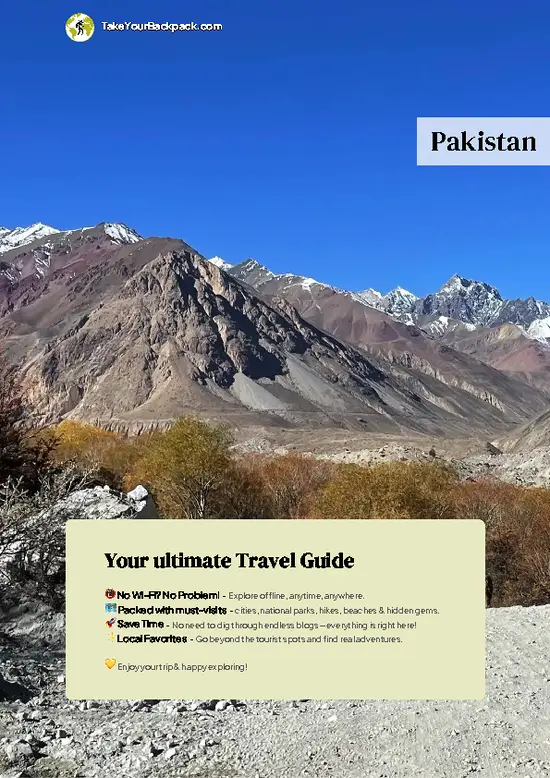
example page 0 from our offline Travel Guide for Pakistan
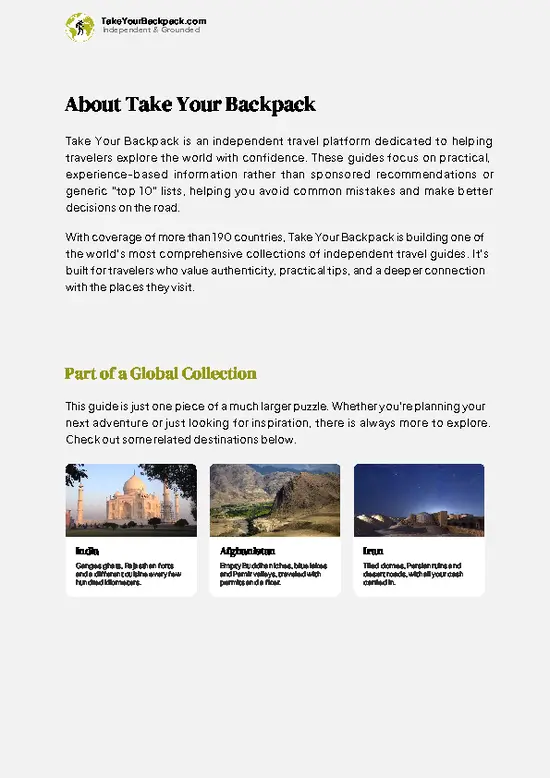
example page 1 from our offline Travel Guide for Pakistan
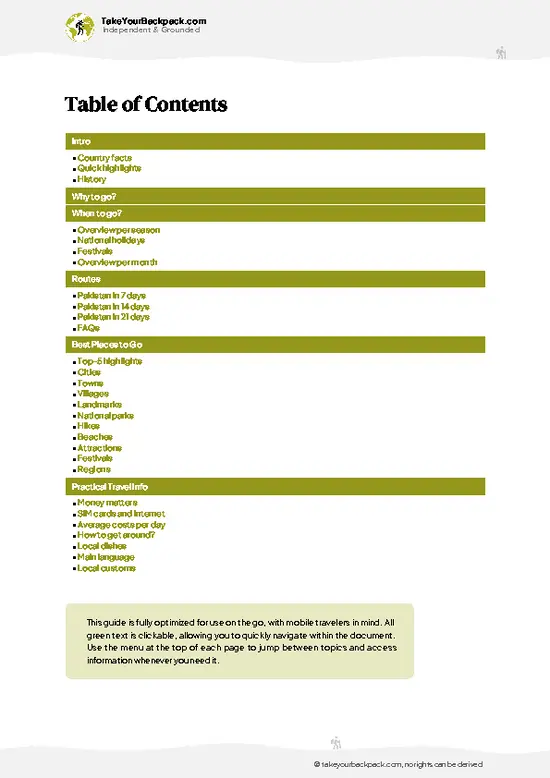
example page 2 from our offline Travel Guide for Pakistan
example page 3 from our offline Travel Guide for Pakistan
example page 4 from our offline Travel Guide for Pakistan
example page 5 from our offline Travel Guide for Pakistan
example page 6 from our offline Travel Guide for Pakistan
example page 7 from our offline Travel Guide for Pakistan
The digital guide (338 pages) contains:
98 highlights, ranked by travel appeal
Optimized 7, 14 & 21-day travel routes
Cities, national parks, landmarks, beaches
How to get around
Offline-friendly for travel without Wi-Fi
👉 Click to see all 30+ guide features

📅 Plan smarter in minutes, not weeks
Month by month travel advice
Festivals & national holidays
Budget expectations

🗺️ Go to the right places, skip the overrated ones
Honest pros & cons of destinations
Top hikes, parks & viewpoints
Lesser-known places most travelers miss
Clear “worth it vs skip it” guidance

🛏️ Travel smoothly without rookie mistakes
Best areas to stay
Transport systems explained simply
Common scams & safety advice
SIM cards, money & practical tips

🌍 Understand the country, not just visit it
Culture & traditions
52 Essential phrases & customs
Festivals worth planning around
Traveler-friendly historical context
Insights that make places more meaningful

📱 Built for real travel conditions
Fully downloadable PDF
Works completely offline
Optimized for phone use
Useful in remote areas & buses
Everything in one place
Save weeks of stressful planning
Get instant access to your full guide. 30‑day money-back guarantee.
+ Add another guide for just R$44.25

By proceeding you agree to our terms.
Sent to your inbox immediately after payment • 100% Secure Checkout
Best Backpacking Travel Advisor 2025 tourism awardBest Backpacking
Travel Advisor
2025
What others say about Take Your Backpack Guides:
⭐⭐⭐⭐⭐
Fantastic, amazing amount of information!
⭐⭐⭐⭐⭐
My goodness this is amazing, it's what I've been looking for hats off too you!
⭐⭐⭐⭐⭐
I think this is absolutely BRILLIANT
⭐⭐⭐⭐
Very complete and informative. It's still missing places, but I gotta to commend you
⭐⭐⭐⭐⭐
This is truly amazing, thank you, can't wait to explore it with my kids!
⭐⭐⭐⭐⭐
Awesome resource, thank you!
⭐⭐⭐⭐⭐
This is amazing! Can't wait to explore the ones I haven't seen
⭐⭐⭐⭐
I love this! Well done, great idea.
⭐⭐⭐⭐⭐
Thanks for taking the time to make this gem!
⭐⭐⭐⭐⭐
This might be the best website I've ever seen.
⭐⭐⭐⭐⭐
Congratulations, and thank you so much for your work; it's incredibly valuable.
⭐⭐⭐⭐
In all seriousness I think you did a great job pointing out the important spots
⭐⭐⭐⭐⭐
10/10 very good
⭐⭐⭐⭐⭐
As someone who's only just starting to visit regularly this is awesome, thank you.
⭐⭐⭐⭐
Thank you very much! I'm going to visit my dad, it's going to be very useful!
⭐⭐⭐⭐⭐
This is really cool! We'll be travelling for the first time and this definitely come in handy.
⭐⭐⭐⭐⭐
You are now our minister of culture, congratulations 👨‍💼
⭐⭐⭐⭐⭐
Just wanted to tell you that this is a pearl! Going to follow your recommendations.
⭐⭐⭐⭐⭐
This is so cool. I'll definitely be using the resource for my travels soon.
⭐⭐⭐⭐⭐
This is very impressive! Good work.
⭐⭐⭐⭐⭐
This is an amazing and informative site. Very well done!

🛏️ Where to stay?Where staying makes the most sense

Gilgit’s heart for backpackers beats strongest around the city center and the nearby Jutial area. These neighborhoods strike a smart balance between safety, social buzz, and budget-friendly options, making them the natural hubs for solo travelers and those keen to connect without sacrificing comfort.

The city center is where you feel Gilgit’s pulse—streets lined with small shops, local eateries, and a steady flow of fellow travelers. It’s compact, walkable, and packed with affordable guesthouses and hostels that cater to backpackers. The vibe here is casual but lively, with enough foot traffic … read more 👉
Gilgit’s heart for backpackers beats strongest around the city center and the nearby Jutial area. These neighborhoods strike a smart balance between safety, social buzz, and budget-friendly options, making them the natural hubs for solo travelers and those keen to connect without sacrificing comfort.

The city center is where you feel Gilgit’s pulse—streets lined with small shops, local eateries, and a steady flow of fellow travelers. It’s compact, walkable, and packed with affordable guesthouses and hostels that cater to backpackers. The vibe here is casual but lively, with enough foot traffic to feel secure at night without the chaos of a tourist trap. You’ll find it easy to strike up conversations, share rides to trekking spots, or swap route tips over chai.

Jutial, just a short ride from downtown, offers a quieter, slightly more residential feel but still hosts several budget accommodations popular with backpackers. It’s a good choice if you want a bit more calm after a day of exploring, with easy access to local markets and transport hubs. Compared to other parts of Gilgit, these areas avoid the isolation or upscale exclusivity that can make solo travel tricky or expensive.

In short, stick to the city center or Jutial to maximize safety, social opportunities, and wallet-friendly stays. Other neighborhoods either lack the backpacker infrastructure or feel too remote to be practical for first-timers or solo adventurers.

🚌 Getting aroundGetting around like a local

Gilgit moves at its own rhythm—partly dictated by the rugged geography, partly by the pulse of local life. It’s not a place where you’ll find strict timetables etched in stone, but neither is it a free-for-all chaos. Instead, it’s a dance between the two: a blend of informal agreements and practical necessity. You’ll notice how the flow of people and vehicles adapts to the terrain and weather, with a patience born from knowing that sometimes, the mountain decides the schedule. Understanding this flow is your first win. It means you can plan smartly, knowing when to push for speed and when to embrace the slower, more authentic pace.


  • Walking: The most reliable and cost-free way to get around Gilgit’s compact center. Streets are narrow and often uneven, so sturdy shoes are a must. Walking
read more 👉
Gilgit moves at its own rhythm—partly dictated by the rugged geography, partly by the pulse of local life. It’s not a place where you’ll find strict timetables etched in stone, but neither is it a free-for-all chaos. Instead, it’s a dance between the two: a blend of informal agreements and practical necessity. You’ll notice how the flow of people and vehicles adapts to the terrain and weather, with a patience born from knowing that sometimes, the mountain decides the schedule. Understanding this flow is your first win. It means you can plan smartly, knowing when to push for speed and when to embrace the slower, more authentic pace.


  • Walking: The most reliable and cost-free way to get around Gilgit’s compact center. Streets are narrow and often uneven, so sturdy shoes are a must. Walking lets you soak in the local vibe, but expect slower progress—perfect for short hops or exploring neighborhoods.


  • Local Minibuses: These are the backbone of budget transit here. They run roughly from 7 AM to 7 PM, with fares typically under 50 PKR. Minibuses are slow and often packed, but they cover most routes connecting Gilgit’s outskirts to the town center. Comfort is minimal, but the price and reach make them indispensable.


  • Shared Taxis: A step up in speed and comfort, shared taxis operate on flexible schedules, often leaving when full. Expect to pay around 100-200 PKR depending on distance. They’re faster than minibuses and more direct, but you sacrifice predictability—sometimes you wait, sometimes you go immediately.


  • Private Taxis: For those who want control over timing and route, private taxis are available but pricier, starting around 1000 PKR for short trips. They offer comfort and speed but at a cost that quickly adds up. Best reserved for early departures or late arrivals when other options dwindle.


  • Motorbike Rentals: If you’re comfortable on two wheels, renting a motorbike gives you unmatched freedom. Prices hover around 1500-2000 PKR per day. It’s fast and flexible, but requires confidence navigating narrow, sometimes treacherous roads. Not for the faint-hearted, but a high-value choice for those who want to maximize time and comfort on a budget.


Mastering Gilgit’s transit means balancing these options against your priorities. Walk when you want immersion and zero cost. Grab a minibus if you’re patient and price-sensitive. Opt for shared taxis when time matters but you still want to save. Private taxis and motorbikes are your trump cards—expensive but strategic, unlocking speed and comfort when you need them most. This is the game: knowing when to spend time, when to spend money, and when to accept a bit of discomfort for the payoff. Play it well, and you’re not just getting around—you’re winning the trip.

👛 Costs (as of 4 September 2026)What things cost and how to budget

Backpacking in Gilgit, Pakistan, is a study in balancing your budget against the rugged charm and remote location of this mountain gateway. Here’s how your daily expenses typically stack up:
  • Dorm Accommodation (High Season): Expect to pay around $8 to $12 per night. High season, usually spring and autumn, pushes prices up due to demand from trekkers and tourists.
  • Dorm Accommodation (Off-Season): Drop to about $5 to $8 per night. Winter months see fewer visitors, so hostels and guesthouses lower rates to fill beds.
  • Meals: Local eateries serve hearty meals for $2 to $5 each. Sticking to traditional Pakistani dishes like chapati, dal, and rice keeps costs low while giving you authentic flavors.
  • Local Transport: Shared jeeps or minibuses for short trips around Gilgit cost roughly $0.50 to
read more 👉
Backpacking in Gilgit, Pakistan, is a study in balancing your budget against the rugged charm and remote location of this mountain gateway. Here’s how your daily expenses typically stack up:
  • Dorm Accommodation (High Season): Expect to pay around $8 to $12 per night. High season, usually spring and autumn, pushes prices up due to demand from trekkers and tourists.
  • Dorm Accommodation (Off-Season): Drop to about $5 to $8 per night. Winter months see fewer visitors, so hostels and guesthouses lower rates to fill beds.
  • Meals: Local eateries serve hearty meals for $2 to $5 each. Sticking to traditional Pakistani dishes like chapati, dal, and rice keeps costs low while giving you authentic flavors.
  • Local Transport: Shared jeeps or minibuses for short trips around Gilgit cost roughly $0.50 to $1.50 per ride. These are the lifeblood of local travel, slow but cheap.
  • City Transport Pass: Gilgit doesn’t have a formal city transport pass system. Instead, budget for daily rides as needed, usually maxing out around $3 if you’re moving frequently.
  • Basic Activities/Entry Fees: Most natural attractions and local markets are free or have minimal fees, around $1 to $3. Organized trekking permits or guided tours can add $10 to $20 per day if you choose to splurge.
  • Miscellaneous Expenses: This covers bottled water, snacks, occasional internet access, or small souvenirs, typically $2 to $5 daily.

Summing it up, a realistic daily budget for backpacking in Gilgit ranges from about $15 on a shoestring to $30 if you lean toward a bit more comfort or guided experiences. The key trade-off here is between time and money: spending a little more can save you hours of hassle, but if you’re patient and flexible, Gilgit rewards with low costs and rich local encounters.


source: tourism.gov.pk
⚠️ Prices can change and everyone travels differently, so take this as a rough guide. Hope it helps you plan your adventure!

🚌 Day tripsWhere to go beyond the main area

Gilgit is a backpacker’s dream hub, offering access to some of the most breathtaking landscapes and cultural experiences in northern Pakistan. With a little planning, you can dive into day trips that are rich in adventure without breaking the bank.

**Fairy Meadows**
A trek to Fairy Meadows is like stepping into a postcard. The journey takes about two hours by jeep from Gilgit to Raikot Bridge, followed by a 2-3 hour hike. The views of Nanga Parbat are jaw-dropping, and the lush meadows are perfect for a picnic. Expect to spend around 1,500 PKR for transport and food. The best time to visit is from late spring to early autumn. A common mistake? Underestimating the trek’s difficulty; wear sturdy shoes and pack water.
👉 Explore Fairy Meadows

**Hunza Valley**
Just a couple of hours from … read more 👉
Gilgit is a backpacker’s dream hub, offering access to some of the most breathtaking landscapes and cultural experiences in northern Pakistan. With a little planning, you can dive into day trips that are rich in adventure without breaking the bank.

**Fairy Meadows**
A trek to Fairy Meadows is like stepping into a postcard. The journey takes about two hours by jeep from Gilgit to Raikot Bridge, followed by a 2-3 hour hike. The views of Nanga Parbat are jaw-dropping, and the lush meadows are perfect for a picnic. Expect to spend around 1,500 PKR for transport and food. The best time to visit is from late spring to early autumn. A common mistake? Underestimating the trek’s difficulty; wear sturdy shoes and pack water.
👉 Explore Fairy Meadows

**Hunza Valley**
Just a couple of hours from Gilgit, Hunza Valley is a cultural feast. You can explore ancient forts like Baltit and Altit, and the scenery is nothing short of spectacular. The round trip can be done in a day, costing about 2,000 PKR for transport and snacks. Spring and autumn are ideal for vibrant colors and fewer crowds. Many first-timers rush through; take your time to soak in the local culture and try the apricot products.
👉 Explore Hunza Valley

**Naltar Valley**
Naltar Valley is a hidden treasure, known for its stunning lakes and vibrant colors. It’s about a 3-hour drive from Gilgit, followed by a short jeep ride. The total cost is around 2,500 PKR, including transport and a packed lunch. Late spring to early fall is best for clear skies. A rookie mistake? Not checking the weather; it can change quickly, so be prepared for anything.
👉 Explore Naltar Valley

**Kachura Lakes**
The Kachura Lakes are a serene escape, just a 2.5-hour drive from Gilgit. Spend your day swimming, picnicking, or simply enjoying the tranquility. Expect to spend around 1,800 PKR for the trip. Late spring and summer are prime times for this trip. Many travelers overlook the area’s beauty; don’t just rush to the lakes—explore the surrounding trails for stunning views.
Want to know what more Pakistan offers?
The Pakistan Travel Guide describes 98 highlights, from cities to national parks, from beaches to hikes

Get the Travel Guide -

🍲 FoodEating & Drinking in Gilgit

Gilgit is a culinary playground for the adventurous backpacker. Dive into **Nihari**, a slow-cooked beef stew that warms you from the inside out, or savor **Chapshuro**, a stuffed flatbread bursting with spiced meat and onions. The flavors are rich, and the aromas wafting from street stalls will pull you in like a magnet.

Street food is where the action is. Vendors line the bustling markets, serving up **samosas** and **pakoras** that are crispy and golden. Grab a plate and find a spot to sit with locals; the camaraderie is palpable. Don’t miss out on **Kashmiri chai**, a pink, creamy tea that’s both sweet and salty, perfect for sipping while you soak in the vibrant atmosphere.

Eating customs here are relaxed but meaningful. Sharing food is a sign of hospitality, so don’t be surprised if … read more 👉
Gilgit is a culinary playground for the adventurous backpacker. Dive into **Nihari**, a slow-cooked beef stew that warms you from the inside out, or savor **Chapshuro**, a stuffed flatbread bursting with spiced meat and onions. The flavors are rich, and the aromas wafting from street stalls will pull you in like a magnet.

Street food is where the action is. Vendors line the bustling markets, serving up **samosas** and **pakoras** that are crispy and golden. Grab a plate and find a spot to sit with locals; the camaraderie is palpable. Don’t miss out on **Kashmiri chai**, a pink, creamy tea that’s both sweet and salty, perfect for sipping while you soak in the vibrant atmosphere.

Eating customs here are relaxed but meaningful. Sharing food is a sign of hospitality, so don’t be surprised if someone offers you a bite of their meal. When dining, it’s common to eat with your right hand, a practice that connects you to the food and the people around you.

In Gilgit, every meal is a chance to connect, explore, and indulge in the rich tapestry of flavors that define this region.

🛡️ SafetyStaying Safe: What Travelers Should Know

Gilgit is generally safe for backpackers, but a few situational awareness tips can enhance your experience. Stick to well-lit areas at night, especially if you’re solo. The streets can be quiet, and a little caution goes a long way.

Watch for common scams, like overly friendly locals offering unsolicited help that leads to inflated prices. Politely decline and trust your instincts.

Transportation can be a hassle; shared taxis often have set routes, but drivers might try to squeeze in extra passengers. Be firm about your fare and destination.

Annoyances like persistent street vendors can be managed with a friendly smile and a firm “no, thank you.” Carry yourself confidently, and you’ll find that most locals are genuinely welcoming. Embrace the culture, but stay aware, and you’ll navigate Gilgit like a pro.

FAQFrequently asked questions about Gilgit

3 to 4 days are sufficient to explore Gilgit and nearby attractions like Naltar Valley and Rakaposhi Base Camp. This allows time for acclimatization and short treks. Longer stays are recommended for extensive trekking or visiting remote valleys.
Yes, Gilgit is generally safe for solo backpackers, especially during the tourist season from May to September. Basic precautions like avoiding isolated areas at night and respecting local customs are advised. The region has a low crime rate and welcoming locals.
Gilgit is known for its stunning mountain scenery, including peaks like Rakaposhi and Nanga Parbat. It serves as a gateway to the Karakoram and Himalaya ranges and is famous for its rich cultural heritage and bazaars offering local handicrafts.
⚠️ Things can change over time, so always validate details locally before you go.

Other Pakistani cities near Gilgit

Explore more nearby:

  • Islamabad—green belts, modern grid, diplomatic enclave| 273 km away
  • Peshawar—frontier bazaars, Qissa Khwani, Pashtun heritage| 333 km away
  • Lahore—Mughal sites, food streets, walled city| 489 km away

💡 Not sure where to go next?
Create a personalized itinerary for Pakistan including Gilgit and the places that fit your trip.

Generate my itinerary

👉 Discover all cities

Or checkout all Pakistan has to offer (think cities, towns, villages, national parks, hikes, beaches, festivals)
Country photo of Pakistan

We 💚 feedbackIs it worth it?

Gilgit is a gateway to some of the most breathtaking mountain landscapes you’ll ever see. The thrill of trekking through the Karakoram Range is worth every ounce of effort. But be prepared: the infrastructure can be a bit rough. Roads are often bumpy, and services can be limited. Embrace the unpredictability, and you’ll find the real magic in the journey. It’s all part of the adventure.

✈️ When did I visit Pakistan?
Even though the media portrays Pakistan often as a dangerous country, it has its great spots and loving a mountains, the mountain regions in the north are just heaven. Visited Pakistan in October 2022.

✍️ Help improve this page!
The information on this page is based on my own backpacking experience in Pakistan, supplemented with up-to-date research and feedback from other travelers. Travel details can change, so if you notice anything outdated or incomplete, feel free to let me know.


🙋‍♂️ Give feedback

👋 Meet the founderWho’s Behind Take Your Backpack?

Johan, backpacker and founder of TakeYourBackpackHi, I’m Johan (Netherlands 🇳🇱), the creator of TakeYourBackpack. Over the past decade, I’ve backpacked through 80+ countries across six continents, gaining extensive experience with independent travel, long-term trips, and overland routes.

This site is built on a combination of firsthand travel experience and carefully curated insights from other backpackers. Many guides are based on places I’ve personally visited, while others bring together tips, observations, and practical advice shared by trusted travelers I’ve met along the way.

The goal is to provide realistic, experience-driven guidance — not generic itineraries — so you can explore destinations with better context, clearer expectations, and more confidence.

Get full Pakistan guide •
Instant download • 98 highlights • Full Offline guide