×

Pakistan🇵🇰 | regionsShandur PassHigh pass, polo festival, treeless plateau | things to do and best time to go

Explore Neelum ValleyExplore Shounter Valley

Backpacking in Shandur Pass
👌 Worth visitingregion ranked #10
By Johan Kruseman 🇳🇱 | Updated October 15, 2026

Here's the thing nobody tells you until you're already stranded at 3,700 meters: the jeep drivers on either side of Shandur Pass don't run to a printed timetable, they run when the vehicle fills up, so build a buffer day into your plan or you'll be sleeping in a shepherd's stone hut. Shandur sits in the Hindu Raj range, straddling the boundary between Chitral and Gilgit-Baltistan. The trade-off is stark: skip the discomfort and you skip the reward, because the flat-topped plateau, ringed by bare peaks and dotted with marmots, doesn't exist anywhere else in this form. I remember lying on cold grass at dusk, watching the sky go the color of a bruise while yak bells clinked somewhere out of sight, and thinking no bus ticket could have bought that feeling. It's remote, cheap, and blissfully empty of tour buses.

Discover everything you want to know in the 📖 Pakistan Travel Guide.


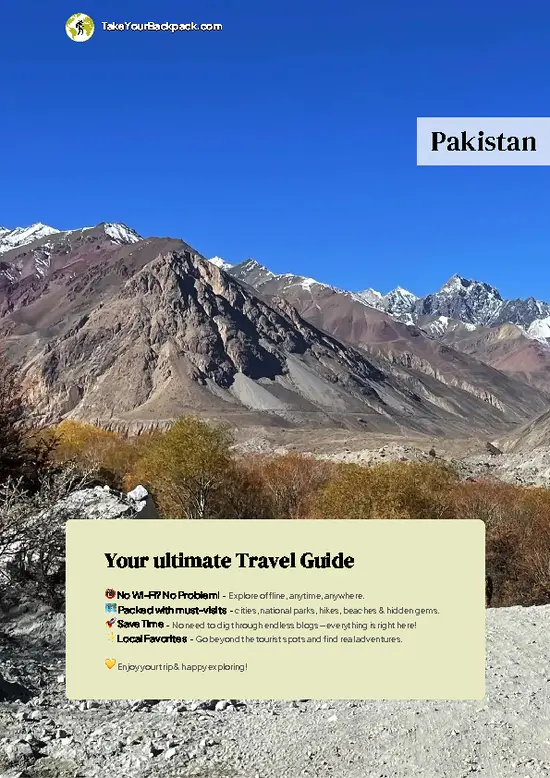
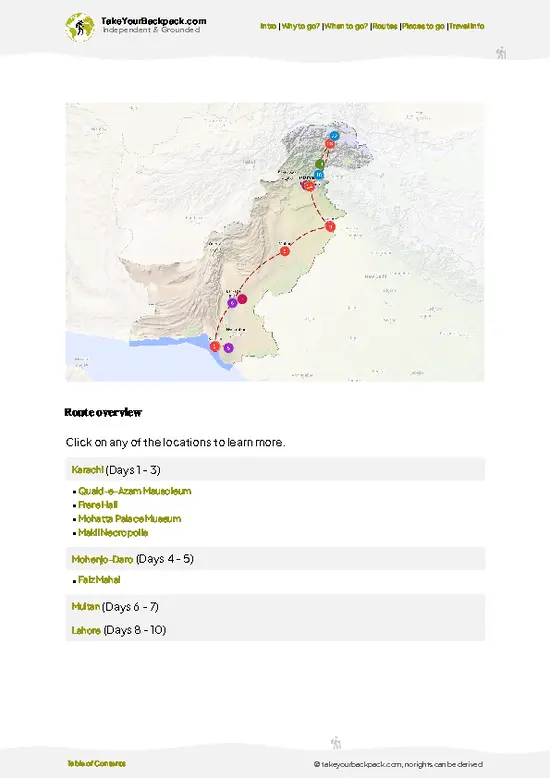
example page 0 from our offline Travel Guide for Pakistan
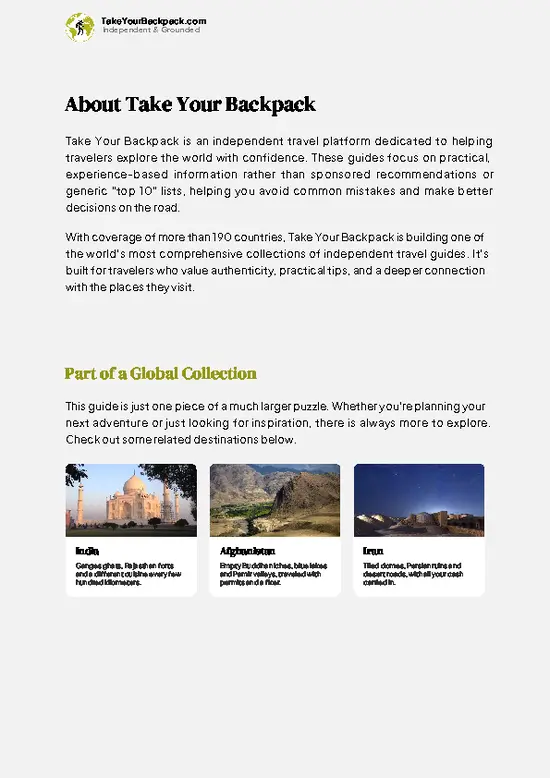
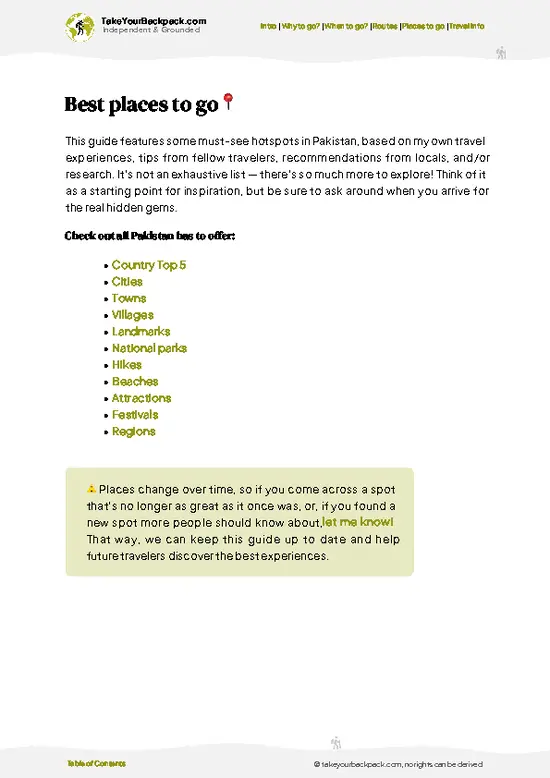
example page 1 from our offline Travel Guide for Pakistan
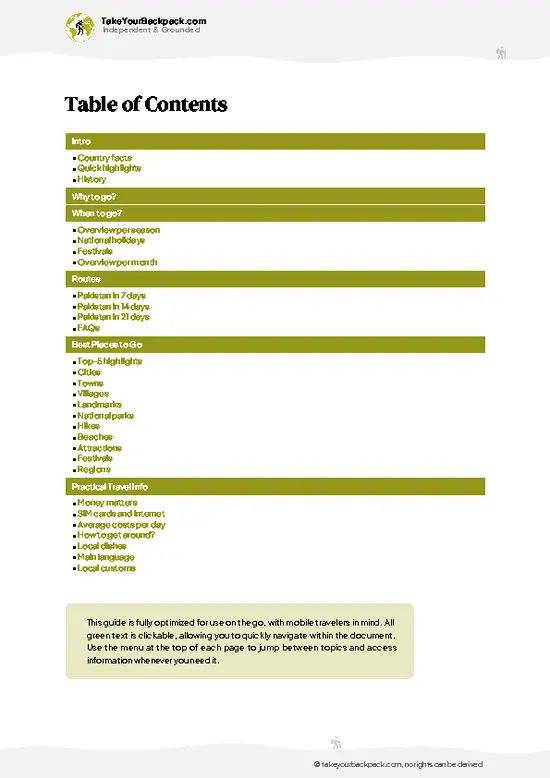
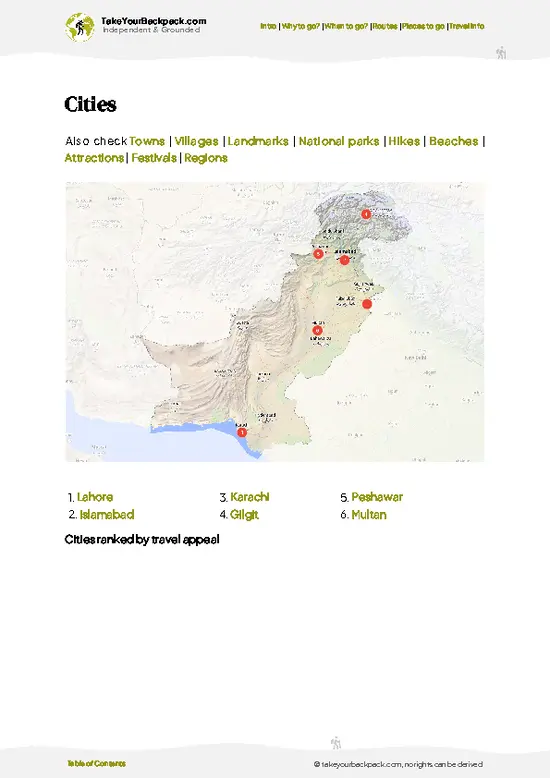
example page 2 from our offline Travel Guide for Pakistan
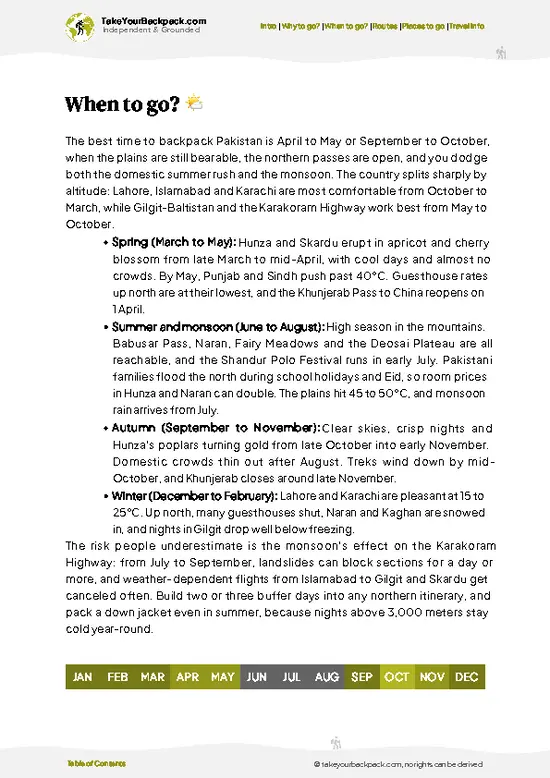
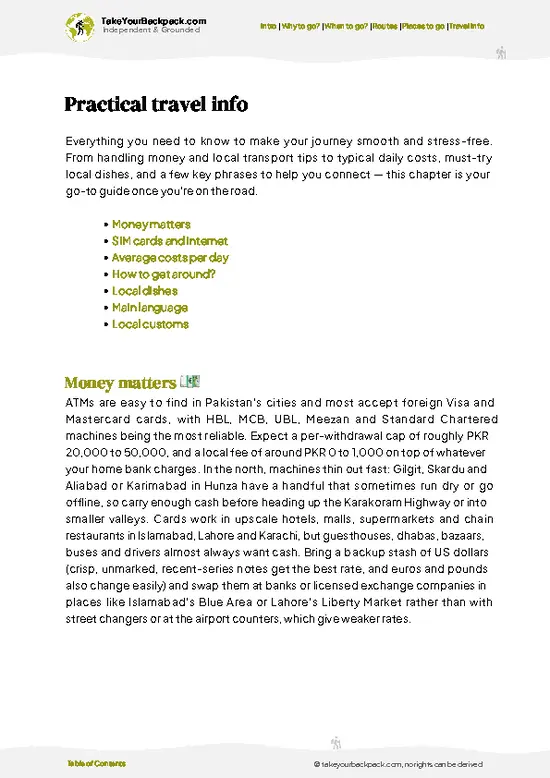
example page 3 from our offline Travel Guide for Pakistan
example page 4 from our offline Travel Guide for Pakistan
example page 5 from our offline Travel Guide for Pakistan
example page 6 from our offline Travel Guide for Pakistan
example page 7 from our offline Travel Guide for Pakistan
Loading the map 🌍
CLICK TO FILTER
cities
towns
villages
landmarks
national parks
hikes
beaches
attractions
festivals
regions
SHOW COUNTRY’S BESTSHOW ALL

✨ Why go?
Ranked #10 region in Pakistan
What makes it a must-see region

Backpackers come to Shandur Pass because it delivers something Pakistan's more famous valleys can't: a genuine sense of open, high-altitude emptiness without a permit hassle. The plateau itself, sitting around 3,700 meters, connects Chitral and Ghizer district in a single overland stretch, so you get two distinct cultures and landscapes without doubling back. You can mix a night at Shandur Lake, a walk toward the polo ground, and a side trip into Ghizer's villages, all on one flexible route using shared jeeps. It's a place for slow travel, because there's genuinely nothing to rush toward, just grazing yaks, glacier-fed water, and silence. For travelers who've done the standard Hunza-Skardu loop, Shandur offers the off-grid contrast that makes the rest of northern Pakistan feel busy by comparison.

💡 HighlightsMust-see experiences and standout moments

  1. Shandur Lake: The pass's centerpiece, a still alpine lake reflecting the surrounding bare ridgelines, best seen early morning before wind picks up.
  2. Shandur Polo Ground: The world's highest polo ground, where the annual Chitral-Gilgit match takes place; walking it empty outside festival season gives a strange, quiet grandeur.
  3. Phander Valley: A green pocket just past the pass on the Ghizer side, with a turquoise lake and poplar groves that feel like a different country entirely.
  4. Langar Village: The last Chitral-side settlement before the climb, good for a tea stop and a look at traditional stone-and-timber houses.
  5. Handrap Lake: A lesser-known lake near Phander that locals fish and picnic at; tourists rarely detour here.
  6. Gupis: A Ghizer district town with old wooden mosques and a fort ruin, a solid
… read more 👉
  1. Shandur Lake: The pass's centerpiece, a still alpine lake reflecting the surrounding bare ridgelines, best seen early morning before wind picks up.
  2. Shandur Polo Ground: The world's highest polo ground, where the annual Chitral-Gilgit match takes place; walking it empty outside festival season gives a strange, quiet grandeur.
  3. Phander Valley: A green pocket just past the pass on the Ghizer side, with a turquoise lake and poplar groves that feel like a different country entirely.
  4. Langar Village: The last Chitral-side settlement before the climb, good for a tea stop and a look at traditional stone-and-timber houses.
  5. Handrap Lake: A lesser-known lake near Phander that locals fish and picnic at; tourists rarely detour here.
  6. Gupis: A Ghizer district town with old wooden mosques and a fort ruin, a solid base most backpackers skip in favor of Gilgit.
  7. Teru Village: A small Ghizer settlement locals love for its apricot orchards in late summer; almost no foreign visitors stop here.
  8. Chatorkhand: A quiet valley detour off the main Gilgit road, known for trout streams and terraced fields.
  9. Yak grazing pastures near the pass: Nomadic herders bring livestock up in summer; you can watch milking and cheese-making happening in real time.
  10. Chitral-Gilgit jeep road itself: Sounds odd to list a road, but the drive across the pass, with its switchbacks and sudden plateau reveal, is a genuine highlight, not just a means to an end.
My personal favorite is Phander Valley: after the stark brown of the pass, that first sight of green fields and blue water hits harder than it should.
Spotted a mistake or missing something? Contact us.

Things to do near Shandur Pass

Ratings based on Tripadvisor reviews. When you book through this link, you support our work at no extra cost to you.

⌛️ 5 days5-day itinerary for Shandur Pass

Day 1: Chitral: Chitral town is your staging point, where you confirm jeep availability and buy last supplies, since nothing resembling a shop exists on the pass itself. The road system here is thin and jeep-dependent, so this day is about logistics, not sightseeing.Day 2: Mastuj: A rough jeep track takes you partway up the valley to Mastuj, breaking the journey and letting you acclimatize before the final push to altitude. Mastuj also has small guesthouses, useful since Shandur itself has almost none.Day 3: Shandur Pass: This is the payoff day: crossing the plateau itself, stopping at the lake, and if timing allows, walking the polo ground. Off-Path Reward: detour to Handrap Lake near Phander, a short walk-in that most jeep drivers will do for a small extra fee.Day 4: Phander Valley: Descending … read more 👉
Day 1: Chitral: Chitral town is your staging point, where you confirm jeep availability and buy last supplies, since nothing resembling a shop exists on the pass itself. The road system here is thin and jeep-dependent, so this day is about logistics, not sightseeing.Day 2: Mastuj: A rough jeep track takes you partway up the valley to Mastuj, breaking the journey and letting you acclimatize before the final push to altitude. Mastuj also has small guesthouses, useful since Shandur itself has almost none.Day 3: Shandur Pass: This is the payoff day: crossing the plateau itself, stopping at the lake, and if timing allows, walking the polo ground. Off-Path Reward: detour to Handrap Lake near Phander, a short walk-in that most jeep drivers will do for a small extra fee.Day 4: Phander Valley: Descending into Ghizer, the landscape flips from bare rock to green terraces almost immediately, and this contrast is worth a full day to absorb slowly.Day 5: Gupis to Gilgit: The final jeep leg brings you into Gilgit's transport network, connecting you onward to Hunza or Skardu. My must-do day is Day 3, hands down, because the pass only reveals itself properly if you're not rushing through it.

🌤️ When to go?When to go for the best experience

  • Summer (June to August): This is the only truly accessible window; daytime temperatures sit around 15-20°C (59-68°F) but nights drop near freezing, and this is when the pass road is snow-free and jeeps run regularly.
  • Shandur Polo Festival (early-mid July): Crowds spike hard for the annual freestyle polo match between Chitral and Gilgit teams; expect packed jeeps, tent camps, and inflated transport prices for about a week.
  • Spring/Autumn (April-May, September): The pass is often still snowbound or freshly reopened, with unpredictable road conditions and far fewer travelers.
  • Winter (October-March): Effectively closed; heavy snow blocks the road entirely and there's no practical way in.
Pro-tip: go the week right after the polo festival crowds clear out, mid-to-late July, when the road's fully open but the tent cities are gone.

source: climatestotravel.comJANJanuary: below average for travelingFEBFebruary: below average for travelingMARMarch: below average for travelingAPRApril: fair for travelingMAYMay: fair for travelingJUNJune: excellent for travelingJULJuly: highly recommended for travelingAUGAugust: excellent for travelingSEPSeptember: good for travelingOCTOctober: fair for travelingNOVNovember: below average for travelingDECDecember: below average for traveling
when-to-go

✈️ The backpacker research shortcutPakistan Travel Guide

An offline-friendly backpacking guide with optimized travel routes, ranked highlights, transport advice, and the best areas to stay.
example page 0 from our offline Travel Guide for Pakistan
example page 1 from our offline Travel Guide for Pakistan
example page 2 from our offline Travel Guide for Pakistan
example page 3 from our offline Travel Guide for Pakistan
example page 4 from our offline Travel Guide for Pakistan
example page 5 from our offline Travel Guide for Pakistan
example page 6 from our offline Travel Guide for Pakistan
example page 7 from our offline Travel Guide for Pakistan
The digital guide (290 pages) contains:
✅ 97 highlights, ranked by travel appeal
✅ Optimized 7, 14 & 21-day travel routes
✅ Cities, national parks, landmarks, beaches
✅ How to get around
✅ Offline-friendly for travel without Wi-Fi
👉 Click to see all 30+ guide features

📅 Plan smarter in minutes, not weeks
✅ Month by month travel advice
✅ Festivals & national holidays
✅ Budget expectations

🗺️ Go to the right places, skip the overrated ones
✅ Honest pros & cons of destinations
✅ Top hikes, parks & viewpoints
✅ Lesser-known places most travelers miss
✅ Clear “worth it vs skip it” guidance

🛏️ Travel smoothly without rookie mistakes
✅ Best areas to stay
✅ Transport systems explained simply
✅ Common scams & safety advice
✅ SIM cards, money & practical tips

🌍 Understand the country, not just visit it
✅ Culture & traditions
✅ 52 Essential phrases & customs
✅ Festivals worth planning around
✅ Traveler-friendly historical context
✅ Insights that make places more meaningful

📱 Built for real travel conditions
✅ Fully downloadable PDF
✅ Works completely offline
✅ Optimized for phone use
✅ Useful in remote areas & buses
✅ Everything in one place
Stop searching, start planning
Get instant access to your full guide. 30‑day money-back guarantee.
+ Add another guide for just

By proceeding you agree to our terms.
Sent to your inbox immediately after payment • 100% Secure Checkout
Best Backpacking Travel Advisor 2025 tourism awardBest Backpacking
Travel Advisor
2025
What others say about Take Your Backpack Guides:
⭐⭐⭐⭐⭐
Fantastic, amazing amount of information!
⭐⭐⭐⭐⭐
My goodness this is amazing, it's what I've been looking for hats off too you!
⭐⭐⭐⭐⭐
I think this is absolutely BRILLIANT
⭐⭐⭐⭐
Very complete and informative. It's still missing places, but I gotta to commend you
⭐⭐⭐⭐⭐
This is truly amazing, thank you, can't wait to explore it with my kids!
⭐⭐⭐⭐⭐
Awesome resource, thank you!
⭐⭐⭐⭐⭐
This is amazing! Can't wait to explore the ones I haven't seen
⭐⭐⭐⭐
I love this! Well done, great idea.
⭐⭐⭐⭐⭐
Thanks for taking the time to make this gem!
⭐⭐⭐⭐⭐
This might be the best website I've ever seen.
⭐⭐⭐⭐⭐
Congratulations, and thank you so much for your work; it's incredibly valuable.
⭐⭐⭐⭐
In all seriousness I think you did a great job pointing out the important spots
⭐⭐⭐⭐⭐
10/10 very good
⭐⭐⭐⭐⭐
As someone who's only just starting to visit regularly this is awesome, thank you.
⭐⭐⭐⭐
Thank you very much! I'm going to visit my dad, it's going to be very useful!
⭐⭐⭐⭐⭐
This is really cool! We'll be travelling for the first time and this definitely come in handy.
⭐⭐⭐⭐⭐
You are now our minister of culture, congratulations 👨‍💼
⭐⭐⭐⭐⭐
Just wanted to tell you that this is a pearl! Going to follow your recommendations.
⭐⭐⭐⭐⭐
This is so cool. I'll definitely be using the resource for my travels soon.
⭐⭐⭐⭐⭐
This is very impressive! Good work.
⭐⭐⭐⭐⭐
This is an amazing and informative site. Very well done!

🛏️ Where to stay?Where staying makes the most sense

Chitral town is the most practical base before heading up to Shandur, with enough guesthouses, food options, and a genuine small-town feel that makes it easy to meet other travelers heading the same direction. On the Ghizer side, Phander Valley works well as a stopover, quieter than Chitral but with a handful of simple guesthouses and a social atmosphere among the few backpackers who make it this far. Gupis is a reasonable alternative if Phander feels too sparse, offering a bit more infrastructure while still keeping the small-town character. Avoid trying to stay directly at the pass itself unless … read more 👉
Chitral town is the most practical base before heading up to Shandur, with enough guesthouses, food options, and a genuine small-town feel that makes it easy to meet other travelers heading the same direction. On the Ghizer side, Phander Valley works well as a stopover, quieter than Chitral but with a handful of simple guesthouses and a social atmosphere among the few backpackers who make it this far. Gupis is a reasonable alternative if Phander feels too sparse, offering a bit more infrastructure while still keeping the small-town character. Avoid trying to stay directly at the pass itself unless you're prepared for basic, cold conditions; most travelers treat Shandur as a day-stop between these bases rather than an overnight destination. All three towns are generally safe, low-key, and used to hosting the trickle of travelers who pass through on the Chitral-Gilgit route.

🍲 FoodLocal Flavors for Backpackers

Food around Shandur Pass is simple, mountain-practical, and shaped by what actually grows or survives at altitude. In Chitral and Mastuj, expect chapshuro (a meat-filled flatbread similar to a stuffed pastry) and doodh chai, salty butter tea that locals drink constantly, especially useful for warming up after a cold jeep ride. On the Ghizer side, apricots dominate in late summer, dried, fresh, or turned into apricot oil used in cooking. Meals happen in small family-run dhabas (roadside eateries) rather than restaurants, usually just a bench, a wood stove, and whatever dal or meat curry is cooking that day. Don't expect menus; you eat what's available, which is part of the experience. Tea stops in villages like Langar are social hubs, and lingering over a cup while chatting with drivers or … read more 👉
Food around Shandur Pass is simple, mountain-practical, and shaped by what actually grows or survives at altitude. In Chitral and Mastuj, expect chapshuro (a meat-filled flatbread similar to a stuffed pastry) and doodh chai, salty butter tea that locals drink constantly, especially useful for warming up after a cold jeep ride. On the Ghizer side, apricots dominate in late summer, dried, fresh, or turned into apricot oil used in cooking. Meals happen in small family-run dhabas (roadside eateries) rather than restaurants, usually just a bench, a wood stove, and whatever dal or meat curry is cooking that day. Don't expect menus; you eat what's available, which is part of the experience. Tea stops in villages like Langar are social hubs, and lingering over a cup while chatting with drivers or herders is normal, even expected. Bring your own snacks for the pass itself, since there's genuinely nothing to buy up there, just grass, wind, and the occasional yak.

FAQFrequently asked questions about Shandur Pass

Plan on three to four days to properly experience Shandur Pass, including the jeep approach from Chitral and a descent into Ghizer's Phander Valley. A rushed day-trip is possible but skips the surrounding valleys that make the crossing worthwhile.
Shared jeeps are the main option, running between Chitral, Mastuj, Shandur, and Phander/Gupis, departing once vehicles fill up rather than on a fixed schedule. Motorbike rental is also common for solo travelers wanting more flexibility on timing.
Shandur Pass is known as the world's highest polo ground, hosting an annual freestyle polo match between Chitral and Gilgit teams every July. It's also known for its stark, treeless plateau landscape and the alpine lake sitting near the pass's summit.
⚠️ Things can change over time, so always validate details locally before you go.

Other Pakistani regions near Shandur Pass

Explore more nearby:

  • Kumrat Valley—Dense forest, waterfalls, unpaved trails| 87 km away
  • Chitral—Hindu Kush peaks, polo grounds, isolated valleys| 92 km away
  • Swat Valley—River valley, orchards, ski resort| 97 km away

💡 Not sure where to go next?
Create a personalized itinerary for Pakistan including Shandur Pass and the places that fit your trip.

Generate my itinerary

👉 Discover all regions

Or checkout all Pakistan has to offer (think cities, towns, villages, national parks, hikes, beaches, festivals)
Country photo of Pakistan

We 💚 feedbackIs it worth it?

Shandur gives you a kind of open, high-altitude silence that's genuinely rare in northern Pakistan's increasingly popular valleys. The catch is comfort: rough jeep tracks, unpredictable timing, and almost no infrastructure once you're on the plateau. Go for the emptiness, not for ease, and you'll leave satisfied.

✈️ When did I visit Pakistan?
Even though the media portrays Pakistan often as a dangerous country, it has its great spots, and for a mountain lover like me the mountain regions in the north are just heaven. Visited Pakistan in October 2022.

✍️ Help improve this page!
The information on this page is based on my own backpacking experience in Pakistan, supplemented with up-to-date research and feedback from other travelers. Travel details can change, so if you notice anything outdated or incomplete, feel free to let me know.


🙋‍♂️ Give feedback

👋 Meet the founderWho’s Behind Take Your Backpack?

Johan, backpacker and founder of TakeYourBackpackHi, I’m Johan (Netherlands 🇳🇱), the creator of TakeYourBackpack. Over the past 3 decades, I’ve backpacked through 90+ countries across six continents, gaining extensive experience with independent travel, long-term trips, and overland routes.

This site is built on a combination of firsthand travel experience and carefully curated insights from other backpackers. Many guides are based on places I’ve personally visited, while others bring together tips, observations, and practical advice shared by trusted travelers I’ve met along the way.

The goal is to provide realistic, experience-driven guidance — not generic itineraries — so you can explore destinations with better context, clearer expectations, and more confidence.