×

Pakistan🇵🇰 | regionsKumrat ValleyDense forest, waterfalls, unpaved trails | things to do and best time to go

Explore Kaghan ValleyExplore Naltar Valley

Backpacking in Kumrat Valley
👍 Recommendedregion ranked #8
By Johan Kruseman 🇳🇱 | Updated October 15, 2026

Everyone talks about Kumrat's pine forests like that's the whole story, but honestly, the real draw is how empty the trails still feel compared to Swat or Naran. Tucked in the upper Panjkora River valley in Upper Dir District, Khyber Pakhtunkhwa, Kumrat rewards patience with silence and jeeps with blown suspensions. Here's the trade-off map: skip the paved roads for a rougher jeep track and you buy yourself Jahaz Banda's alpine meadow almost to yourself. Pay for a 4x4 (roughly 4,000 to 6,000 PKR one-way from Thall) and save four hours of walking. Go cheap and hike in, and you'll earn a story instead. I remember sitting streamside near Katora Lake, feet numb in glacier water, trout grilling on a fire someone's uncle built, and thinking no five-star breakfast beats this.

Discover everything you want to know in the 📖 Pakistan Travel Guide.


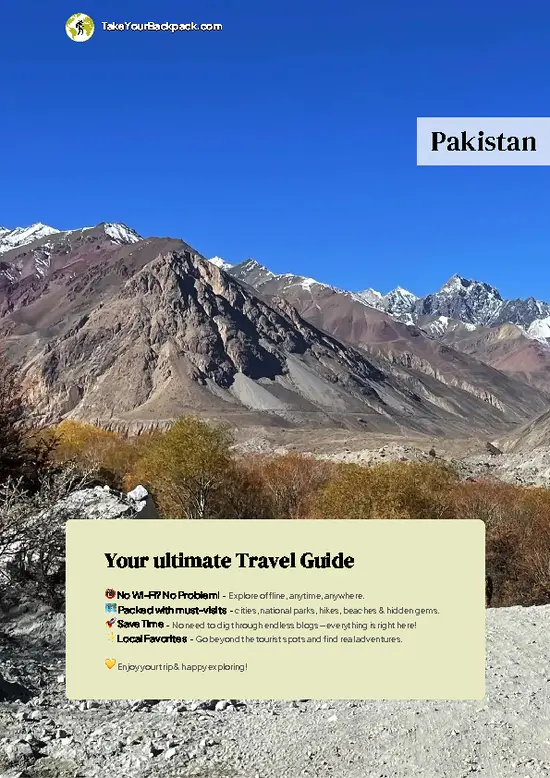
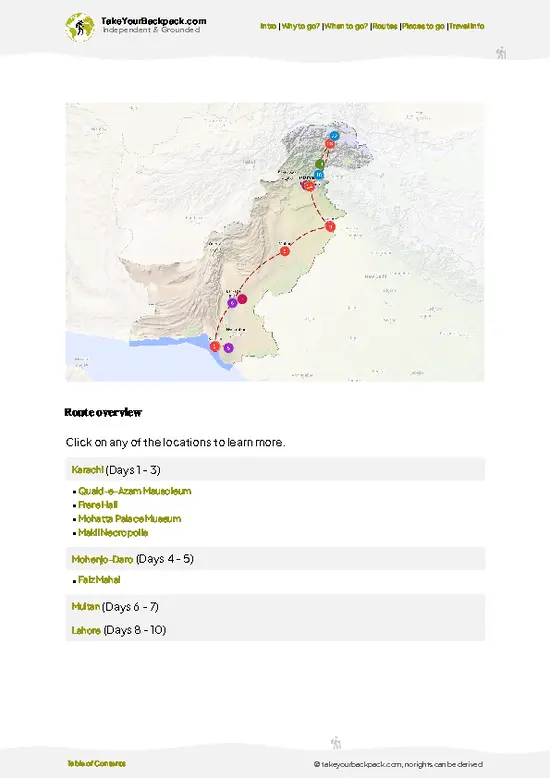
example page 0 from our offline Travel Guide for Pakistan
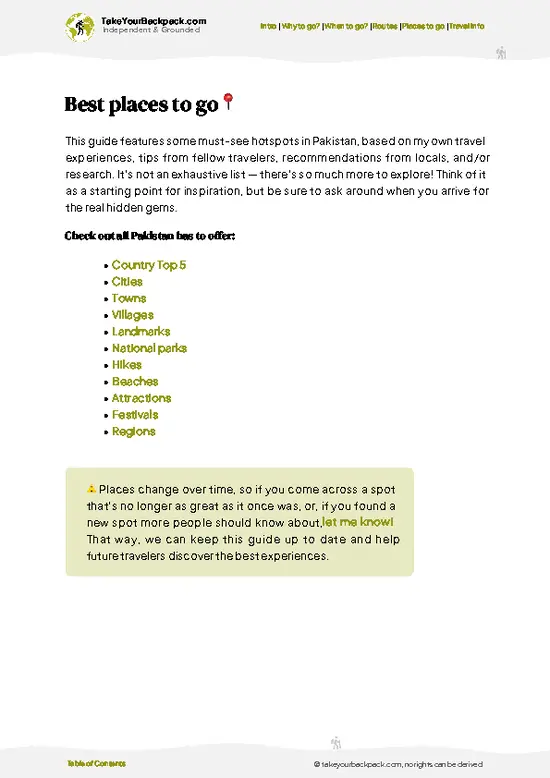
example page 1 from our offline Travel Guide for Pakistan
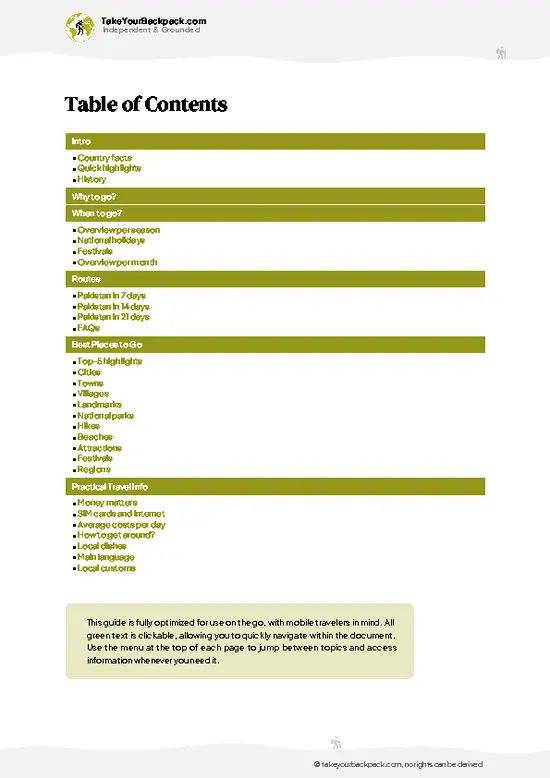
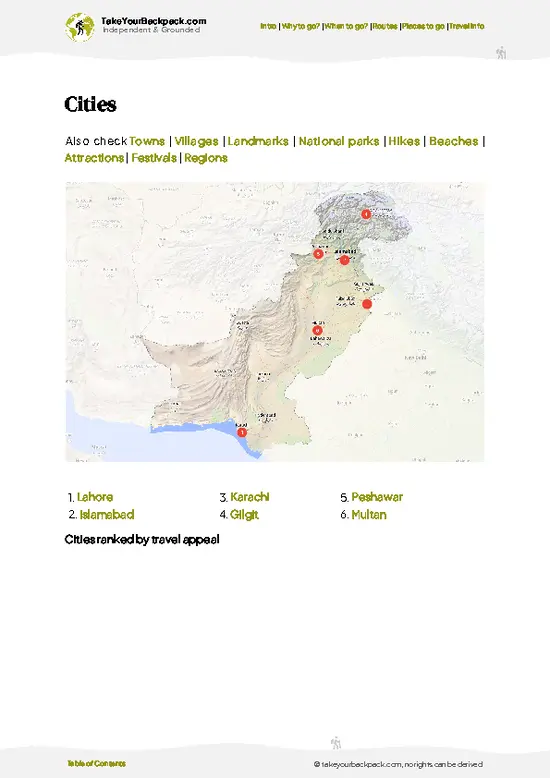
example page 2 from our offline Travel Guide for Pakistan
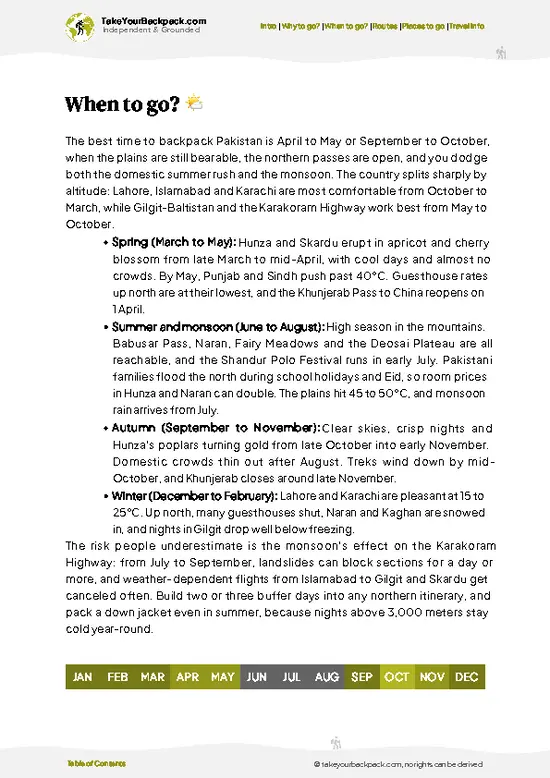
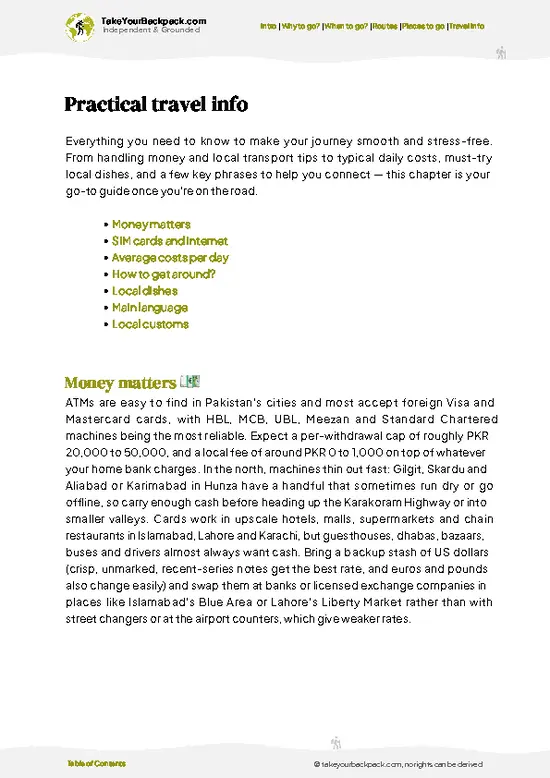
example page 3 from our offline Travel Guide for Pakistan
example page 4 from our offline Travel Guide for Pakistan
example page 5 from our offline Travel Guide for Pakistan
example page 6 from our offline Travel Guide for Pakistan
example page 7 from our offline Travel Guide for Pakistan
Loading the map 🌍
CLICK TO FILTER
cities
towns
villages
landmarks
national parks
hikes
beaches
attractions
festivals
regions
SHOW COUNTRY’S BESTSHOW ALL

✨ Why go?
Ranked #8 region in Pakistan
The unique appeal for travelers

Backpackers come to Kumrat Valley because it packs serious landscape variety into a compact stretch: dense pine forest, glacier-fed rivers, alpine lakes, and high meadows all within a day's trek of each other. You don't need to constantly relocate; base yourself in Thall or a riverside camp and day-trip to Jahaz Banda, Katora Lake, or the Panjkora River banks. Local jeep networks give you flexibility without owning wheels, and the terrain rewards slow travel, letting you actually notice things like the sound of the river changing pitch as it drops elevation. It's also cheaper and less crowded than Swat or Naran, so your money stretches further on food, guides, and camping gear rental. For travelers wanting to mix serious nature immersion with genuine cultural contact (staying with local Kohistani … read more 👉
Backpackers come to Kumrat Valley because it packs serious landscape variety into a compact stretch: dense pine forest, glacier-fed rivers, alpine lakes, and high meadows all within a day's trek of each other. You don't need to constantly relocate; base yourself in Thall or a riverside camp and day-trip to Jahaz Banda, Katora Lake, or the Panjkora River banks. Local jeep networks give you flexibility without owning wheels, and the terrain rewards slow travel, letting you actually notice things like the sound of the river changing pitch as it drops elevation. It's also cheaper and less crowded than Swat or Naran, so your money stretches further on food, guides, and camping gear rental. For travelers wanting to mix serious nature immersion with genuine cultural contact (staying with local Kohistani or Pashtun families, eating what they eat), Kumrat delivers without the tourist infrastructure diluting the experience.

💡 HighlightsDon't-miss highlights and experiences

  1. Jahaz Banda Meadow: A high-altitude meadow that looks like a ship's deck from certain angles, ringed by pine forest. The 3-4 hour trek up from Kumrat separates day-trippers from those willing to camp overnight under genuinely dark skies.
  2. Katora Lake: A glacier-fed lake shaped roughly like a bowl (hence the name), reached via a steep trail beyond Jahaz Banda. Far fewer visitors make it this far, so you often get the water to yourself.
  3. Panjkora River: The turquoise-green river running through the valley floor, cold enough to numb your feet in under a minute. Riverside camping here is the backbone of most Kumrat itineraries.
  4. Thall Village: The gateway town where jeep tracks begin. Worth a slow afternoon watching daily life, buying supplies, and chatting with drivers who know every trail in the valley.
… read more 👉
  1. Jahaz Banda Meadow: A high-altitude meadow that looks like a ship's deck from certain angles, ringed by pine forest. The 3-4 hour trek up from Kumrat separates day-trippers from those willing to camp overnight under genuinely dark skies.
  2. Katora Lake: A glacier-fed lake shaped roughly like a bowl (hence the name), reached via a steep trail beyond Jahaz Banda. Far fewer visitors make it this far, so you often get the water to yourself.
  3. Panjkora River: The turquoise-green river running through the valley floor, cold enough to numb your feet in under a minute. Riverside camping here is the backbone of most Kumrat itineraries.
  4. Thall Village: The gateway town where jeep tracks begin. Worth a slow afternoon watching daily life, buying supplies, and chatting with drivers who know every trail in the valley.
  5. Kumrat Pine Forests: Dense, quiet stands of deodar and pine that line the jeep track. The temperature drop under the canopy is noticeable and welcome after a hot jeep ride.
  6. Sar Bandi: A lesser-known meadow locals mention over tea but rarely see on tourist itineraries. Fewer facilities, more solitude.
  7. Bandaki Falls: A waterfall not far off the main track, missed by most because it isn't signposted. Ask a local jeep driver, most know exactly where to pause.
  8. Bad Chal Sar Meadow: An alpine spot near Katora Lake favored by shepherd families in summer. You'll likely see grazing livestock before you see another traveler.
  9. Panjkora Suspension Bridges: Simple wood-and-cable bridges crossing the river, used daily by locals rather than built for tourists. Crossing one gives you a genuine sense of how the valley actually functions.
  10. Local Shepherd Camps: Scattered across the upper meadows, these seasonal settlements sometimes welcome respectful visitors for tea. My personal favorite: sitting with a shepherd family near Jahaz Banda, drinking salty tea and watching clouds roll over the ridge while they talked about the coming winter migration.
Spotted a mistake or missing something? Contact us.

Things to do near Kumrat Valley

Ratings based on Tripadvisor reviews. When you book through this link, you support our work at no extra cost to you.

⌛️ 5 daysWhat you can realistically do in a week

Day 1: Thall: Arrive in Thall by jeep or private car from Dir, and use the afternoon to organize local transport and supplies. This is the valley's transport spine, everything beyond here requires 4x4 jeeps, so getting oriented and hiring a reliable driver now saves headaches later.Day 2: Panjkora Riverside Camp: Move deeper into the valley by jeep to a riverside camping spot. The road quality drops fast past Thall, which is exactly why fewer tourists make it this far. Spend the day acclimatizing, swimming (briefly, the water is glacial), and scouting the trailhead for tomorrow.Day 3: Jahaz Banda Meadow: Trek up to Jahaz Banda, roughly 3-4 hours on foot. This is the day that justifies the whole trip: the meadow opens up after a forest climb, and camping overnight here under clear skies is … read more 👉
Day 1: Thall: Arrive in Thall by jeep or private car from Dir, and use the afternoon to organize local transport and supplies. This is the valley's transport spine, everything beyond here requires 4x4 jeeps, so getting oriented and hiring a reliable driver now saves headaches later.Day 2: Panjkora Riverside Camp: Move deeper into the valley by jeep to a riverside camping spot. The road quality drops fast past Thall, which is exactly why fewer tourists make it this far. Spend the day acclimatizing, swimming (briefly, the water is glacial), and scouting the trailhead for tomorrow.Day 3: Jahaz Banda Meadow: Trek up to Jahaz Banda, roughly 3-4 hours on foot. This is the day that justifies the whole trip: the meadow opens up after a forest climb, and camping overnight here under clear skies is worth every aching muscle from the ascent.Day 4: Katora Lake (Off-Path Reward): Push further to Katora Lake, a detour that adds real value since most visitors turn back after Jahaz Banda. The trail is steeper and rougher, but the lake's isolation makes it worth the extra effort and the extra day.Day 5: Return to Thall: Descend back through the forest to Thall, timing your jeep departure for early afternoon before the track gets congested with day-trippers heading in.

🌤️ When to go?Seasonal considerations and timing

  • Summer (June to August): Daytime temperatures sit around 20-28°C (68-82°F), nights drop to 10-15°C (50-59°F); this is peak season with the most crowds, especially weekends, and jeep prices climb accordingly.
  • Early Autumn (September): Cooler, clearer skies, fewer tourists, temperatures around 15-22°C (59-72°F); rivers are calmer and trails less muddy.
  • Spring (April to May): Snowmelt swells the river, meadows turn green, but higher trails like Jahaz Banda may still hold snow patches; nights can hit 5°C (41°F).
  • Winter (November to March): Heavy snowfall closes most roads beyond Thall; only for serious cold-weather trekkers with local guides.
Pro tip: aim for the first two weeks of September. The crowds from summer vacation clear out, but the jeep drivers and camp owners are still around and hungry for business, so you'll negotiate better rates.

source: climatestotravel.comJANJanuary: below average for travelingFEBFebruary: below average for travelingMARMarch: fair for travelingAPRApril: fair for travelingMAYMay: excellent for travelingJUNJune: excellent for travelingJULJuly: highly recommended for travelingAUGAugust: highly recommended for travelingSEPSeptember: excellent for travelingOCTOctober: good for travelingNOVNovember: fair for travelingDECDecember: below average for traveling
when-to-go

✈️ The backpacker research shortcutPakistan Travel Guide

An offline-friendly backpacking guide with optimized travel routes, ranked highlights, transport advice, and the best areas to stay.
example page 0 from our offline Travel Guide for Pakistan
example page 1 from our offline Travel Guide for Pakistan
example page 2 from our offline Travel Guide for Pakistan
example page 3 from our offline Travel Guide for Pakistan
example page 4 from our offline Travel Guide for Pakistan
example page 5 from our offline Travel Guide for Pakistan
example page 6 from our offline Travel Guide for Pakistan
example page 7 from our offline Travel Guide for Pakistan
The digital guide (290 pages) contains:
✅ 97 highlights, ranked by travel appeal
✅ Optimized 7, 14 & 21-day travel routes
✅ Cities, national parks, landmarks, beaches
✅ How to get around
✅ Offline-friendly for travel without Wi-Fi
👉 Click to see all 30+ guide features

📅 Plan smarter in minutes, not weeks
✅ Month by month travel advice
✅ Festivals & national holidays
✅ Budget expectations

🗺️ Go to the right places, skip the overrated ones
✅ Honest pros & cons of destinations
✅ Top hikes, parks & viewpoints
✅ Lesser-known places most travelers miss
✅ Clear “worth it vs skip it” guidance

🛏️ Travel smoothly without rookie mistakes
✅ Best areas to stay
✅ Transport systems explained simply
✅ Common scams & safety advice
✅ SIM cards, money & practical tips

🌍 Understand the country, not just visit it
✅ Culture & traditions
✅ 52 Essential phrases & customs
✅ Festivals worth planning around
✅ Traveler-friendly historical context
✅ Insights that make places more meaningful

📱 Built for real travel conditions
✅ Fully downloadable PDF
✅ Works completely offline
✅ Optimized for phone use
✅ Useful in remote areas & buses
✅ Everything in one place
Stop searching, start planning
Get instant access to your full guide. 30‑day money-back guarantee.
+ Add another guide for just

By proceeding you agree to our terms.
Sent to your inbox immediately after payment • 100% Secure Checkout
Best Backpacking Travel Advisor 2025 tourism awardBest Backpacking
Travel Advisor
2025
What others say about Take Your Backpack Guides:
⭐⭐⭐⭐⭐
Fantastic, amazing amount of information!
⭐⭐⭐⭐⭐
My goodness this is amazing, it's what I've been looking for hats off too you!
⭐⭐⭐⭐⭐
I think this is absolutely BRILLIANT
⭐⭐⭐⭐
Very complete and informative. It's still missing places, but I gotta to commend you
⭐⭐⭐⭐⭐
This is truly amazing, thank you, can't wait to explore it with my kids!
⭐⭐⭐⭐⭐
Awesome resource, thank you!
⭐⭐⭐⭐⭐
This is amazing! Can't wait to explore the ones I haven't seen
⭐⭐⭐⭐
I love this! Well done, great idea.
⭐⭐⭐⭐⭐
Thanks for taking the time to make this gem!
⭐⭐⭐⭐⭐
This might be the best website I've ever seen.
⭐⭐⭐⭐⭐
Congratulations, and thank you so much for your work; it's incredibly valuable.
⭐⭐⭐⭐
In all seriousness I think you did a great job pointing out the important spots
⭐⭐⭐⭐⭐
10/10 very good
⭐⭐⭐⭐⭐
As someone who's only just starting to visit regularly this is awesome, thank you.
⭐⭐⭐⭐
Thank you very much! I'm going to visit my dad, it's going to be very useful!
⭐⭐⭐⭐⭐
This is really cool! We'll be travelling for the first time and this definitely come in handy.
⭐⭐⭐⭐⭐
You are now our minister of culture, congratulations 👨‍💼
⭐⭐⭐⭐⭐
Just wanted to tell you that this is a pearl! Going to follow your recommendations.
⭐⭐⭐⭐⭐
This is so cool. I'll definitely be using the resource for my travels soon.
⭐⭐⭐⭐⭐
This is very impressive! Good work.
⭐⭐⭐⭐⭐
This is an amazing and informative site. Very well done!

🛏️ Where to stay?Best areas to stay in Pakistan

Thall is the practical base for most backpackers, it's the last proper village before jeep-only tracks begin, so it has small shops, basic eateries, and a steady flow of drivers and fellow travelers to swap trail notes with. Staying here means easy access to onward jeeps each morning and a social atmosphere in the evenings, since most travelers pass through at some point.

For those wanting deeper immersion, riverside camps along the Panjkora River past Thall offer a quieter, more nature-focused stay. These spots attract a mix of solo trekkers and small groups, and the shared campfire setup makes … read more 👉
Thall is the practical base for most backpackers, it's the last proper village before jeep-only tracks begin, so it has small shops, basic eateries, and a steady flow of drivers and fellow travelers to swap trail notes with. Staying here means easy access to onward jeeps each morning and a social atmosphere in the evenings, since most travelers pass through at some point.

For those wanting deeper immersion, riverside camps along the Panjkora River past Thall offer a quieter, more nature-focused stay. These spots attract a mix of solo trekkers and small groups, and the shared campfire setup makes it easy to meet people without any real effort.

Dir town, further down the main road, works as a fallback for those arriving late or needing a proper bed before heading into the valley. It's less social and more transactional, but useful for logistics like buying last supplies or arranging transport. Overall, Thall remains the sweet spot: close enough to nature, social enough to not feel isolated, and safe given the steady local presence.

🚌 Getting aroundTransportation options and practical tips

Kumrat runs on jeeps and gut instinct, not timetables. There's no bus schedule here, no ticket counter, just drivers clustered at Thall waiting for enough passengers or enough rupees to justify the trip. It's chaotic in the way mountain logistics always are, but it works if you're flexible and willing to negotiate. Here's the trade-off: pay more for a private jeep and you control your schedule; share a jeep and you save money but wait around for it to fill up.
  • Shared Jeeps from Thall: Roughly 500-800 PKR per person depending on group size and destination within the valley; departures happen whenever a jeep fills, usually mornings.
  • Private Jeep Hire: Expect 4,000-6,000 PKR round-trip from Thall to deeper points like the Jahaz Banda trailhead; faster, flexible, but you're paying for the empty
… read more 👉
Kumrat runs on jeeps and gut instinct, not timetables. There's no bus schedule here, no ticket counter, just drivers clustered at Thall waiting for enough passengers or enough rupees to justify the trip. It's chaotic in the way mountain logistics always are, but it works if you're flexible and willing to negotiate. Here's the trade-off: pay more for a private jeep and you control your schedule; share a jeep and you save money but wait around for it to fill up.
  • Shared Jeeps from Thall: Roughly 500-800 PKR per person depending on group size and destination within the valley; departures happen whenever a jeep fills, usually mornings.
  • Private Jeep Hire: Expect 4,000-6,000 PKR round-trip from Thall to deeper points like the Jahaz Banda trailhead; faster, flexible, but you're paying for the empty seats too.
  • Walking/Trekking: Free and often the only way to reach meadows and lakes beyond jeep tracks; budget 3-5 hours depending on the destination and your fitness.
  • Motorbike Rental (Dir/Thall): Cheaper than jeep hire for solo travelers comfortable with rough terrain, though river crossings and steep sections demand real riding skill.
  • Private Car to Thall (from Dir or Chakdara): Necessary to reach the valley entrance itself; road conditions are decent until Thall, then deteriorate fast.
My insider tip: show up at the Thall jeep stand early morning, around 7-8 AM, when locals are also heading in for supplies or work. You'll fill a shared jeep faster and pay local rates instead of the inflated 'tourist just arrived' price. Also, always agree on the fare before the engine starts, not after you're halfway up the track with no alternative.

🍲 FoodLocal Flavors for Backpackers

Food in Kumrat Valley is simple, hearty, and built around what's actually available at altitude. Fresh trout, pulled straight from the Panjkora River and grilled over open fire, is the dish everyone talks about, and for good reason: smoky, slightly charred skin with tender flesh underneath. Expect a lot of dal, rice, and flatbread (roti or naan) cooked on portable stoves at camp kitchens, since fresh produce is limited this deep in the mountains. Salty tea (a Kohistani staple, closer to Tibetan butter tea than the sweet chai found elsewhere in Pakistan) shows up often, especially with shepherd families in the higher meadows.

Most meals happen at small dhaba-style eateries in Thall or directly at your campsite, where local cooks or your jeep driver's contacts prepare food over fire. There's … read more 👉
Food in Kumrat Valley is simple, hearty, and built around what's actually available at altitude. Fresh trout, pulled straight from the Panjkora River and grilled over open fire, is the dish everyone talks about, and for good reason: smoky, slightly charred skin with tender flesh underneath. Expect a lot of dal, rice, and flatbread (roti or naan) cooked on portable stoves at camp kitchens, since fresh produce is limited this deep in the mountains. Salty tea (a Kohistani staple, closer to Tibetan butter tea than the sweet chai found elsewhere in Pakistan) shows up often, especially with shepherd families in the higher meadows.

Most meals happen at small dhaba-style eateries in Thall or directly at your campsite, where local cooks or your jeep driver's contacts prepare food over fire. There's no café culture here, it's functional, communal eating, often shared from one large plate. Bring your own snacks for trekking days, since options thin out fast past Thall.

Dining etiquette is relaxed but respectful: eat with your right hand when food is served traditionally, and always accept tea if offered, it's a genuine gesture of hospitality rather than a transaction.

FAQFrequently asked questions about Kumrat Valley

Plan on 3 to 5 days to see Kumrat Valley properly, enough time to base in Thall, day-trip to Jahaz Banda meadow, and push further to Katora Lake if you're trekking. Shorter trips of 2 days are possible but limit you to riverside areas near Thall only.
Shared jeeps from Thall are the main way to move within the valley, departing once enough passengers gather, usually in the morning. Beyond jeep tracks, walking is the only option, so budget realistic trekking time (3-5 hours) to reach meadows and lakes past the road's end.
Kumrat Valley is known for its dense pine forests, the glacier-fed Panjkora River, and high-altitude spots like Jahaz Banda meadow and Katora Lake. It's increasingly valued among Pakistani and international backpackers as a quieter alternative to more developed valleys like Swat or Naran.
⚠️ Things can change over time, so always validate details locally before you go.

Other Pakistani regions near Kumrat Valley

Explore more nearby:

  • Swat Valley—River valley, orchards, ski resort| 10 km away
  • Chitral—Hindu Kush peaks, polo grounds, isolated valleys| 59 km away
  • Shandur Pass—High pass, polo festival, treeless plateau| 87 km away

💡 Not sure where to go next?
Create a personalized itinerary for Pakistan including Kumrat Valley and the places that fit your trip.

Generate my itinerary

👉 Discover all regions

Or checkout all Pakistan has to offer (think cities, towns, villages, national parks, hikes, beaches, festivals)
Country photo of Pakistan

We 💚 feedbackFinal thoughts on visiting Kumrat Valley

Kumrat delivers real solitude and river-forest scenery that Swat and Naran lost years ago to overdevelopment. But the trade-off is real: rough jeep tracks, limited facilities past Thall, and zero infrastructure for anyone expecting comfort. If you want quiet mountains and don't mind discomfort, it's worth every jolt of that jeep ride.

✈️ When did I visit Pakistan?
Even though the media portrays Pakistan often as a dangerous country, it has its great spots, and for a mountain lover like me the mountain regions in the north are just heaven. Visited Pakistan in October 2022.

✍️ Help improve this page!
The information on this page is based on my own backpacking experience in Pakistan, supplemented with up-to-date research and feedback from other travelers. Travel details can change, so if you notice anything outdated or incomplete, feel free to let me know.


🙋‍♂️ Give feedback

👋 Meet the founderWho’s Behind Take Your Backpack?

Johan, backpacker and founder of TakeYourBackpackHi, I’m Johan (Netherlands 🇳🇱), the creator of TakeYourBackpack. Over the past 3 decades, I’ve backpacked through 90+ countries across six continents, gaining extensive experience with independent travel, long-term trips, and overland routes.

This site is built on a combination of firsthand travel experience and carefully curated insights from other backpackers. Many guides are based on places I’ve personally visited, while others bring together tips, observations, and practical advice shared by trusted travelers I’ve met along the way.

The goal is to provide realistic, experience-driven guidance — not generic itineraries — so you can explore destinations with better context, clearer expectations, and more confidence.