×

Pakistan🇵🇰 | regionsChitralHindu Kush peaks, polo grounds, isolated valleys | things to do and best time to go

Explore Azad KashmirExplore Hunza Valley

Backpacking in Chitral
👍 Recommendedregion ranked #7
By Johan Kruseman 🇳🇱 | Updated October 15, 2026

Here's the thing nobody mentions: Chitral is easier to reach by air than by road for half the year, because the Lowari Tunnel and the mountain passes both play games with weather and politics. It sits in the far north of Khyber Pakhtunkhwa, tucked against the Afghan border and shadowed by Tirich Mir. The trade-off is real: fly in for 40 minutes and skip a bone-rattling 10-hour jeep ride, but pay double and risk cancellation when clouds roll in. I remember sitting on a rooftop in Chitral town eating apricot bread still warm from a clay oven, watching kids play cricket in a dust field while snow glowed pink on the peaks behind them. That's the trade: comfort costs you money or time here, never both cheaply. It's rawer than Hunza, less touristy than Swat, and the Kalash valleys give it a cultural edge no other northern region can match.

Discover everything you want to know in the 📖 Pakistan Travel Guide.


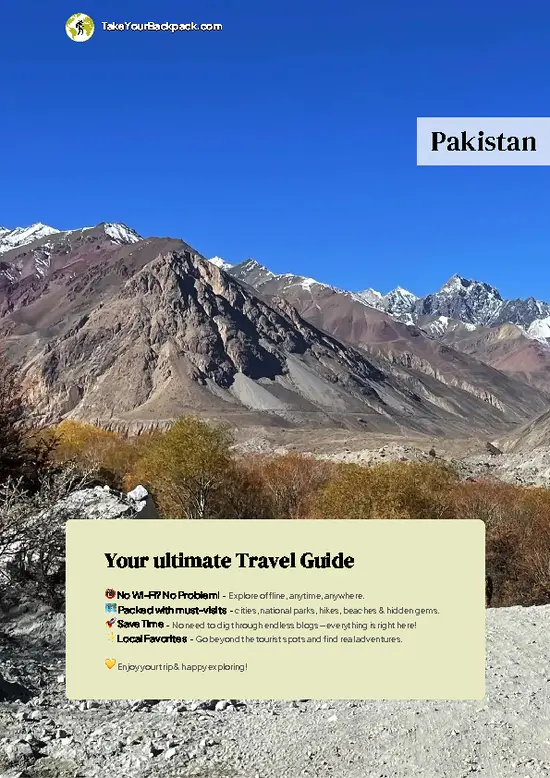
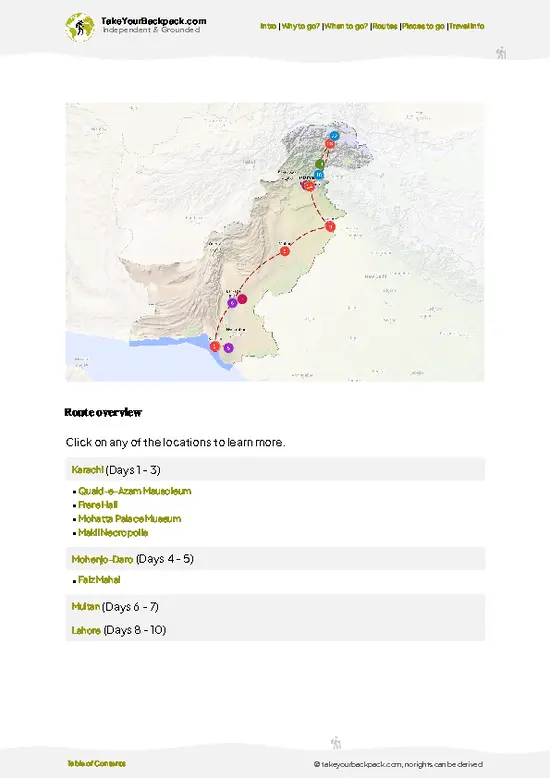
example page 0 from our offline Travel Guide for Pakistan
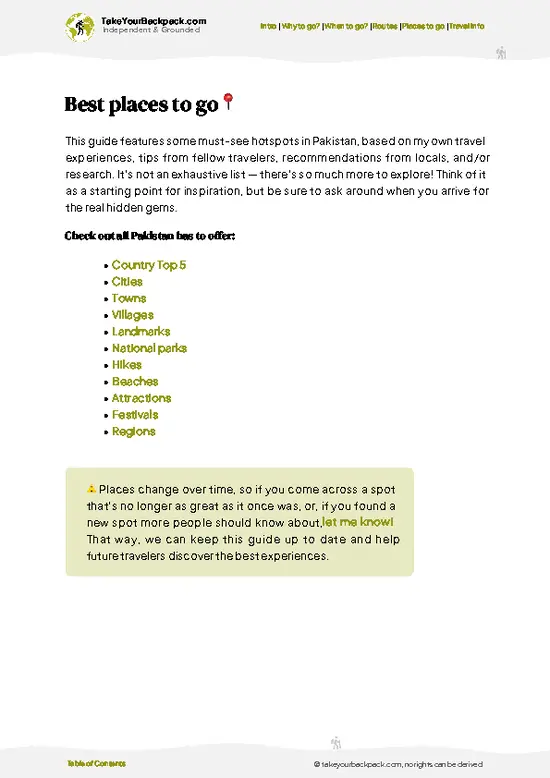
example page 1 from our offline Travel Guide for Pakistan
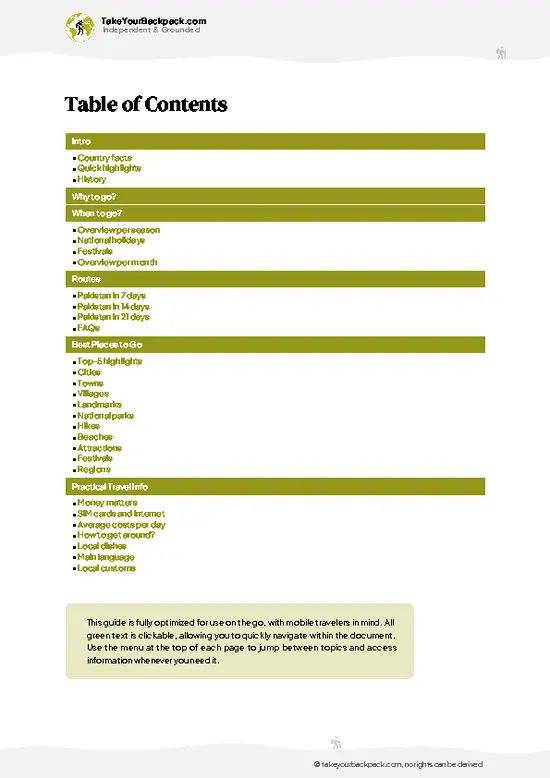
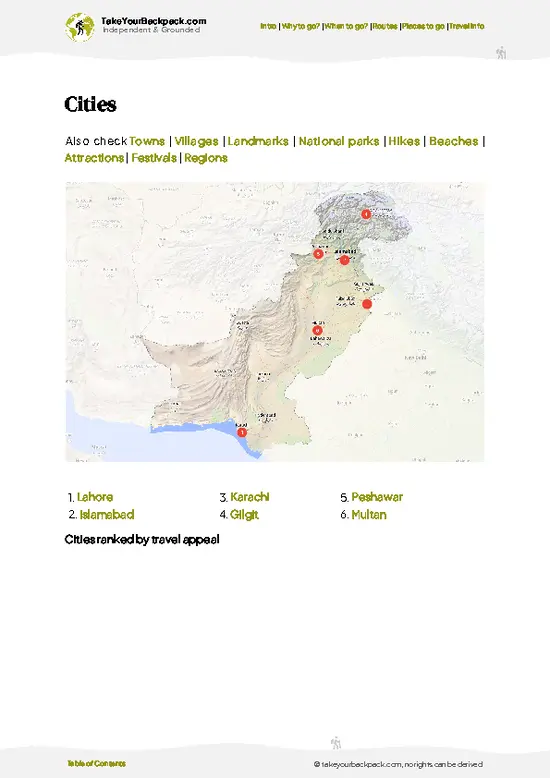
example page 2 from our offline Travel Guide for Pakistan
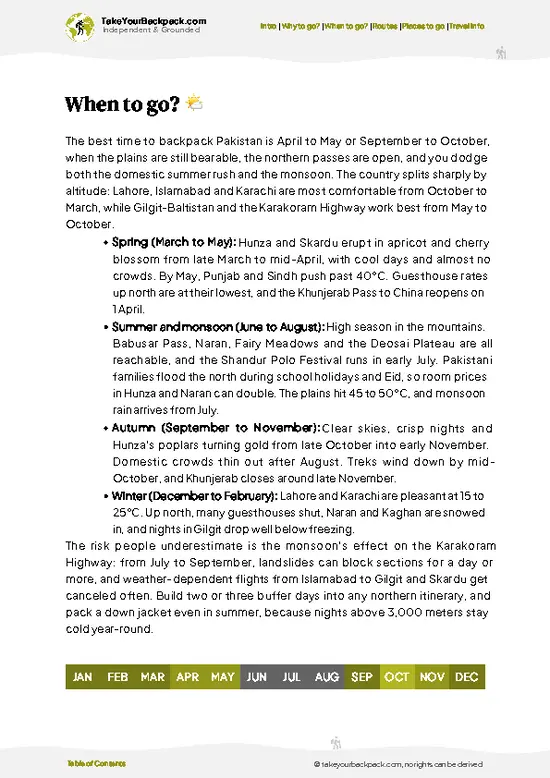
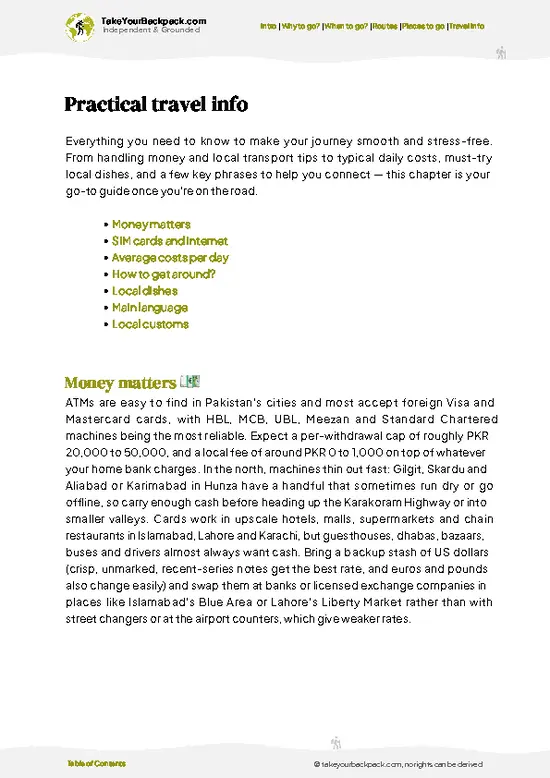
example page 3 from our offline Travel Guide for Pakistan
example page 4 from our offline Travel Guide for Pakistan
example page 5 from our offline Travel Guide for Pakistan
example page 6 from our offline Travel Guide for Pakistan
example page 7 from our offline Travel Guide for Pakistan
Loading the map 🌍
CLICK TO FILTER
cities
towns
villages
landmarks
national parks
hikes
beaches
attractions
festivals
regions
SHOW COUNTRY’S BESTSHOW ALL

✨ Why go?
Ranked #7 region in Pakistan
What makes it a must-see region

Backpackers come to Chitral for the sheer variety packed into one region: glacier valleys, polo grounds, and the Kalash people's distinct culture and animist festivals, all within a day's jeep ride of each other. The Chitral valley itself lets you base in one spot and take day trips into Bumburet, Rumbur, or Garam Chashma hot springs without constant repacking. Transport flexibility matters here because roads are rough and weather-dependent, so having a central hub for slow travel beats chasing a rigid itinerary. You get high-altitude trekking near Tirich Mir base camp options, plus low-key cultural immersion in villages where daily life hasn't been rearranged for tourism. The mix of nature and culture within a compact radius, without the crowds of Hunza or Skardu, is what pulls people north to Chitral specifically.

💡 HighlightsKey sights and experiences for travelers

  1. Chitral Fort and Shahi Mosque: A restored royal residence beside a mosque with slim white minarets, giving a compact dose of the region's Mehtar-era history right in town.
  2. Kalash Valleys (Bumburet, Rumbur, Birir): Home to the Kalash people, whose animist religion, wooden effigies, and distinct dress set them apart from every other community in Pakistan.
  3. Shandur Pass: The world's highest polo ground at over 3,700 meters, hosting a free-style polo festival each July between Chitral and Gilgit-Baltistan teams.
  4. Tirich Mir Base Camp Trek: A multi-day trek toward Pakistan's highest peak outside the Karakoram, with glacier views most visitors never bother to earn.
  5. Garam Chashma Hot Springs: A locals' favorite soak near the Afghan border, sulfur-rich and basic, worth it after days of dusty jeep travel.
… read more 👉
  1. Chitral Fort and Shahi Mosque: A restored royal residence beside a mosque with slim white minarets, giving a compact dose of the region's Mehtar-era history right in town.
  2. Kalash Valleys (Bumburet, Rumbur, Birir): Home to the Kalash people, whose animist religion, wooden effigies, and distinct dress set them apart from every other community in Pakistan.
  3. Shandur Pass: The world's highest polo ground at over 3,700 meters, hosting a free-style polo festival each July between Chitral and Gilgit-Baltistan teams.
  4. Tirich Mir Base Camp Trek: A multi-day trek toward Pakistan's highest peak outside the Karakoram, with glacier views most visitors never bother to earn.
  5. Garam Chashma Hot Springs: A locals' favorite soak near the Afghan border, sulfur-rich and basic, worth it after days of dusty jeep travel.
  6. Chitral Gol National Park: A steep reserve just outside town protecting markhor goats, with quiet trails most tourists skip in favor of the Kalash valleys.
  7. Ayun Village: A quieter gateway town before the Kalash valleys, with orchards and a slower pace that day-trippers rushing through usually miss.
  8. Chitral Museum: Small, unpolished, but packed with Kalash artifacts and regional history you won't find explained anywhere else nearby.
  9. Broghol Pass Area (Upper Chitral): Remote high-altitude terrain near the Wakhan Corridor, visited by very few outsiders due to permit and distance requirements.
  10. Chitral Bazaar: A working market for dried fruit, embroidered caps, and local tools, better for a genuine sense of daily commerce than any curated craft shop.
My personal favorite is Garam Chashma, precisely because almost no foreign backpackers bother with it, and the walk down afterward through terraced fields at dusk is worth the detour alone.
Spotted a mistake or missing something? Contact us.

Things to do near Chitral

Ratings based on Tripadvisor reviews. When you book through this link, you support our work at no extra cost to you.

⌛️ 5 days5-day itinerary for Chitral

Day 1: Chitral Town: Fly in from Peshawar or arrive via the Lowari Tunnel, then spend the day acclimatizing, visiting Chitral Fort, the Shahi Mosque, and the bazaar. This sets your logistics base since most valley jeeps depart from here each morning.Day 2: Kalash Valleys (Bumburet): Take a shared jeep west into Bumburet, the most accessible Kalash valley, for a full day and overnight among wooden houses and vineyard terraces. The road is rough but short, roughly two hours, making this the easiest cultural payoff for the effort.Day 3: Rumbur or Birir Valley: Off-Path Reward: push into Rumbur instead of doubling back, it sees fewer visitors than Bumburet and the Kalash hospitality feels less rehearsed. Jeep tracks connect the valleys, but confirm return transport before heading in since afternoon … read more 👉
Day 1: Chitral Town: Fly in from Peshawar or arrive via the Lowari Tunnel, then spend the day acclimatizing, visiting Chitral Fort, the Shahi Mosque, and the bazaar. This sets your logistics base since most valley jeeps depart from here each morning.Day 2: Kalash Valleys (Bumburet): Take a shared jeep west into Bumburet, the most accessible Kalash valley, for a full day and overnight among wooden houses and vineyard terraces. The road is rough but short, roughly two hours, making this the easiest cultural payoff for the effort.Day 3: Rumbur or Birir Valley: Off-Path Reward: push into Rumbur instead of doubling back, it sees fewer visitors than Bumburet and the Kalash hospitality feels less rehearsed. Jeep tracks connect the valleys, but confirm return transport before heading in since afternoon departures are unreliable.Day 4: Garam Chashma: Head north to the hot springs for a slow, physical reset day. The drive winds along the river, and the springs themselves are basic but genuinely restorative after two days of jeep travel.Day 5: Chitral Gol National Park or Shandur (seasonal): If it's polo season, extend toward Shandur Pass for the festival; otherwise spend a final day hiking Chitral Gol before flying out. The park's proximity to town makes it a low-effort, high-reward close to the trip.My must-do day is Day 3 in Rumbur. It's the one stretch where the region's isolation actually works in your favor, and it's what justifies the whole detour north.

🌤️ When to go?Choosing the right time of year

  • Summer (June-August): Warmest window, daytime temps around 25-32°C (77-90°F), all roads and passes open, this is peak season for trekking and the Kalash Uchal harvest festival in August.
  • Spring (April-May): Valleys turn green, temps sit around 15-22°C (59-72°F), fewer travelers, but some higher trekking routes remain snow-blocked.
  • Autumn (September-October): Clear skies, crisp air near 10-20°C (50-68°F), harvest activity in orchards, and noticeably thinner crowds than summer.
  • Winter (November-March): Heavy snow isolates the region, Lowari Tunnel can still be crossed but side valleys close, only for those wanting a quiet, cold, off-grid experience.
My tip: aim for the second half of August specifically for the Kalash Uchal festival, but book your flight from Peshawar weeks ahead since seats vanish … read more 👉
  • Summer (June-August): Warmest window, daytime temps around 25-32°C (77-90°F), all roads and passes open, this is peak season for trekking and the Kalash Uchal harvest festival in August.
  • Spring (April-May): Valleys turn green, temps sit around 15-22°C (59-72°F), fewer travelers, but some higher trekking routes remain snow-blocked.
  • Autumn (September-October): Clear skies, crisp air near 10-20°C (50-68°F), harvest activity in orchards, and noticeably thinner crowds than summer.
  • Winter (November-March): Heavy snow isolates the region, Lowari Tunnel can still be crossed but side valleys close, only for those wanting a quiet, cold, off-grid experience.
My tip: aim for the second half of August specifically for the Kalash Uchal festival, but book your flight from Peshawar weeks ahead since seats vanish fast and jeep alternatives eat a full travel day.


source: climatestotravel.comJANJanuary: below average for travelingFEBFebruary: below average for travelingMARMarch: fair for travelingAPRApril: good for travelingMAYMay: excellent for travelingJUNJune: excellent for travelingJULJuly: highly recommended for travelingAUGAugust: highly recommended for travelingSEPSeptember: excellent for travelingOCTOctober: good for travelingNOVNovember: fair for travelingDECDecember: below average for traveling
pakistan-region-chitral
© Google |

✈️ The backpacker research shortcutPakistan Travel Guide

An offline-friendly backpacking guide with optimized travel routes, ranked highlights, transport advice, and the best areas to stay.
example page 0 from our offline Travel Guide for Pakistan
example page 1 from our offline Travel Guide for Pakistan
example page 2 from our offline Travel Guide for Pakistan
example page 3 from our offline Travel Guide for Pakistan
example page 4 from our offline Travel Guide for Pakistan
example page 5 from our offline Travel Guide for Pakistan
example page 6 from our offline Travel Guide for Pakistan
example page 7 from our offline Travel Guide for Pakistan
The digital guide (290 pages) contains:
✅ 97 highlights, ranked by travel appeal
✅ Optimized 7, 14 & 21-day travel routes
✅ Cities, national parks, landmarks, beaches
✅ How to get around
✅ Offline-friendly for travel without Wi-Fi
👉 Click to see all 30+ guide features

📅 Plan smarter in minutes, not weeks
✅ Month by month travel advice
✅ Festivals & national holidays
✅ Budget expectations

🗺️ Go to the right places, skip the overrated ones
✅ Honest pros & cons of destinations
✅ Top hikes, parks & viewpoints
✅ Lesser-known places most travelers miss
✅ Clear “worth it vs skip it” guidance

🛏️ Travel smoothly without rookie mistakes
✅ Best areas to stay
✅ Transport systems explained simply
✅ Common scams & safety advice
✅ SIM cards, money & practical tips

🌍 Understand the country, not just visit it
✅ Culture & traditions
✅ 52 Essential phrases & customs
✅ Festivals worth planning around
✅ Traveler-friendly historical context
✅ Insights that make places more meaningful

📱 Built for real travel conditions
✅ Fully downloadable PDF
✅ Works completely offline
✅ Optimized for phone use
✅ Useful in remote areas & buses
✅ Everything in one place
Stop searching, start planning
Get instant access to your full guide. 30‑day money-back guarantee.
+ Add another guide for just

By proceeding you agree to our terms.
Sent to your inbox immediately after payment • 100% Secure Checkout
Best Backpacking Travel Advisor 2025 tourism awardBest Backpacking
Travel Advisor
2025
What others say about Take Your Backpack Guides:
⭐⭐⭐⭐⭐
Fantastic, amazing amount of information!
⭐⭐⭐⭐⭐
My goodness this is amazing, it's what I've been looking for hats off too you!
⭐⭐⭐⭐⭐
I think this is absolutely BRILLIANT
⭐⭐⭐⭐
Very complete and informative. It's still missing places, but I gotta to commend you
⭐⭐⭐⭐⭐
This is truly amazing, thank you, can't wait to explore it with my kids!
⭐⭐⭐⭐⭐
Awesome resource, thank you!
⭐⭐⭐⭐⭐
This is amazing! Can't wait to explore the ones I haven't seen
⭐⭐⭐⭐
I love this! Well done, great idea.
⭐⭐⭐⭐⭐
Thanks for taking the time to make this gem!
⭐⭐⭐⭐⭐
This might be the best website I've ever seen.
⭐⭐⭐⭐⭐
Congratulations, and thank you so much for your work; it's incredibly valuable.
⭐⭐⭐⭐
In all seriousness I think you did a great job pointing out the important spots
⭐⭐⭐⭐⭐
10/10 very good
⭐⭐⭐⭐⭐
As someone who's only just starting to visit regularly this is awesome, thank you.
⭐⭐⭐⭐
Thank you very much! I'm going to visit my dad, it's going to be very useful!
⭐⭐⭐⭐⭐
This is really cool! We'll be travelling for the first time and this definitely come in handy.
⭐⭐⭐⭐⭐
You are now our minister of culture, congratulations 👨‍💼
⭐⭐⭐⭐⭐
Just wanted to tell you that this is a pearl! Going to follow your recommendations.
⭐⭐⭐⭐⭐
This is so cool. I'll definitely be using the resource for my travels soon.
⭐⭐⭐⭐⭐
This is very impressive! Good work.
⭐⭐⭐⭐⭐
This is an amazing and informative site. Very well done!

🛏️ Where to stay?Where staying makes the most sense

Chitral town is the obvious base for most backpackers, offering guesthouses, easy access to the bazaar, and jeep connections to every valley in the region. It's social enough to meet other travelers heading the same direction, and safe for solo wanderers walking around after dark near the main market area. For those wanting deeper cultural contact, staying a night or two in Bumburet within the Kalash valleys puts you directly among Kalash households, though options are simpler and quieter than town. Ayun works well as a slower alternative to Chitral town, less crowded, still close enough to reach … read more 👉
Chitral town is the obvious base for most backpackers, offering guesthouses, easy access to the bazaar, and jeep connections to every valley in the region. It's social enough to meet other travelers heading the same direction, and safe for solo wanderers walking around after dark near the main market area. For those wanting deeper cultural contact, staying a night or two in Bumburet within the Kalash valleys puts you directly among Kalash households, though options are simpler and quieter than town. Ayun works well as a slower alternative to Chitral town, less crowded, still close enough to reach the Kalash valleys within a couple hours. Avoid trying to base yourself in the more remote valleys like Rumbur or Birir long-term unless you're comfortable with very limited services, they're better as overnight stops within a wider loop based from Chitral town.

🚌 Getting aroundGetting around like a local

Chitral doesn't run on schedules, it runs on weather, road conditions, and whichever jeep driver decides to fill his seats first. You're trading big-city predictability for something rawer: flexible, occasionally frustrating, but genuinely local. Here's the trade-off map: flying saves a full day but costs more and risks cancellation; jeeps are cheap and scenic but slow and dependent on other passengers showing up.
  • PIA Flights (Peshawar-Chitral): Around 40 minutes, weather-dependent with frequent cancellations in cloud cover, book early since seats are limited and demand spikes in summer.
  • Shared Jeeps/Wagons: The backbone of valley travel, cheap and frequent on main routes like Chitral-Ayun-Bumburet, but they wait to fill up, so mornings are your best bet for departures.
  • Private Jeep Hire: Costs
… read more 👉
Chitral doesn't run on schedules, it runs on weather, road conditions, and whichever jeep driver decides to fill his seats first. You're trading big-city predictability for something rawer: flexible, occasionally frustrating, but genuinely local. Here's the trade-off map: flying saves a full day but costs more and risks cancellation; jeeps are cheap and scenic but slow and dependent on other passengers showing up.
  • PIA Flights (Peshawar-Chitral): Around 40 minutes, weather-dependent with frequent cancellations in cloud cover, book early since seats are limited and demand spikes in summer.
  • Shared Jeeps/Wagons: The backbone of valley travel, cheap and frequent on main routes like Chitral-Ayun-Bumburet, but they wait to fill up, so mornings are your best bet for departures.
  • Private Jeep Hire: Costs more but gives control over timing, essential for reaching Rumbur, Birir, or Garam Chashma comfortably without waiting hours for a shared vehicle to fill.
  • Lowari Tunnel Road Transport (Buses/Vans): The main overland link to Peshawar and the rest of Pakistan, roughly 8-10 hours depending on conditions, tunnel access has cut travel time significantly compared to the old pass route.
  • Walking/Local Foot Trails: Within Chitral town and smaller Kalash villages, walking is often faster than waiting for transport and lets you actually see daily life unfold.
Insider tip: if you're heading into the Kalash valleys, get to the jeep stand by 7am. Locals know the first wave of shared jeeps fills fastest and leaves closest to schedule, while afternoon departures can mean sitting around for hours waiting for one more passenger. Miss that window and you're either paying for a private jeep or losing half your day.

🍲 FoodLocal Cuisine & Drinks

Chitrali food leans heavily on wheat, dairy, and dried fruit, shaped by a short growing season and long winters. Try Chitrali bread, thick and slightly dense, often served with local ghee or apricot oil that has a distinct nutty edge. Dried apricots and mulberries show up everywhere, from bazaar stalls to breakfast tables, and apricot kernel oil is a local specialty worth tasting even if it's not to everyone's palate. In the Kalash valleys, expect simpler fare: walnut-based dishes, local cheese, and sometimes homemade wine or a fermented grape drink called tara, made openly by the Kalash despite Pakistan's broader alcohol restrictions elsewhere. For everyday meals, small roadside restaurants called dhabas serve rice, lentils, and meat curries at low cost, while the Chitral bazaar is the place … read more 👉
Chitrali food leans heavily on wheat, dairy, and dried fruit, shaped by a short growing season and long winters. Try Chitrali bread, thick and slightly dense, often served with local ghee or apricot oil that has a distinct nutty edge. Dried apricots and mulberries show up everywhere, from bazaar stalls to breakfast tables, and apricot kernel oil is a local specialty worth tasting even if it's not to everyone's palate. In the Kalash valleys, expect simpler fare: walnut-based dishes, local cheese, and sometimes homemade wine or a fermented grape drink called tara, made openly by the Kalash despite Pakistan's broader alcohol restrictions elsewhere. For everyday meals, small roadside restaurants called dhabas serve rice, lentils, and meat curries at low cost, while the Chitral bazaar is the place for street snacks and fresh dried fruit by weight. Tea, usually milky and sweet, gets offered constantly as a social gesture, and turning it down repeatedly can come across as rude. Meals are eaten with hands in most local settings, and sitting on the floor around a shared cloth is common in villages, so following your host's lead goes a long way.

FAQFrequently asked questions about Chitral

Plan for at least 5 to 7 days to properly cover Chitral town, one or two Kalash valleys, and a day trip to Garam Chashma or Chitral Gol National Park. Add extra days if you want to reach Shandur Pass or attempt trekking near Tirich Mir, since travel times between sites are longer than distances suggest.
Shared jeeps connect Chitral town to the Kalash valleys, Ayun, and Garam Chashma, and they're the cheapest option though departures depend on filling seats rather than a fixed timetable. Private jeep hire gives more control for reaching remote valleys like Rumbur or Birir, and walking works fine within town and smaller villages. Flights from Peshawar cover the longer haul in and out of the region if road travel isn't appealing.
Chitral is known for the Kalash people and their distinct animist culture in the Bumburet, Rumbur, and Birir valleys, along with Tirich Mir, the highest peak in the Hindu Kush range. It's also recognized for the Shandur Pass polo festival, held at the world's highest polo ground, and for its relative isolation compared to more visited northern regions like Hunza.
⚠️ Things can change over time, so always validate details locally before you go.

Other Pakistani regions near Chitral

Explore more nearby:

  • Kumrat Valley—Dense forest, waterfalls, unpaved trails| 59 km away
  • Swat Valley—River valley, orchards, ski resort| 61 km away
  • Shandur Pass—High pass, polo festival, treeless plateau| 92 km away

💡 Not sure where to go next?
Create a personalized itinerary for Pakistan including Chitral and the places that fit your trip.

Generate my itinerary

👉 Discover all regions

Or checkout all Pakistan has to offer (think cities, towns, villages, national parks, hikes, beaches, festivals)
Country photo of Pakistan

We 💚 feedbackIs it worth it?

Chitral rewards you with genuine, unscripted culture, especially in the Kalash valleys, that feels increasingly rare in northern Pakistan. The drawback is real: rough roads, unreliable flights, and limited infrastructure mean plans change constantly. Go anyway, just build in slack days and don't chase a tight schedule here.

✈️ When did I visit Pakistan?
Even though the media portrays Pakistan often as a dangerous country, it has its great spots, and for a mountain lover like me the mountain regions in the north are just heaven. Visited Pakistan in October 2022.

✍️ Help improve this page!
The information on this page is based on my own backpacking experience in Pakistan, supplemented with up-to-date research and feedback from other travelers. Travel details can change, so if you notice anything outdated or incomplete, feel free to let me know.


🙋‍♂️ Give feedback

👋 Meet the founderWho’s Behind Take Your Backpack?

Johan, backpacker and founder of TakeYourBackpackHi, I’m Johan (Netherlands 🇳🇱), the creator of TakeYourBackpack. Over the past 3 decades, I’ve backpacked through 90+ countries across six continents, gaining extensive experience with independent travel, long-term trips, and overland routes.

This site is built on a combination of firsthand travel experience and carefully curated insights from other backpackers. Many guides are based on places I’ve personally visited, while others bring together tips, observations, and practical advice shared by trusted travelers I’ve met along the way.

The goal is to provide realistic, experience-driven guidance — not generic itineraries — so you can explore destinations with better context, clearer expectations, and more confidence.