×

Pakistan🇵🇰 | regionsSkardu and Baltistan regiongranite peaks, cold deserts, Buddhist relics | things to do and best time to go

Explore Shounter ValleyExplore Swat Valley

Backpacking in Skardu and Baltistan region
🏆 Top pickregion ranked #2
By Johan Kruseman 🇳🇱 | Updated July 3, 2026

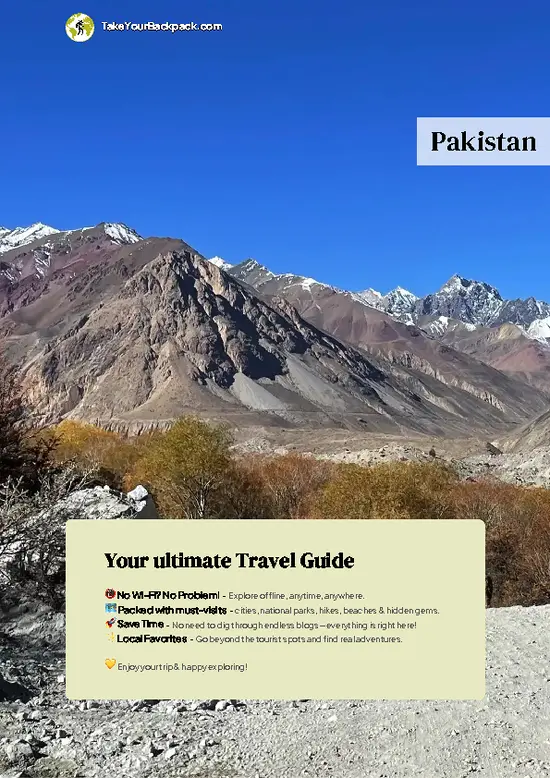
Everyone thinks Skardu is some remote, once-in-a-lifetime expedition that needs a sponsored North Face jacket and a trust fund. It’s not. It’s the main gateway to Baltistan in far northern Pakistan, up in Gilgit–Baltistan, where the Indus carves through big, serious mountains and tiny villages cling to the slopes like they’re hanging on for fun.

For backpackers, Skardu and the wider Baltistan region are a trade: insane scenery and real village life in exchange for rough edges. You get turquoise lakes, cold deserts, 8000‑meter peaks on the horizon, and side trips to places like Shigar and Khaplu that feel more lived-in and less curated than Hunza. It’s cheaper than Hunza too, but transport between towns is slower, bumpier, and at the mercy of landslides and flight cancellations. The vibe is conservative but welcoming; tourism is growing, not overrun yet, so you still feel like a guest, not a walking wallet.

Discover everything you want to know in the 📖 Pakistan Travel Guide.


Get your Pakistan guide
98 ranked highlights, routes & tips, works offline (338 pages)
Loading the map 🌍
CLICK TO FILTER
cities
towns
villages
landmarks
national parks
hikes
beaches
attractions
festivals
regions
SHOW COUNTRY’S BESTSHOW ALL

✨ Why go?
Ranked #2 region in Pakistan
The unique appeal for travelers

Backpackers flock to Skardu and the Baltistan region for a reason. It’s not just about the breathtaking landscapes—though they are jaw-dropping. You get a variety of terrains: towering mountains, serene lakes, and lush valleys, all within a stone’s throw. This means you can soak in multiple experiences without the hassle of constant relocation.

Transport here is surprisingly flexible. Shared jeeps and local buses make it easy to hop between stunning spots like Shigar Valley and Deosai National Park. You can spend a few days in one place, really immersing yourself in the local culture and traditions.

The beauty of slow travel shines here. You can trek through ancient villages, sip tea with locals, and witness the rich history of the region without feeling rushed. Each moment becomes a chance … read more 👉
Backpackers flock to Skardu and the Baltistan region for a reason. It’s not just about the breathtaking landscapes—though they are jaw-dropping. You get a variety of terrains: towering mountains, serene lakes, and lush valleys, all within a stone’s throw. This means you can soak in multiple experiences without the hassle of constant relocation.

Transport here is surprisingly flexible. Shared jeeps and local buses make it easy to hop between stunning spots like Shigar Valley and Deosai National Park. You can spend a few days in one place, really immersing yourself in the local culture and traditions.

The beauty of slow travel shines here. You can trek through ancient villages, sip tea with locals, and witness the rich history of the region without feeling rushed. Each moment becomes a chance to connect, to learn, and to appreciate the authenticity of your surroundings.

So, if you’re looking to blend nature and culture seamlessly, Skardu and Baltistan are your playground. It’s a high-value experience that rewards your time and effort with memories that stick.
Want to include Skardu and Baltistan region in your Pakistan route?
Create a personalized Pakistan itinerary that includes Skardu and Baltistan region and the places that fit your trip — based on your travel style, budget, and available time. Get your route in seconds.

Generate my trip

💡 HighlightsThe experiences that define the visit

  1. Deosai National Park (the Deosai Plains) — A huge high-altitude plateau of wildflowers, alpine lakes (Sheosar Lake sits right on it), and roaming Himalayan brown bears. Summer walks here feel like nowhere else on Earth: flat, windswept grassland surrounded by jagged peaks. Best visited June-September; bring warm layers and plan for rough roads. (Personal favorite.)
  2. Khaplu Palace — A beautifully restored 19th-century Balti royal residence that doubles as a living museum: wood-carved interiors, old family rooms, and rooftop views over the Khaplu plain. It’s one of the clearest examples of Balti court culture and architecture you can actually walk through and stay near.
  3. Shigar Fort (Fong Khar) — Another restored fort that’s part history, part community project: think mud-and-stone towers,
read more 👉
  1. Deosai National Park (the Deosai Plains) — A huge high-altitude plateau of wildflowers, alpine lakes (Sheosar Lake sits right on it), and roaming Himalayan brown bears. Summer walks here feel like nowhere else on Earth: flat, windswept grassland surrounded by jagged peaks. Best visited June-September; bring warm layers and plan for rough roads. (Personal favorite.)
  2. Khaplu Palace — A beautifully restored 19th-century Balti royal residence that doubles as a living museum: wood-carved interiors, old family rooms, and rooftop views over the Khaplu plain. It’s one of the clearest examples of Balti court culture and architecture you can actually walk through and stay near.
  3. Shigar Fort (Fong Khar) — Another restored fort that’s part history, part community project: think mud-and-stone towers, narrow alleys, and a converted guesthouse/museum that shows traditional Balti life. Great for photography and a proper feel of how people lived here before modern tourism.
  4. Katpana Cold Desert (Skardu Desert) — Strange, beautiful: sand dunes sitting at 2,200-2,400 m with snowcapped peaks behind them. Sunrise or sunset on the dunes—especially in winter when there’s frost or light snow—is uniquely Baltistan. Short drive from Skardu town; easy, quick, and very photogenic.
  5. Satpara Lake & Satpara Dam — Turquoise water tucked under rocky hills right outside Skardu. Locals fish for trout, you can hire small boats, and the surrounding villages give a nice sense of everyday Balti life. The lake feeds Skardu and is a calm contrast to the high-mountain drama nearby.
  6. Upper Kachura Lake (Hidden gem) — Quieter and less developed than the famous Lower Kachura, Upper Kachura’s glassy, deep-blue water and grassy banks make it a peaceful picnic spot. Locals come here more than tourists; camp or hammock between poplars for proper low-key downtime.
  7. Manthokha Waterfall & Village (Hidden gem) — A dramatic 70-80 m waterfall near Kharmang, with clear plunge pools below and terraced fields around. Locals sell simple snacks; a short hike from the road drops you into a scene of children playing, women working fields, and a powerful waterfall you can almost touch.
  8. Hushe Valley (Hidden gem) — Remote, quiet mountain villages with incredible views of Masherbrum and the approach to the Karakoram giants. Not crowded, full of hospitable Baltis, and a great base for short walks or to watch real mountain-village life. Roads are rough, but the valley rewards with solitude and raw scenery.
  9. Kharpocho Fort & Skardu Old Bazaar — The hilltop Kharpocho Fort gives the best panorama over Skardu town, the Indus, and surrounding peaks; the old bazaar below is where you’ll see traditional crafts, dried apricots piled high, and local tea houses. Good for a compact cultural immersion without leaving town.
  10. Askole (gateway to the Baltoro/Baltoro approach villages) — The last motorable village before expeditions into the Baltoro Glacier and Concordia region. Visiting Askole is a real window into expedition life—meeting porters, inspecting loads, and watching logistics for the great treks—without having to do the full expedition yourself. Rugged roads and an unforgettable atmosphere.
Spotted a mistake or missing something? Contact us.

Things to do around Skardu and Baltistan region

Ratings based on Tripadvisor reviews. When you book through this link, you support our work at no extra cost to you.

⌛️ 5 days5-day itinerary for Skardu and Baltistan region

Day 1: Skardu
The journey kicks off in Skardu, the gateway to the Baltistan region. You’ll want to acclimatize here, as the altitude can hit hard. Spend your day exploring the local bazaars, where the scent of spices mingles with the chatter of vendors. Grab some traditional bread and chai; it’s a perfect way to ease into the local rhythm. The transport system here is a mix of jeeps and shared vans, so familiarize yourself with the schedules. They’re not always punctual, but they’re your lifeline to the next adventure.

Day 2: Skardu to Shigar
Hop on a jeep to Shigar, just an hour away. This ride is a treat; the landscape shifts dramatically, with towering peaks framing your path. Shigar is home to the stunning Shigar Fort, a must-see. Spend the afternoon wandering the fort’s grounds, … read more 👉
Day 1: Skardu
The journey kicks off in Skardu, the gateway to the Baltistan region. You’ll want to acclimatize here, as the altitude can hit hard. Spend your day exploring the local bazaars, where the scent of spices mingles with the chatter of vendors. Grab some traditional bread and chai; it’s a perfect way to ease into the local rhythm. The transport system here is a mix of jeeps and shared vans, so familiarize yourself with the schedules. They’re not always punctual, but they’re your lifeline to the next adventure.

Day 2: Skardu to Shigar
Hop on a jeep to Shigar, just an hour away. This ride is a treat; the landscape shifts dramatically, with towering peaks framing your path. Shigar is home to the stunning Shigar Fort, a must-see. Spend the afternoon wandering the fort’s grounds, soaking in the history and the views. The jeep ride is your first taste of the region’s transport quirks—be prepared for a bumpy but scenic ride.

Day 3: Shigar to Khaplu
Today, you’ll head to Khaplu, about two hours from Shigar. The road is winding, but the scenery is mesmerizing. Khaplu is less touristy, offering a glimpse into authentic local life. Visit the Khaplu Palace and take a stroll through the village. This is where you can feel the pulse of the Baltistan culture.

Day 4: Khaplu to Hushe Valley
Take a detour to Hushe Valley, a hidden treasure. It’s a bit off the beaten path, but the lush landscapes and serene atmosphere are worth the extra effort. Spend the day hiking and soaking in the tranquility. This is your ’Off-Path Reward’—a chance to escape the crowds and connect with nature.

Day 5: Return to Skardu
Head back to Skardu for your final day. Use this time to revisit your favorite spots or pick up some souvenirs. The transport back will feel familiar now, and you’ll appreciate the journey as much as the destination.

The must-do day? Day 4 in Hushe Valley. It’s the heart of the Baltistan experience, where you can truly disconnect and recharge. This trip isn’t just about the sights; it’s about the moments that linger long after you’ve left.
Turn your Skardu and Baltistan region visit into an Pakistan adventure
Build a complete Pakistan route with Skardu and Baltistan region, hidden gems, must-see destinations, and realistic travel times included.

Generate my trip

🌤️ When to go?Best time to visit Skardu and Baltistan region


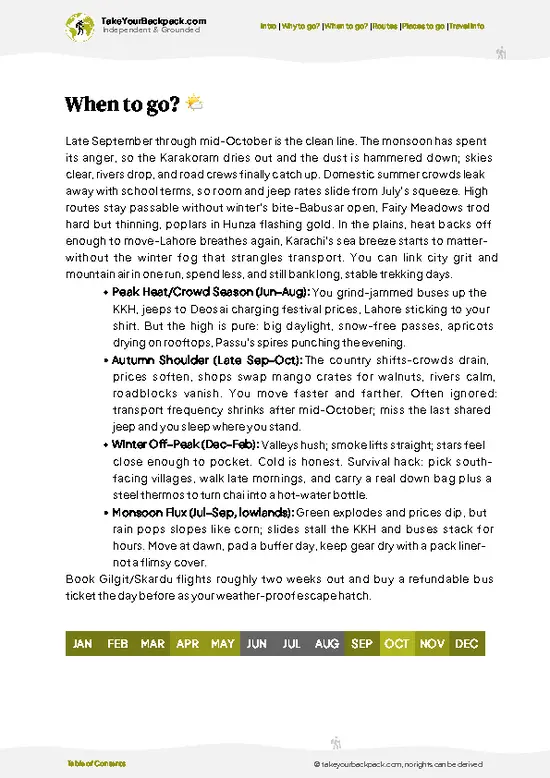
  • Weather: The sweet spot is late May through early September. Days hover between 15-25°C (59-77°F), perfect for trekking without melting or freezing. Outside this window, winters slam with -10°C (14°F) or lower, shutting down most trails.

  • Temperature: Nights can still dip to 5°C (41°F) even in summer, so pack layers. Mid-summer July and August bring warmer days but also a chance of sporadic rain, which can turn trails slippery.

  • Daylight Hours: Long summer days stretch up to 14-15 hours, giving you plenty of daylight to push further on hikes or soak in the views without rushing.

  • Crowds: Peak season means more trekkers, especially in August. If you want solitude, aim for late May or early June—fewer people, same great weather.

  • Seasonal Activities: Summer opens up high-altitude passes
read more 👉

  • Weather: The sweet spot is late May through early September. Days hover between 15-25°C (59-77°F), perfect for trekking without melting or freezing. Outside this window, winters slam with -10°C (14°F) or lower, shutting down most trails.

  • Temperature: Nights can still dip to 5°C (41°F) even in summer, so pack layers. Mid-summer July and August bring warmer days but also a chance of sporadic rain, which can turn trails slippery.

  • Daylight Hours: Long summer days stretch up to 14-15 hours, giving you plenty of daylight to push further on hikes or soak in the views without rushing.

  • Crowds: Peak season means more trekkers, especially in August. If you want solitude, aim for late May or early June—fewer people, same great weather.

  • Seasonal Activities: Summer opens up high-altitude passes and glacier treks. Winter is for hardcore mountaineers only, with most routes inaccessible.

  • Price Fluctuations: Expect prices for guides, porters, and lodging to spike in July and August. Booking early or traveling shoulder season can save you a tidy sum.


Pro-tip: Arrive just before the main season kicks off—late May lets you snag lower prices, beat the crowds, and enjoy crisp, clear mountain mornings that feel like your own secret.


source: climatestotravel.comJANJanuary: below average for travelingFEBFebruary: below average for travelingMARMarch: fair for travelingAPRApril: fair for travelingMAYMay: excellent for travelingJUNJune: excellent for travelingJULJuly: highly recommended for travelingAUGAugust: highly recommended for travelingSEPSeptember: good for travelingOCTOctober: fair for travelingNOVNovember: below average for travelingDECDecember: below average for traveling
when-to-go

✈️ The backpacker research shortcutPakistan Travel Guide

An offline-friendly backpacking guide with optimized travel routes, ranked highlights, transport advice, and the best areas to stay.
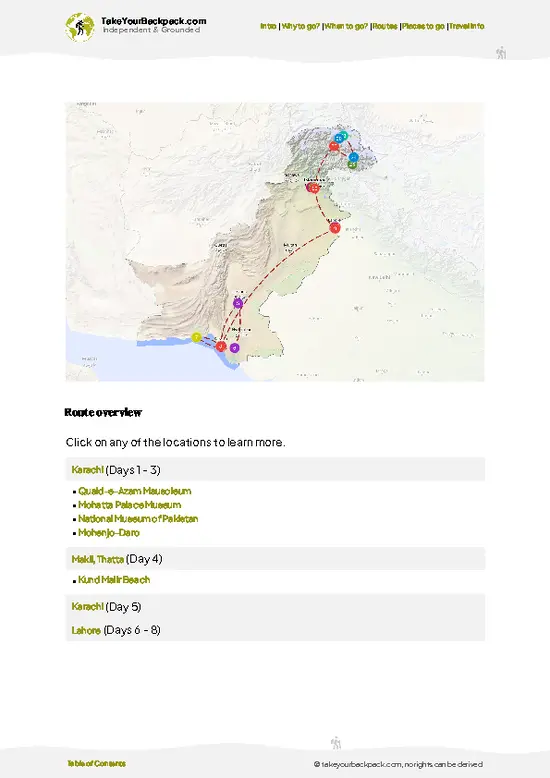
example page 0 from our offline Travel Guide for Pakistan
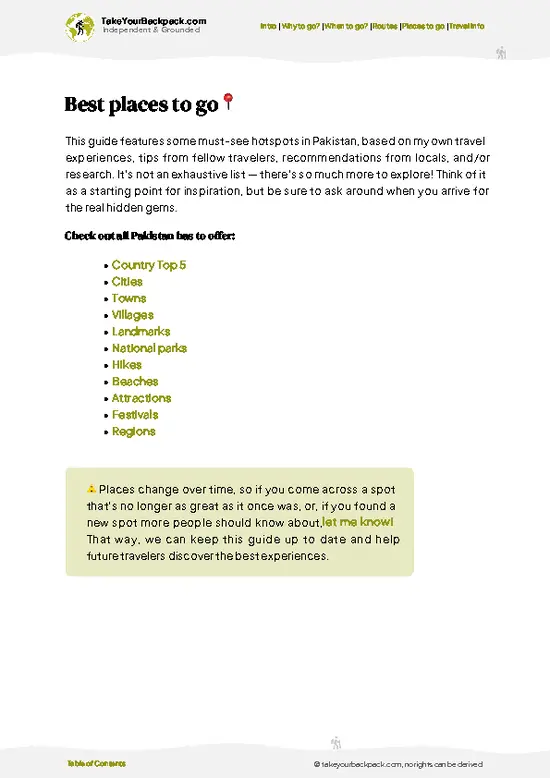
example page 1 from our offline Travel Guide for Pakistan
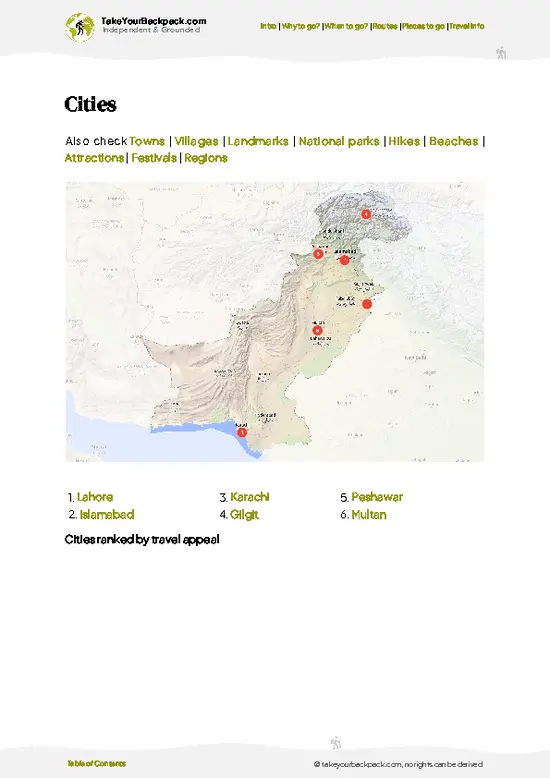
example page 2 from our offline Travel Guide for Pakistan
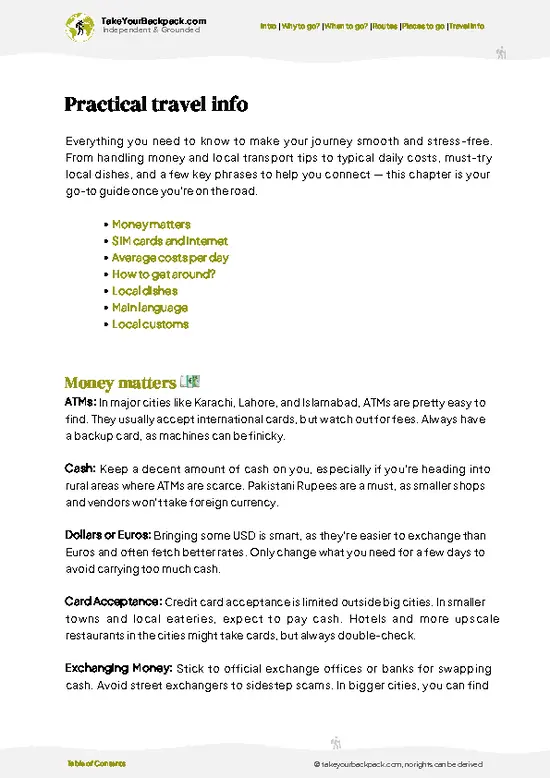
example page 3 from our offline Travel Guide for Pakistan
example page 4 from our offline Travel Guide for Pakistan
example page 5 from our offline Travel Guide for Pakistan
example page 6 from our offline Travel Guide for Pakistan
example page 7 from our offline Travel Guide for Pakistan
The digital guide (338 pages) contains:
98 highlights, ranked by travel appeal
Optimized 7, 14 & 21-day travel routes
Cities, national parks, landmarks, beaches
How to get around
Offline-friendly for travel without Wi-Fi
👉 Click to see all 30+ guide features

📅 Plan smarter in minutes, not weeks
Month by month travel advice
Festivals & national holidays
Budget expectations

🗺️ Go to the right places, skip the overrated ones
Honest pros & cons of destinations
Top hikes, parks & viewpoints
Lesser-known places most travelers miss
Clear “worth it vs skip it” guidance

🛏️ Travel smoothly without rookie mistakes
Best areas to stay
Transport systems explained simply
Common scams & safety advice
SIM cards, money & practical tips

🌍 Understand the country, not just visit it
Culture & traditions
52 Essential phrases & customs
Festivals worth planning around
Traveler-friendly historical context
Insights that make places more meaningful

📱 Built for real travel conditions
Fully downloadable PDF
Works completely offline
Optimized for phone use
Useful in remote areas & buses
Everything in one place
Save weeks of stressful planning
Get instant access to your full guide. 30‑day money-back guarantee.


By proceeding you agree to our terms.
Sent to your inbox immediately after payment • 100% Secure Checkout
Best Backpacking Travel Advisor 2025 tourism awardBest Backpacking
Travel Advisor
2025
What others say about Take Your Backpack Guides:
⭐⭐⭐⭐⭐
Fantastic, amazing amount of information!
⭐⭐⭐⭐⭐
My goodness this is amazing, it's what I've been looking for hats off too you!
⭐⭐⭐⭐⭐
I think this is absolutely BRILLIANT
⭐⭐⭐⭐
Very complete and informative. It's still missing places, but I gotta to commend you
⭐⭐⭐⭐⭐
This is truly amazing, thank you, can't wait to explore it with my kids!
⭐⭐⭐⭐⭐
Awesome resource, thank you!
⭐⭐⭐⭐⭐
This is amazing! Can't wait to explore the ones I haven't seen
⭐⭐⭐⭐
I love this! Well done, great idea.
⭐⭐⭐⭐⭐
Thanks for taking the time to make this gem!
⭐⭐⭐⭐⭐
This might be the best website I've ever seen.
⭐⭐⭐⭐⭐
Congratulations, and thank you so much for your work; it's incredibly valuable.
⭐⭐⭐⭐
In all seriousness I think you did a great job pointing out the important spots
⭐⭐⭐⭐⭐
10/10 very good
⭐⭐⭐⭐⭐
As someone who's only just starting to visit regularly this is awesome, thank you.
⭐⭐⭐⭐
Thank you very much! I'm going to visit my dad, it's going to be very useful!
⭐⭐⭐⭐⭐
This is really cool! We'll be travelling for the first time and this definitely come in handy.
⭐⭐⭐⭐⭐
You are now our minister of culture, congratulations 👨‍💼
⭐⭐⭐⭐⭐
Just wanted to tell you that this is a pearl! Going to follow your recommendations.
⭐⭐⭐⭐⭐
This is so cool. I'll definitely be using the resource for my travels soon.
⭐⭐⭐⭐⭐
This is very impressive! Good work.
⭐⭐⭐⭐⭐
This is an amazing and informative site. Very well done!

🛏️ Where to stay?How to pick the right area

Skardu is the heart of Baltistan, a must-stop for backpackers. The main bazaar area is buzzing with energy. You’ll find fellow travelers swapping stories over chai, and the vibe is welcoming. It’s safe, and you can easily connect with locals who are eager to share their culture.

Then there’s Shigar, a bit quieter but equally charming. It’s a gateway to stunning valleys and ancient forts. Staying here gives you a chance to explore the lush surroundings without the hustle of Skardu. Plus, the hospitality is top-notch; locals treat you like family.

Don’t overlook Hushe Valley. It’s a bit off the … read more 👉
Skardu is the heart of Baltistan, a must-stop for backpackers. The main bazaar area is buzzing with energy. You’ll find fellow travelers swapping stories over chai, and the vibe is welcoming. It’s safe, and you can easily connect with locals who are eager to share their culture.

Then there’s Shigar, a bit quieter but equally charming. It’s a gateway to stunning valleys and ancient forts. Staying here gives you a chance to explore the lush surroundings without the hustle of Skardu. Plus, the hospitality is top-notch; locals treat you like family.

Don’t overlook Hushe Valley. It’s a bit off the beaten path, but that’s where the magic happens. The scenery is jaw-dropping, and you’ll find a tight-knit community of trekkers. It’s perfect for those looking to escape the crowds and immerse themselves in nature.

Each of these spots offers a unique slice of Baltistan. You’re trading a bit of comfort for authenticity, but the experiences you gain are worth it. Choose wisely, and you’ll walk away with stories that’ll make your friends green with envy.

🚌 Getting aroundHow to get from A to B

In the Skardu and Baltistan region, the rhythm of travel dances between the chaos of intuition and the rigid structure of schedules. Here, the mountains loom like ancient sentinels, and the roads twist like a river, often dictated by the whims of weather and the pulse of local life. You’ll find that time feels fluid; a bus might leave when it’s full, or a jeep might take off at dawn, depending on the mood of the driver. This isn’t a place for clock-watchers. Instead, embrace the unpredictability, and you’ll discover that each journey is an adventure in itself.


  • Local Buses: These are your budget-friendly lifelines. They run from Skardu to major towns like Gilgit and are usually packed with locals. Expect to pay around 500 PKR for a 6-8 hour ride. Buses typically leave early in the morning,
read more 👉
In the Skardu and Baltistan region, the rhythm of travel dances between the chaos of intuition and the rigid structure of schedules. Here, the mountains loom like ancient sentinels, and the roads twist like a river, often dictated by the whims of weather and the pulse of local life. You’ll find that time feels fluid; a bus might leave when it’s full, or a jeep might take off at dawn, depending on the mood of the driver. This isn’t a place for clock-watchers. Instead, embrace the unpredictability, and you’ll discover that each journey is an adventure in itself.


  • Local Buses: These are your budget-friendly lifelines. They run from Skardu to major towns like Gilgit and are usually packed with locals. Expect to pay around 500 PKR for a 6-8 hour ride. Buses typically leave early in the morning, around 6 AM, and the last ones might roll out by noon, depending on demand. Comfort? Think basic, but you’ll soak in the local vibe.


  • Shared Jeeps: For a quicker, albeit bumpier ride, shared jeeps are the way to go. They zip between Skardu and places like Hushe or Shigar Valley. Prices hover around 800-1200 PKR, and they leave when full, often around 7 AM. The speed is a plus, but brace yourself for a wild ride over rocky terrain. Comfort is minimal, but the views are spectacular.


  • Private Taxis: If you’re feeling flush, a private taxi can be a game-changer. Rates start at about 3000 PKR for a day’s hire, and you can negotiate for longer trips. They offer flexibility, allowing you to stop for photos or snacks. Just remember, this option is pricier but can be shared if you’re traveling with friends.


  • Motorbike Rentals: For the adventurous spirit, renting a motorbike can be exhilarating. Prices range from 1000-1500 PKR per day. You’ll have the freedom to explore at your own pace, but make sure you’re comfortable with the local driving style. Helmets are a must, and be prepared for some rough patches.


Here’s a tactical tip: always ask locals about the best times to travel. They know the ins and outs better than any schedule. If you can, travel during weekdays when the roads are less crowded, and you might just snag a seat on that elusive bus or jeep. Embrace the flow, and let the journey shape your adventure.

🍲 FoodEating & Drinking in Skardu and Baltistan region

In the **Skardu and Baltistan region**, food is more than sustenance; it’s a celebration of culture. Start your culinary adventure with **balti**, a hearty stew made with tender meat and local spices, often served with **naan** that’s perfect for soaking up every drop. Don’t miss **pulao**, fragrant rice cooked with spices and sometimes garnished with nuts and raisins.

For a true local experience, head to the bustling **markets**. The aromas of grilled **kebabs** waft through the air, mingling with the scent of fresh **fruits** and **nuts**. Street vendors serve up **momos**, delicious dumplings filled with meat or vegetables, that are best enjoyed hot and fresh.

When it comes to drinks, try **chai**, a milky tea that’s a staple here. It’s often served with a side of **samosas** for a … read more 👉
In the **Skardu and Baltistan region**, food is more than sustenance; it’s a celebration of culture. Start your culinary adventure with **balti**, a hearty stew made with tender meat and local spices, often served with **naan** that’s perfect for soaking up every drop. Don’t miss **pulao**, fragrant rice cooked with spices and sometimes garnished with nuts and raisins.

For a true local experience, head to the bustling **markets**. The aromas of grilled **kebabs** waft through the air, mingling with the scent of fresh **fruits** and **nuts**. Street vendors serve up **momos**, delicious dumplings filled with meat or vegetables, that are best enjoyed hot and fresh.

When it comes to drinks, try **chai**, a milky tea that’s a staple here. It’s often served with a side of **samosas** for a delightful afternoon snack.

Dining customs are relaxed but respectful. It’s common to eat with your hands, so embrace it! Just remember to use your right hand, as the left is considered impolite. Sharing food is a sign of hospitality, so don’t be surprised if a local insists you try their dish. This is where the real connections happen, and you’ll leave with more than just a full belly.

Other Pakistani regions near Skardu and Baltistan region

Explore more nearby:

  • Hunza Valley—glacial rivers, apricot orchards, high-altitude settlements| 138 km away
  • Shounter Valley—remote access, glacier views, seasonal road| 151 km away
  • Naltar Valley—colorful lakes, pine woods, rugged tracks| 160 km away

💡 Not sure where to go next?
Create a personalized itinerary for Pakistan including Skardu and Baltistan region and the places that fit your trip.

Generate my itinerary

👉 Discover all regions

Or checkout all Pakistan has to offer (think cities, towns, villages, national parks, hikes, beaches, festivals)
Country photo of Pakistan

We 💚 feedbackSumming up the experience

Skardu and Baltistan are a backpacker’s dream, offering jaw-dropping mountain views and a culture that feels untouched by time. You’ll find yourself sipping chai with locals who share stories of their ancestors. But here’s the kicker: the altitude can hit hard. Acclimatization is key, and it can slow you down. Embrace the chill and take it easy; the rewards are worth every breath.

✈️ When did I visit Pakistan?
Even though the media portrays Pakistan often as a dangerous country, it has its great spots and loving a mountains, the mountain regions in the north are just heaven. Visited Pakistan in October 2022.

✍️ Help improve this page!
The information on this page is based on my own backpacking experience in Pakistan, supplemented with up-to-date research and feedback from other travelers. Travel details can change, so if you notice anything outdated or incomplete, feel free to let me know.


🙋‍♂️ Give feedback

👋 Meet the founderWho’s Behind Take Your Backpack?

Johan, backpacker and founder of TakeYourBackpackHi, I’m Johan (Netherlands 🇳🇱), the creator of TakeYourBackpack. Over the past decade, I’ve backpacked through 80+ countries across six continents, gaining extensive experience with independent travel, long-term trips, and overland routes.

This site is built on a combination of firsthand travel experience and carefully curated insights from other backpackers. Many guides are based on places I’ve personally visited, while others bring together tips, observations, and practical advice shared by trusted travelers I’ve met along the way.

The goal is to provide realistic, experience-driven guidance — not generic itineraries — so you can explore destinations with better context, clearer expectations, and more confidence.

Get full Pakistan guide •
Instant download • 98 highlights • Full Offline guide