v2.webp)
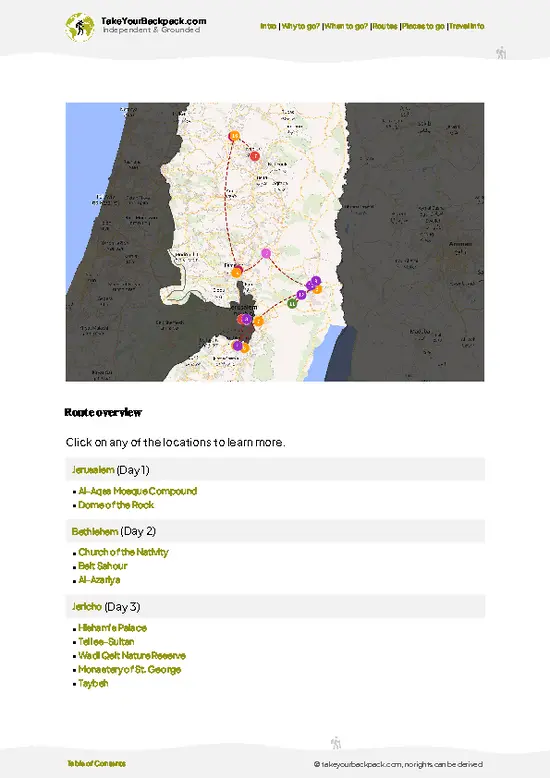
- Old village core (al-Balad) — Narrow stone lanes, low limestone houses and everyday life compressed into a walkable block; the best way to feel how Aboud’s rhythms still turn around neighborly fronts, rooftop chats and the occasional goat in the street.
- Main village mosque — The town’s central mosque is a practical place to see local architecture, hear the call to prayer and observe community life up close; not a museum, but a living piece of the town’s history.
- Traditional olive terraces and family groves — Aboud is surrounded by working olive trees and stacked stone terraces — visit in season or find a family press to see how oil is still made by hand and taste fresh, local olive oil.
- Old water cisterns and stone wells — Scattered through the town are rock-cut cisterns and old wells
- Old village core (al-Balad) — Narrow stone lanes, low limestone houses and everyday life compressed into a walkable block; the best way to feel how Aboud’s rhythms still turn around neighborly fronts, rooftop chats and the occasional goat in the street.
- Main village mosque — The town’s central mosque is a practical place to see local architecture, hear the call to prayer and observe community life up close; not a museum, but a living piece of the town’s history.
- Traditional olive terraces and family groves — Aboud is surrounded by working olive trees and stacked stone terraces — visit in season or find a family press to see how oil is still made by hand and taste fresh, local olive oil.
- Old water cisterns and stone wells — Scattered through the town are rock-cut cisterns and old wells that show traditional water management; they’re compact, concrete reminders of how villages survived in this landscape for generations.
- Local springs and small wadis — Small springs on the edges of town make for pleasant, shady stops in summer and are local picnic spots; they’re simple, visitable and give a sense of the immediate landscape around Aboud.
- Rock-cut caves and khirbat (ruin) outcrops — Modest archaeological traces and caves on the town’s outskirts are easy to reach on foot and offer tangible layers of the past without needing a formal site visit—bring decent shoes and a torch if you explore low openings.
- Village cemetery and old funerary stones — The cemetery contains older headstones and inscriptions that tell local family histories; it’s a quiet way to read the town’s past in situ (be respectful and ask before photographing).
- Small local market and bakeries — Daily stalls and a handful of traditional bakeries sell fresh flatbreads, olives and produce — perfect for cheap, immediate meals and for practicing a few words with traders.
- Traditional stone doorways and house facades — Walk slowly and look up: carved lintels, painted doors and patched stonework give the town its visual character and are wonderful for slow photography and sketching.
- Hilltop viewpoints around town — Short walks uphill from the center open to broad views of the surrounding valleys and neighboring villages; great for sunset light and getting your bearings on the broader landscape.
Spotted a mistake or missing something? Contact us.

 Best Backpacking
.jpg) Hi, I’m Johan (Netherlands 🇳🇱), the creator of TakeYourBackpack. Over the past 3 decades, I’ve backpacked through 90+ countries across six continents, gaining extensive experience with independent travel, long-term trips, and overland routes.
Hi, I’m Johan (Netherlands 🇳🇱), the creator of TakeYourBackpack. Over the past 3 decades, I’ve backpacked through 90+ countries across six continents, gaining extensive experience with independent travel, long-term trips, and overland routes.