v2.webp)
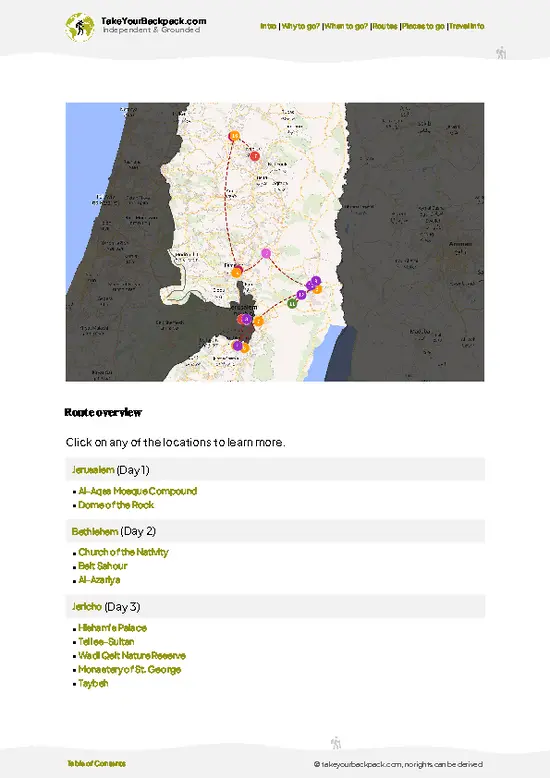
- Salfit Old Town (historic core) — a compact cluster of narrow stone alleyways and old courtyard houses where everyday life plays out; best for a slow walk to soak up architecture, watch kids play, and see how the town actually functions away from postcards.
- Main Market (the souq) — the town’s trading spine: fresh produce, bakeries, spice stalls and small shops. Great for people-watching, grabbing a cheap snack, and buying local olives or labneh from a vendor you can haggle with.
- Central/Grand Mosque area — the mosque and its surrounding plaza are the social heart of Salfit; visiting around prayer times gives a clear feel for communal rhythms and traditional urban space in a Palestinian hill town.
- Municipal Park / City Gardens — the public green where families gather in the evenings; a
- Salfit Old Town (historic core) — a compact cluster of narrow stone alleyways and old courtyard houses where everyday life plays out; best for a slow walk to soak up architecture, watch kids play, and see how the town actually functions away from postcards.
- Main Market (the souq) — the town’s trading spine: fresh produce, bakeries, spice stalls and small shops. Great for people-watching, grabbing a cheap snack, and buying local olives or labneh from a vendor you can haggle with.
- Central/Grand Mosque area — the mosque and its surrounding plaza are the social heart of Salfit; visiting around prayer times gives a clear feel for communal rhythms and traditional urban space in a Palestinian hill town.
- Municipal Park / City Gardens — the public green where families gather in the evenings; a practical stop for a rest, to see locals unwind, and to get a feel for contemporary civic life in Salfit.
- Local olive groves and terraces (within town limits) — Salfit sits in olive country. Walking the nearby trees (many right on the town’s edge) especially in autumn during the harvest is a sensory highlight — smell, sound and the chance to watch or join a harvest.
- Small-scale olive press / cooperative — many towns in the area have family-run mills or cooperatives where you can see traditional pressing, learn about the season, and taste fresh oil straight from the source — a short, hands-on cultural stop.
- Old stone houses and family courtyards — scattered through the town are well-preserved traditional houses (some still lived in). They’re worth peeking into to understand domestic architecture, courtyard life, and local stonecraft.
- Rooftop viewpoints above the market — climb to any accessible roof or upper cafe terrace near the market at sunset; the layered views of roofs, minarets and surrounding hills are simple but memorable and great for photos.
- Community Cultural Space / Municipal exhibition spots — occasional art shows, local history displays or events happen in municipal spaces; timing a visit with a local event gives you a sharper sense of Salfit’s contemporary culture and youth scene.
- Everyday food stops: bakeries, falafel stands, and small family restaurants — not a single landmark but an itinerary: try the town bakeries for fresh taboon bread, street falafel, and simple family-run restaurants to taste how locals eat — food is where the town’s character shows up best.
Spotted a mistake or missing something? Contact us.

 Best Backpacking
.jpg) Hi, I’m Johan (Netherlands 🇳🇱), the creator of TakeYourBackpack. Over the past 3 decades, I’ve backpacked through 90+ countries across six continents, gaining extensive experience with independent travel, long-term trips, and overland routes.
Hi, I’m Johan (Netherlands 🇳🇱), the creator of TakeYourBackpack. Over the past 3 decades, I’ve backpacked through 90+ countries across six continents, gaining extensive experience with independent travel, long-term trips, and overland routes.